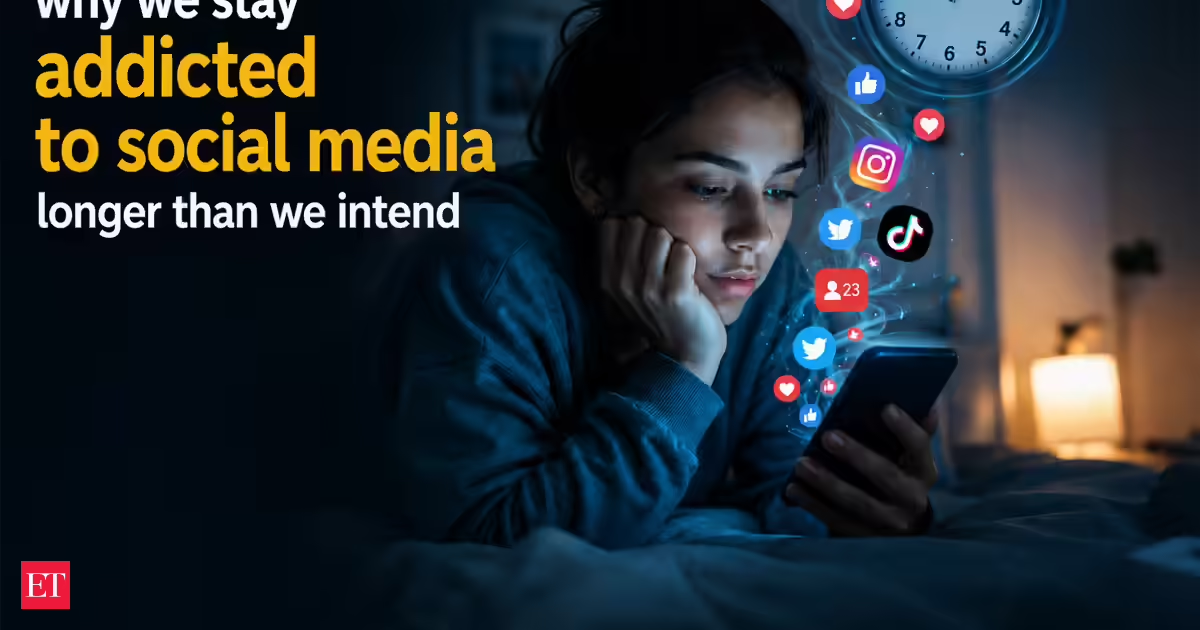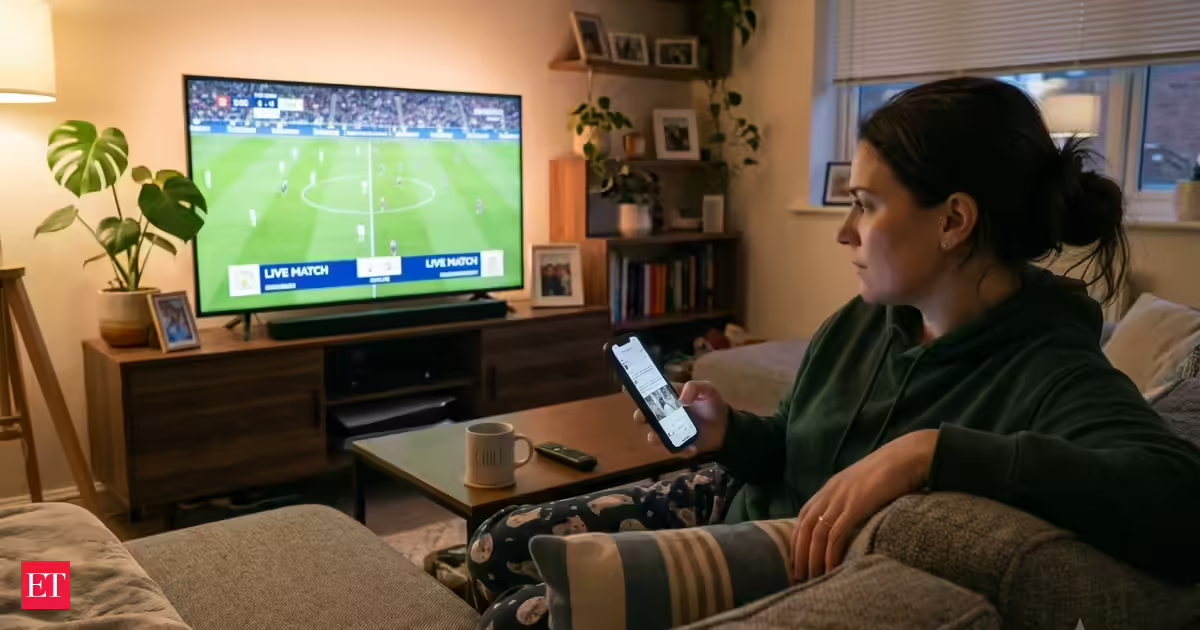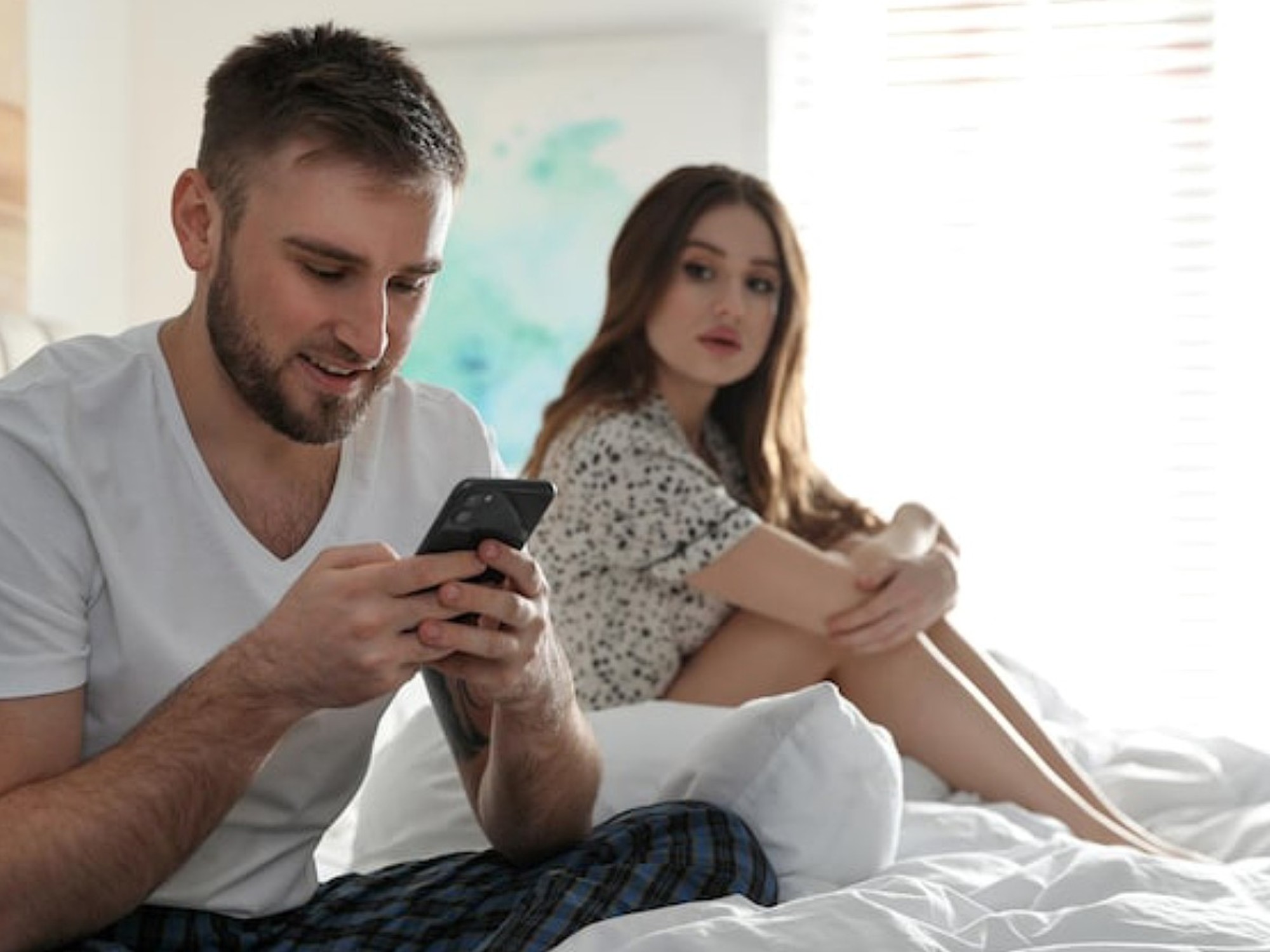
Remember the last time you spent 40 minutes on Instagram before going to bed? You looked at what your friends were doing, watched a couple of reels, and maybe liked a couple of posts. And then when you finally hung up the phone, there was this funny feeling, full and empty at the same time, like you ate a whole bag of chips and still want dinner.That feeling isn’t weakness. It is not the lack of will. According to a nine-year longitudinal study published in Personality and Social Psychology Bulletin by researchers at Baylor University, the platforms built to bring people together may, in practice, be contributing to a rise in loneliness, and the cycle is harder to escape than most people realize.The scroll that fools your brainOnce you open an app and start scrolling, your brain absorbs all the surface cues of social interaction: faces, stories, emotional updates, glimpses of other people’s lives. It treats those cues as if you’re part of a social something. And for a couple of minutes it feels like you are.But there's one thing missing: reciprocity. Nobody is responding to you. Nobody knows that you're there. Researchers call this “social snacking”, passively consuming the content of others, but without any real exchange. It's like junk food that gives you a feeling of fullness that doesn't last, usually leaving you emptier than before.When you’re scrolling, your brain, built for face-to-face interaction in small groups, doesn’t really see the difference. It hits after the brief sense of connection shatters and something heavier comes in to fill the void.Scrolling past people isn't the same as being with them. Image Credits: ChatGPTIt's not the hours; it's the habitThis is where the research gets specific. According to the European Commission's Joint Research Center, while intensive passive use such as scrolling, watching, and consuming without interacting was associated with greater loneliness among young Europeans, the study found no significant association between active use, such as messaging tools or direct engagement, and loneliness.But the Baylor study muddies the waters. Even active social media use, such as posting, commenting, and engaging, was associated with increased loneliness over time, according to research published in the Personality and Social Psychology Bulletin. Researchers found it creates a feedback loop that works both ways: lonely people go to social media to feel better, but it may actually make them lonelier. Social media use “merely fans the flames of loneliness,” lead researcher Dr. James A. Roberts said.The uncomfortable takeaway: passive scrolling isn’t the only problem. It's what digital interaction in just about any form can't do for real human interaction.The parasocial trapThere’s more to this story. According to a literature review in Human Arenas on parasocial interaction, people do form one-sided relationships with media figures, including social media influencers and online creators, who feel familiar and close even though, they have no idea you exist. These parasocial relationships do provide a real, if temporary, sense of belonging. But the key word is temporary. When the video ends, or the livestream closes, the feeling goes away with it.It's so reliable that it creates a cycle that's hard to escape. True friendships are unpredictable. People are busy, distracted, sometimes missing. But the algorithm is always present, and consistency is a powerful force in the brain's reward system. You don’t go back because it’s good. You go back because it is always there.Likes don't fill the gap; real conversation does. Image Credits: ChatGPTWhy it matters right now in the USThis isn't just a personal problem. According to the U.S. Surgeon General's 2023 Advisory, which draws on a 2010 meta-analysis by Holt-Lunstad and colleagues, a lack of strong social connection carries a mortality risk comparable in scale to smoking roughly 15 cigarettes a day. The advisory also links chronic loneliness to higher risks of heart disease, depression, cognitive decline, and premature death. Surgeon General Dr. Vivek Murthy called this a public health crisis, not a personal failure.What you can really doYou don’t need to delete the apps, but you have to be deliberate about what you do when you open them.But the research points one clear way: passive consumption is always the most harmful pattern. That means treating a DM like you would a phone call. Dropping a comment that actually means something. Planning instead of watching other people’s highlights.And when you pick up your phone after a long day, it’s worth asking what you’re actually after. If it’s rest, scrolling isn’t going to help. If it’s connection, a real conversation is the only way to go.The scroll wasn't meant to satisfy you. It’s designed to make you keep scrolling.
Psychology says people who spend hours each evening on social media aren't undisciplined or passively bored; they're caught in a feedback loop designed specifically to feel like socializing
Explore how social media creates a false sense of connection, leading to increased loneliness. Learn about the psychological impacts and how to foster genuine relationships instead.
769 words~3 min read