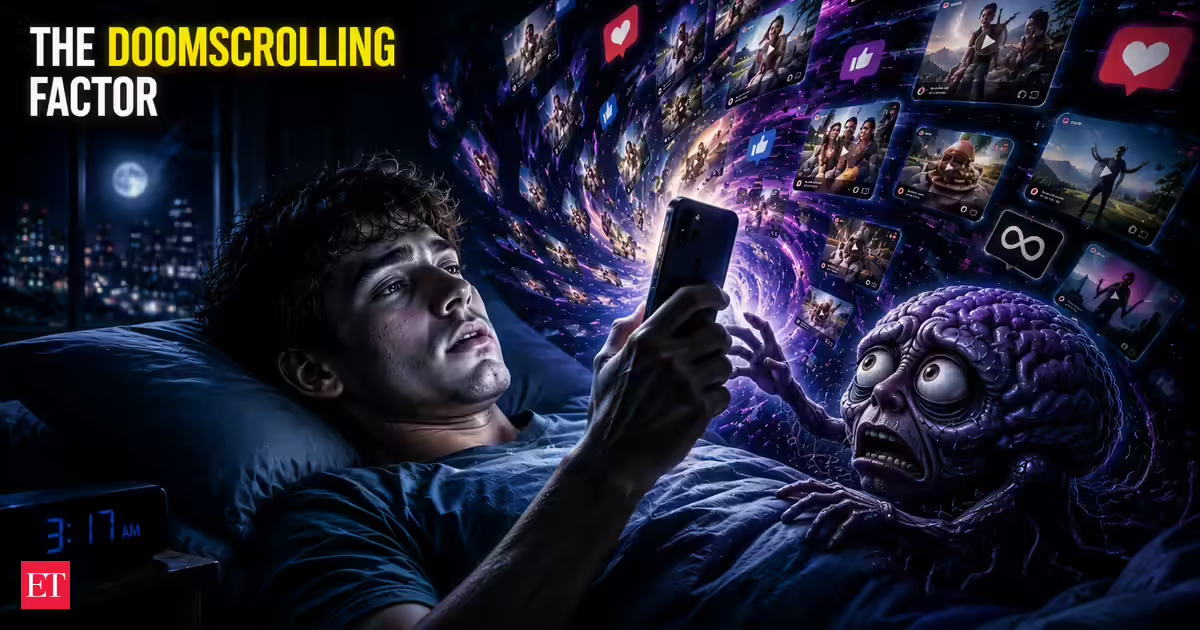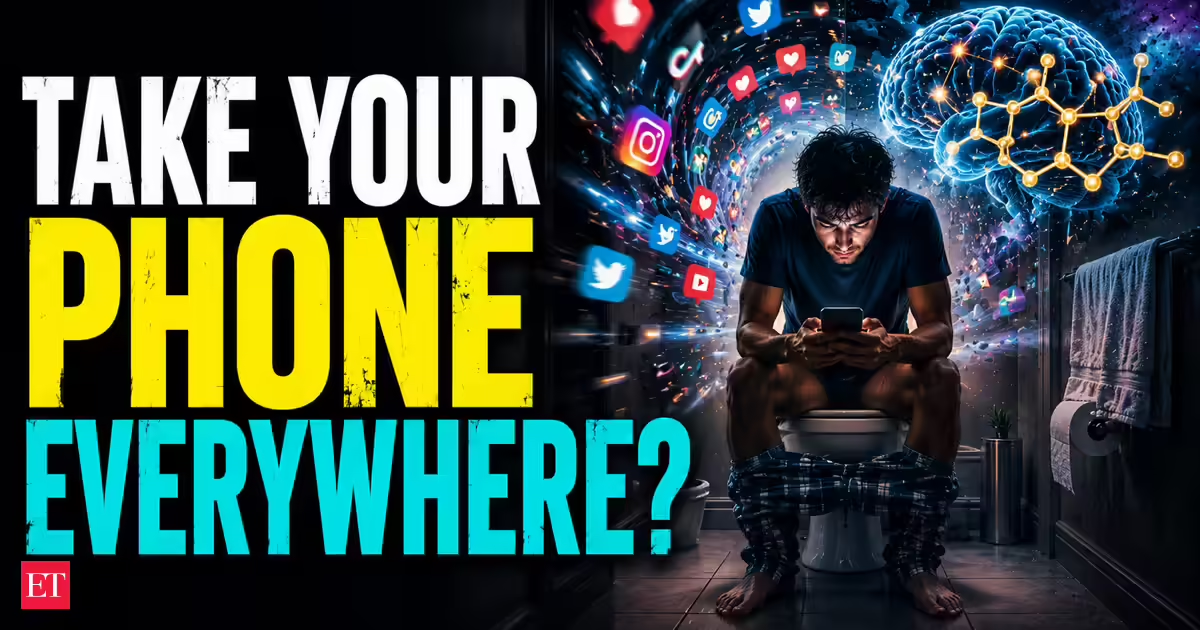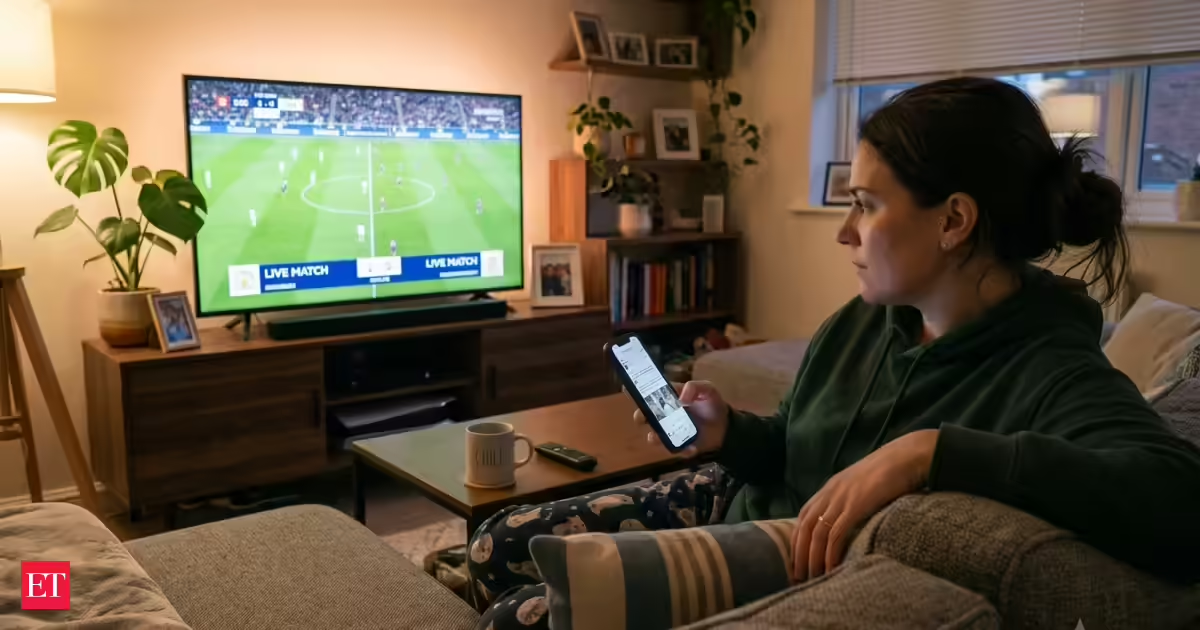
Psychology says people who keep scrolling on phones while watching TV aren't simply passing time. Many people now use two screens at once. They watch television while checking social media, reading messages, or browsing the internet on their phones. This habit has become common in many homes. Psychology suggests that this pattern can reveal how the brain responds to information, emotions, and daily routines. It may also show how people deal with boredom, stress, or the need for constant stimulation. Looking at this behavior through psychology helps explain why multitasking with screens has become a regular part of modern life.Psychology says people who keep scrolling on phones while watching TV aren't just multitaskingWatching television while using a smartphone has become common across different age groups. Psychology says this behavior is often linked to the way people process information rather than simply being a habit of using technology.Researchers explain that the brain does not truly perform two demanding tasks at the same time. Instead, it keeps switching attention between the television and the phone. These rapid changes in focus can affect how much information people remember from either activity. At the same time, many people continue doing it because it feels natural after years of digital media use.How psychology explains the habit?Psychology suggests that many people reach for their phones because the brain is looking for fresh information. Social media feeds, text messages, and short videos provide continuous updates. Every new notification gives the brain something different to process.Experts also explain that this habit can become part of a daily routine. After repeating the same action many times, people may unlock their phones without thinking about it. They may continue scrolling even when the television program is important because the action has become automatic.You Might Also Like:What this behavior may mean?Using two screens at once does not always mean that someone cannot pay attention. Instead, it may reflect different mental states. Some people scroll because the television program does not fully capture their interest. Others may be waiting for messages from friends, family, or work. Some people simply feel uncomfortable sitting quietly without doing anything else.Psychology also notes that people often seek constant stimulation. When one source of entertainment slows down, they quickly turn to another. This creates a cycle where the brain expects continuous input instead of focusing on one activity.Reasons many people do itSeveral factors may lead people to use their phones while watching television.You Might Also Like:One reason is boredom. If a show has slow moments, people often begin checking their phones.Another reason is stress. Looking at social media or chatting with friends can provide a temporary distraction from worries.Many people also fear missing updates. This feeling encourages frequent phone checking even when they are already engaged in another activity.Technology also makes multitasking easier. Smartphones remain within reach, making it simple to switch attention from the television to the phone within seconds.Which psychology theory explains this behavior?One explanation comes from the Limited Capacity Theory of Attention. This theory suggests that people have only a limited amount of mental attention available at one time. When someone watches television and scrolls through a smartphone together, both activities compete for the brain's attention. As attention shifts between them, understanding and memory can decrease.Another explanation comes from Cognitive Load Theory. This theory states that the brain has limits on how much information it can process at once. Multiple streams of information increase mental load, making it harder to fully understand either task.Psychologists also refer to Operant Conditioning. Notifications, likes, and new content provide small rewards that encourage repeated phone checking. Over time, the habit becomes stronger because the brain expects another rewarding update.You Might Also Like:This psychology study saysSeveral psychology and neuroscience studies have examined media multitasking. Researchers have found that frequent media multitasking is associated with lower sustained attention and increased switching between tasks.Studies also suggest that people who often divide attention between screens may find it harder to ignore distractions. Instead of remaining focused on one source of information, they move rapidly between different forms of media.Researchers continue studying whether long-term media multitasking changes attention patterns or whether people with shorter attention spans naturally choose multiple screens. Current findings suggest that both factors may play a role.How dopamine-scrolling shapes attention and emotions?Studies suggest that people who keep scrolling on their phones while watching TV may not simply be distracted. Researchers describe this habit as dopamine-scrolling, where people repeatedly seek new and entertaining content that triggers the brain's reward system. Psychology says notifications, short videos, and endless feeds encourage constant attention switching, making the habit difficult to break. Experts also note that people often scroll to cope with stress, boredom, loneliness, or uncomfortable emotions. While the behavior provides temporary relief, relying on it too often may reduce focus, weaken emotional regulation, and make it harder to stay present in everyday activities.Why experts say scrolling becomes a coping habit?“When we feel overwhelm, anxiety, loneliness, or even boredom, our body can interpret that discomfort as something unsafe. The nervous system wants relief—quickly. Phones provide immediate distraction and stimulation. They allow us to shift attention away from intense emotions and override what we're feeling, even if only temporarily. In many ways, it's a fast-acting self-soothing strategy,” Jane Frumberg, LCSW, psychotherapist and owner of Light Within Therapy told Real Simple.The science behind the patternThe brain constantly decides where attention should go. Smartphones are designed to attract attention through sounds, vibration, visual alerts, and endless new content. Every time a notification appears, the brain treats it as new information. This encourages people to pause the television mentally and check their phones.Even after returning to the television, the brain needs time to regain full focus. Repeating this process many times during a program can reduce understanding of the story and make it harder to remember details later.What people can learn?Understanding this behavior helps people become more aware of their screen habits. People may begin noticing how often they check their phones without any clear reason. Simply becoming aware of the habit is often the first step toward changing it.Choosing specific times to use one screen instead of two may improve concentration. Some people place their phones away while watching an important movie or documentary. Others silence notifications to reduce interruptions. Small changes like these can help people stay engaged with one activity at a time.Life lessons from this behaviorThis habit shows that modern technology competes for human attention every day. It also reminds people that attention is a limited resource. Spending it carefully can improve learning, conversations, entertainment, and daily experiences.Psychology encourages people to understand their habits instead of judging them. Once people recognize why they keep switching between screens, they can decide whether the behavior supports their goals or simply fills empty moments.Building healthy digital habits does not require giving up technology. It simply means using phones and other devices with greater awareness and making choices that support better focus and balance.You Might Also Like:
Psychology says people who keep scrolling on phones while watching TV aren't simply bored: What this behavior may reveal
Psychology says people who keep scrolling on phones while watching TV aren't always distracted without reason. Psychology links this habit to attention, stress, emotions, and the search for stimulation. Experts say this behavior can reflect how the brain manages information, boredom, and digital habits. Understanding the reasons behind it can help people build healthier screen routines, improve focus, and become more aware of how they spend their time.
1,159 words~5 min read