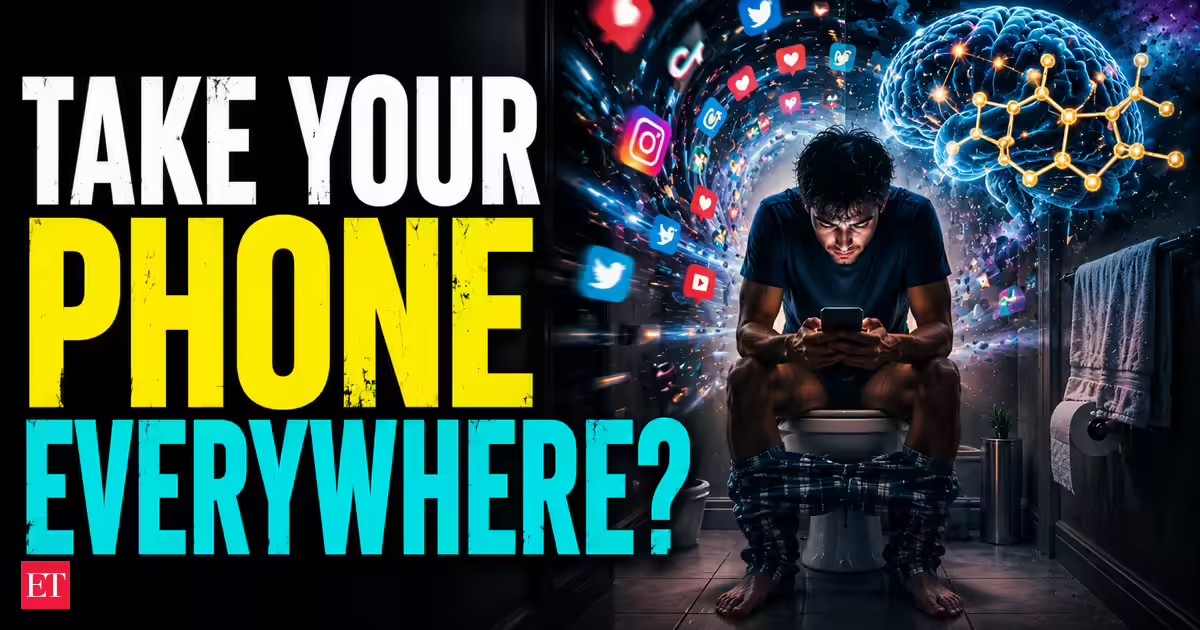
For many people, taking a phone to the bathroom has become automatic. They grab their smartphone before leaving the couch. They scroll social media while brushing their teeth. They watch videos during a quick bathroom break.Some even feel uncomfortable if they accidentally leave their phone behind. At first glance, this may seem harmless or simply a way to pass time. But psychology says the habit may reveal something deeper about how modern brains respond to boredom, silence, stress, and constant stimulation.Research suggests that many people are no longer using their phones merely for entertainment. Instead, the device has become a tool for emotional regulation, distraction, reassurance, and instant reward.Psychology says taking your phone to the bathroom may reveal more than boredom: The hidden link between stress, dopamine, and why your brain avoids silenceThe bathroom, once one of the few places free from outside demands, has quietly become another space where people seek digital stimulation.You Might Also Like:The Brain Has Become Accustomed to Constant InputPsychologists studying attention have found that modern life exposes people to an extraordinary amount of information.Notifications.Videos.Messages.You Might Also Like:News updates.Social media feeds.As a result, many individuals become accustomed to constant mental stimulation. When that stimulation suddenly disappears, even for a few minutes, the brain may interpret the silence as uncomfortable.A bathroom break creates a rare pause in daily activity. For some people, that pause feels relaxing. For others, it feels strangely empty. The phone fills that gap immediately.You Might Also Like:Dopamine Makes Small Rewards Feel PowerfulOne reason phones are difficult to put down involves dopamine. Contrary to popular belief, dopamine is not simply the "pleasure chemical." Neuroscientists describe it as a key part of the brain's reward and motivation system.Every new notification, message, video, or social media update creates the possibility of a reward. The uncertainty itself becomes appealing. Psychologists refer to this as variable reward reinforcement, the same principle that keeps people checking email, refreshing social media feeds, or repeatedly opening apps.A person entering the bathroom may tell themselves they will check their phone for thirty seconds. Ten minutes later, they are still scrolling. The brain keeps anticipating the next rewarding piece of information.Why Silence Feels Uncomfortable for Some PeopleOne of psychology's most fascinating findings is that many people struggle with silence more than they realize. Research on attention and self-reflection suggests that quiet moments often allow thoughts, worries, and unresolved emotions to surface.A phone provides an easy escape. Instead of sitting with thoughts, people immediately shift attention to external content. A modern example is someone feeling stressed about work but spending every spare moment checking videos, reading comments, or browsing social media.The activity may reduce discomfort temporarily, but it also prevents the mind from fully processing underlying emotions.Stress Often Drives Digital HabitsPsychologists frequently view repetitive phone checking as a coping mechanism. This does not mean everyone who uses a phone excessively is addicted. However, stress often increases the desire for distraction.When people feel overwhelmed, uncertain, or emotionally exhausted, quick digital rewards can provide temporary relief. This behavior is connected to avoidance coping, a psychological strategy in which people manage stress by distracting themselves from difficult thoughts or feelings.The bathroom becomes an ideal environment for this behavior because it offers privacy and uninterrupted screen time.Loneliness Can Increase the Need for Constant ConnectionHumans are deeply social creatures. Psychologists studying loneliness have found that people often seek connection even when physically alone.Phones make this easier than ever. A few taps provide access to friends, influencers, communities, videos, and conversations. Someone sitting alone may feel connected simply by scrolling through updates or reading comments.The problem is that digital interaction does not always satisfy deeper social needs. As a result, some people continue seeking connection through their devices without ever feeling fully fulfilled.The Fear of Missing Out Keeps the Cycle GoingAnother factor is FOMO, or the Fear of Missing Out. Psychologists have found that many individuals experience anxiety when they believe they might miss important information, conversations, or opportunities. Even a brief bathroom break can trigger the urge to check notifications.The thought process is often automatic: "What if someone messaged me?""What if something important happened?""What if I'm missing an update?"The result is a habit that becomes increasingly difficult to break.Why the Brain Begins to Avoid BoredomBoredom once served an important psychological purpose. Periods of mental downtime allowed people to reflect, daydream, solve problems, and engage their imagination. Recent research suggests that constant digital stimulation may reduce opportunities for these processes.A person waiting in line once looked around, observed their surroundings, or reflected on their day. Today, many immediately reach for their phone. The bathroom habit is part of the same pattern. The brain learns to avoid boredom by replacing every quiet moment with stimulation.What Psychology Really Says About Taking Your Phone to the BathroomPsychology does not suggest that everyone who takes a phone to the bathroom has a problem. Human behavior is far more complex than that.Research indicates that phone habits can be influenced by dopamine-driven rewards, stress, loneliness, avoidance coping, fear of missing out, and a growing discomfort with silence.For some people, the habit is simple convenience. For others, it reflects a deeper need for distraction, stimulation, or connection. The next time you automatically reach for your phone before heading to the bathroom, it may be worth asking a simple question:Are you avoiding boredom, or are you avoiding what silence might reveal?FAQsWhy do people take their phones to the bathroom?Psychologists suggest the habit is often linked to convenience, boredom avoidance, stress relief, and the desire for constant stimulation.Is taking your phone to the bathroom a sign of addiction?Not necessarily. However, excessive reliance on a phone for emotional comfort or distraction may indicate an unhealthy habit.
Psychology says taking your phone to the bathroom may reveal more than boredom: The hidden link between stress, dopamine, and why your brain avoids silence
Psychology does not suggest that everyone who brings a phone into the bathroom has an unhealthy habit or underlying issue. Human behavior is far more nuanced than such simple conclusions. Research indicates that smartphone use in these moments can be shaped by dopamine-based reward systems, stress relief, feelings of loneliness, avoidance coping strategies, fear of missing out (FOMO), and an increasing tendency to seek constant stimulation rather than sit with silence.
946 words~4 min read