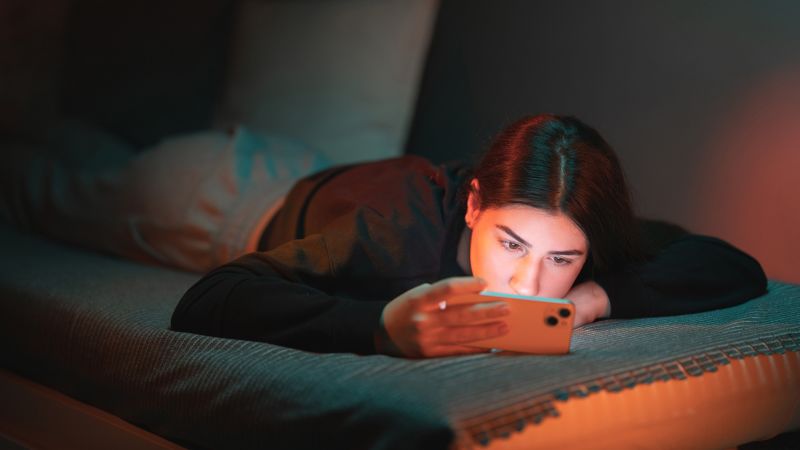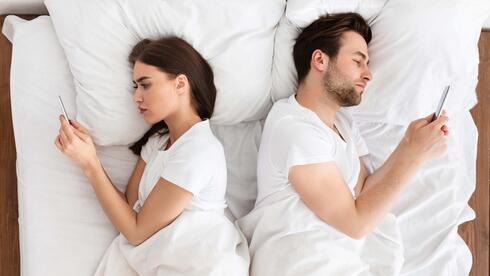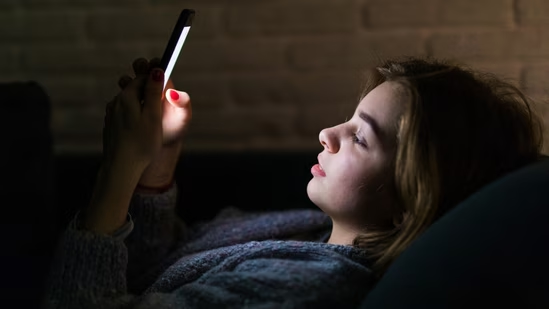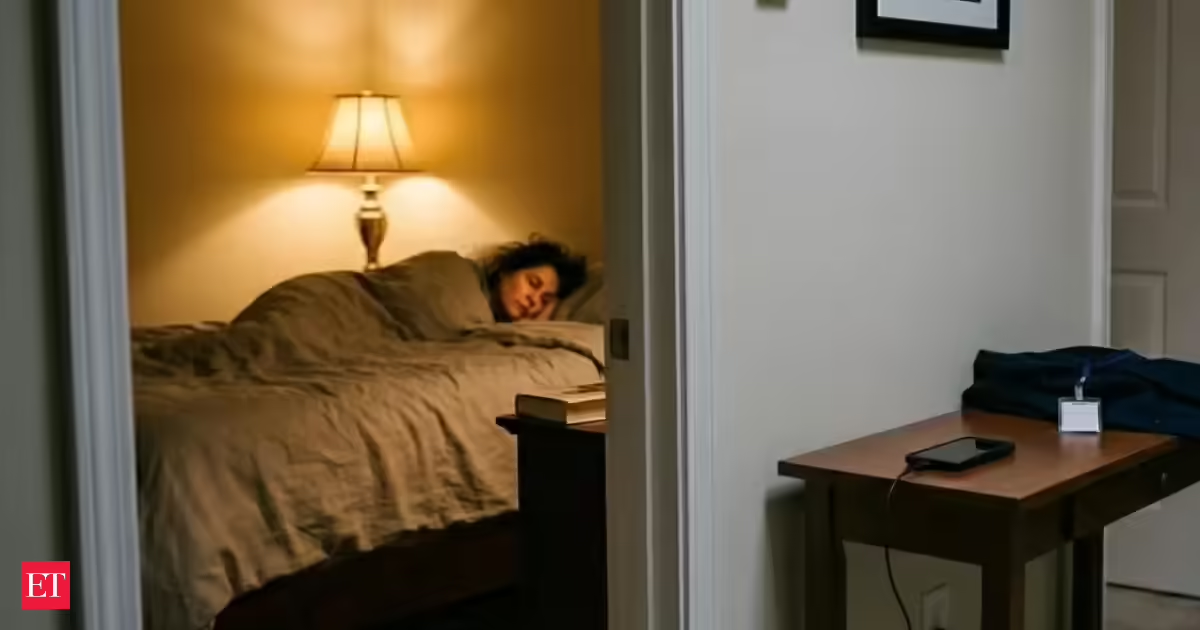
Reducing screentiming has indeed become one of the biggest concerns today. People use smartphones right before bed and even when waking up the next day. People utilize their smartphones as alarm clocks, entertainment devices, workstations, and social media. The increased usage of smartphones has affected the appearance and atmosphere of bedrooms. It has become common to receive notifications late at night. Additionally, watching videos in darkness and endless scrolling also delay bedtime.Nevertheless, there is another rule that adult people have to stick to when going to bed. For example, it is better to keep phones away from one's bedroom. Such a rule can be seen by people as excessive by some standards, especially in a technologically developed era. In other words, leaving phones in another room looks like an inconvenience for some people. Nevertheless, psychologists explain why the practice is popular in a PubMed study. It is believed that nighttime usage of a phone impacts the way the brain works.Why does nighttime screen usage impact the brain?As it was mentioned above, scientists state that a brain cannot change its state immediately when going to bed. Instead, the process is gradual. From messages to videos, from headlines to notifications, there is always an effort to direct attention outwardly. In an experimental design published in Sleep Health, adult participants were instructed not to use mobile phones for thirty minutes prior to bedtime for four weeks. They had significantly faster sleep onset times, longer sleep duration, and improved sleep quality during this period.Additionally, reduced pre-sleep arousal was observed among participants. Put simply, they experienced less active minds while approaching sleep. One further finding was reported in the paper. Participants had greater improvements in their positive affect and working memory.The body remains more alert with phones nearbyThere are other ways researchers have chosen to measure the impact of phone use. A study incorporating data from smartphone activity logs and wearable sleep monitors revealed that bedtime phone use resulted in increased sleep latency, higher nighttime awakenings, and alterations in heart rate variability.This is significant because heart rate variability and physiological arousal are strongly associated with one’s capacity to fall asleep. According to a study published in Personal and Ubiquitous Computing, this is why many adults consider their bedroom a “quiet space” rather than somewhere where they go only to sleep. By taking away the phone, the person decreases the level of stimulation that competes for their attention at the end of the day.The quiet bedtime habit psychologists say protects your brain. Image credit - GeminiIt’s a problem bigger than an individualIn terms of scientific literature reviews on sleep, the problem is evident beyond individuals’ habits. In a systematic review and meta-analysis about the use of electronics at night, the researchers identified consistent associations between electronic media use and poor sleep quality. As per multiple studies, nighttime screen use was associated with delayed sleep, less sleep, and disrupted sleep.Additionally, a recent study of the adult U.S. population cohort, published in JAMA Network Open, revealed that pre-sleep screen use was related to later bedtimes and less sleep duration. Most importantly, scientists noted that such effects were found in ordinary adults, rather than in teens or heavy tech-users. This also explains why the phone-free bedroom makes more sense from a psychological point of view. Many adults use boundaries functionally rather than symbolically.Both light and attention are importantAccording to expert researchers from the School of Journalism and Communication at Renmin University of China, who published a study in the Journal of Medical Internet Research (JMIR), cell phones influence sleep through their content and their screen light. In other words, phone content engages the brain, and the screen light tells it to stay awake. Lab studies have found that the exposure of the brain to display light in the evening affects the onset of the body’s sleep cycle by inhibiting melatonin synthesis.Melatonin is responsible for controlling the sleep cycle of the human body. Hence, light delays the onset of sleep and keeps people mentally active despite switching off the screen. In addition, smartphones continuously prompt interaction with them. Any notifications or articles are designed to engage the brain instead of letting it relax. Often, psychologists use the term “externally cued” to refer to this state.Why the bedroom boundary is significantThese findings mean that when adults refuse to bring phones into the bedroom, they seek to preserve a transitional state rather than technology. According to sleep specialists, part of a proper sleeping process is minimizing stimulation just before going to bed. This helps the nervous system to smoothly transition to a lower stress state.This may account for why many people feel that a cell phone-free bedroom offers emotional relief. It does not require perfection or even self-control most of the time. What it does require is having one space at home in which constant stimuli cease for the day.From an actual perspective, this practice can aid in promoting sleep, emotional stability, and mental relaxation before going to bed. Psychologically, this is why the no-cell phone bedroom concept seems to continue gaining traction among many individuals.
Psychology says adults who never bring their phone into the bedroom aren't being difficult - they're guarding the last quiet border of the day, because bedtime media use can keep the mind externally cued
Keeping phones out of the bedroom is a growing trend supported by psychological research. Studies show that reducing pre-sleep screen time leads to faster sleep onset, longer duration, and improved sleep quality by minimizing mental stimulation and the effects of blue light. This practice helps the brain transition to a relaxed state, promoting emotional stability and mental relaxation.
844 words~4 min read