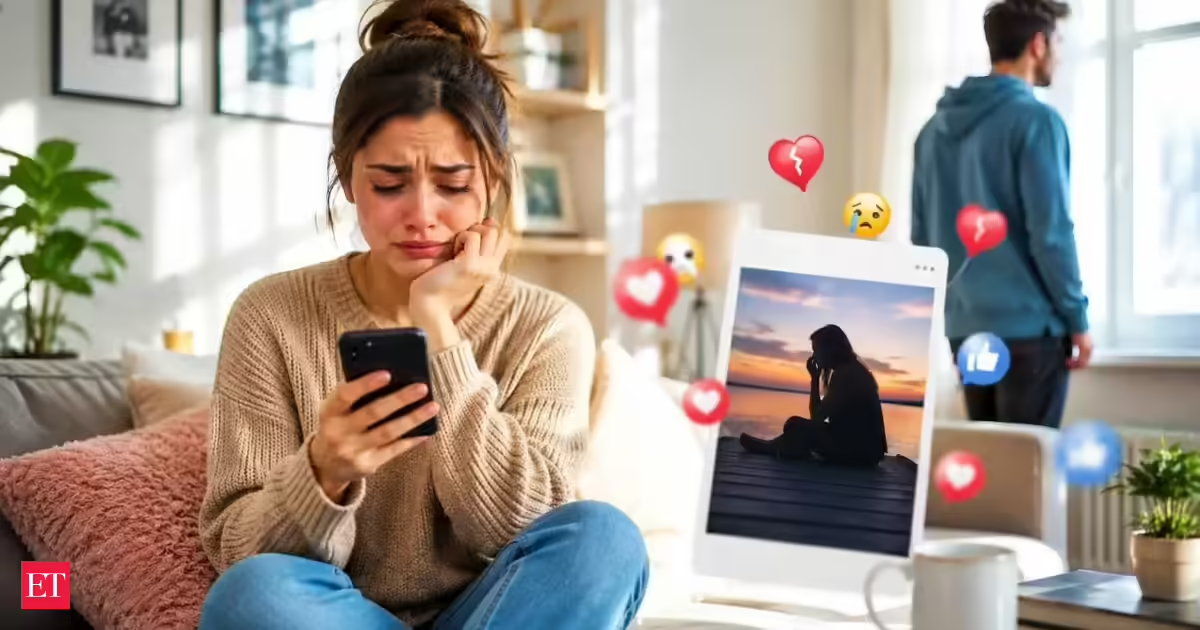
Almost everyone has seen it happen. After a breakup, argument, betrayal, or emotional conflict, someone suddenly begins posting cryptic quotes, sad captions, breakup songs, revenge messages, or emotionally charged memes online. Sometimes the posts are indirect. Sometimes they are obvious enough that everyone knows exactly who they are about.To outsiders, this behavior may look immature, attention-seeking, or dramatic. But psychology says these emotional social media posts often reflect something much deeper happening inside the person emotionally.Experts believe these posts are frequently connected to emotional dysregulation, validation-seeking, attachment anxiety, unresolved anger, and the human need to feel emotionally seen after rejection or heartbreak.Social Media Has Become a Digital Emotional OutletPsychologists explain that modern social media platforms function like emotional diaries for many people. Apps like Instagram, TikTok, Facebook, and X allow users to publicly express emotions instantly.You Might Also Like:Unlike private journaling, however, social media also offers: Attention, Validation, Sympathy, Emotional reactions, and Social support. This combination makes emotional posting psychologically rewarding during painful situations.Why Breakups Trigger Public Emotional BehaviorPsychology says romantic rejection activates the same brain regions associated with physical pain. When relationships end, people often experience: Emotional withdrawal, Identity confusion, Anger, Loneliness, Fear of abandonmentThis connects to Attachment Theory, introduced by John Bowlby. People with anxious attachment styles are especially likely to seek reassurance, visibility, or emotional reactions after relationship conflict.For some individuals, posting online becomes an indirect way of saying:You Might Also Like:“I’m hurt.”“Notice my pain.”“I want closure.”“I want them to react.”The Psychology of “Indirect Communication”Experts often connect these posts to Passive Communication Patterns. Instead of directly expressing emotions to the person involved, individuals communicate indirectly through:Song lyricsQuotesMemesSad selfiesEmotional captionsPsychologists say indirect posting feels emotionally safer because it avoids direct vulnerability while still expressing pain publicly. This behavior is especially common among people who struggle with confrontation or fear rejection.Why Validation From Strangers Feels So PowerfulOne major psychological factor behind emotional posting is External Validation Seeking. When someone posts about heartbreak or betrayal, likes, comments, and supportive messages create small dopamine rewards in the brain.This temporary attention can reduce feelings of loneliness and emotional rejection. Experts explain that during emotional distress, people naturally look for reassurance that:You Might Also Like:Their feelings are justifiedThey are not aloneOthers support themSocial media provides instant emotional feedback that real-life healing often cannot provide immediately.Some Posts Are Driven by Emotional RevengePsychology says not all breakup posts are about sadness alone. Some individuals post strategically to:Make an ex jealousRegain powerAppear happier than they feelTrigger guilt or regretThis relates to Impression Management Theory, where people carefully shape how others perceive them socially.For example:Posting glamorous photos after heartbreakUploading “moving on” captionsSharing messages about betrayal or karmacan become emotional coping tools designed to restore damaged self-esteem.Why Emotional Oversharing Happens During StressPsychologists also connect breakup posting to Emotional Dysregulation, where intense feelings temporarily overwhelm emotional control systems.During heartbreak, people often experience racing thoughts, obsessive thinking, and emotional impulsivity.As a result, they may:Post without thinkingOvershare personal detailsPublicly vent frustrationSeek emotional release onlineExperts say the brain often prioritizes emotional relief over long-term consequences during distress.Modern Examples Seen EverywhereThis behavior has become increasingly normalized online.Examples include:Posting breakup-related song lyricsUploading “healing era” contentSharing motivational quotes aimed at ex-partnersPosting gym transformations after heartbreakPublicly discussing toxic relationshipsCelebrities and influencers also frequently engage in indirect emotional posting, which normalizes the behavior for wider audiences. Psychologists say social media culture now encourages people to process emotions publicly instead of privately.Are These People Emotionally Immature?Not necessarily. Experts say emotional posting does not automatically mean someone is manipulative or immature. For many individuals, it reflects: Emotional pain, Loneliness, Lack of closure, Fear of invisibility, Difficulty processing rejectionHowever, psychologists warn that constantly using social media as emotional revenge or indirect communication can prevent healthy emotional healing over time.Healthy Emotional Processing Looks DifferentPsychologists emphasize that emotionally healthy coping usually involves:Honest communicationPrivate emotional processingTrusted support systemsTherapy or journalingTime away from social comparisonThis connects to Emotional Regulation Theory, where emotionally mature individuals learn to process feelings without relying entirely on public validation.Emotional Social Media Posts Often Reflect Pain More Than DramaThe psychology behind people posting emotional or targeted content after breakups reveals a complex mix of attachment anxiety, emotional validation, rejection sensitivity, and unresolved grief. Psychology says these individuals are not always simply seeking attention, many are trying to regain emotional control, feel understood, or cope with heartbreak publicly in a digital world that rewards visibility and reaction.FAQsWhy do people post emotional quotes after breakups?Psychology says emotional posts often help people seek validation, process pain, and express feelings indirectly.Is posting about an ex online emotionally unhealthy?Not always. Occasional emotional expression is normal, but constant indirect targeting can delay healing.
Psychology says people who post emotional messages about their ex after a breakup aren’t just being dramatic, they may be seeking validation, revenge, or emotional closure
The psychology behind people posting emotional or targeted content after breakups reveals a complicated mix of attachment anxiety, emotional validation, rejection sensitivity and unresolved grief. Psychology suggests these individuals are not always simply seeking attention; many may be trying to regain a sense of emotional control after experiencing loss, confusion or rejection.
767 words~3 min read