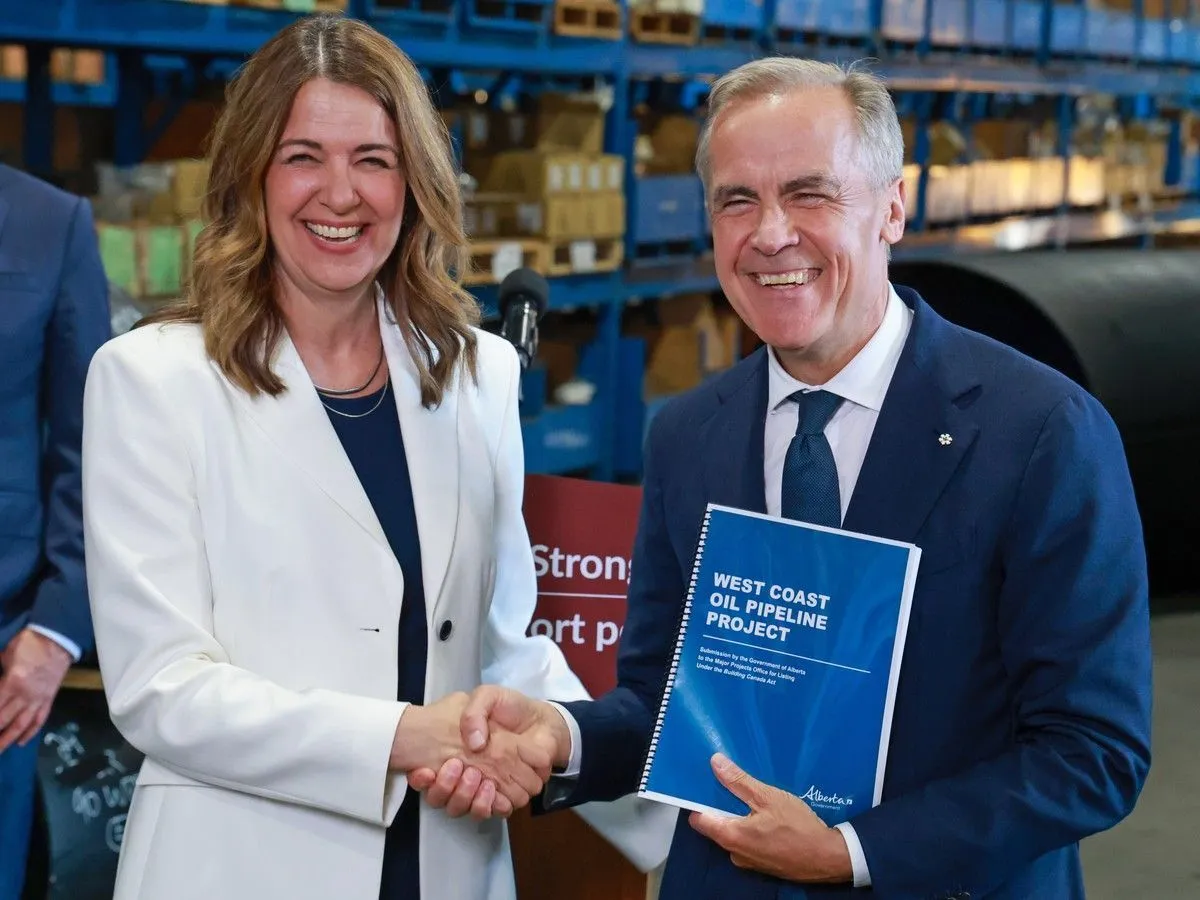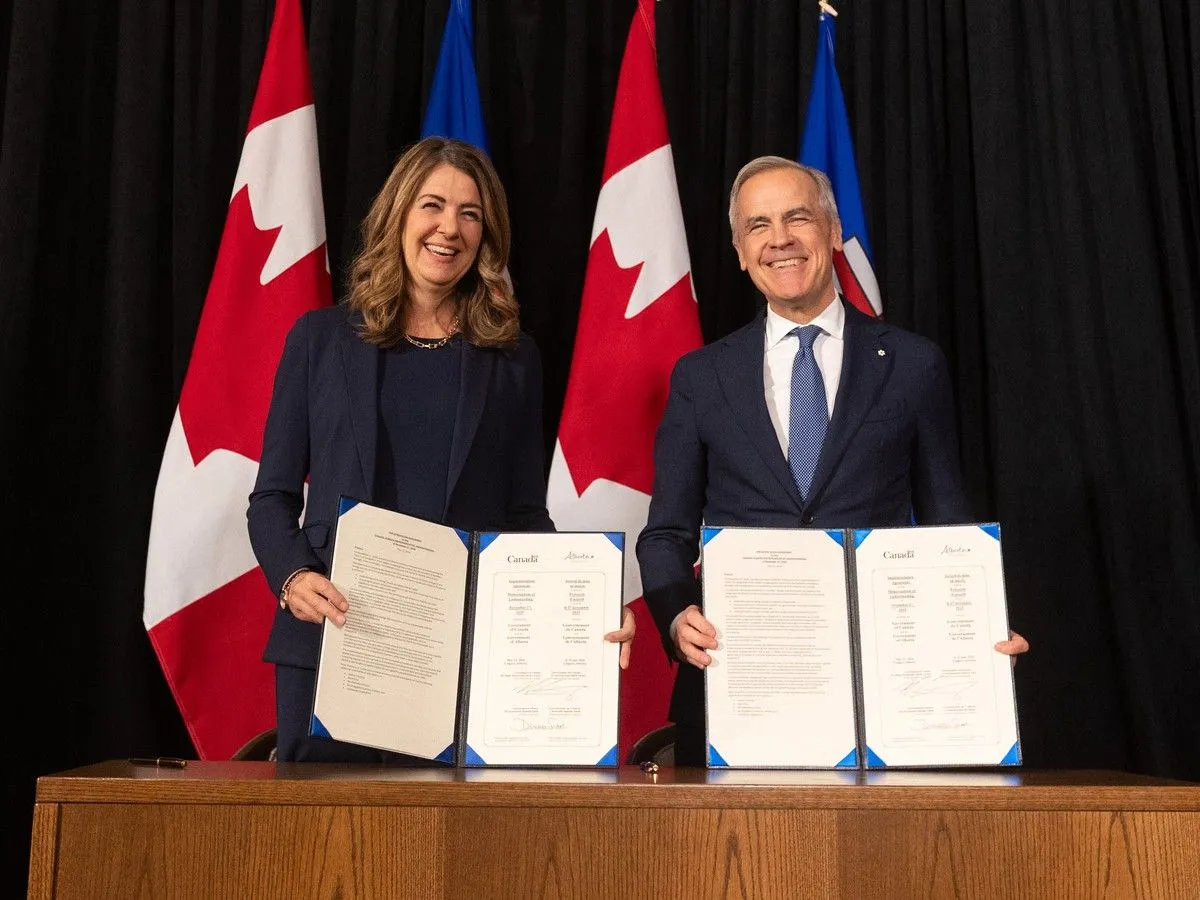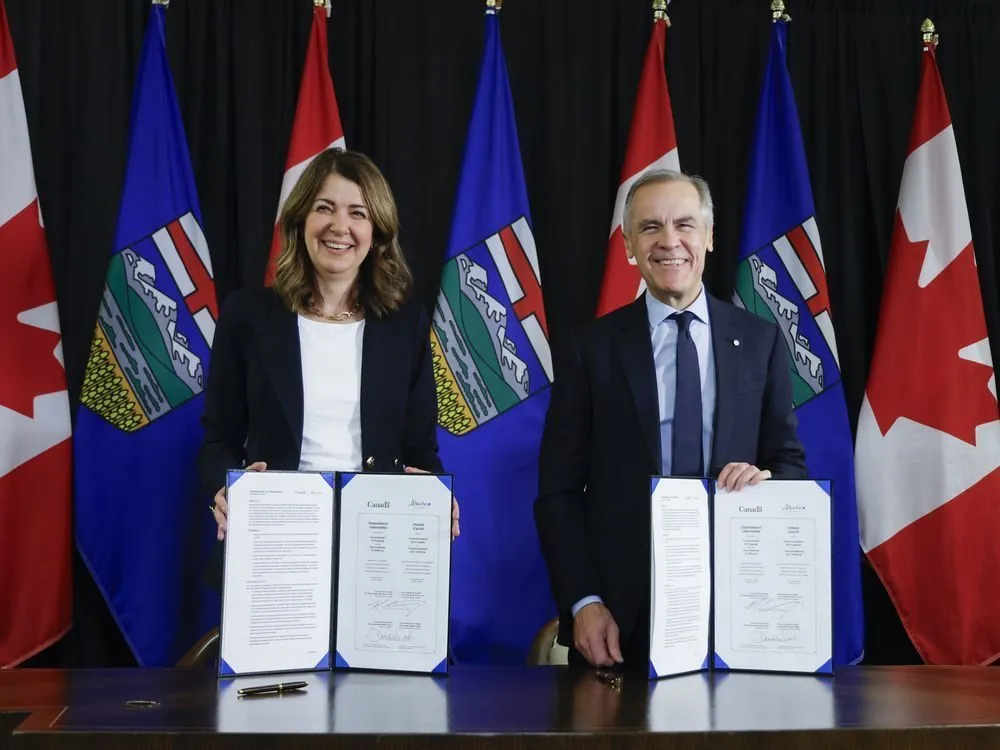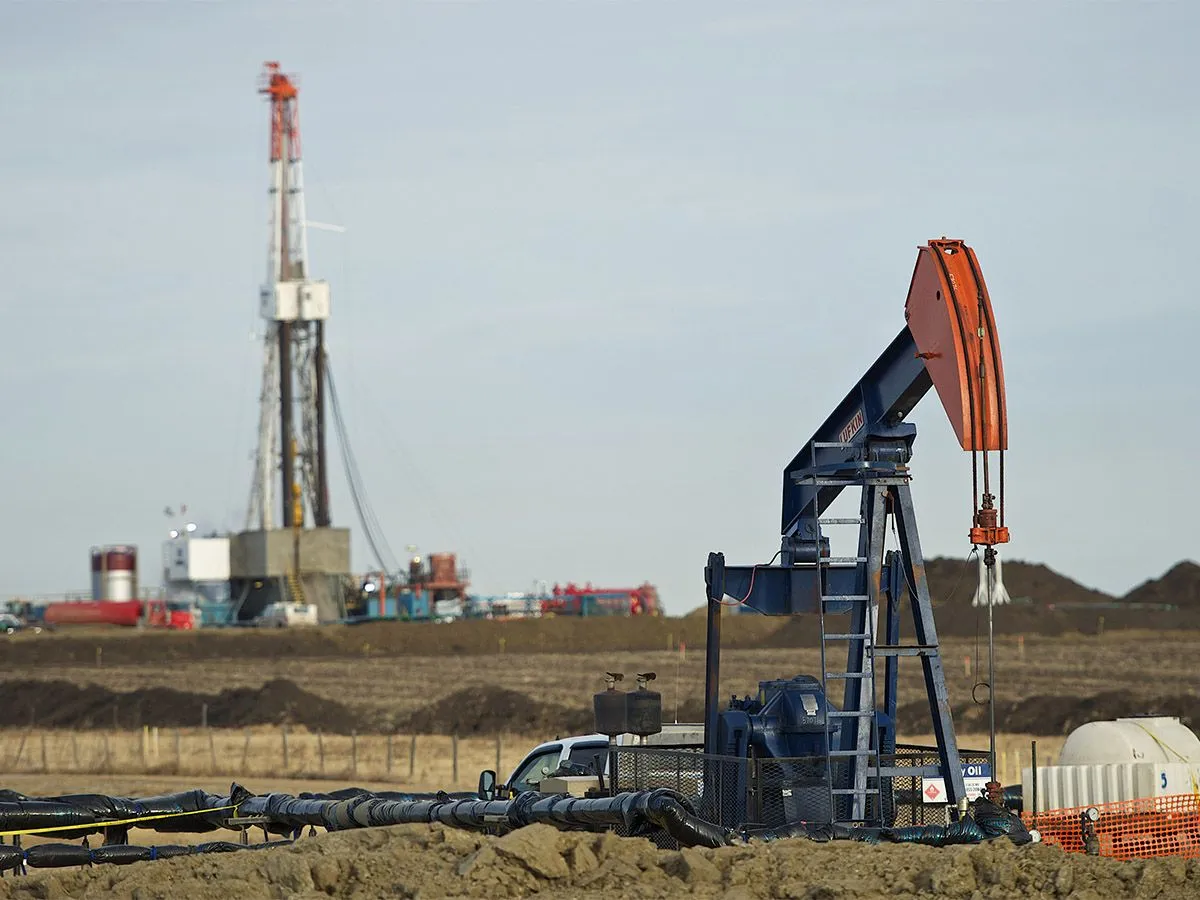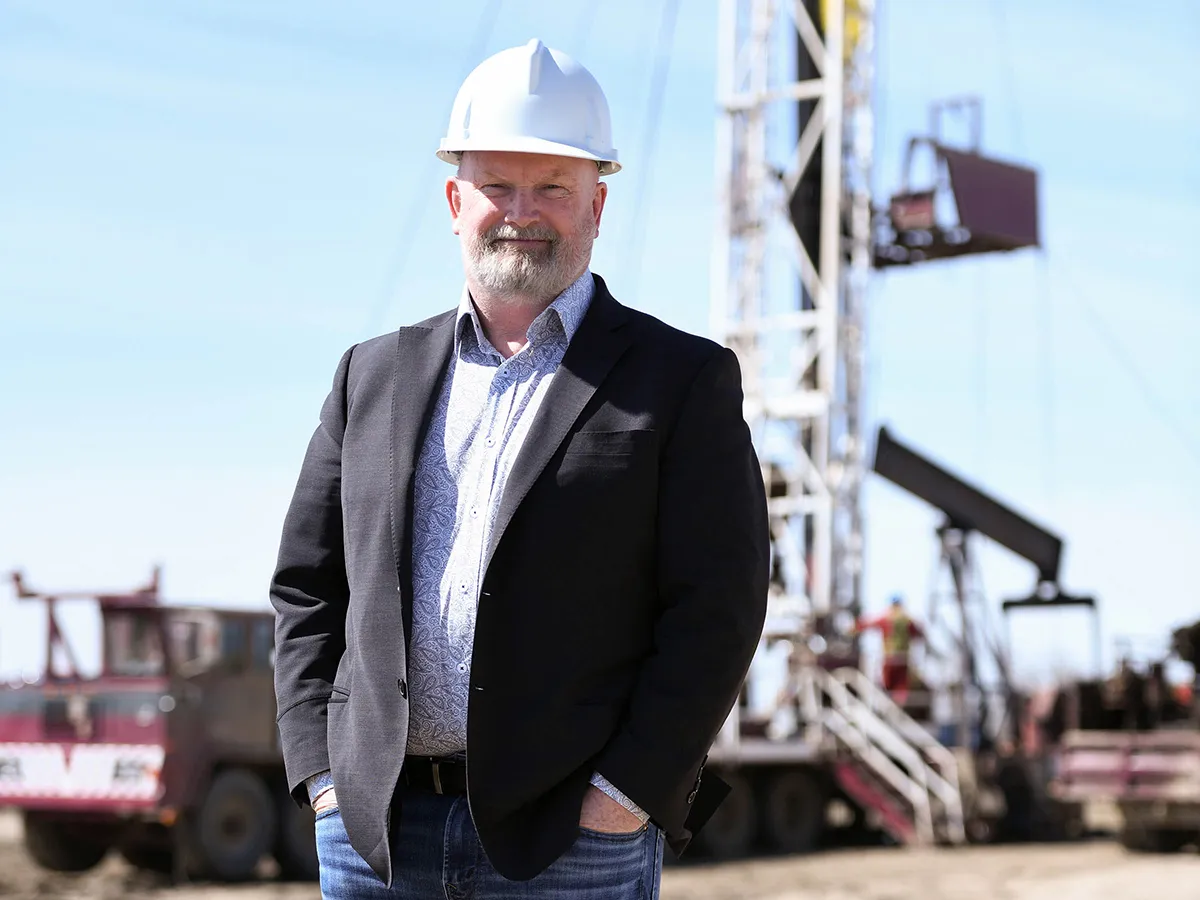
Skip to Content News Archives Economy Energy Oil & Gas Renewables Electric Vehicles Mining Commodities Agriculture Real Estate Mortgages Mortgage Rates Finance Banking Insurance Fintech Cryptocurrency Work Wealth Smart Money Wealth Management Investor Personal Finance Family Finance Retirement Taxes High Net Worth FP Comment Executive Women Puzzmo Newsletters Financial Times Business Essentials More Innovation Information Technology FP500 Podcasts Small Business Lives Told Tails Told Shopping Financial Post Store Obituaries Place a Notice Advertising Advertising With Us Advertising Solutions Postmedia Ad Manager Sponsorship Requests Classifieds Place a Classifieds ad Working Profile Settings My Subscriptions Saved Articles My Offers Newsletters Customer Service FAQ News Economy Energy Mining Real Estate Finance Work Wealth Investor FP Comment Executive Women Puzzmo Newsletters Financial Times Business Essentials HomeEnergyOil & Gas'Less than 50 per cent chance': Pipeline deal attracts hope, but also skepticism in oilpatchEven as the deal reached by Carney and Smith appeared like an improbable milestone, some insiders and observers worried it may not be enoughLast updated 12 minutes ago You can save this article by registering for free here. Or sign-in if you have an account.Political factors are stacked up against the new West Coast pipeline project, says Del Mondor, head of Aldon Oils. Photo by Brian Zinchuk/FileA proposed $35-billion oil pipeline to the West Coast — backed by the federal and Alberta governments — signals the country is willing to produce and export more crude, industry insiders say.Subscribe now to read the latest news in your city and across Canada.Exclusive articles from Barbara Shecter, Joe O'Connor, Gabriel Friedman, and others.Daily content from Financial Times, the world's leading global business publication.Unlimited online access to read articles from Financial Post, National Post and 15 news sites across Canada with one account.National Post ePaper, an electronic replica of the print edition to view on any device, share and comment on.Daily puzzles, including the New York Times Crossword.Subscribe now to read the latest news in your city and across Canada.Exclusive articles from Barbara Shecter, Joe O'Connor, Gabriel Friedman and others.Daily content from Financial Times, the world's leading global business publication.Unlimited online access to read articles from Financial Post, National Post and 15 news sites across Canada with one account.National Post ePaper, an electronic replica of the print edition to view on any device, share and comment on.Daily puzzles, including the New York Times Crossword.Create an account or sign in to continue with your reading experience.Access articles from across Canada with one account.Share your thoughts and join the conversation in the comments.Enjoy additional articles per month.Get email updates from your favourite authors.Create an account or sign in to continue with your reading experience.Access articles from across Canada with one accountShare your thoughts and join the conversation in the commentsEnjoy additional articles per monthGet email updates from your favourite authorsSign In or Create an AccountorEven as the deal reached by Prime Minister Mark Carney and Premier Danielle Smith appeared like an improbable milestone, some insiders and observers worried it may not be enough to get the mega-project across the finish line.The one million barrel per day line to shipping terminals in British Columbia would give producers more options than selling to the U.S. at “discount” prices, said Paul Colborne, chief executive of Surge Energy Inc.Get the latest headlines, breaking news and columns.By signing up you consent to receive the above newsletter from Postmedia Network Inc.A welcome email is on its way. If you don't see it, please check your junk folder.The next issue of Top Stories will soon be in your inbox.We encountered an issue signing you up. Please try again“We’ve opened up a market,” said Colborne. “We now take another million barrels of our oil, and we have negotiating power to take it to China, India, Africa (or) Asia.The federal and provincial governments formed a partnership to build a 1,200 kilometre pipeline to the Pacific Coast, with Calgary’s Pembina Pipeline Corp. controlling a 10 per cent stake and an option to double its position later on.Alberta Premier Danielle Smith said that her government submitted its pipeline proposal to the federal office that fast-tracks nation-building infrastructure projects.The proposed pathway would largely use the same route already carved out by the Trans Mountain pipeline, starting outside of Edmonton at Bruderheim, Alta., with a diversion near the end to a port at Roberts Bank, B.C.Mark Parsons, the chief economist at the Alberta bank ATB Financial, said many questions remain, including who exactly is going to foot the bill for the pipeline.“We’re still not building it into our economic forecast,” said Parsons. “We just want to see a little bit more certainty that this is indeed going ahead.”Canada’s pipelines are largely routed southbound to American refineries. Del Mondor, who runs a privately held producer in Weyburn, Sask., said that if this pipeline is anything like Trans Mountain, it could mean that producers can fetch attractive prices.“Optionality is king. The ability for us to chase the highest price for our crude is critical,” said Mondor, chief executive of Aldon Oils Ltd.Still, Mondor said political factors are stacked up against the project. The same issues that led to other pipeline projects getting shelved could derail this one, he said.“I’m giving this less than 50 per cent chance of happening.”Parsons said that Canada grew its oil exports to Asia by $4 billion in 2025, and this pipeline would boost those exports headed across the Pacific Ocean.Capital spending in the oilpatch is half of the record highs reached in 2014, Parsons said. A new pipeline would allow for growth and more spending in an industry that hasn’t seen much greenfield expansion in a decade.“The reason this is so important is because, for the oil and gas industry to get that next leg of growth, they need new pipeline capacity,” said Parsons.But some experts said they are not sure the line would offer producers the most cost-effective option to ship their oil, given the massive, $35.2 billion price tag.Pipeline companies typically recover their costs by imposing tolls on every barrel of oil that moves through their lines.We just want to see a little bit more certainty that this is indeed going aheadRichard Masson, an industry consultant and former chief executive for the Alberta Petroleum Marketing Commission, said he worries the massive construction cost might make the tolls too high for producers.“If that is the case, then you won’t get shippers to sign up for that,” said Masson. “It’s not competitive.”Heather Exner-Pirot, a senior fellow at the public policy think tank Macdonald-Laurier Institute, said a private company would typically recoup construction costs over a 12-year period. But she expects the government would charge lower tolls over a longer period.“It makes sense for government to make the real money off the taxes and the royalties,” said Exner-Pirot.Alberta expects government revenues to increase through taxes, royalties and other payments linked to higher production and economic activity. For instance, the Smith government believes the project would generate $17 million in property taxes alone for Alberta and $51 million for British Columbia, with expectations the revenue would “increase significantly” over the pipeline’s lifetime.While the pipeline agreement signals a willingness in Ottawa to expand the country’s oil production, industry experts are cautiously optimistic that it will come to fruition over the next decade.“It was so improbable that we could find a middle ground on a pipeline in Canada,” said Exner-Pirot. “You would never have thought it possible two years ago.”While the provinces and federal governments have aligned — B.C. Premier David Eby vowed that he wouldn’t fight the project — the industry needs to get behind it as well, said Kyle Bertamini, an analyst at the energy market intelligence firm Enverus.“You need the oil to flow and producers to kind of get behind it. So that’s kind of the last major hurdle,” he said. Join the Conversation This website uses cookies to personalize your content (including ads), and allows us to analyze our traffic. Read more about cookies here. By continuing to use our site, you agree to our Terms of Use and Privacy Policy.
'Less than 50 per cent chance': Pipeline deal attracts hope, but also skepticism in oilpatch
Even as the deal reached by Carney and Smith appeared like an improbable milestone, some insiders and observers worried it may not be enough
1,332 words~6 min read