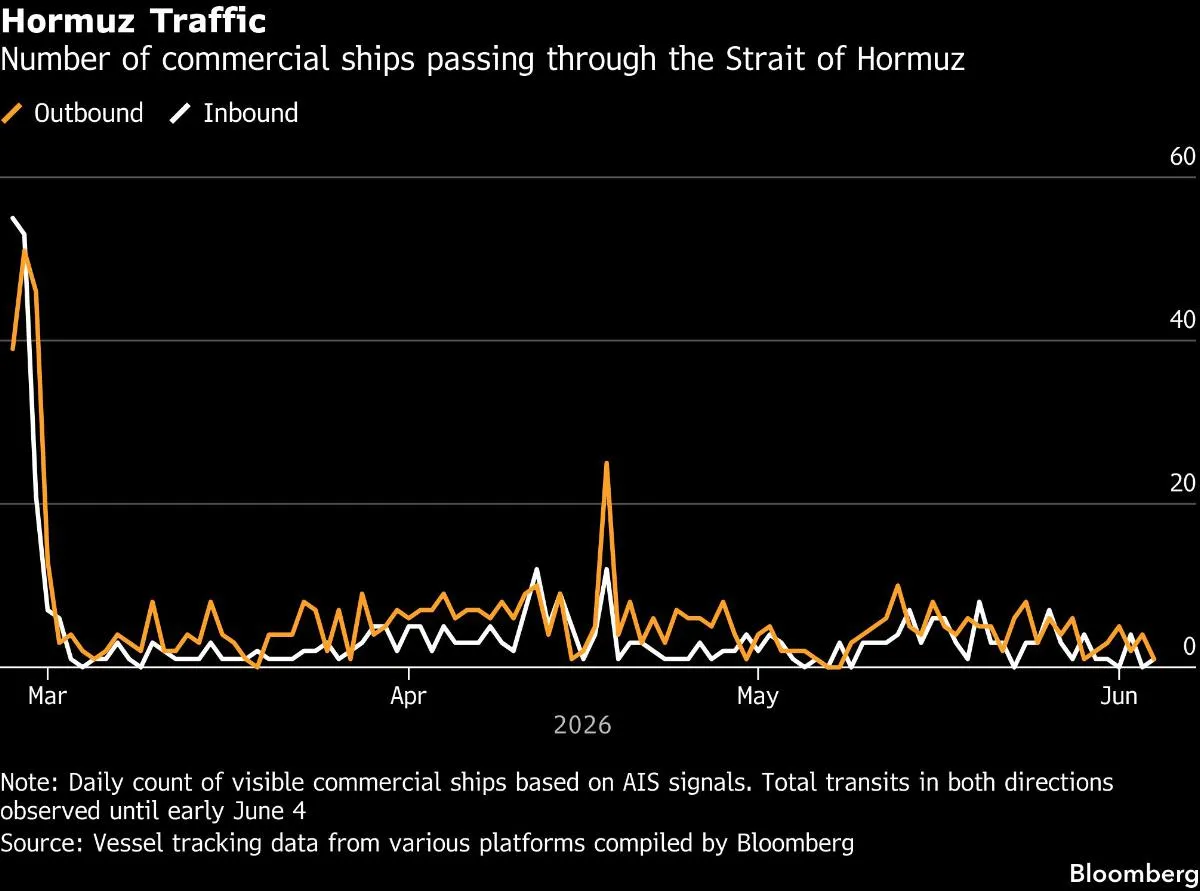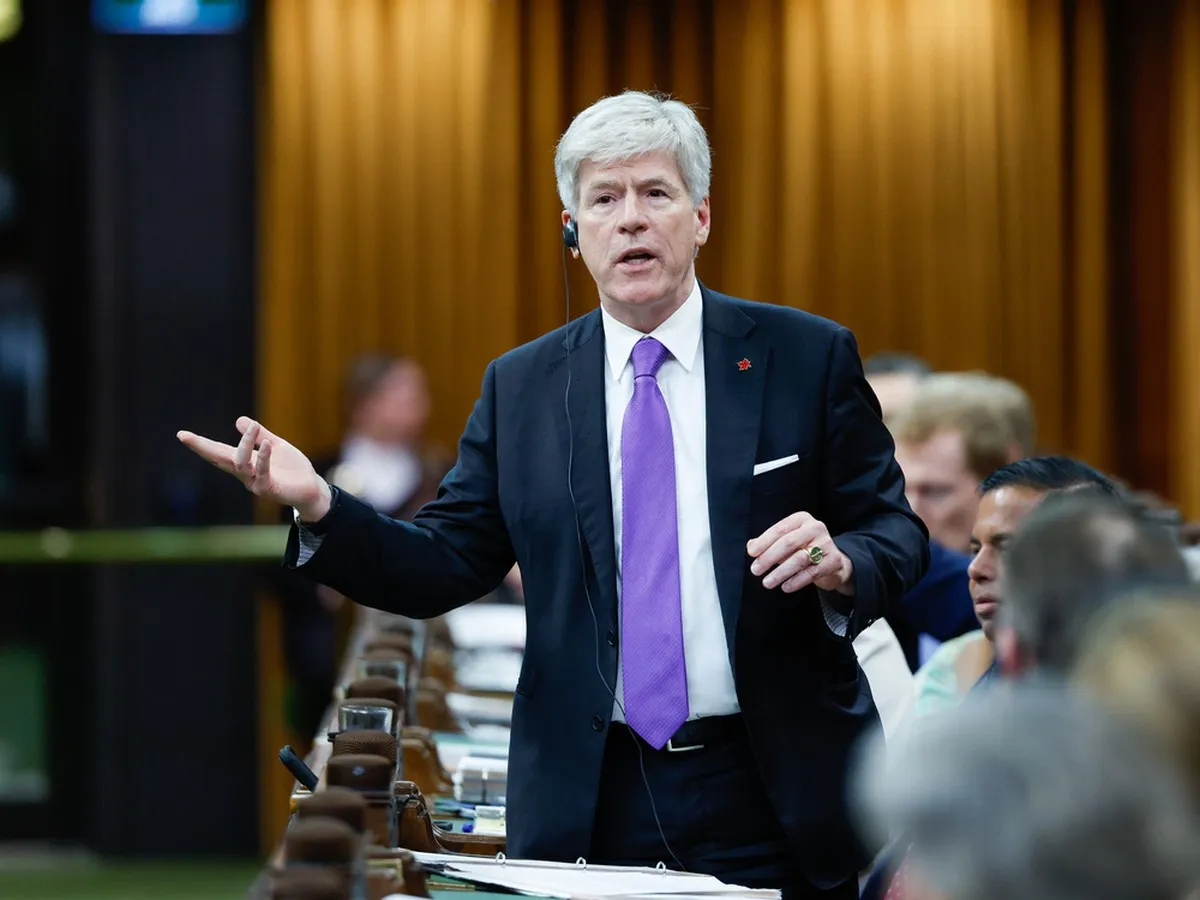
Skip to Content Subscribe Our Offers My Account Manage My Subscriptions FAQ Newsletters Canada Canadian True Crime Canadian Politics Health World Israel & Middle East Financial Post NP Comment Longreads Puzzmo Diversions Comics NP News Quiz New York Times Crossword Horoscopes Life Eating & Drinking Style Sponsored Play for Ontario Travel Travel Canada Travel USA Travel International Cruises Travel Essentials Culture Books Celebrity Movies Music Theatre Television Business Essentials Advice Lives Told Tails Told Shopping Buy Canadian Home Living Outdoor Living Kitchen & Dining Tech Style & Beauty Personal Care Entertainment & Hobbies Gift Guide Travel Guide Amazon Prime Day Deals Savings National Post Store More Sports Hockey Baseball Basketball Football Soccer Golf Tennis Driving Vehicle Research Reviews News Gear Guide Obituaries Place an Obituary Place an In Memoriam Classifieds Place an Ad Celebrations Working Business Ads Archives Healthing Epaper Manage Print Subscription Profile Settings My Subscriptions Saved Articles My Offers Newsletters Customer Service FAQ Newsletters Canada World Financial Post NP Comment Longreads Puzzmo Diversions Life Shopping Epaper Manage Print Subscription HomeNewsCanadaCanadian PoliticsFeds admit they haven't enacted any policies toward advancing promise to release 23.6 million barrels of oilCanada, which doesn't have a strategic oil reserve, appears to want to take credit for a production increase they weren't responsible for You can save this article by registering for free here. Or sign-in if you have an account.Minister of Energy and Natural Resources Tim Hodgson speaks during question period in the House of Commons on Parliament Hill in Ottawa on Thursday, June 18, 2026. Photo by HYUNGCHEOL PARK /PostmediaThe Liberal government has not enacted any policies toward releasing 23.6 million barrels of oil onto the global market, part of Ottawa’s promise earlier this year to partake in a strategic stockpile release among Western allies. Enjoy the latest local, national and international news.Exclusive articles by Conrad Black, Barbara Kay and others. Plus, special edition NP Platformed and First Reading newsletters and virtual events.Unlimited online access to National Post.National Post ePaper, an electronic replica of the print edition to view on any device, share and comment on.Daily puzzles including the New York Times Crossword.Support local journalism.Enjoy the latest local, national and international news.Exclusive articles by Conrad Black, Barbara Kay and others. Plus, special edition NP Platformed and First Reading newsletters and virtual events.Unlimited online access to National Post.National Post ePaper, an electronic replica of the print edition to view on any device, share and comment on.Daily puzzles including the New York Times Crossword.Support local journalism.Create an account or sign in to continue with your reading experience.Access articles from across Canada with one account.Share your thoughts and join the conversation in the comments.Enjoy additional articles per month.Get email updates from your favourite authors.Create an account or sign in to continue with your reading experience.Access articles from across Canada with one accountShare your thoughts and join the conversation in the commentsEnjoy additional articles per monthGet email updates from your favourite authorsSign In or Create an AccountorOn March 11, the Paris-based International Energy Agency (IEA) announced that 32 member countries had agreed to release 400 million barrels of oil — the largest stockpile release in history — in an effort to drive down skyrocketing energy prices following Iran’s seizure of the Strait of Hormuz. Two days later, Energy and Natural Resources Minister Tim Hodgson announced that Canada would add its own 23.6 million barrels to the mix. “We will support this collective action with 23.6 million Canadian barrels, produced by our industry and co-ordinated with the federal and provincial governments,” Hodgson said in a statement. “More world-class Canadian energy exported around the world will support global market supply, which should help alleviate price increases Canadians are feeling at the pump.”According to Hodgon’s response to an order paper question submitted by Conservative MP Michael Kram on behalf of Conservative MP Kelly McCauley, however, the government never introduced policies aimed at hitting that threshold. “The government is not using any legislative, regulatory or policy instruments to contribute to this collective action,” Hodgson said in response to Kram’s questions.Hodgon’s response reinforces the hollowness of Ottawa’s claim that it could partake in the IEA effort to begin with — a promise that was widely dismissed at the time given that Canada does not maintain its own strategic oil reserve. As an oil exporting nation, Canada is exempted from the IEA’s mandatory requirement to hold such a stockpile. As the only G7 nation without one, Canada therefore can’t release stored supplies into the market as part of any joint international effort to ease commodity prices.The IEA action came after the closure of the key oil trading corridor, which thrust global markets into the biggest supply shortage in history and sent oil prices surging to over US$100 per barrel. In its response to Kram’s questions, the natural resources ministry did not explain what specific role the Canadian government would or could play in contributing 23.6 million barrels. The department’s announcement of the plan was vague, saying only that the ramp-up in exports would be “co-ordinated with the federal and provincial governments.” Calgary Liberal MP Corey Hogan, in a March interview with CBC, also didn’t offer any specifics about how the government would actually drive up production, saying only that the feds were in talks with pipeline firms and the provinces.Canada’s oil output is decided by private-sector producers — companies that raise or lower their production based on a range of factors like commodity prices, pipeline availability and maintenance schedules. Those producers indeed ramped up their production in March 2026, shortly after the U.S.-Iran conflict caused oil prices to soar in late February. Canadian oil producers collectively produced 151.3 million barrels in March, according to Statistics Canada data, up sharply from 136.2 million barrels the month before. That production tapered off in April 2026, the latest month for which the agency has data, but the federal government expects output to continue to climb. The private-sector nature of the industry’s operations suggest Ottawa is seeking to take credit for a production increase that is occurring entirely outside of the public sphere. Rather than actually help boost production, “Canada’s commitment is based on a forecast of additional oil production,” Hodgson said in his response.“Between April and September 2026, it is forecasted that Canada will produce an additional 25.5 million barrels compared to the same period last year,” Hodgson said. “Canada will therefore be able to meet its commitment to produce a year over year increase of 23.6 million barrels in Quarter 2 and Quarter 3 of this year.” The IEA’s latest co-ordinated release of stockpiles was the fifth time the agency used such an action to suppress sky-high oil prices. The agency enacted similar releases to ease market shocks in 2022, 2011, 2005 and 1991.Order paper questions are written questions submitted to Parliament by MPs that are designed to generate more detail-oriented responses than oral questions do. A spokesperson for Hodgson responded to National Post’s request for comment with the statement sent in response to the order paper question. Our website is the place for the latest breaking news, exclusive scoops, longreads and provocative commentary. Please bookmark nationalpost.com and sign up for our politics newsletter, First Reading, here. Join the Conversation This website uses cookies to personalize your content (including ads), and allows us to analyze our traffic. Read more about cookies here. By continuing to use our site, you agree to our Terms of Use and Privacy Policy.
Feds admit they haven't enacted any policies toward advancing promise to release 23.6 million barrels of oil
Canada, which doesn't have a strategic oil reserve, appears to want to take credit for a production increase they weren't responsible for.
1,234 words~6 min read