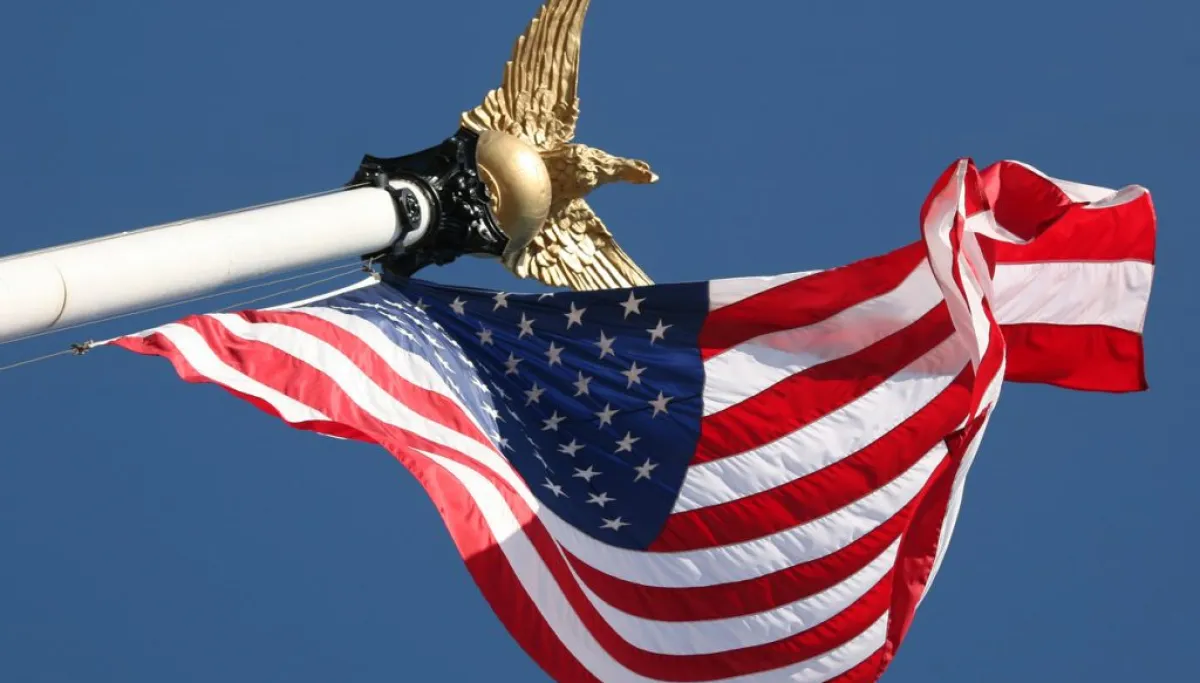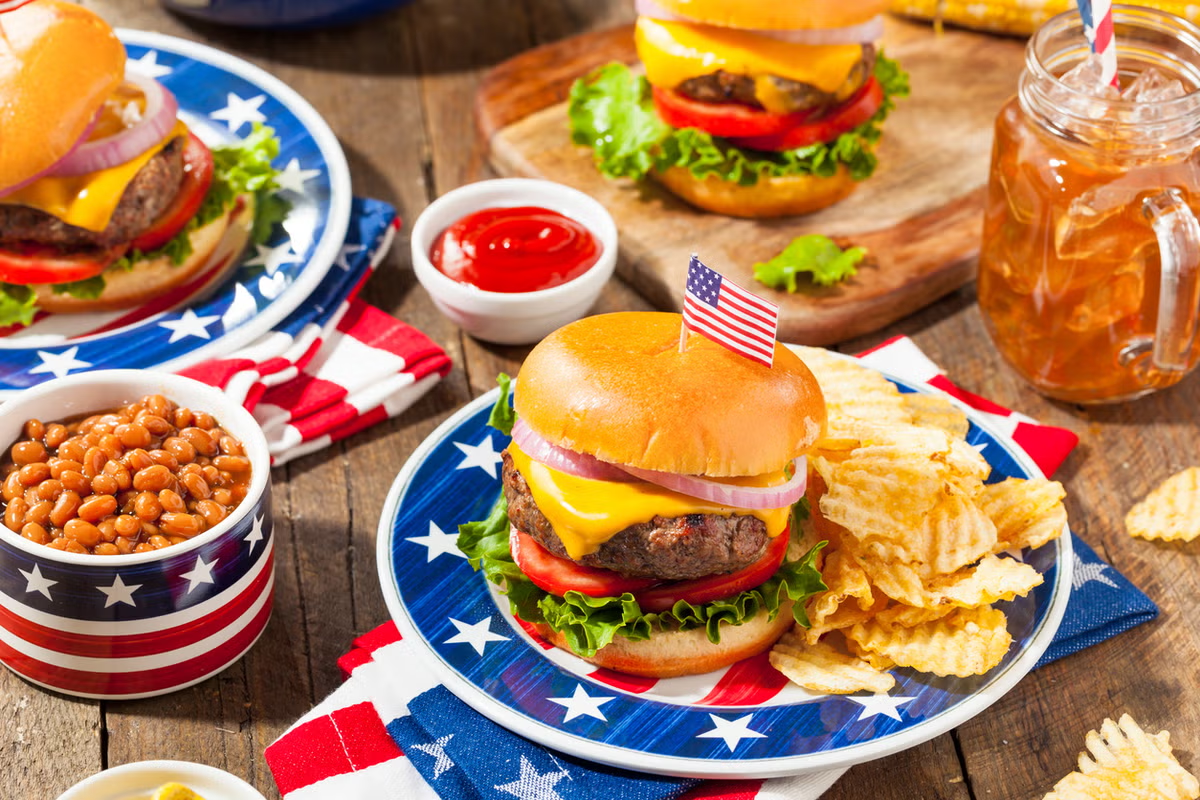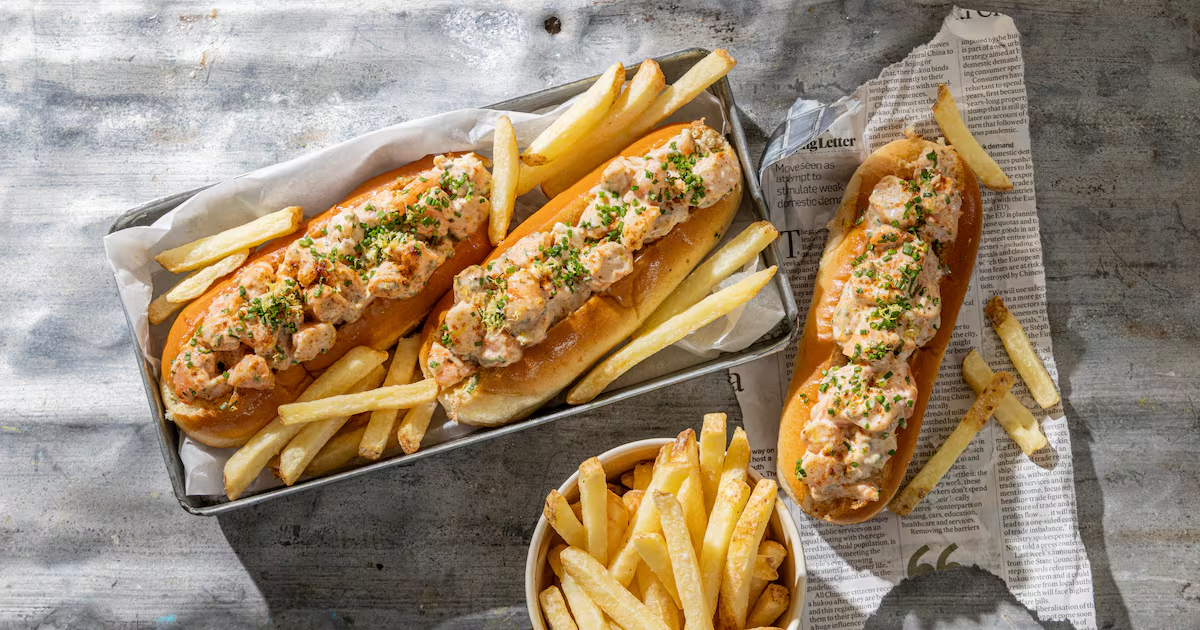
Today is the Fourth of July, the US’s annual celebration of itself. This is a country that has brought much to Ireland (special mention for J1s and multinationals) but food is rarely mentioned as one of them. Our image of American food is often dominated by oil, frying, mass-produced and heavily processed dishes, and the various chain restaurants that continue to appear. The reality is in fact, pretty different – you just have to go looking for it. I have been fortunate to travel extensively across the US with work through the years. The vast scale of the place, twinned with its reliance on generations of immigrants, has resulted in a melting pot of flavours, dishes and cultural references in every state. From Texas barbecue to Charleston benne wafers (sesame cookies), Louisiana jambalaya and New England clam chowder, the repertoire is huge. This week, we are going to bookend the east coast, starting with a Maine lobster roll and then travelling the almost 3,000km to the Florida Keys for that state’s famous Key lime pie to finish. The lobster roll is synonymous with the northeast, the states originally settled in by the British in the early 1600s. The coast remains an important centre of aquaculture to this day, with the lobster roll its calling card. The dish became popular in the early 1920s, when it was traditionally a snack for fishermen. Leftover claw meat from a “boil” would be mixed with mayonnaise and celery and eaten in a bread roll. It sounds unlikely now, but lobster meat was seen as working class or peasant food until its popularity spread in the 1930s, driving up the price. Nowadays, like many great peasant dishes, it’s a delicacy. I’ve served it simply here, seasoned with Tabasco and Old Bay seasoning (two great American ingredients). It’s bound with mayonnaise, then finished with a splash of cognac and cut with lemon juice. The quality of the brioche bun is key here. It should be light in texture yet still rich with buttery goodness and glazed on top. A handful of skinny chips from the air fryer and you’ve a dinner worth celebrating.Mark Moriarty's key lime pie, which requires no baking. Photograph: Harry Weir Key lime pie is a neat next step – a brilliant dessert that requires no cooking. (So I don’t want to hear anybody saying they can’t cook.) The structure of the dessert is solidified by the chemical reaction of lime juice and condensed milk, which sets in the fridge so you don’t have to stress. The origins are disputed but it likely originated in the tropical regions of south Florida, where the extreme heat and island landscape meant dairy was in short supply. Thus, condensed, tinned milk became the reliable source; mixed with the abundant key limes in the area, the dessert was formed. I make it similar to a cheesecake, using the soaked digestive biscuits as a base. The mix is then poured in liquid form on top, when, like anybody who has ever made this, you’ll say to yourself: “Surely that’s a mistake; that won’t set.” Don’t worry – it will. The next day you’ll be left with a simple dessert fit for a royal family, or a country famous for not wanting one.Recipe: Main lobster rollRecipe: Key lime pie
Mark Moriarty: Two brilliant ways to bring the best of the US into your kitchen
Celebrate the Fourth of July with these two eminently simple dishes, including a no-bake dessert
550 words~3 min read