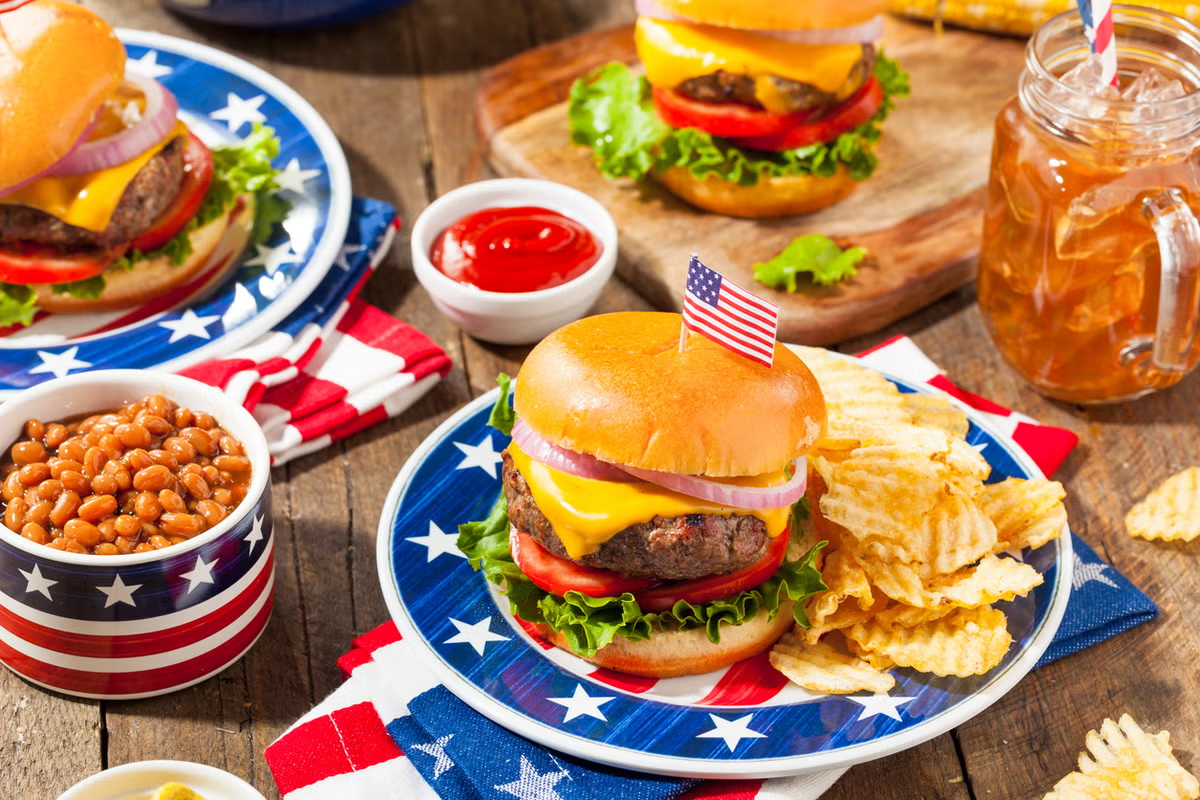
As Americans gather to celebrate Independence Day and the country’s 250th birthday, millions of families will gather around backyard grills, picnic tables, and kitchen tables to share meals they assume were grown and produced right here in the United States. But many of the canned fruits and vegetables on grocery store shelves actually come from overseas, including countries such as China, and most consumers have no easy way of knowing.That should concern every American family.As moms, we work hard to make informed choices about the food we put on our tables. We read nutrition labels, compare ingredients, and, following the leadership of HHS Secretary Robert F. Kennedy Jr. and Agriculture Secretary Brooke Rollins, are paying even closer attention to feeding our children more “real food.” We want to know what we’re serving our families and where it comes from.
Unfortunately, when it comes to canned foods, that information is often confusing, inconsistent, or difficult to find.As we celebrate 250 years of American independence, Congress has an opportunity to strengthen both consumer transparency and American agriculture by passing the American Consumer Awareness of National Source Act, or the American CANS Act, and expanding buy-American requirements for taxpayer-funded food programs.Few traditions are more American than gathering with family and friends over a meal on the Fourth of July. From baked beans and sweet corn to peaches and fruit salad, many of the foods we enjoy each summer are made possible by hardworking American farmers and food producers. Yet that tradition is increasingly being challenged as imported canned foods continue to gain market share.Many Americans assume, often mistakenly, that the canned fruits and vegetables they buy were grown and packed in the United States. In reality, imported canned foods have steadily gained ground in recent years. Meanwhile, American farmers and food manufacturers continue to produce some of the safest, highest-quality food in the world while competing with foreign producers operating under different standards, lower labor costs, and government support.This trend should concern anyone who values American agriculture, American jobs, and American food security.It’s especially frustrating because some policies intended to strengthen American manufacturing may be producing unintended consequences for American food producers.The tariffs on tinplate steel used to manufacture food cans were designed to support domestic steel production. Yet for many American food companies, those tariffs have increased the cost of producing canned foods here at home.At the same time, foreign competitors benefiting from lower labor costs, fewer regulations, and government subsidies often face lower tariffs on their finished products than American companies pay for the materials needed to package their food.The result is that imported canned foods frequently cost less than products made by American companies using American-grown ingredients. Moms should never have to choose between affordability and putting American-made food on the table.Congress can help address this problem.The American CANS Act is a common-sense, bipartisan proposal that would make country-of-origin information for canned foods easier for consumers to find and understand. It doesn’t tell families what to buy. It simply gives them the information they deserve to make informed decisions.Americans should know whether the canned peaches they’re serving their children came from Georgia or China. They should know whether the vegetables in their pantry, or in the schools their children attend, were grown by American farmers or imported from overseas.At the same time, lawmakers should expand buy-American requirements for canned foods purchased with taxpayer dollars. Families may choose what goes into their own shopping carts, but children eating school lunches, military families shopping at commissaries, and service members dining on base often don’t have that choice.Whenever possible, American-grown and American-produced foods should be the preferred option for school meal programs, military commissaries, military dining facilities, and other federal nutrition programs.These purchases support American farmers, American food processors, and American manufacturing workers while helping maintain a secure and resilient domestic food supply. Our taxpayer dollars should not be used to subsidize foreign competitors trying to undercut patriotic American farmers and companies on price.DOJ SUES EGG PRODUCER OVER ‘MANIPULATED’ PRICESAt a time when global supply chains remain vulnerable and geopolitical tensions continue to rise, maintaining a strong domestic food production base isn’t simply an economic issue; it’s a matter of national security.As America celebrates its 250th year, let’s commemorate our independence not only with fireworks and parades but by strengthening the farmers, workers, and food producers who help feed our nation every day. American families deserve to know where their food comes from, and whenever possible, American food should have a place on American tables.Debbie Kraulidis is vice president of Moms for America and Moms for America Action.