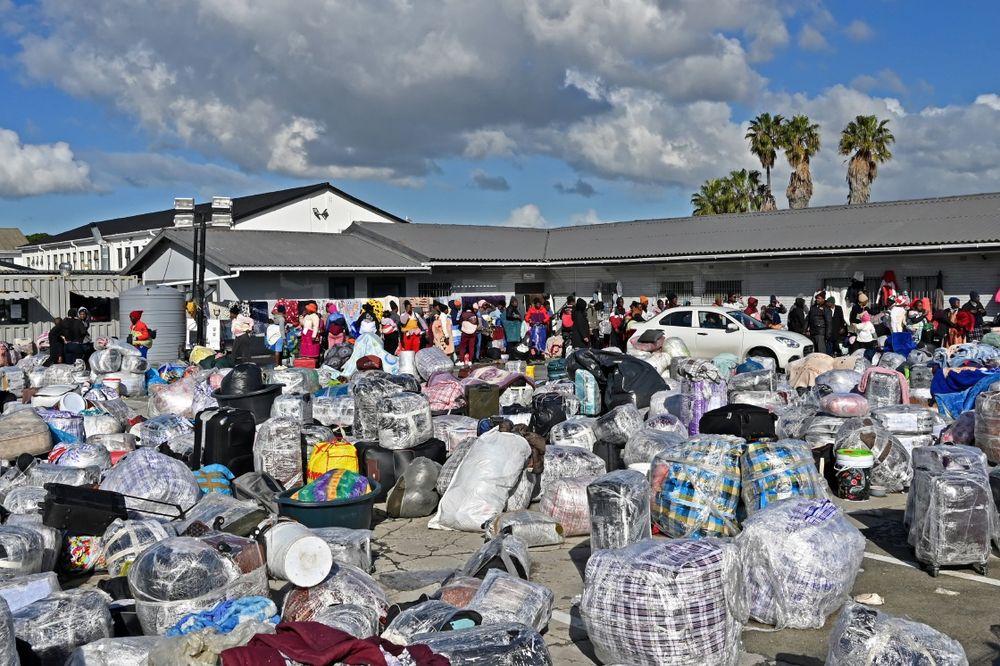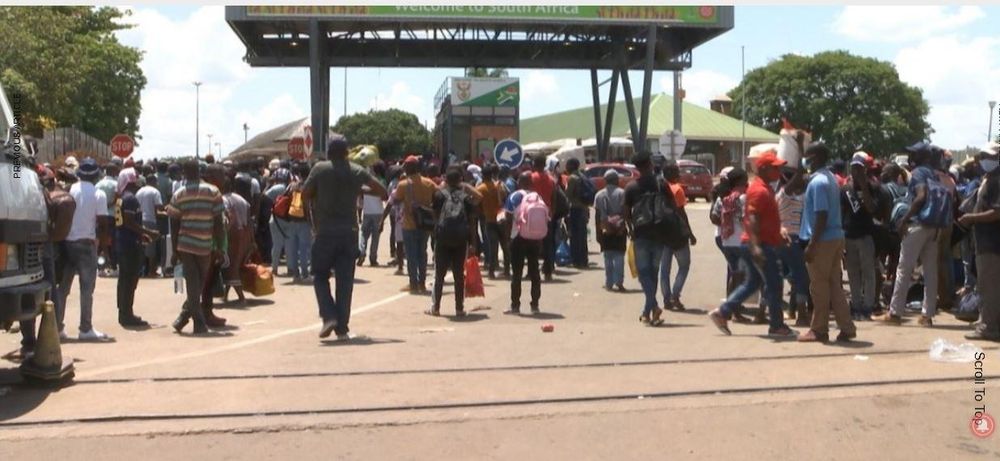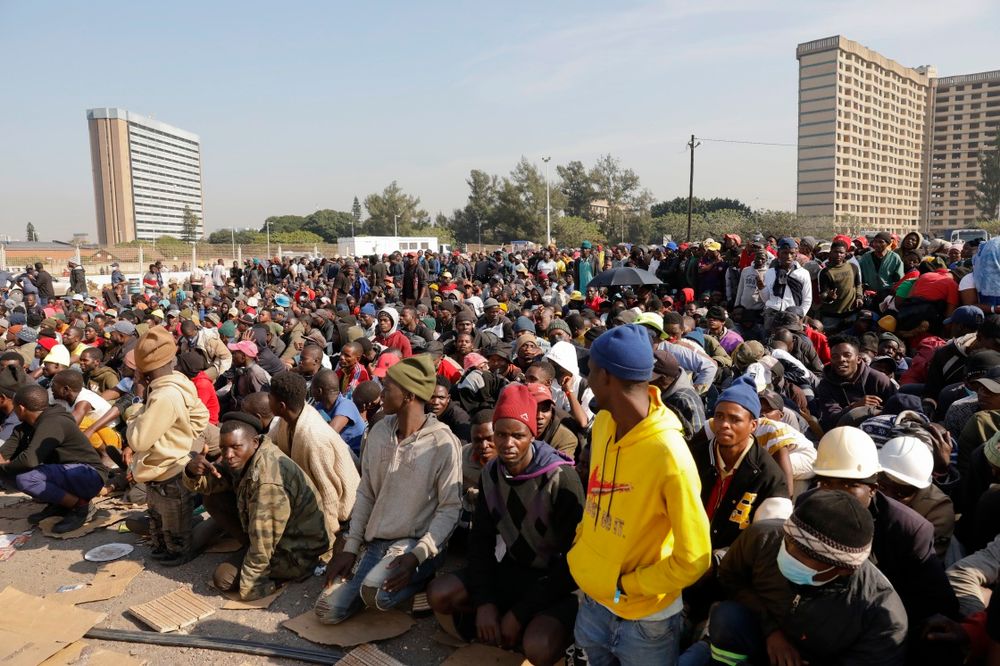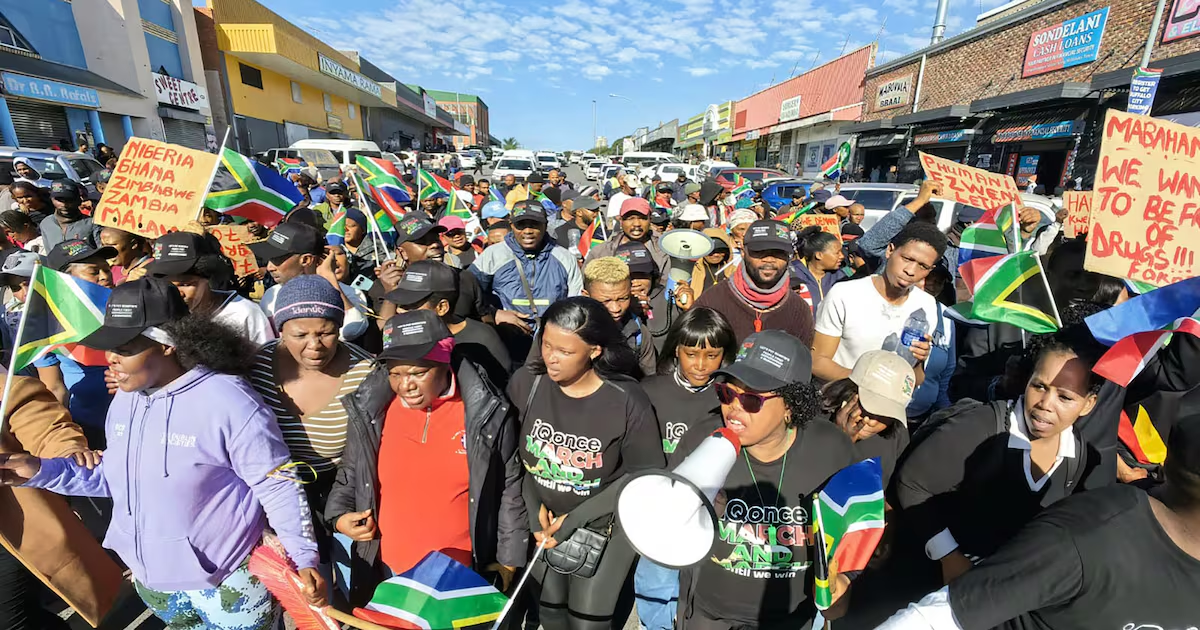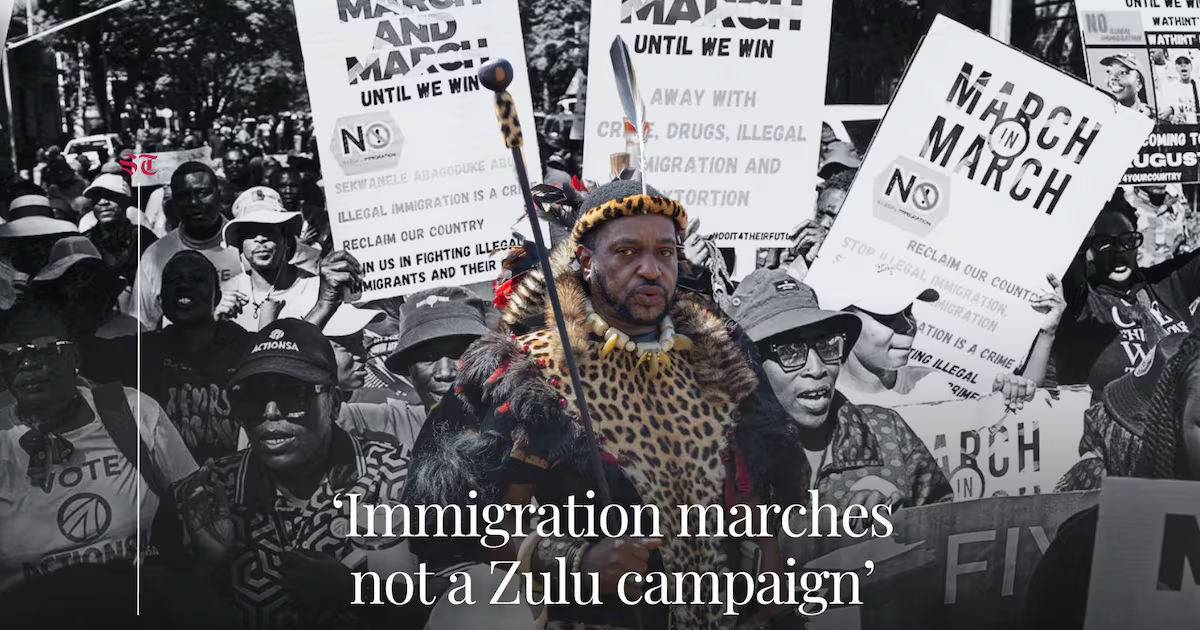
The ideological glue meant to hold this society together has weakened. South Africa’s postapartheid nation-building project rested on a founding promise, captured in the Freedom Charter and carried into the constitution, that this country belongs to all who live in it. That principle was never purely sentimental. It was a practical argument that a multiracial, multilingual, economically unequal society could only hold together if every resident had a stake in its success.Failure in that project has seen the disenfranchised being wooed into supporting extreme forms of nationalism. Entirely separate from the positive aspects of patriotism, nationalism is a dangerously malleable ideal that can be retrofitted to any number of agendas.Thirty-two years into democracy, the inclusive argument is harder to make. It is difficult to sell shared belonging to a person who is unemployed, whose children attend a crumbling school and whose municipality has not delivered clean water in months. When the economy does not grow, the nation-building project does not either.The unlawful June 30 deadline set by anti-immigrant groups in South Africa has come and gone and now the real work should begin. Anti-immigrant sentiment in South Africa does not emerge from nowhere. It is manufactured from the wreckage of state failure and the poor are the ones who absorb the impact.When the government cannot deliver jobs, functioning hospitals or reliable electricity, the competition for what little exists becomes fierce and, eventually, violent. Immigrants become the visible target because the actual cause of scarcity, a state that has steadily lost the capacity to govern, is harder to name and harder to confront.This is the context in which groups mobilising against immigrants have found an audience. They are not creating grievance but rather harvesting it.The government of national unity formed after last year’s election is imperfect and transactional. But it is also evidence that South Africans, when forced to choose, still reach for co-operation over rupture. The constitutional order holds. The courts remain independent.What is required now is a reorientation of what nation-building actually means in this decade. Reconciliation and shared identity remain necessary. They are not enough on their own. South Africa’s challenges are structural and regional and they require structural and regional responses.People from Zimbabwe, Mozambique, Lesotho and further afield continue to arrive, driven by the collapse of economic opportunity at home. The political response here has moved between indifference and hostility, occasionally becoming violence.Stats SA’s February 2026 migration report provides the numbers this debate has long lacked. The immigrant population grew from 2.1% of the total population in 1996 to 3.9% in 2022, reaching 2.4-million people. The majority come from within the Southern African Development Community (Sadc) region. This is not an invasion of distant strangers but rather points to the movement of neighbours within a shared economic geography that has no shared economic policy to match.The question is not how to stop migration. It is how to manage it within an ethical economic framework that conforms with international law. South Africa has the most industrialised economy on the continent. Its neighbours have young populations, natural resources and growing consumer markets. A functioning regional integration agenda built on Sadc frameworks presently largely exists only on paper. But it has the potential to create conditions for managed labour mobility that benefits both sending and receiving countries. Bilateral skills agreements, regional infrastructure investment, and co-ordinated industrial policy are not idealistic.Exploring sensible economic measures is far more alluring than the alternative: more of the embittered finger-pointing that has put the country on a trajectory to becoming Africa’s pariah state.
EDITORIAL | SA needs a structural response to immigration
Exploring sensible economic measures is far more alluring than the alternative
588 words~3 min read