Story audio is generated using AI
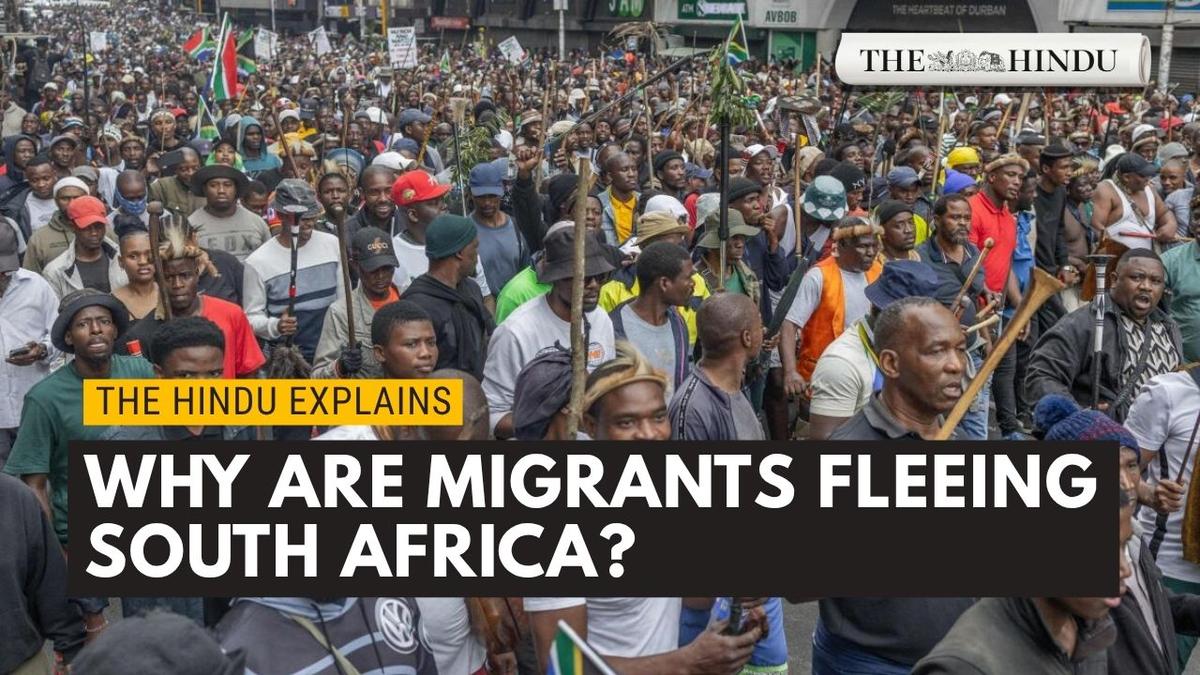
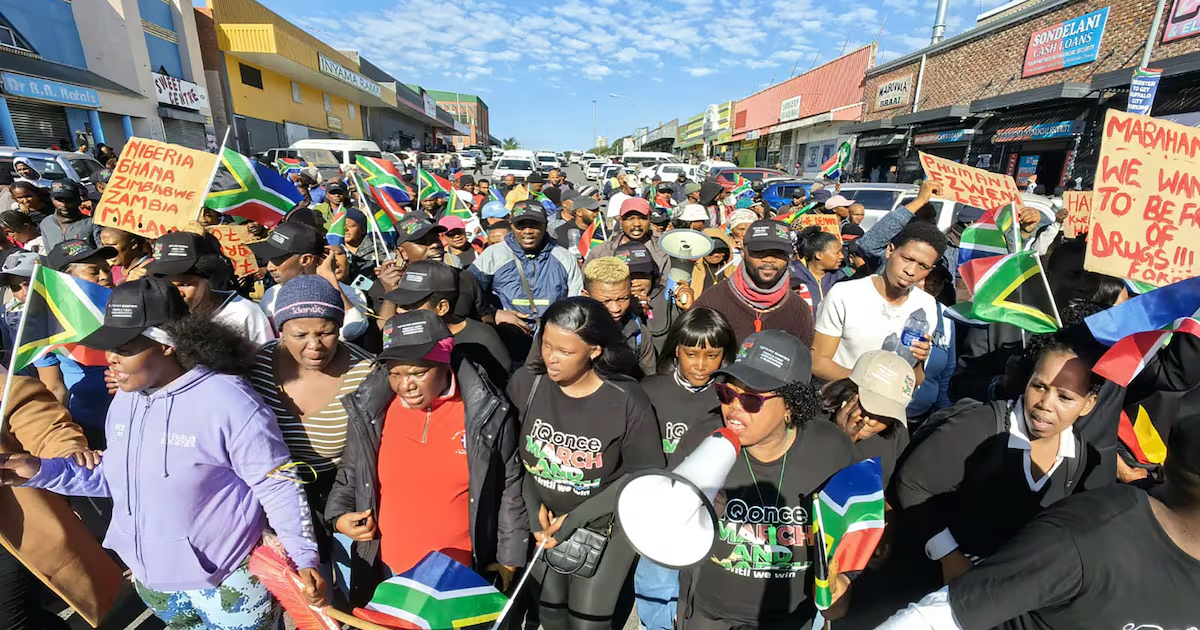
The past few months of anti-immigrant (with “illegal” added as an afterthought adjective) actions are the latest expression of a political tendency across party lines, ideological identities and class positions. It is a tendency that consistently offers the politics of resentment and exclusion as a substitute for the harder, slower work of nation-building. During the anti-apartheid struggle, the ANC was always at pains to explain that the white man or woman was not our enemy but that it was the dastardly apartheid system that had to be overthrown. Oliver Tambo and Chris Hani ― one very Christian, the other very communist ― both articulated this principled position. It was probably the most critical element in ensuring the relatively peaceful transition to our democratic dispensation. The movement’s ability, under conditions of extreme provocation and suffering, to insist on a distinction between people and systems, between the individual and the structural, between the target of resentment and the cause of oppression, was what made a political settlement possible.However, by the 2024 elections, South Africa saw the proliferation of ethnic and race-based resentment politics across the entire political spectrum: the MK party tapping into grievances about “Zulu exclusion” from ANC structures, the ACDP focusing on conservative Christian identities, Al Jama-ah promoting a soft Islamist agenda, and the Patriotic Alliance mobilising what Helen Zille, with characteristic lack of self-awareness given her own party’s history, called “a kind of ethnic identity vote”. In the Indian community, communal parties are exploiting fear and resentment, talking of vulnerability to pogroms or economic exclusion. This cross-cutting proliferation of identity-based resentment is the political ecosystem in which Operation Dudula and March and March have flourished. Scholars have theorised this dynamic under several headings. Nigerian academic Oludele Solaja calls it “survival populism”, which arises when citizenship loses its material content due to economic insecurity. Political solidarities form against the most immediate recognisable target, such as the foreign national who competes in the same informal economy, lives in the same overcrowded settlements and is less politically protected than the citizen who resents them. Similarly important is Wits-based Achille Mbembe’s “necropolitics”, in which the democratic state, which hasn’t delivered to its own citizens, renders the outsider’s body expendable, exposed to the informal violence of communities whose own expendability has not been seriously addressed.The ideological foundation of Operation Dudula, a populist and nationalist discourse that frames foreign African migrants as the source of South Africa’s socioeconomic challenges, functions because it offers a simple, visible, actionable explanation for complex structural failure.Operation Dudula’s registration as a formal political party contesting the 2026 municipal elections represents the decisive step in this development. It means the issue will not subside with the passing of the symbolic June 30 deadline. Whether their promise to demonstrate every Thursday will be realised, the registration raises the familiar spectre of a fringe movement slowly becoming mainstream.An ethical and capable leadership focused on delivery and not looting from the state is urgently required.President Cyril Ramaphosa’s dual acknowledgement and condemnation, accepting that “deep concerns about illegal immigration are real” while warning that protest “does not allow people to threaten or intimidate others”, is the correct posture in principle. But more than before, we need leaders who commit to rebuilding organisational and civic infrastructure such as the local civil service, an effective justice system, and a developmental state with real capacity. An ethical and capable leadership focused on delivery and not looting from the state is urgently required.Leaders must be committed to building and sustaining coalitions across ideological and identity differences without sacrificing policy coherence. Leaders should embrace economic heterodoxy with political courage and ideological honesty about race and class so that all who live here feel they are part of this huge project to build South Africa.Leadership works at various levels: national political leadership capable of managing the government of national unity without losing transformative ambition; technocratic leadership in the state capable of implementation, and social movement and civic leadership capable of holding both to account from outside. None of these can substitute for the others, and the absence of any one of them makes the whole system more vulnerable to the politics of resentment filling the vacuum.• Abba Omar is director operations at the Mapungubwe Institute (Mistra).