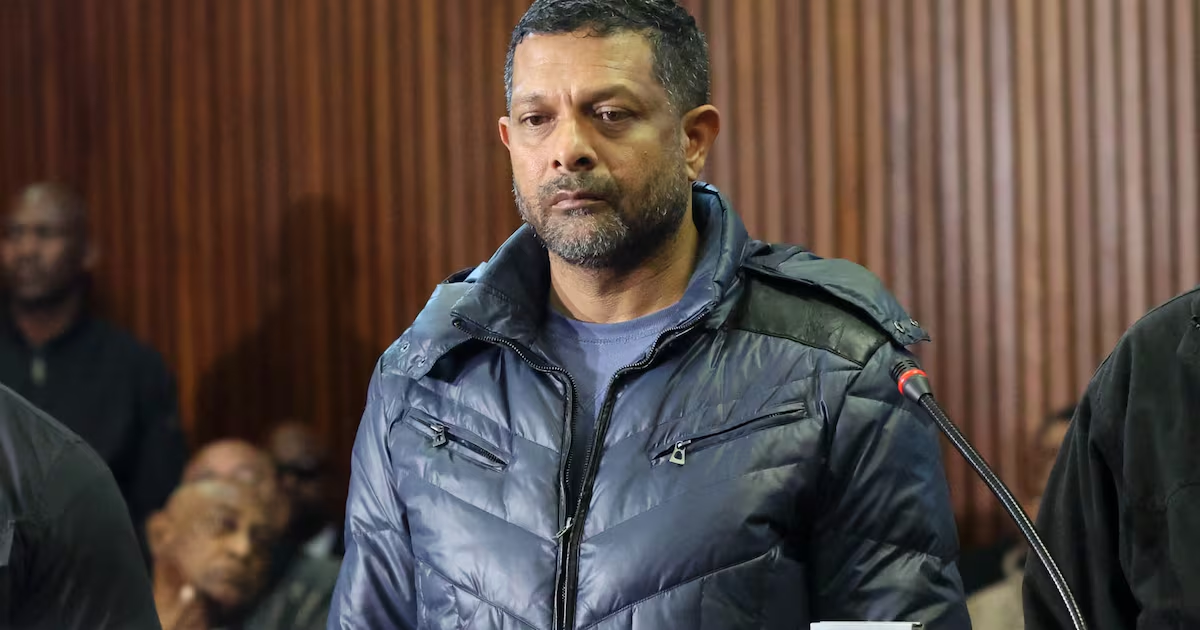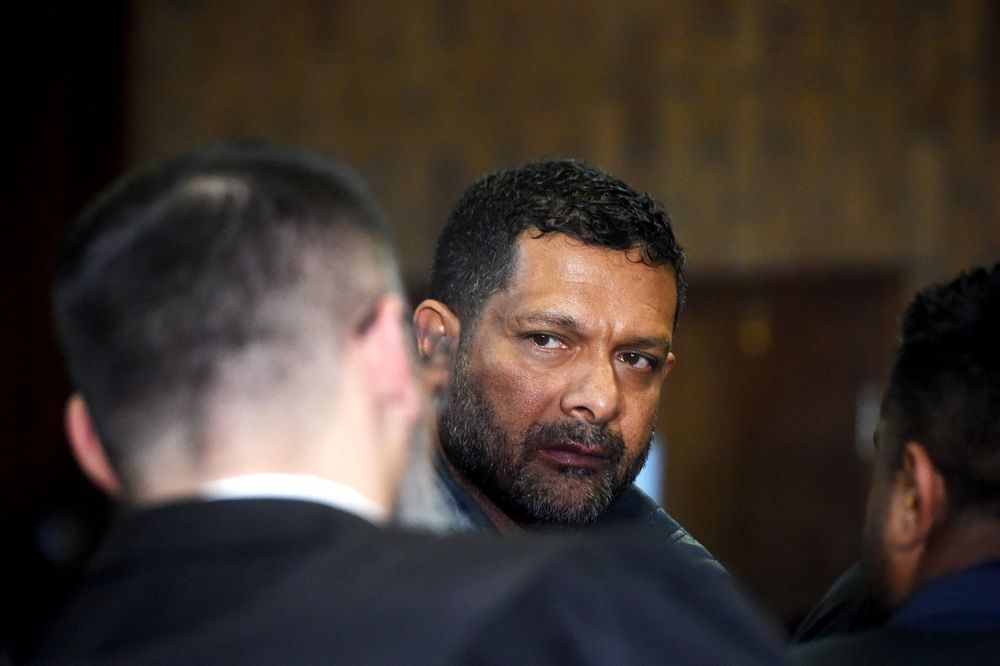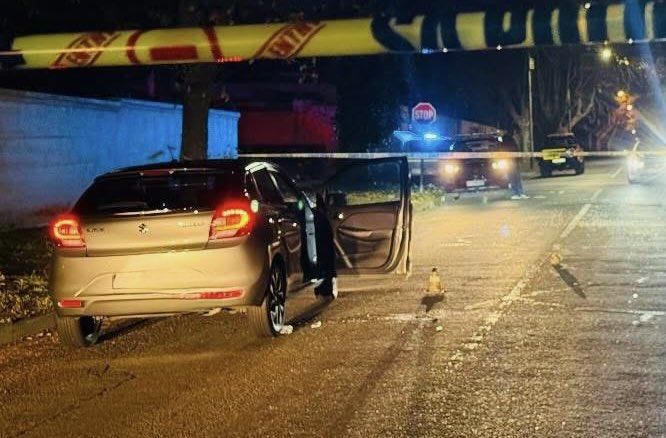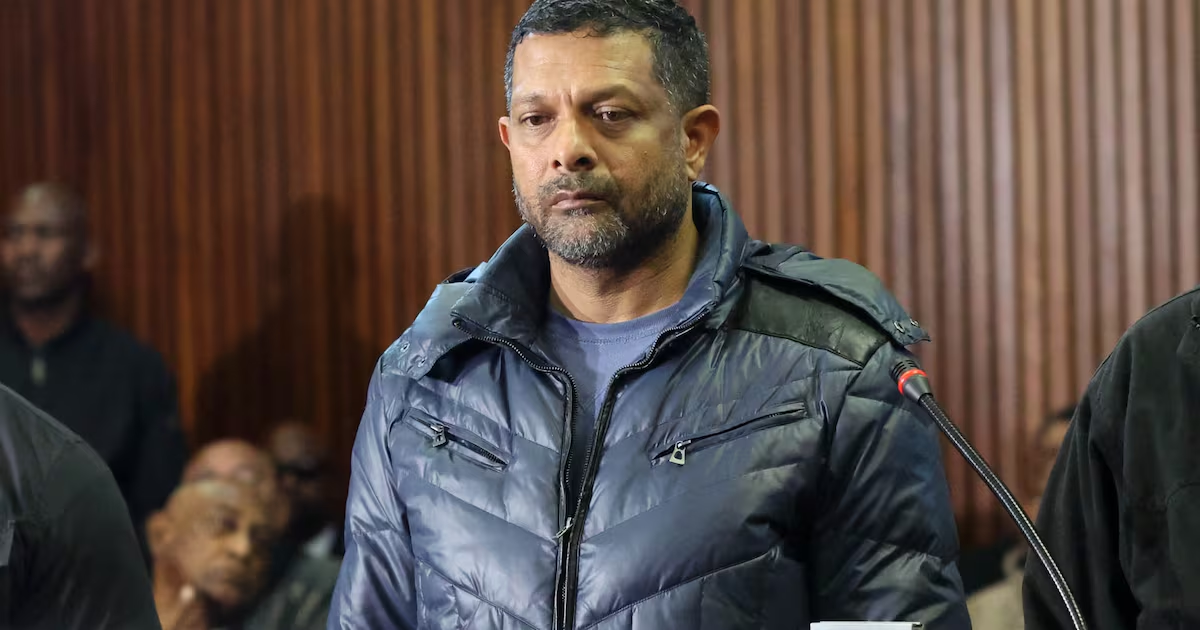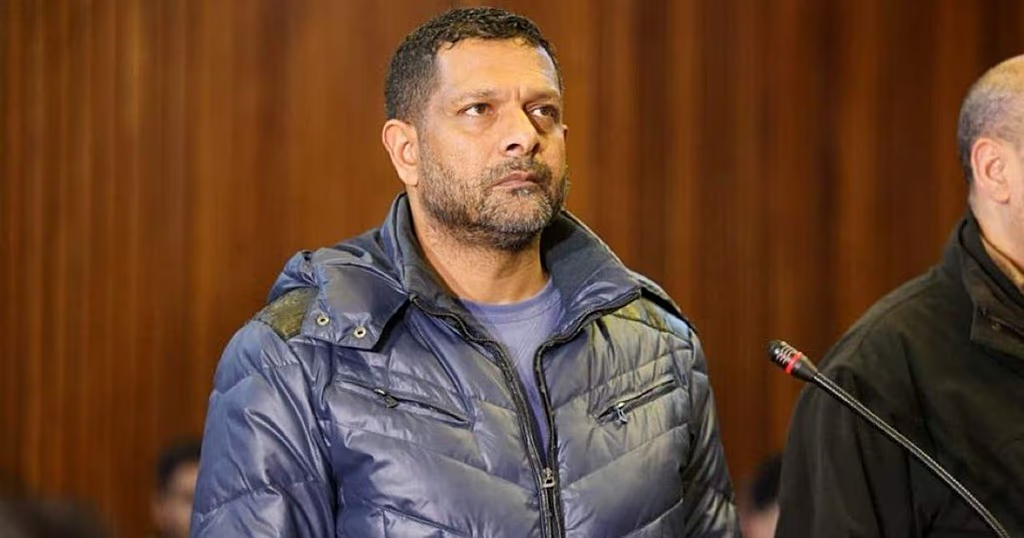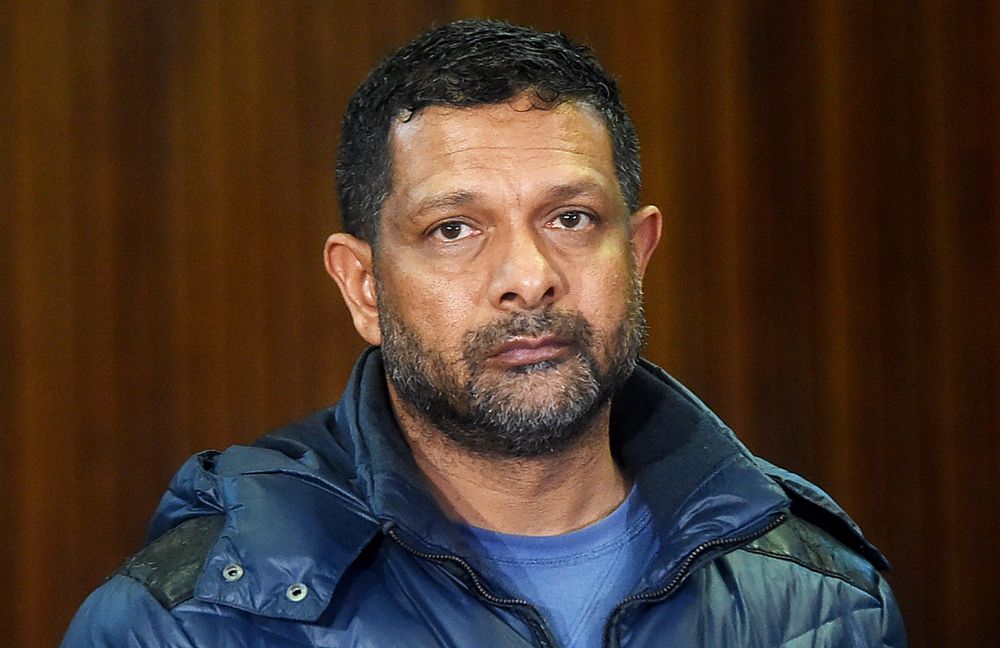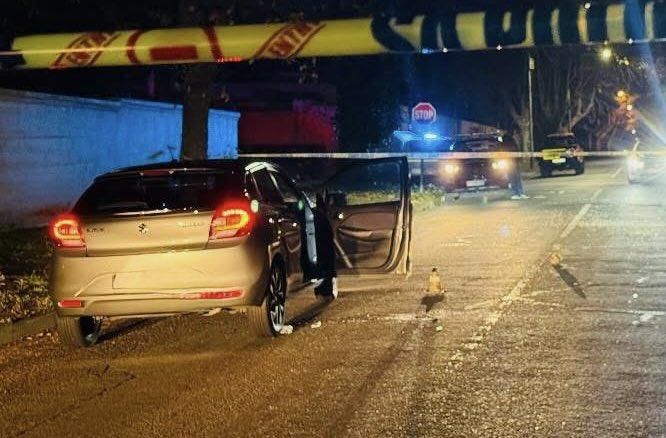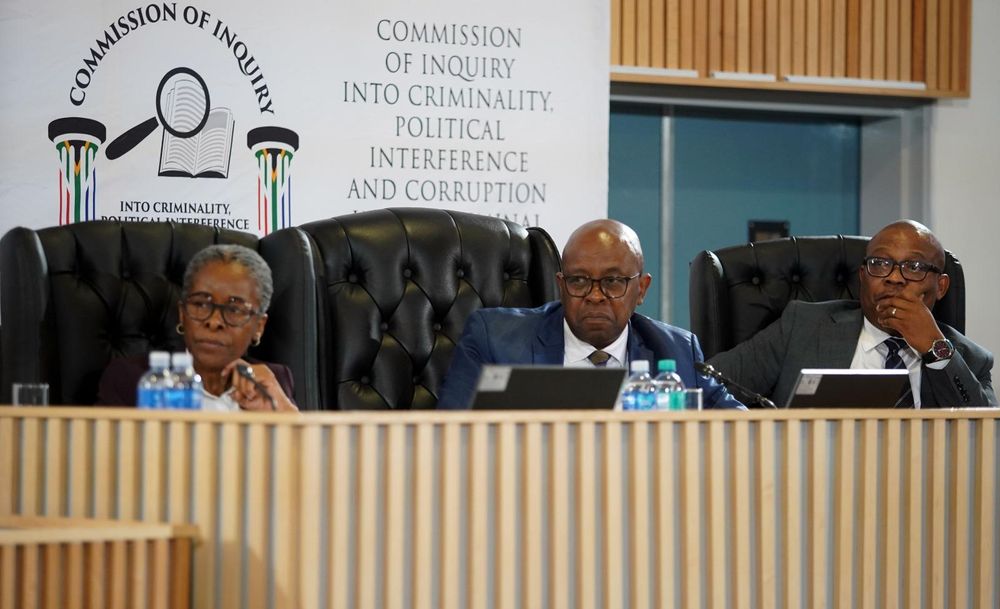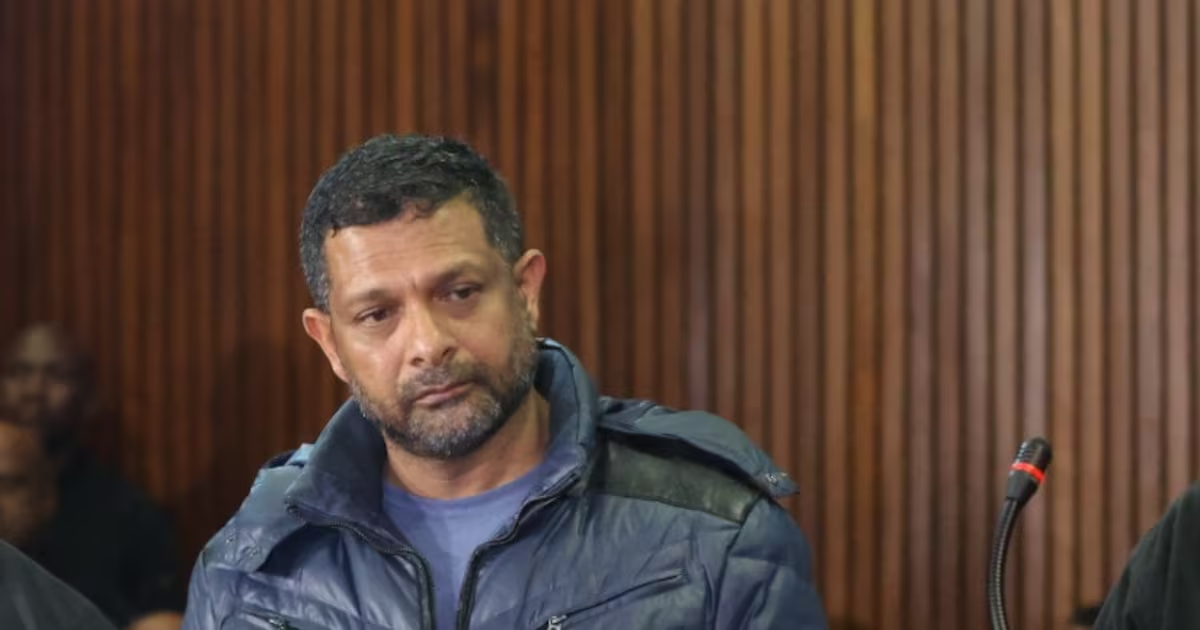
It’s probably pointless to speculate at this stage on the reasons and motives behind the shooting of Maj-Gen Feroz Khan; but it is not too early to express concern about what is emerging as a disturbing pattern.While reasons are unknown, it is clear that Khan, a senior member of crime intelligence in the South African Police Service, is a high-value target. He is known to be fighting for his life in a Johannesburg hospital after being shot at twice on Sunday night. This incident took place two days before Khan was due to testify at the Madlanga commission of inquiry into allegations of criminal infiltration of the criminal justice system — the result of an explosive briefing by Lt-Gen Nhlanhla Mkhwanazi, the KwaZulu-Natal police commissioner, on July 6 2025.Ordinarily, the approach ought to have been that the police need to get into the root cause of the shooting. But this would be amiss given the fact that the police are at the front and centre of the commission’s work. During a hearing of a failed application for unspecified parts of Khan’s testimony to be heard in camera, it emerged that persons purporting to be police acting on a commission’s “directive” found themselves at the facility where Khan is hospitalised.The commission’s chair, former Constitutional Court deputy chief justice Mbuyiseli Madlanga, has strenuously denied knowledge of this so-called directive. Which then begs another troubling question: who were these “imposters”?The picture gets even murkier. Apparently, various “divisions” of the police service found their way to the health facility where Khan is hospitalised. How?The commission is understandably testy at insinuations that leaks might have emanated from its ranks. To this effect, it has issued a stern warning to Khan’s lawyers to be circumspect about remarks that might adversely affect the commission’s work.It can control what is in its control, such as the conduct of legal practitioners. It cannot, however, do thought control, including the speculations and conclusions of what the public believes and perceives.This week, for example, Vusi Shongwe, an official opposition politician, implicated Khan in various serious allegations. These include financial inducement for the police officer to look the other way if the politician stopped probing. Consequently, Shongwe claims, Khan escaped scrutiny from the ad hoc committee probing the same allegations as the Madlanga commission at the behest of another party.It will be hard for the public to ignore possible links. While the commission works on higher tests, the public’s test is lower and instantaneous.Khan deserves to be heard with his version. That is not at issue. What is at issue is his safety. Justice will not have been served — or seen to have been served — if he doesn’t show up. As this newspaper has argued before, South Africans cannot ignore what is emerging as a pattern. Prior or after appearing before the commission, witnesses’ lives are endangered or taken. One is in prison for allegedly staging an assassination hit on himself. Another committed suicide.With its limited life span, the commission has an interest, but most probably no means, to ensure its witnesses will be safe before, during, and after their appearances. That responsibility lies with the justice & constitutional development department. That department’s bungles delayed the start of the commission’s work. Consequence management kicked in.Now, South Africa has a crucial witness unconscious. The department has to ensure he survives to tell his side of the story, safely.
EDITORIAL | A dangerous place to be a witness
Maj-Gen Feroz Khan was shot ahead of testifying at the Madlanga commission
567 words~3 min read