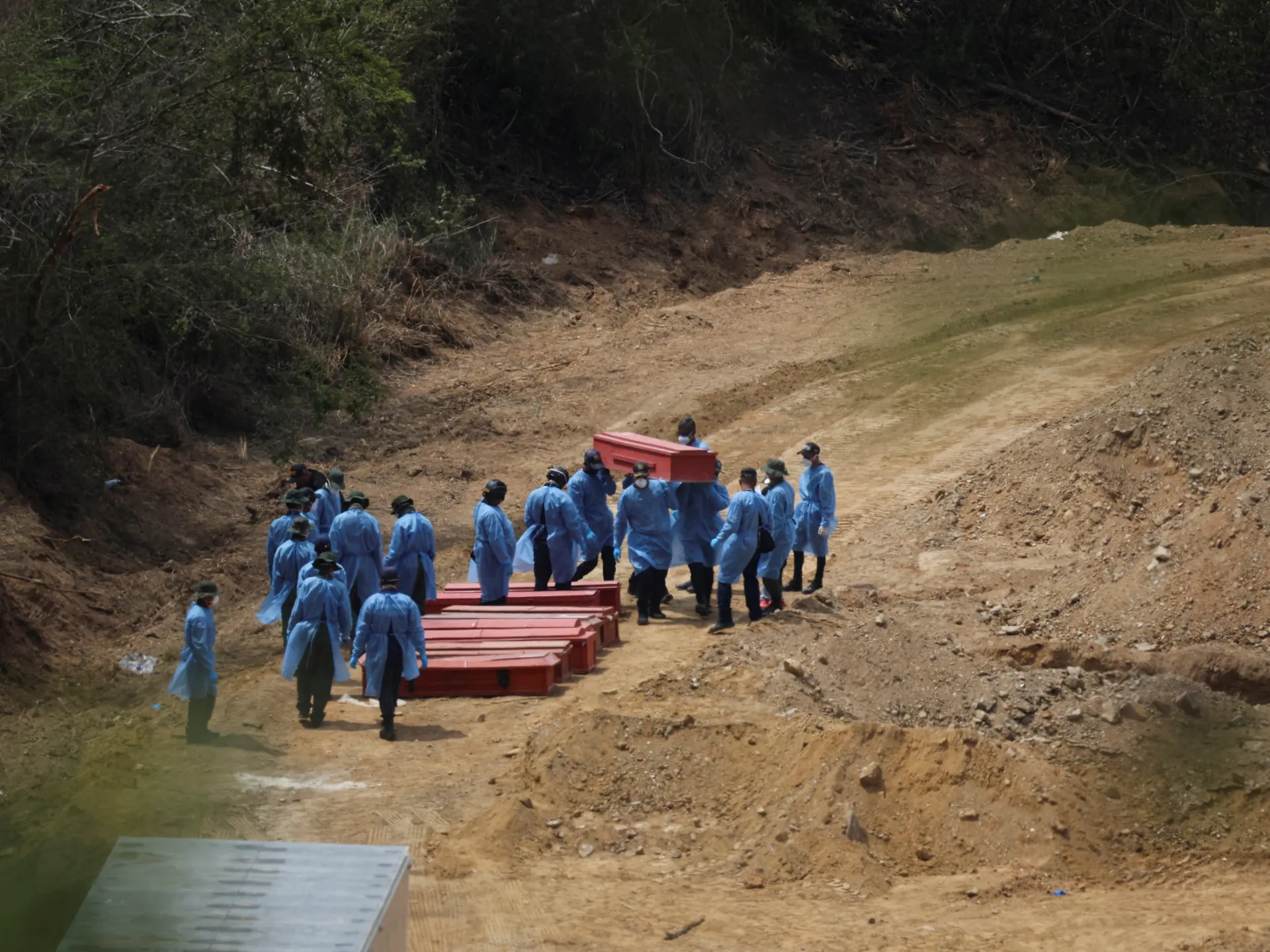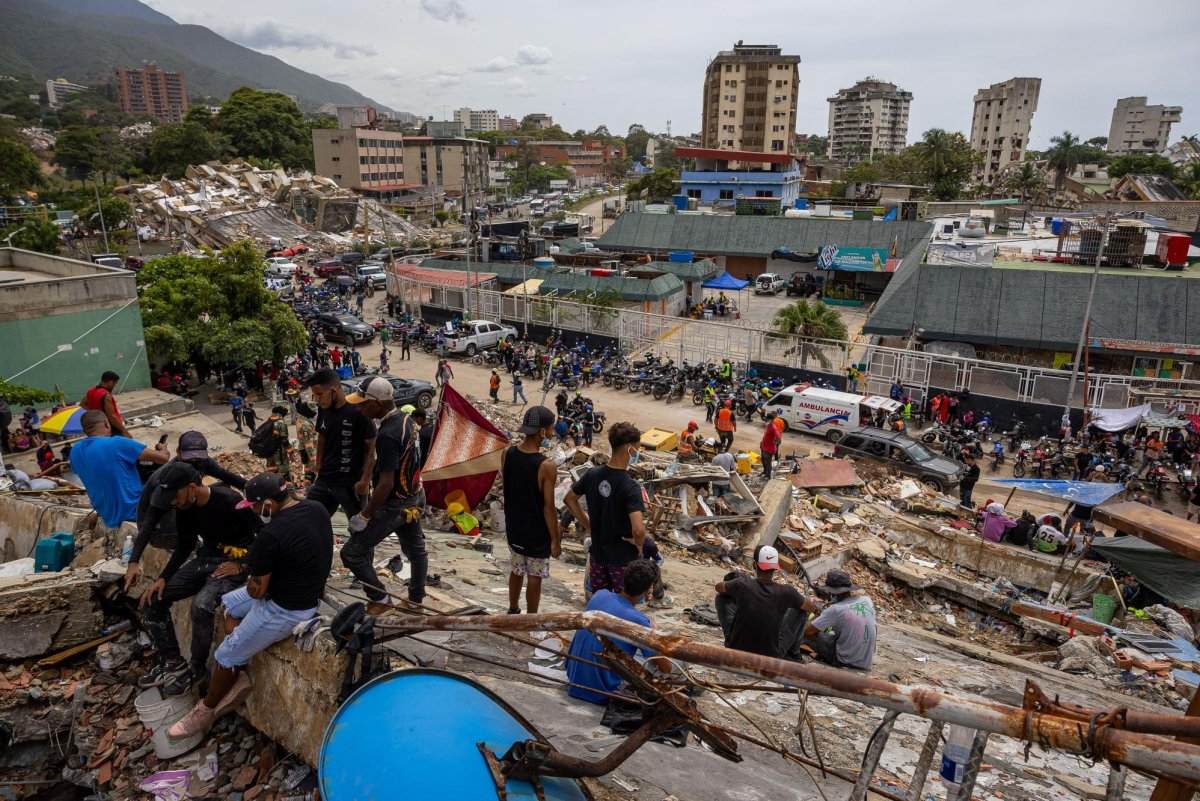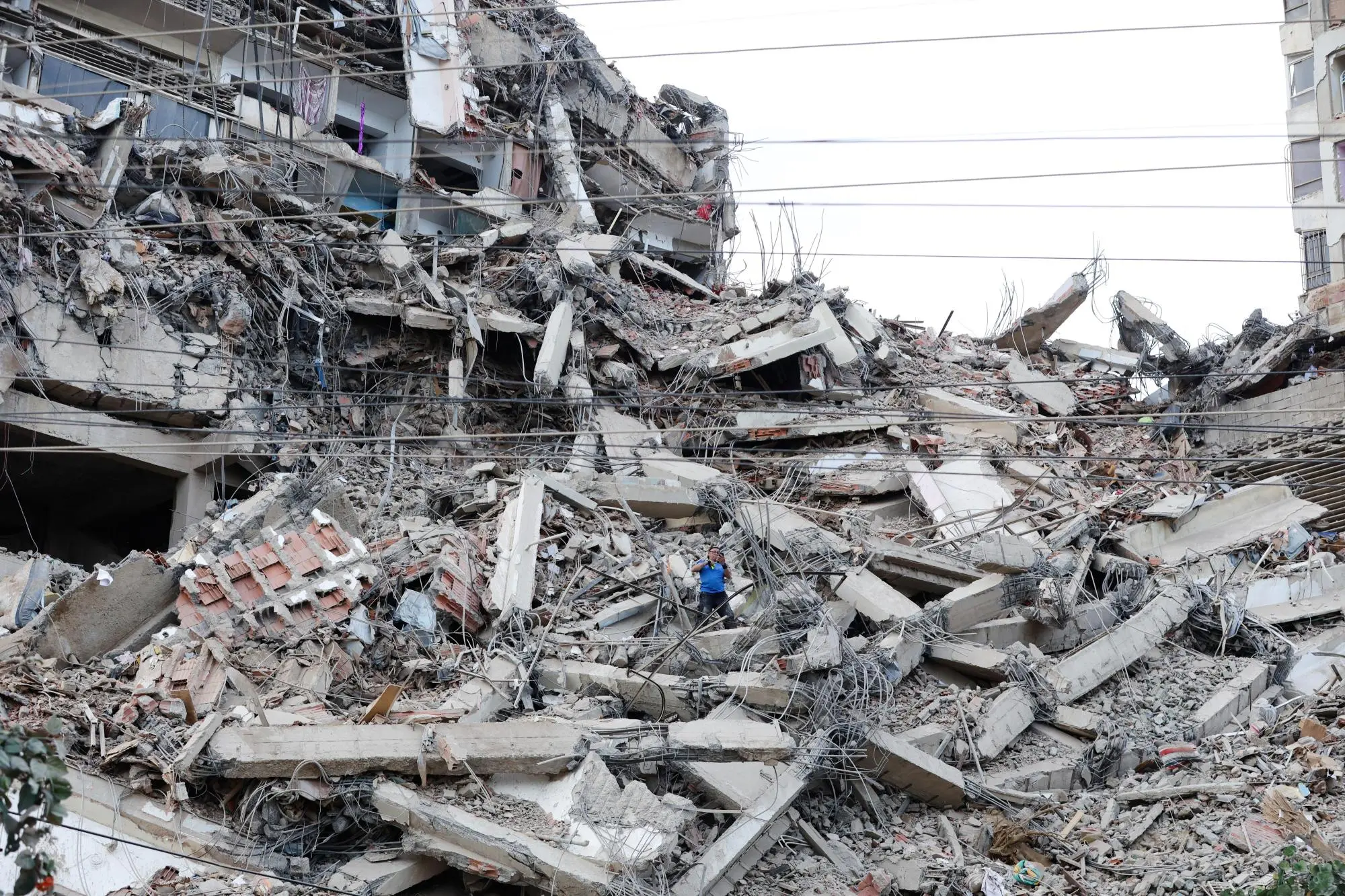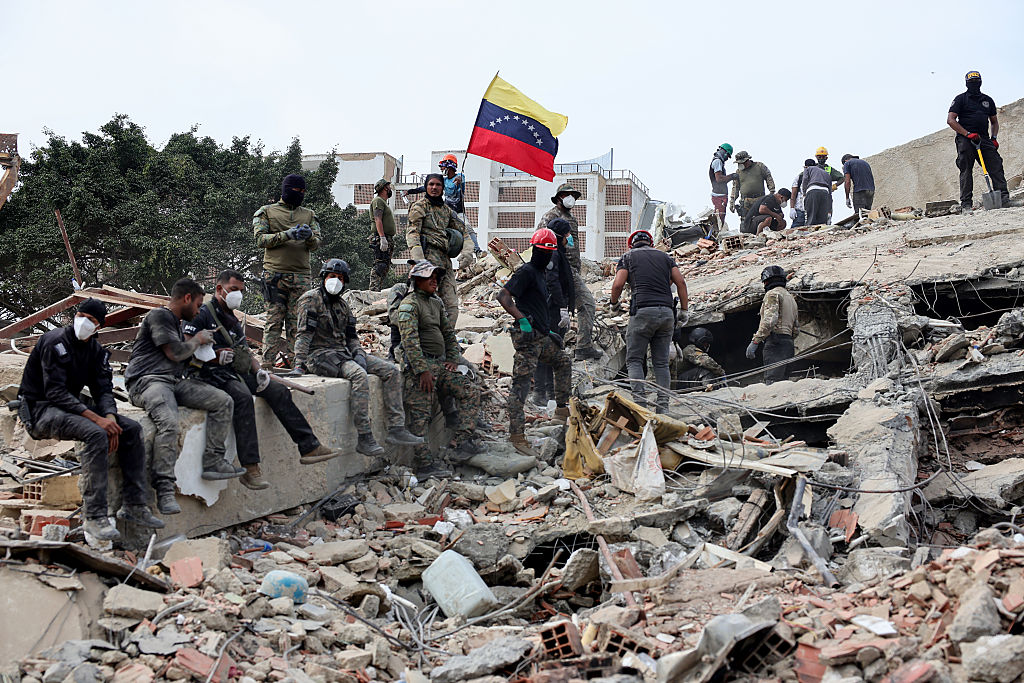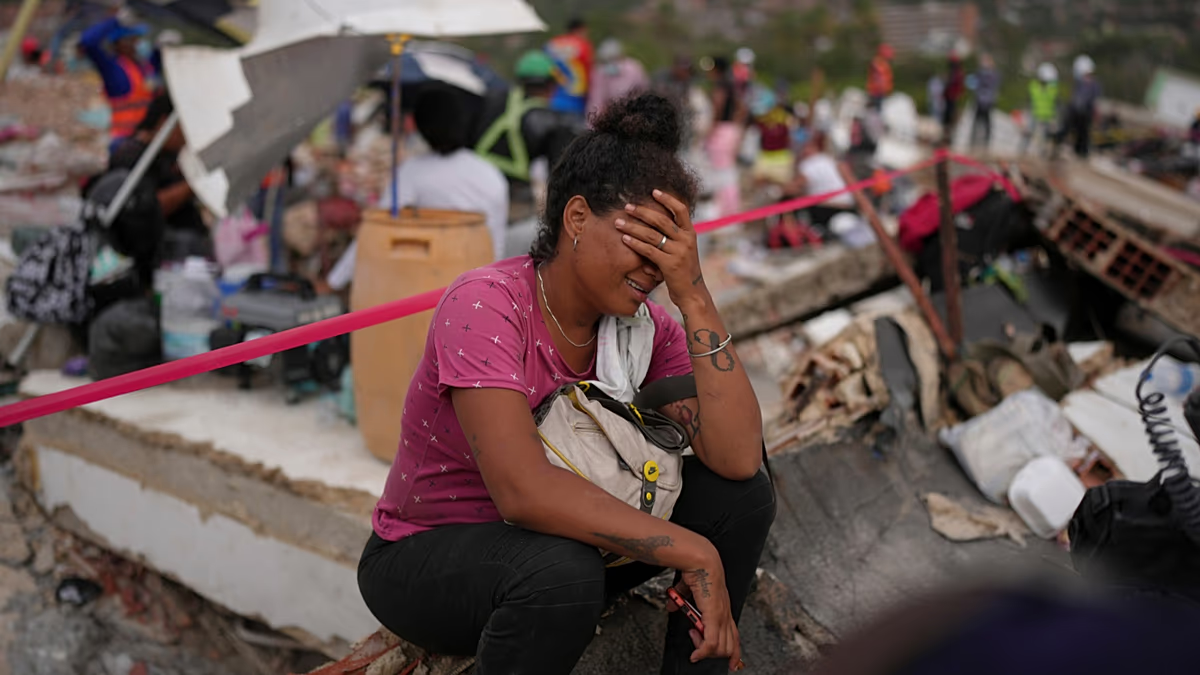
The long-running crisis of forced migration that has affected Venezuelans for at least a decade has taken on a new dimension after the earthquakes that struck the country nearly a week ago. Venezuela is now facing a growing crisis of internally displaced people.
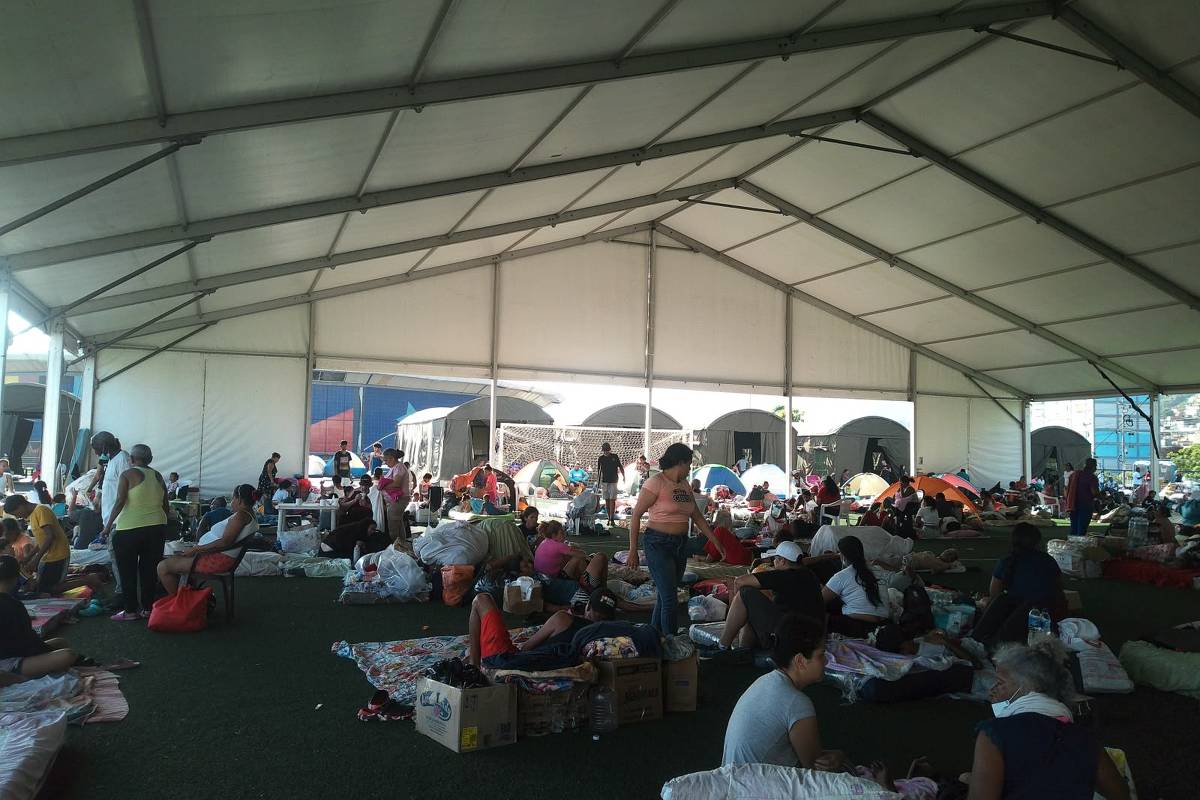
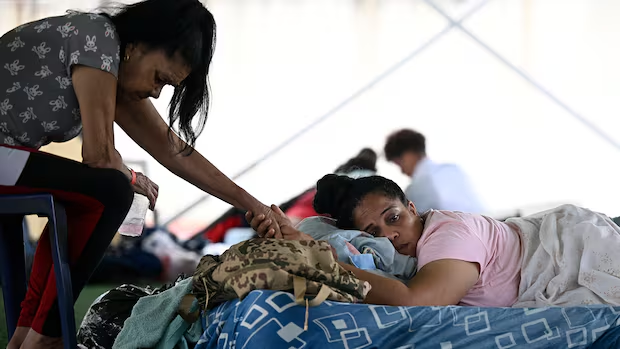
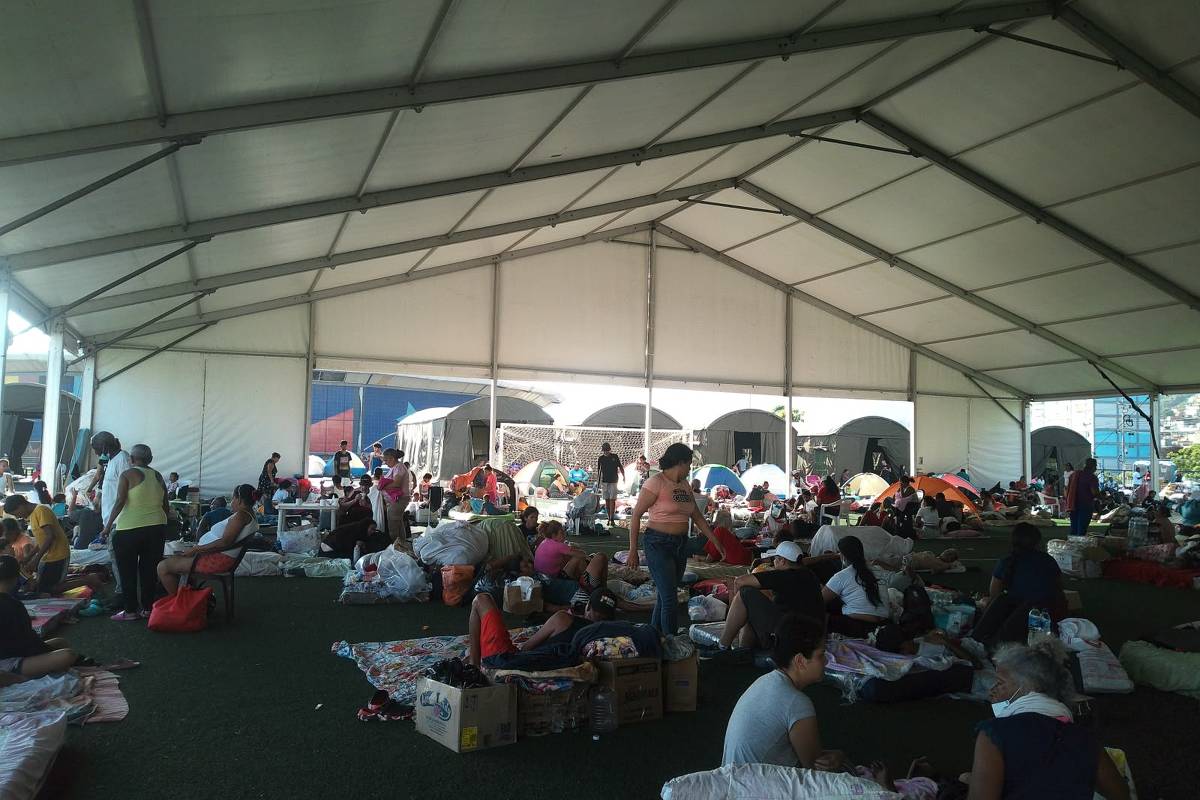
What was once a stadium in the coastal city of La Guaira is now home to 1,730 people—at least 300 families—who carry out their daily activities and sleep beneath makeshift structures. Many lost their homes, while others saw their houses severely damaged.
The heat is intense, with little relief beyond bottles of water—many already warm—distributed by police officers organizing the site. On improvised tables, hundreds of donated medicines are sorted to assist mainly older adults, people with disabilities and children.
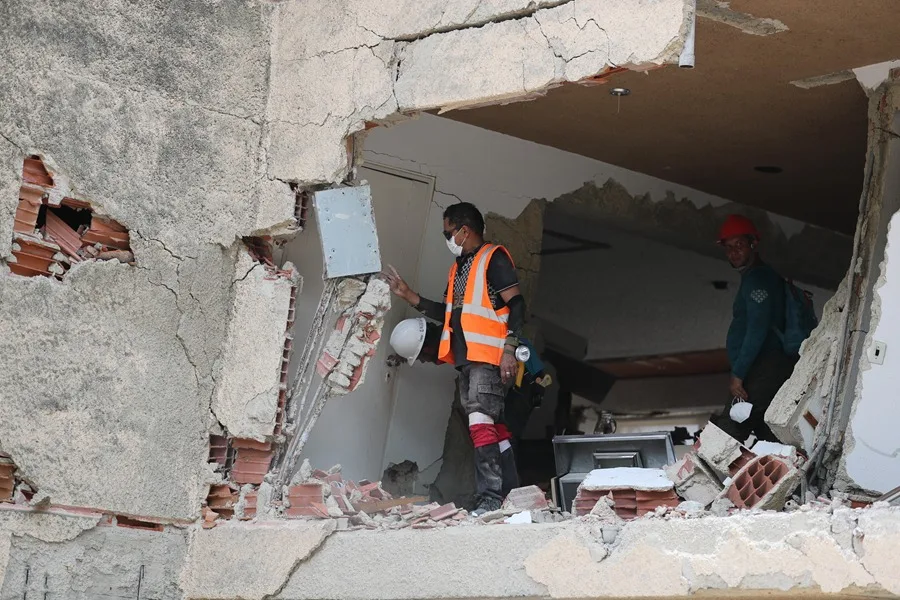
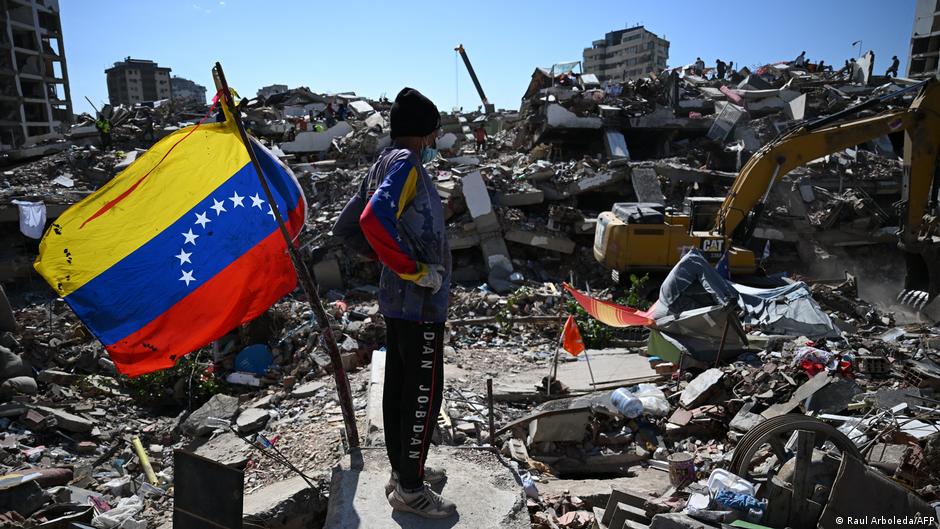
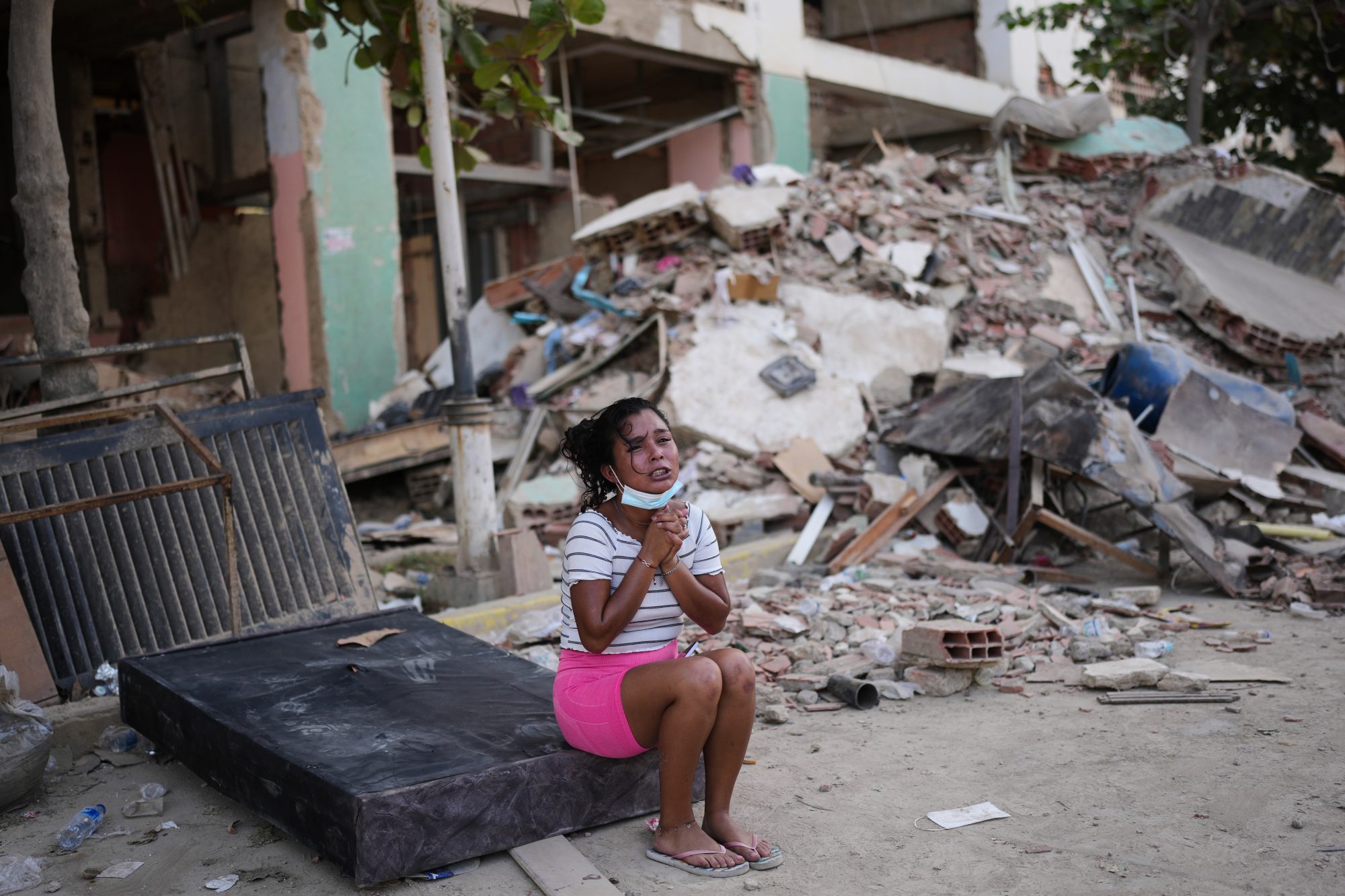
Wilmarys González, 45, has been there since the day of the earthquakes, Wednesday (24). The ground floor of her home cracked. On the second floor, the walls collapsed. She lost four relatives in the disaster. The following day, she managed to find a cousin alive beneath the rubble."We could hear my cousin's voice until 5:30 a.m. on Thursday. All she kept asking was for us to save her son, who was still alive, because when she touched her other child, she realized he was no longer breathing," she told Folha. "Then she stopped speaking, and we knew she had died."