Reading Time: 3 minutes
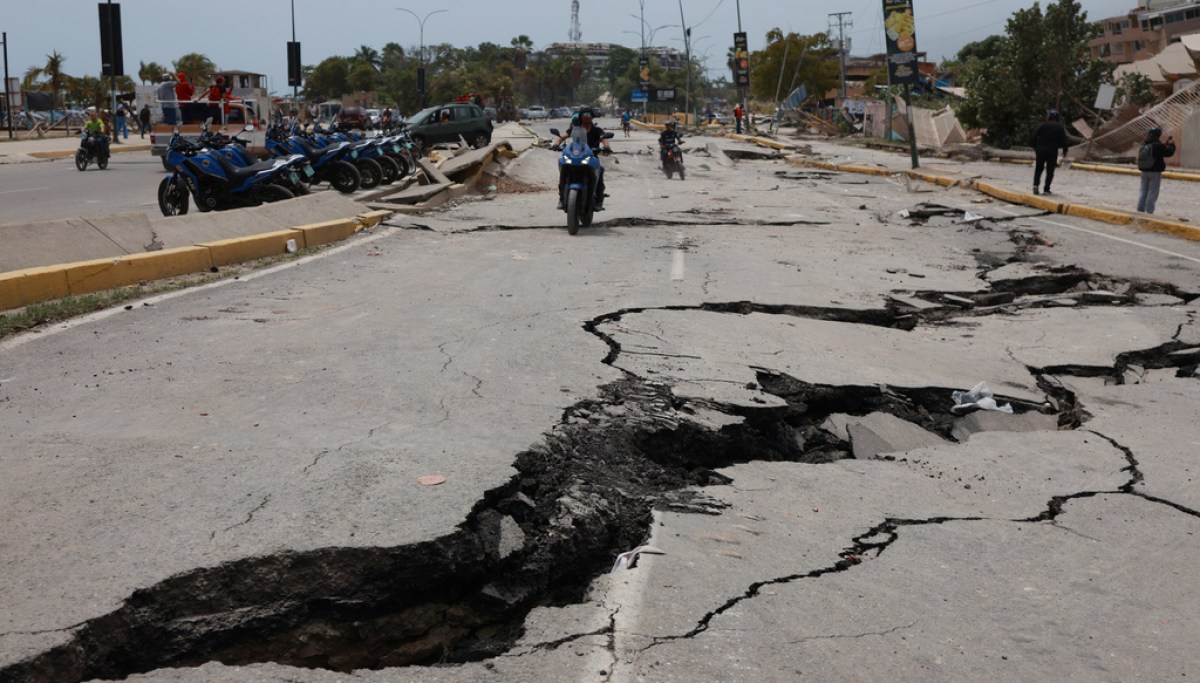
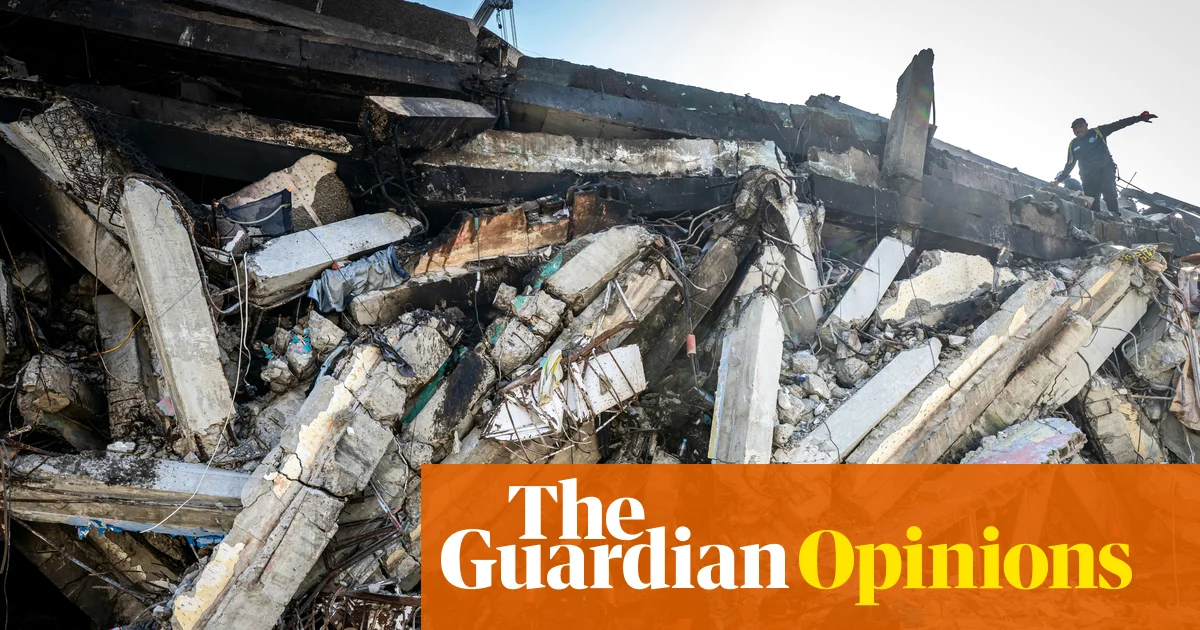
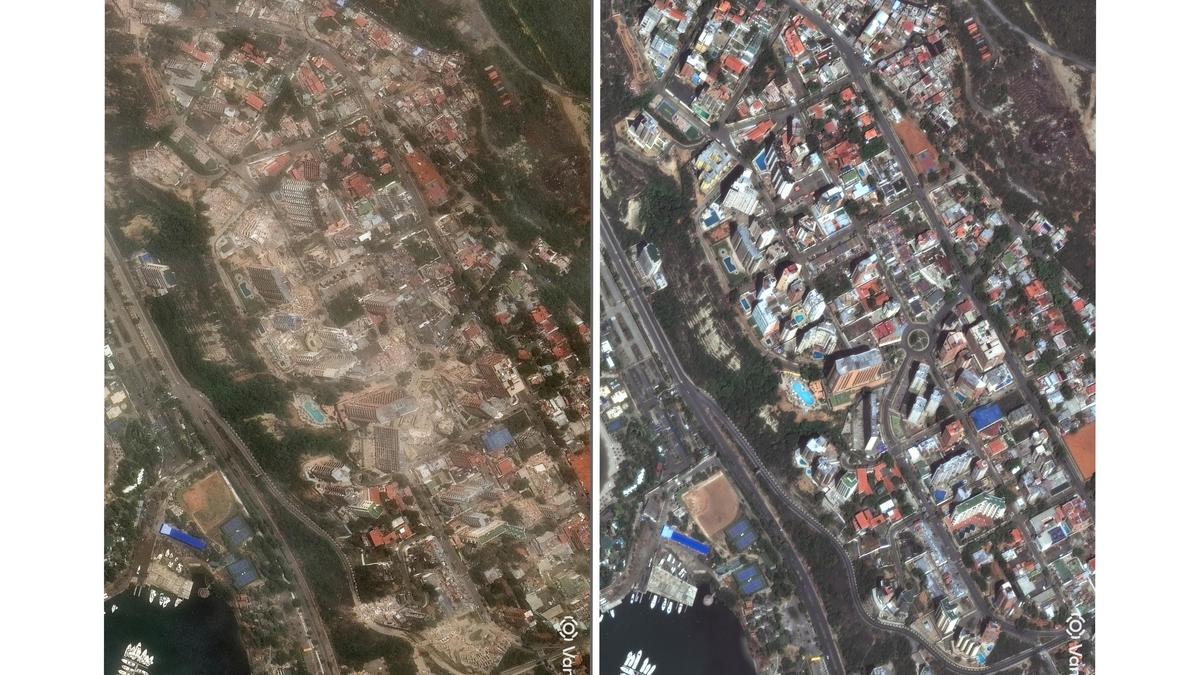
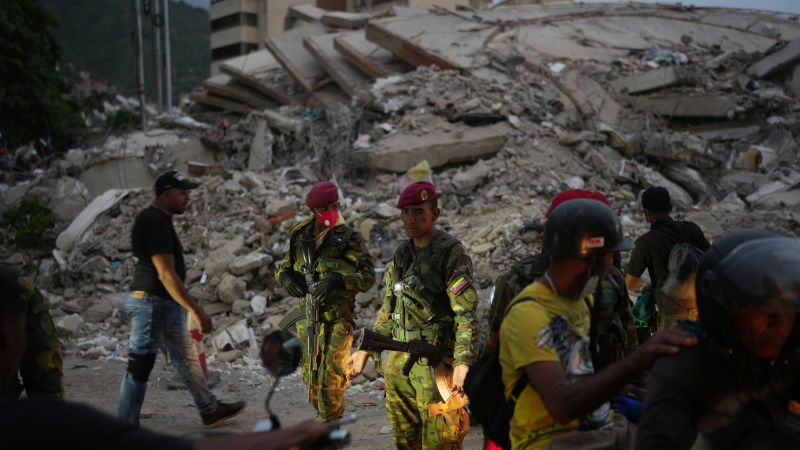
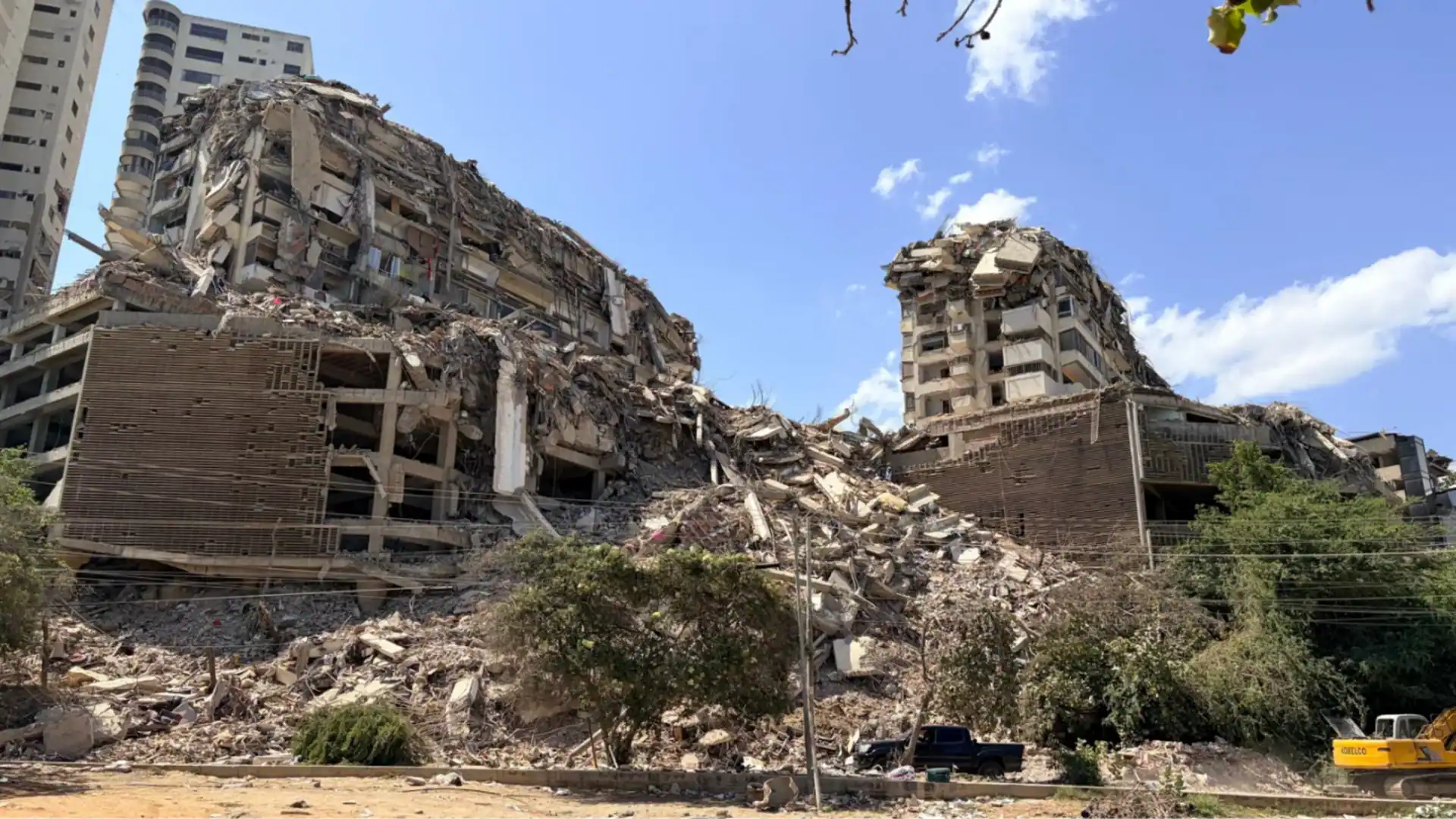
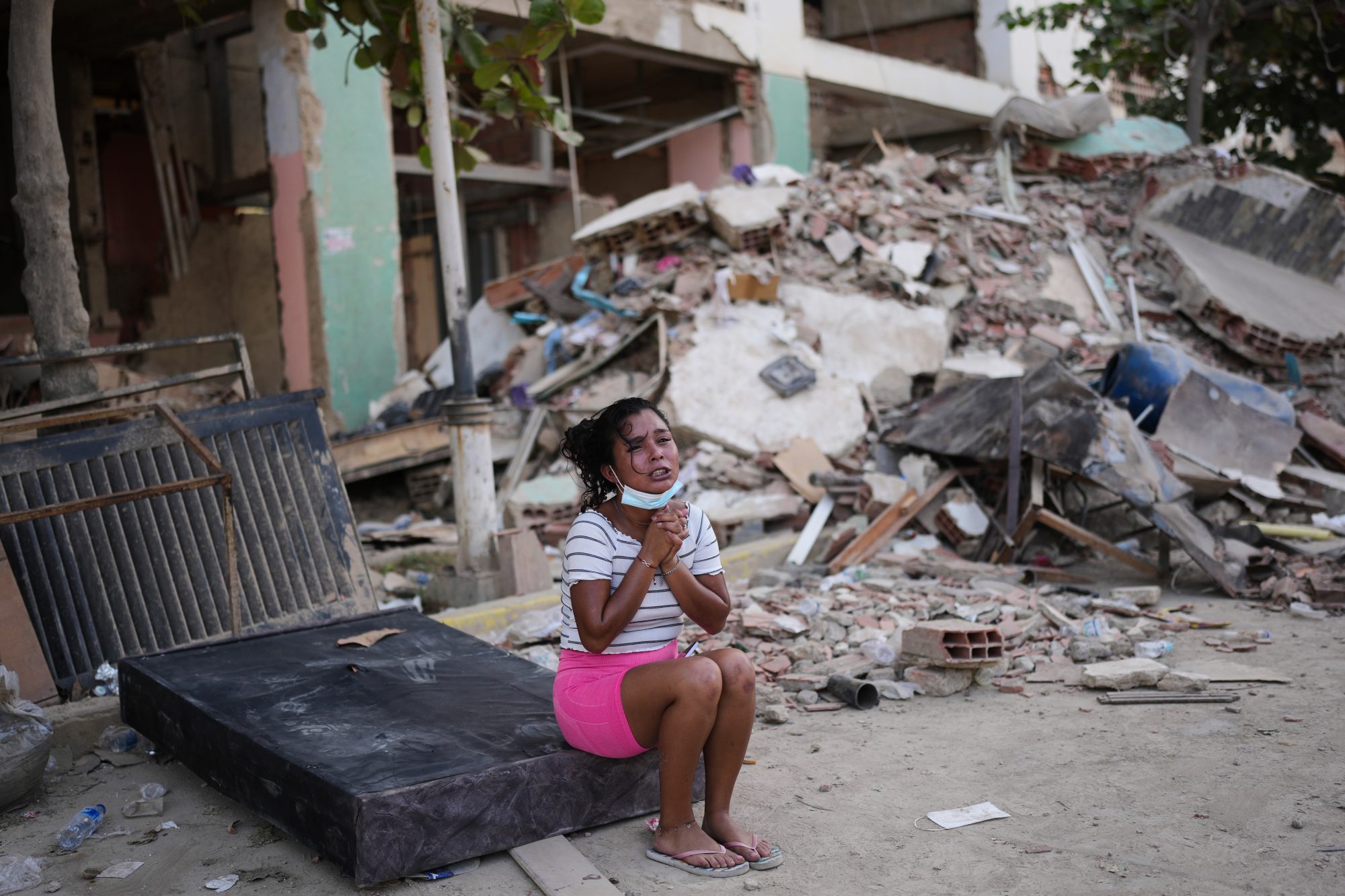
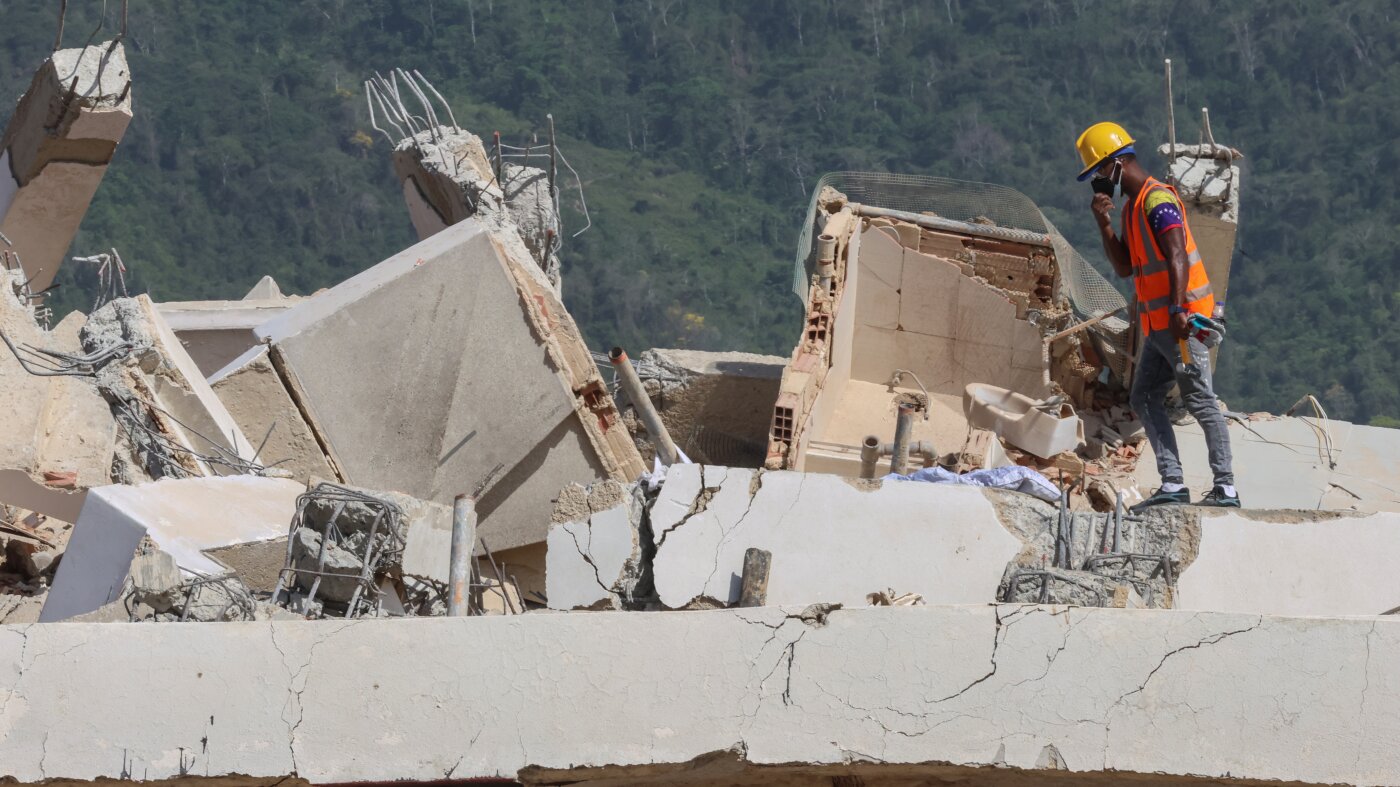
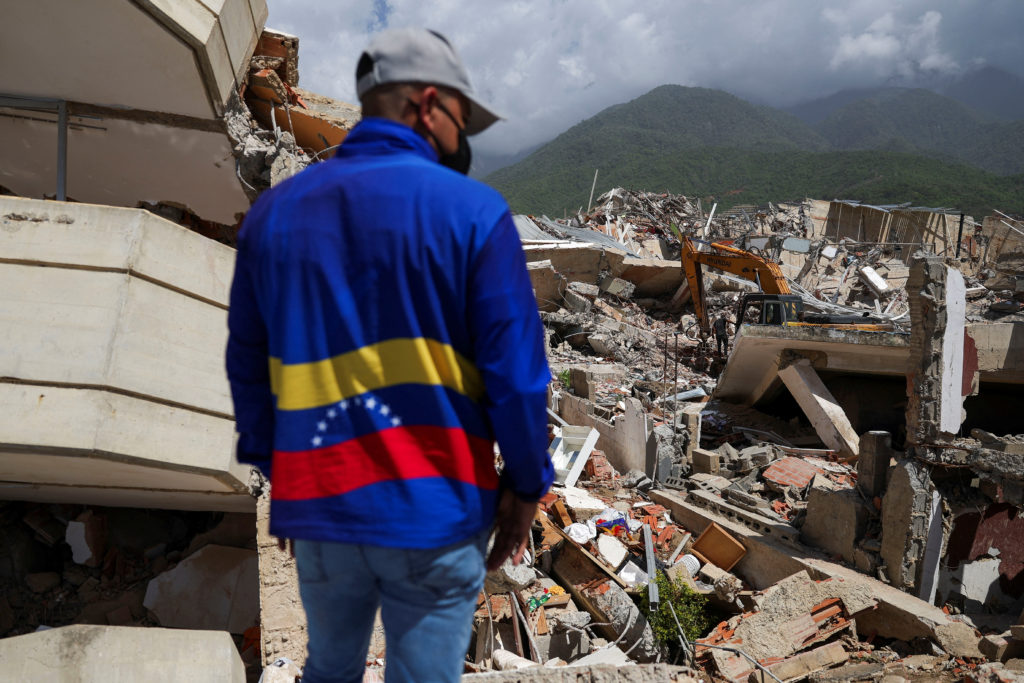
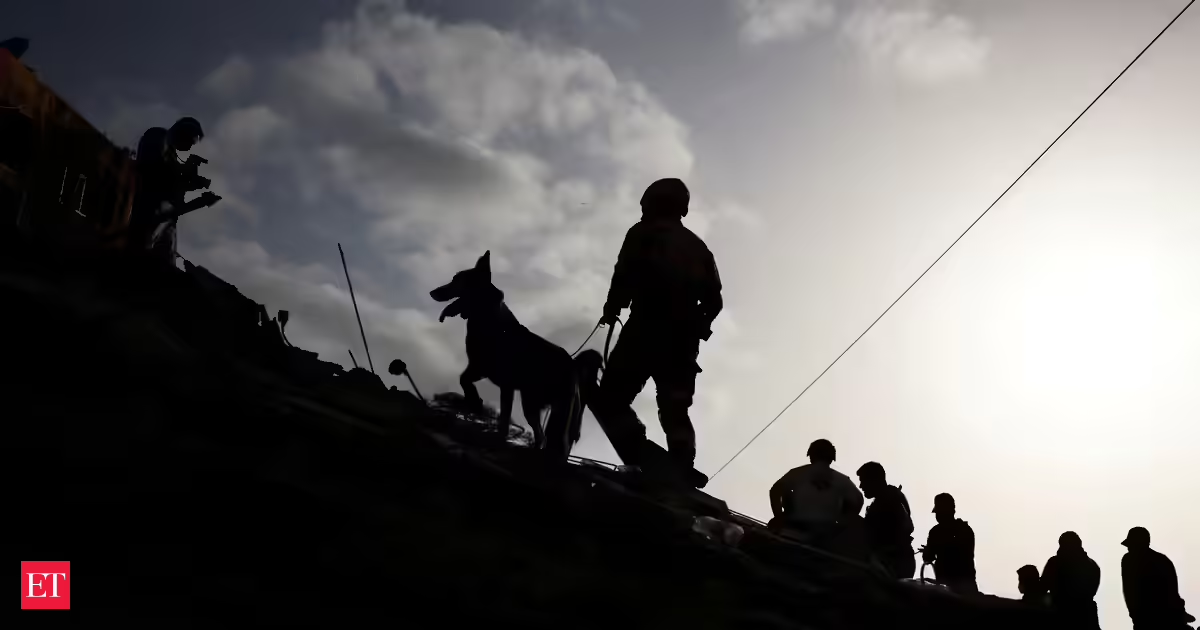
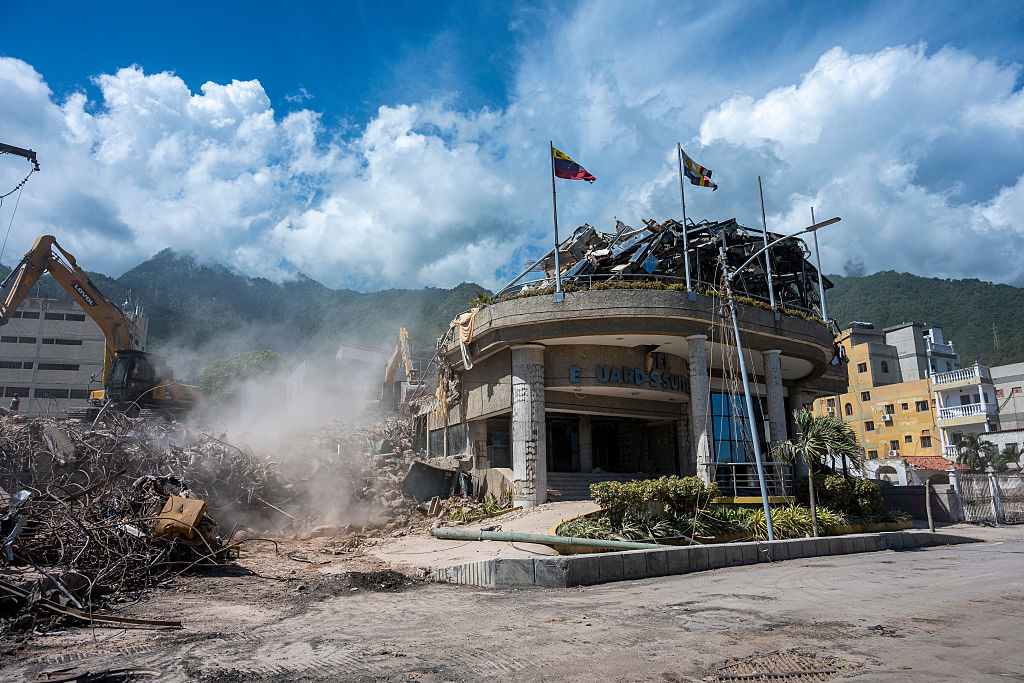
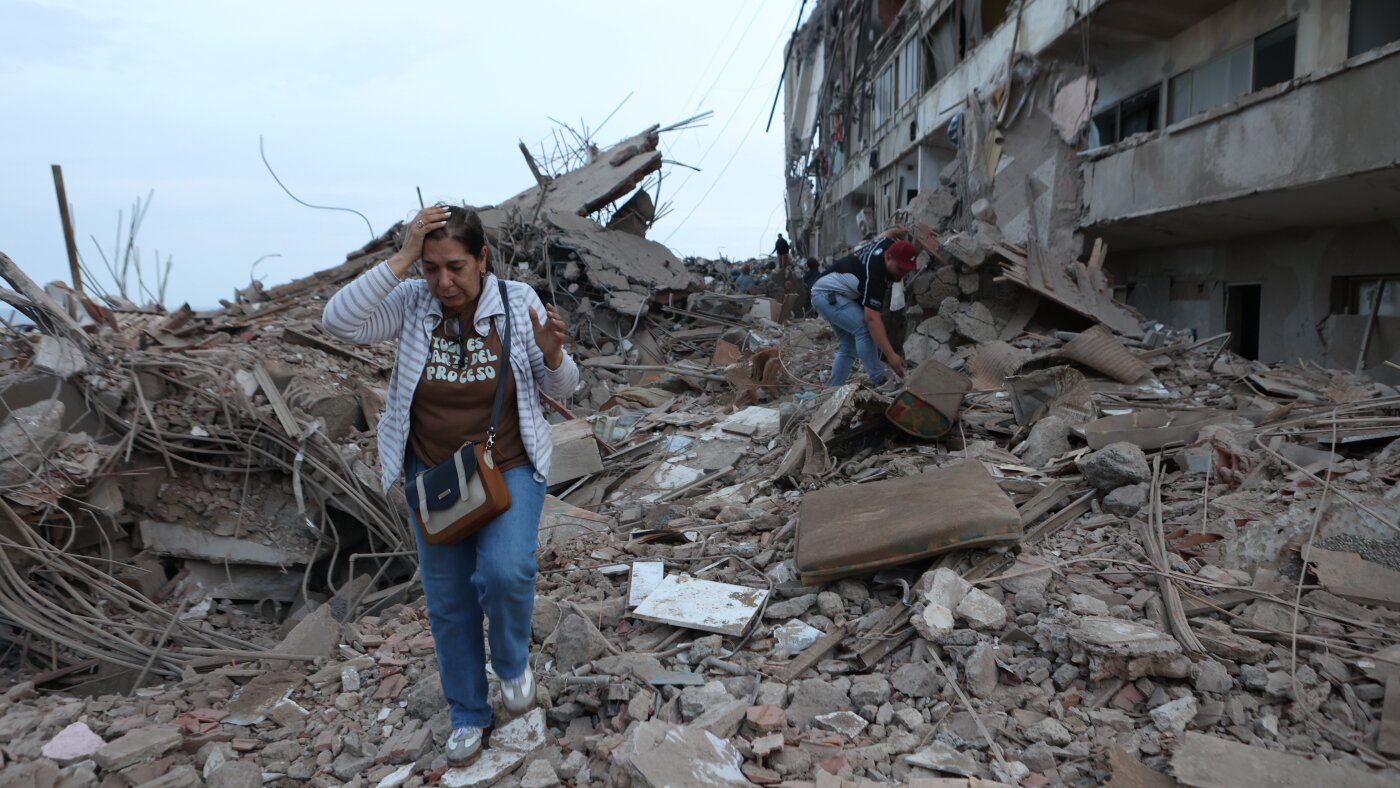
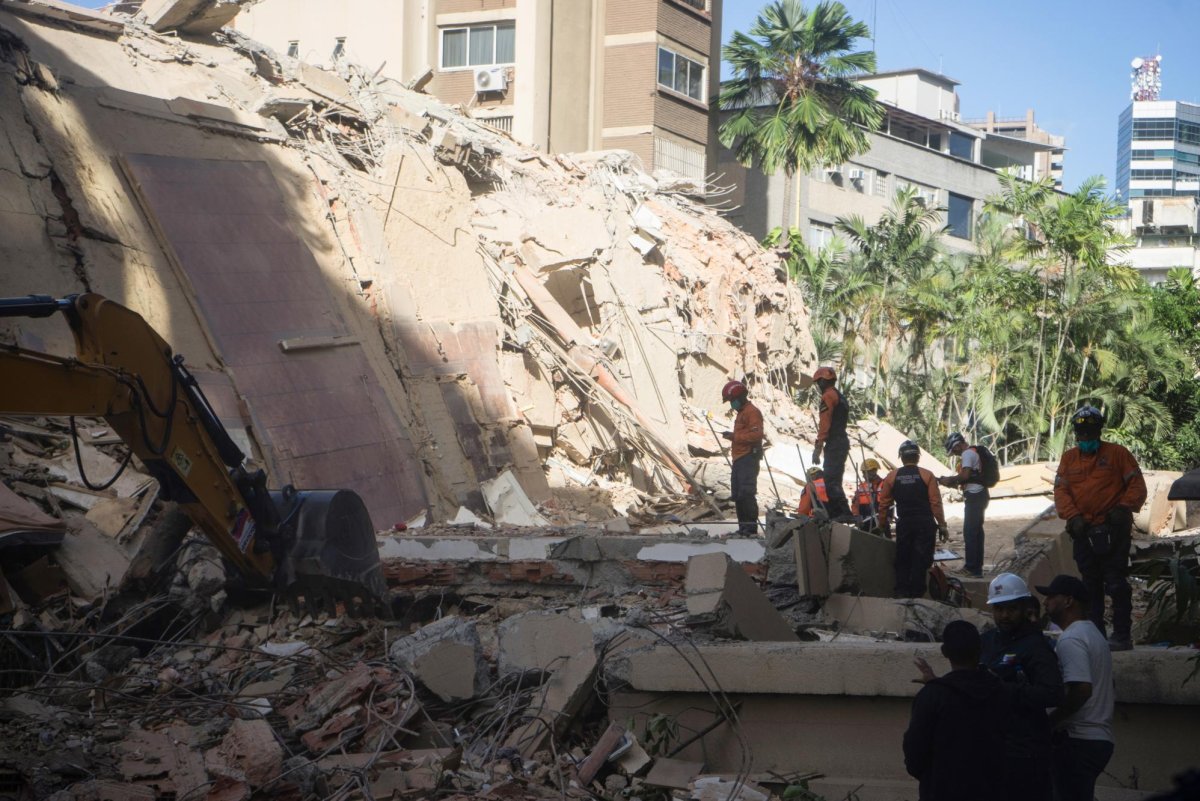

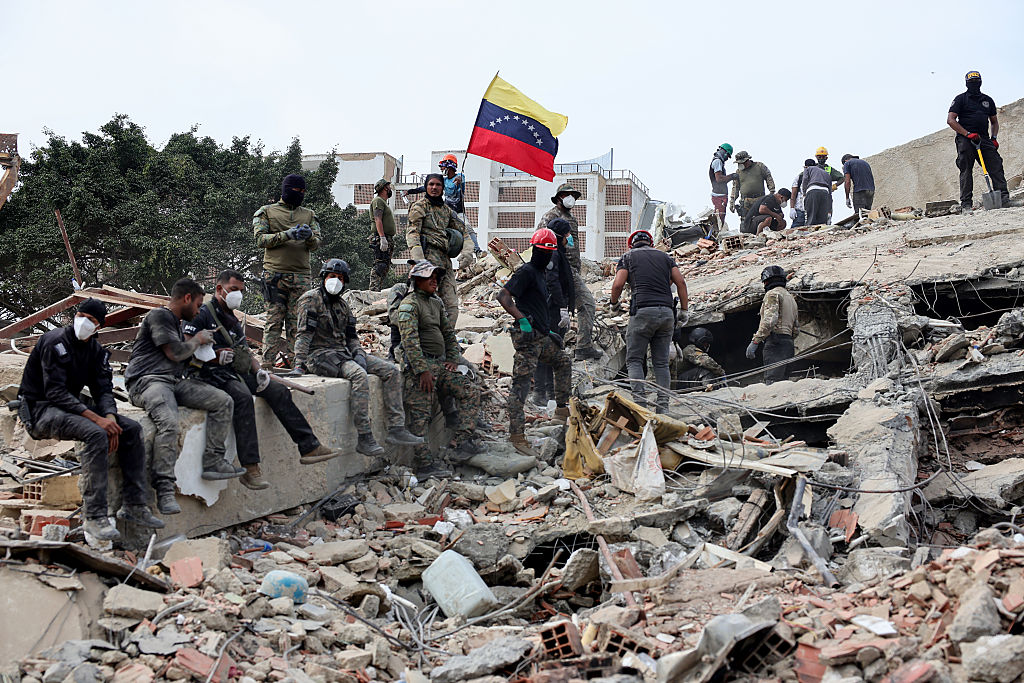
CARACAS—Twin earthquakes opened the earth beneath Venezuela a week ago, killing almost 3,000 people. As international and local rescue workers continue to sift through debris to find 40,000 missing people, 11,000 have been reported injured and many are still unaccounted for. Devastation of this magnitude would be painfully tragic for any nation, and in today’s Venezuela, it is proving unbearable.
The interim government led by Delcy Rodríguez has been heavily criticized for its slow response and lack of coordination in addressing the ensuing chaos, as well as for its handling of the failed attempt by María Corina Machado—a widely supported political leader—to return to the country. The regime closed the country’s airspace to prevent her arrival, and the White House refused to back her, while senior U.S. officials labeled her move as “grotesque political opportunism.”
For all practical purposes, the incident may simply mark the formal parting of ways between the Nobel laureate and the Trump administration—a rupture many had seen coming since the capture of Nicolás Maduro on January 3.
Yet, despite the tragedy and uncertainty surrounding this moment, John Barrett, the U.S. chargé d’affaires in Caracas, publicly reiterated that plans for Venezuela remain largely “intact.” The U.S. has moved to ease some sanctions on the regime and has provided sizable humanitarian assistance during these trying times. But failing to grasp the severity and reverberations of the recent events could be costly, and the U.S. can no longer avoid a pressing question: How committed is the White House to democracy in Venezuela?