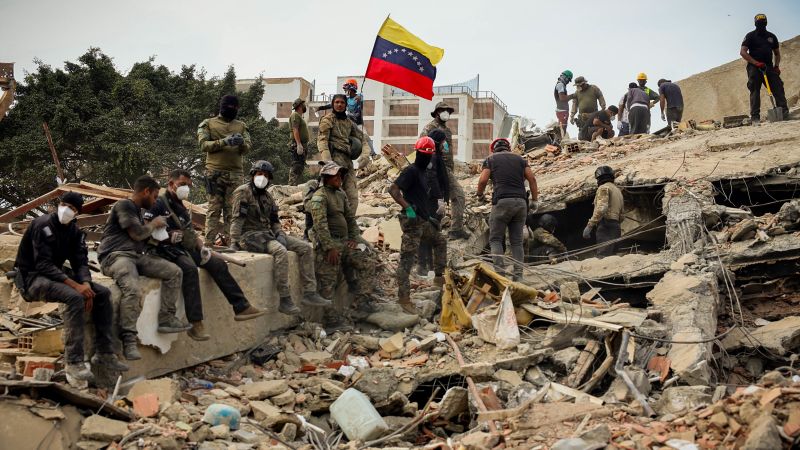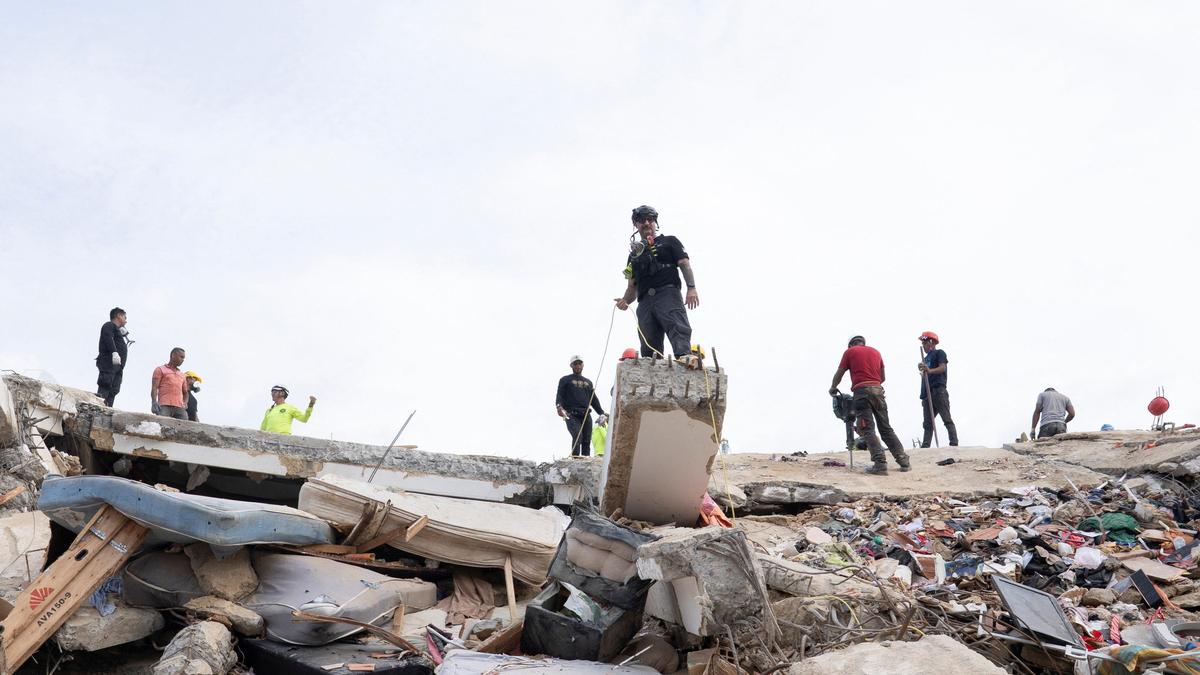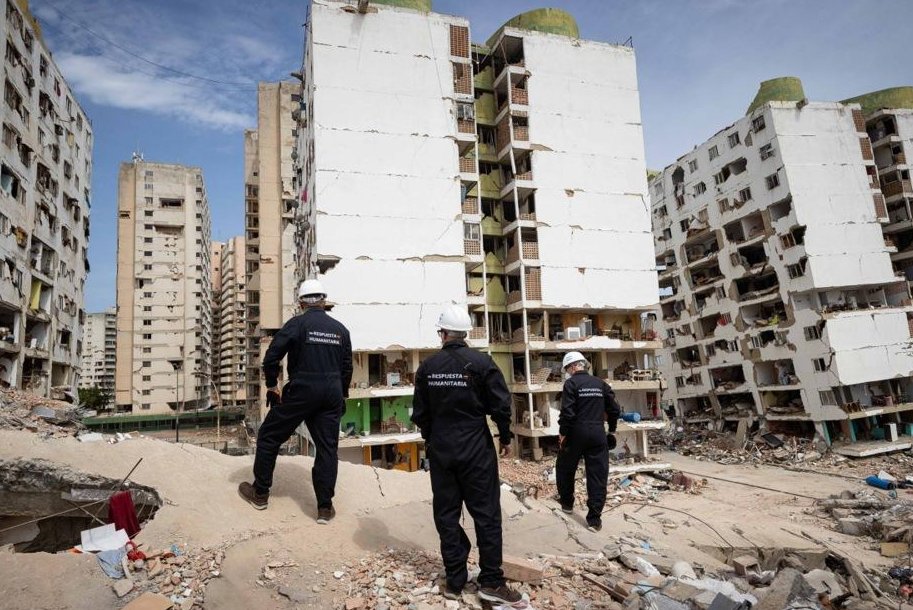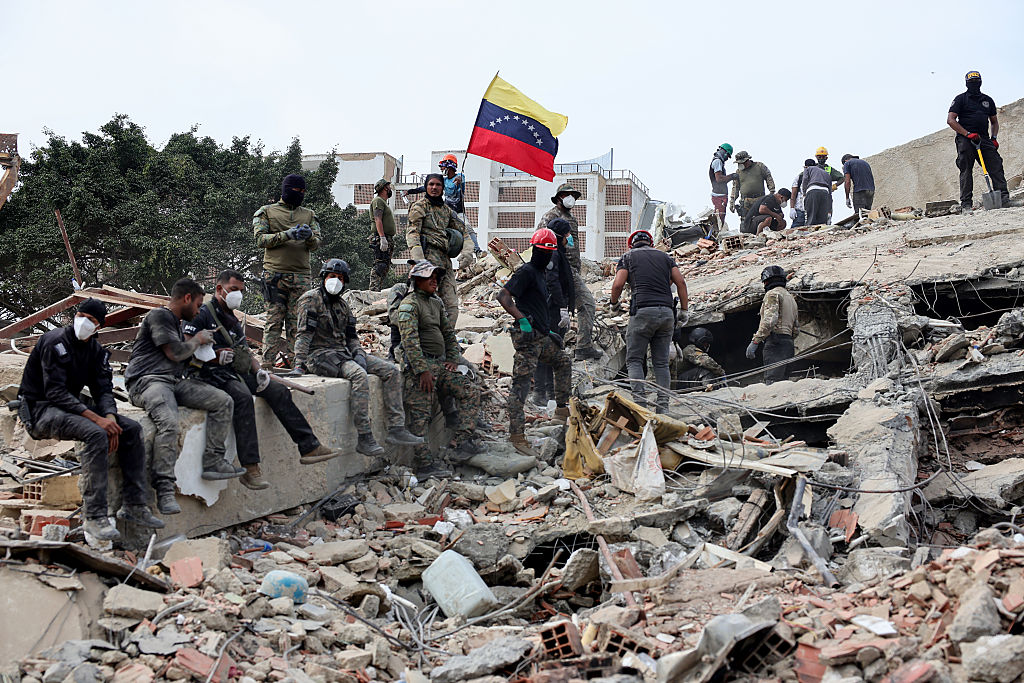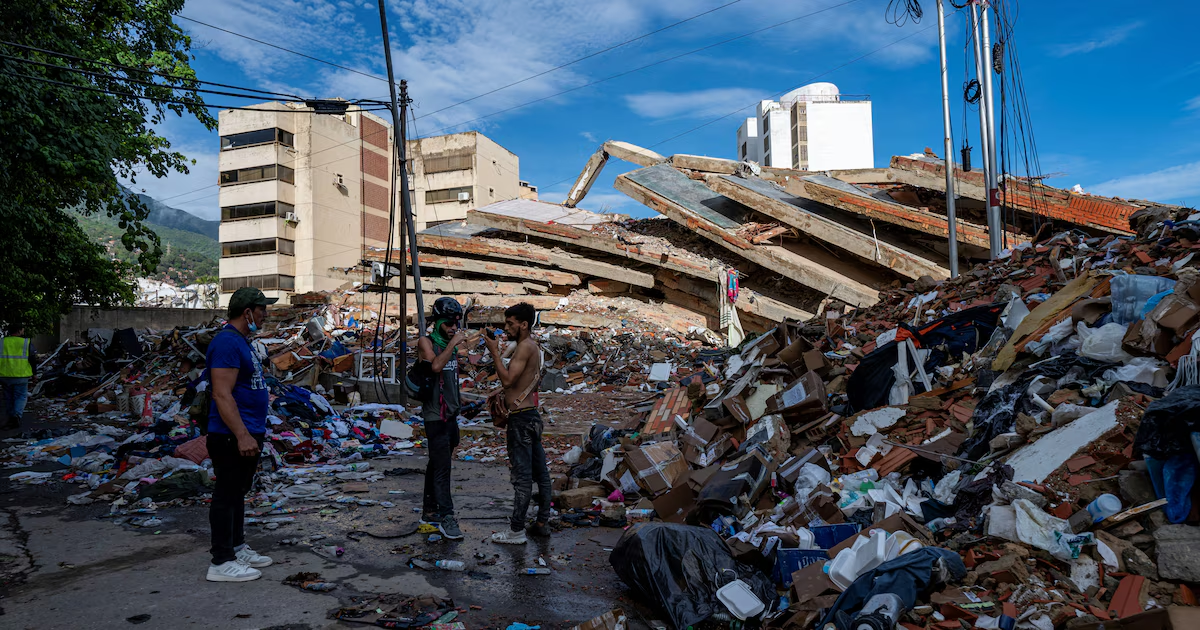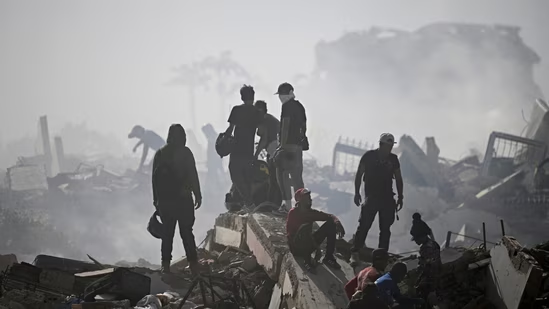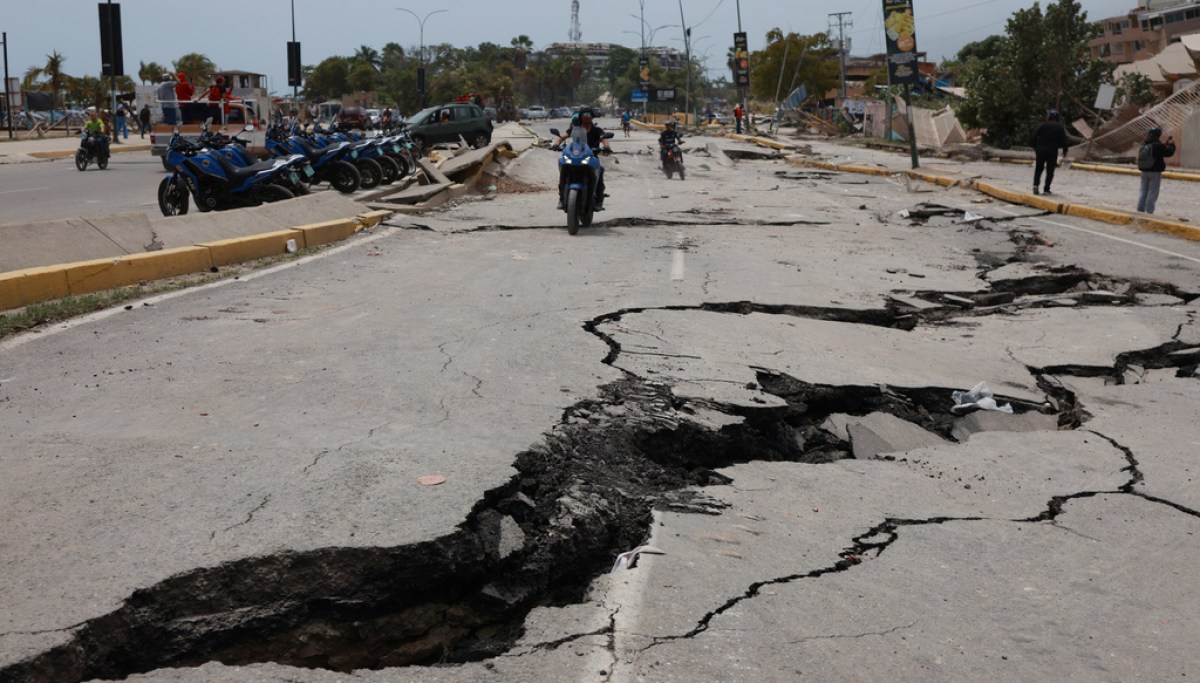
The twin earthquakes that struck Venezuela on June 24, killing more than 1,700 people and leaving entire neighborhoods in ruins, have become more than a natural disaster. They have exposed the deep structural failures of the Venezuelan state — failures that have been decades in the making and that no political rebranding can conceal.As survivors dug through rubble with their bare hands, shovels, and ropes in the crucial first 72 hours, the absence of a functioning state became impossible to ignore. Heavy machinery arrived late. Search-and-rescue teams were insufficient. Medical personnel and volunteers reportedly faced bureaucratic obstacles, including roadblocks and permit demands. In some areas, security forces were accused not of protecting civilians, but of looting abandoned homes.This is not simply the story of an earthquake. It is the story of institutional collapse. For over two decades, Venezuela has endured successive political, economic, and humanitarian crises that hollowed out its state capacity. Corruption, politicization of the armed forces, and the systematic weakening of independent institutions left the country dangerously unprepared for a catastrophe of this magnitude. The result is visible today with a government unable to effectively respond to a national emergency and a population increasingly forced to rely on itself for survival.
Venezuela’s earthquake exposed more than just fault lines
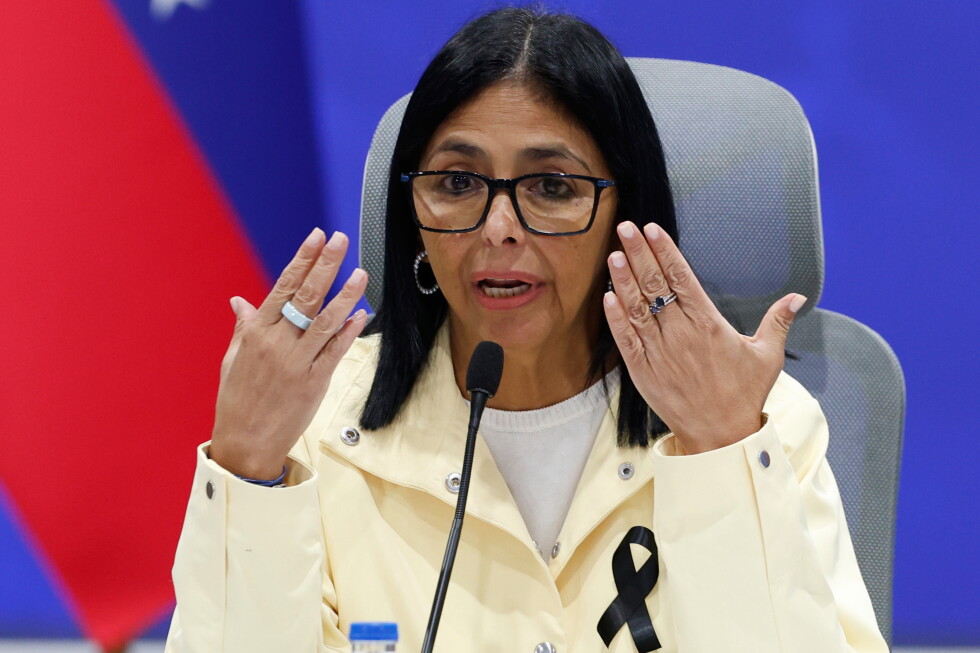
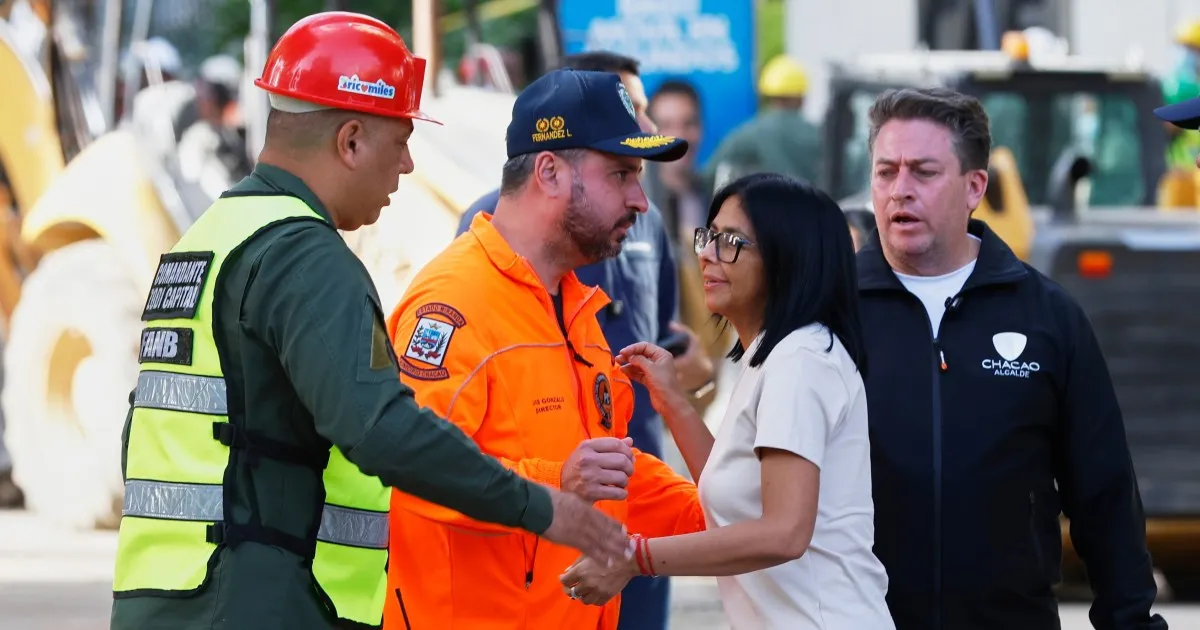
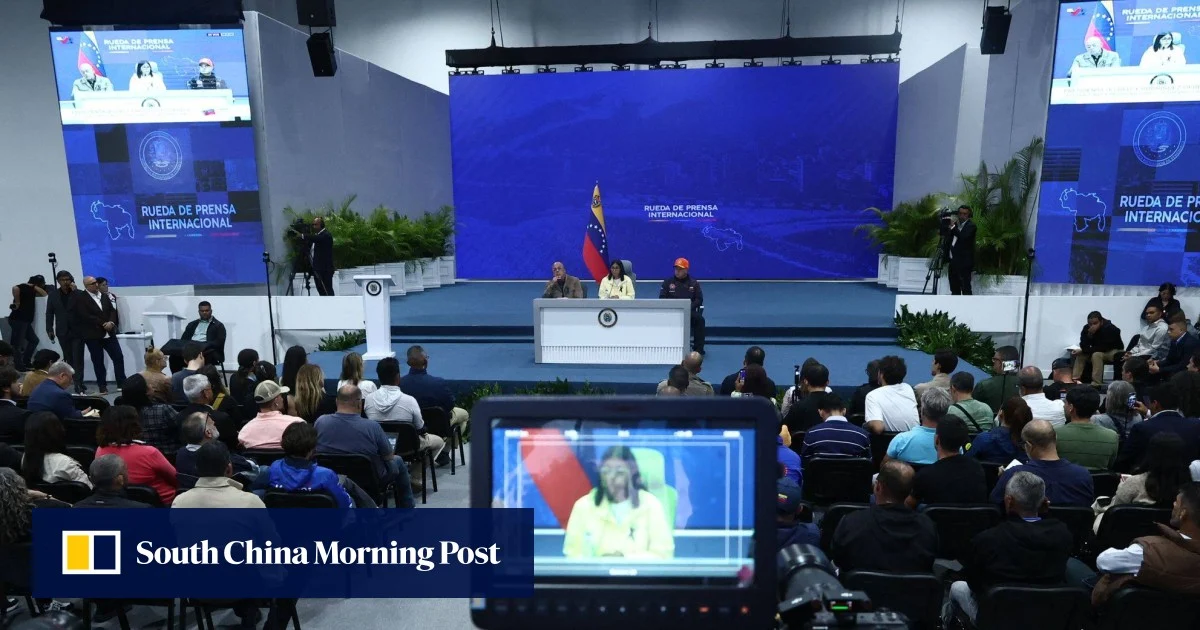
Venezuela's interim President Delcy Rodriguez now faces the most serious test of her leadership since assuming power after Nicolas Maduro’s capture.
626 words~3 min read