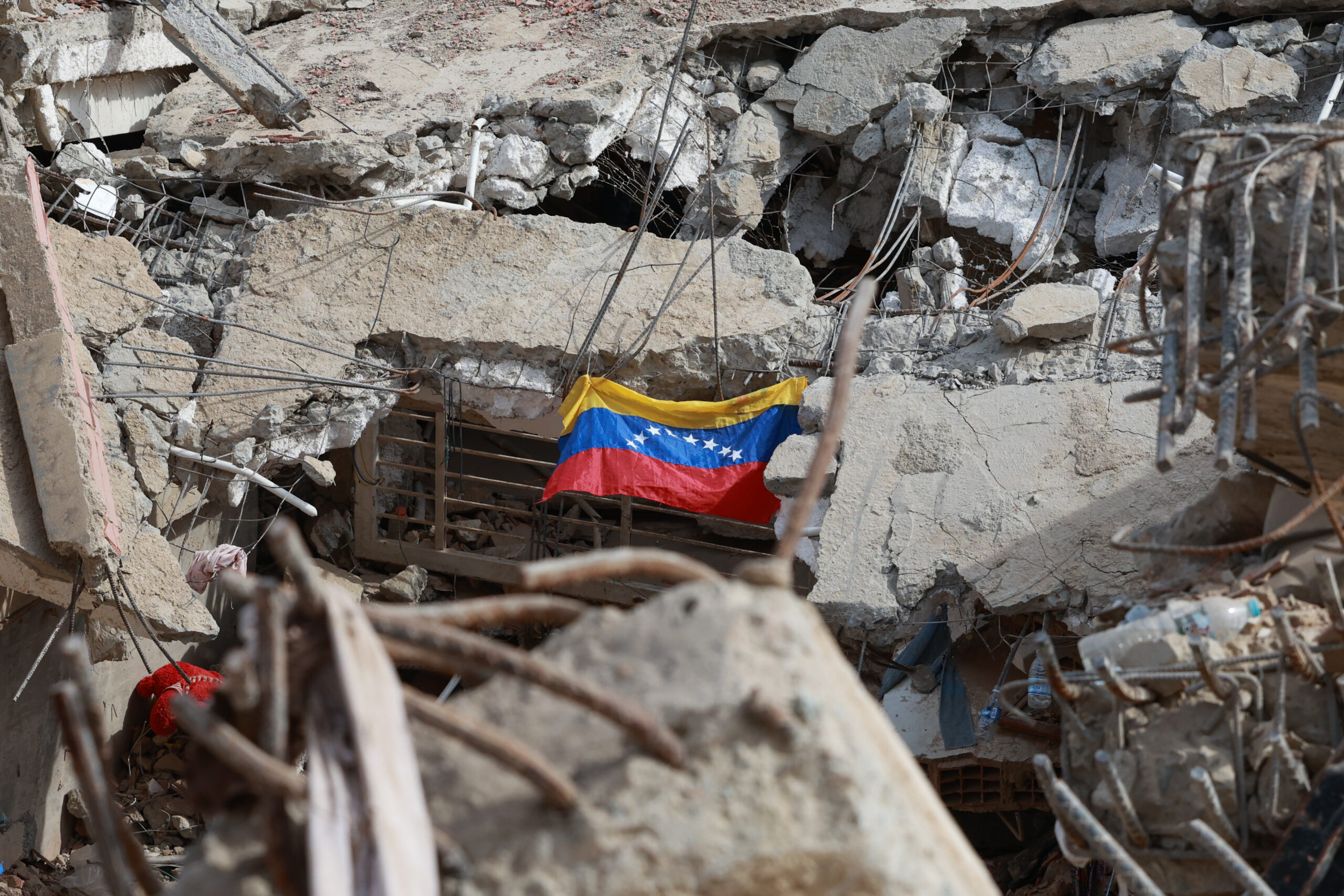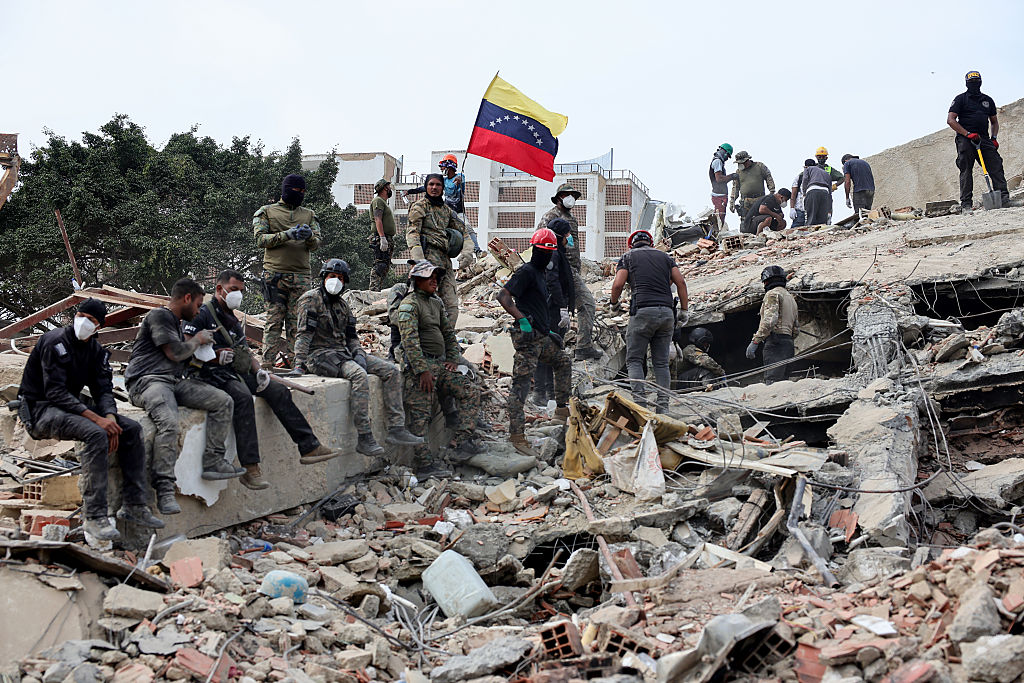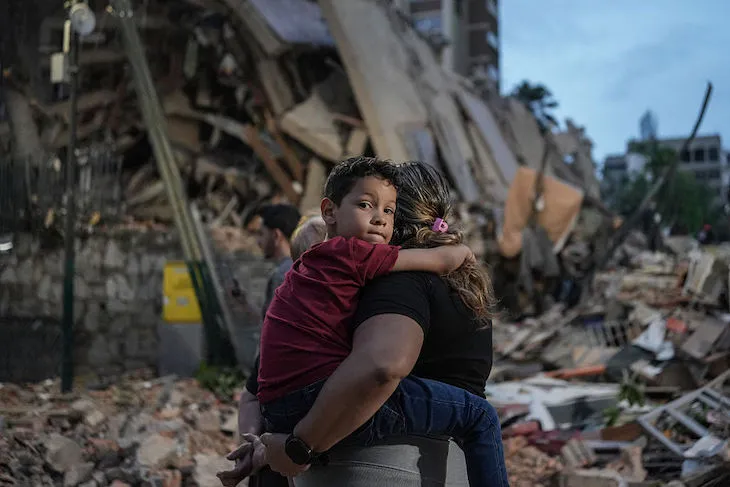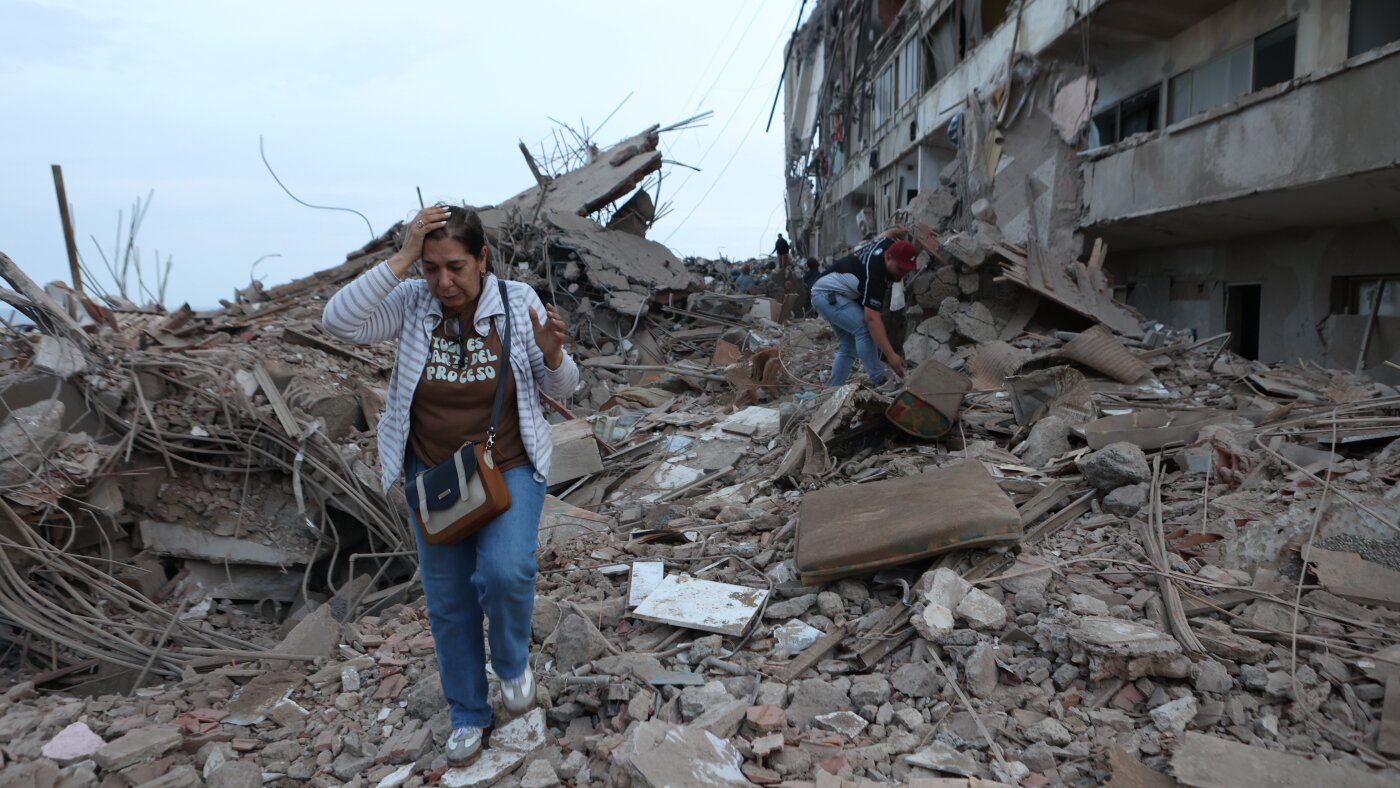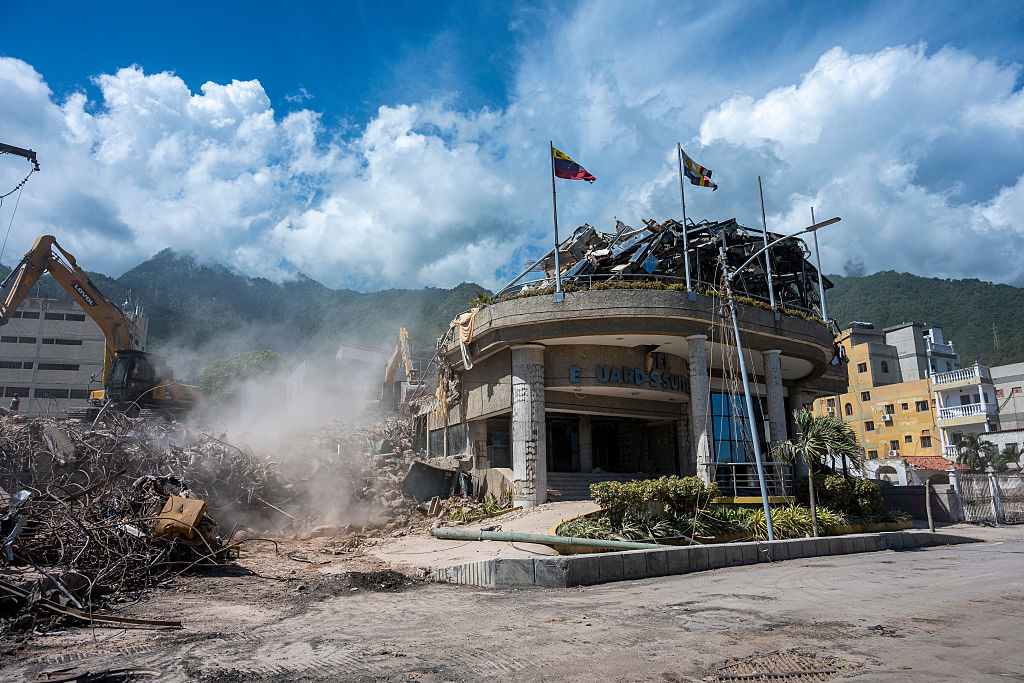
Reading Time: 4 minutesCARACAS—Barely three weeks ago, the debate over Venezuela’s economy focused on how fast it was expected to grow this year — 6%, 8%, or 10%. The unfathomable human tragedy caused by the June 24 twin earthquakes upended that optimistic outlook. The key questions now are what challenges might arise from the dire new circumstances, and what the country must do next.
Before the disaster, 2026 growth projections stood at around 8%, driven by higher oil production, greater access to hard currency, a gradual stabilization of the exchange rate—slower than expected, which had already lowered expectations earlier in the year—and a recovery in private consumption. We have since revised our 2026 GDP growth forecast down to about 5.8%. Under this new estimate, private consumption—one of the drivers originally expected to support growth this year—would grow by 4.3%, down from the earlier estimate of 7.2%. This shows a significant effect on consumption, services, and logistics in the affected regions.
The most immediate impact is on the rising cost of living. Inflation, which was projected to hit 230% annually, will most likely end at around 350%, once again the world’s highest rate. The earthquakes added several inflationary pressures to the lives of regular citizens and corporations already burdened by years of scarcity and high prices. These include localized shortages in some areas, higher logistics costs, greater demand for hard currency to fund emergency imports, and expanded government spending that can be financed through monetary expansion.