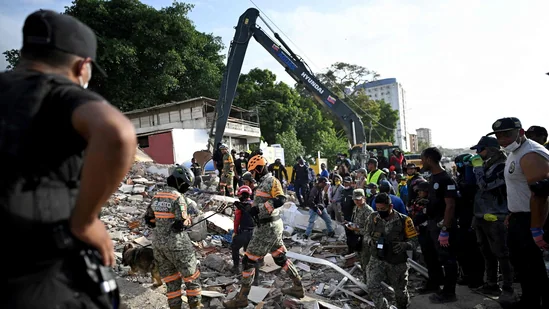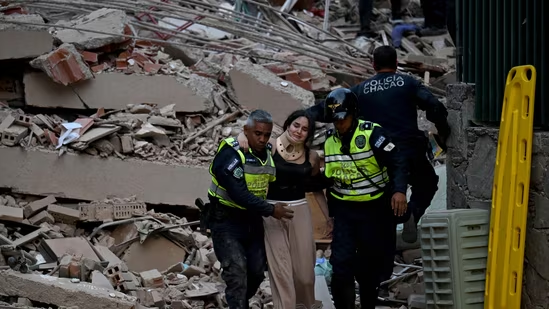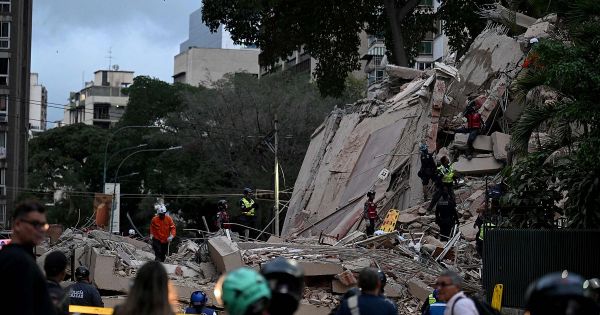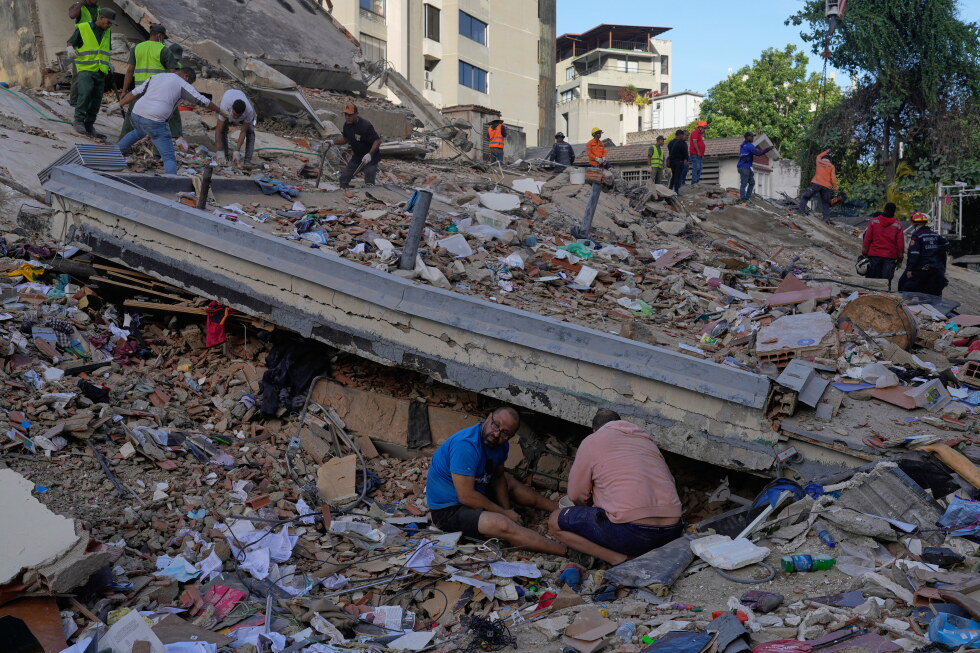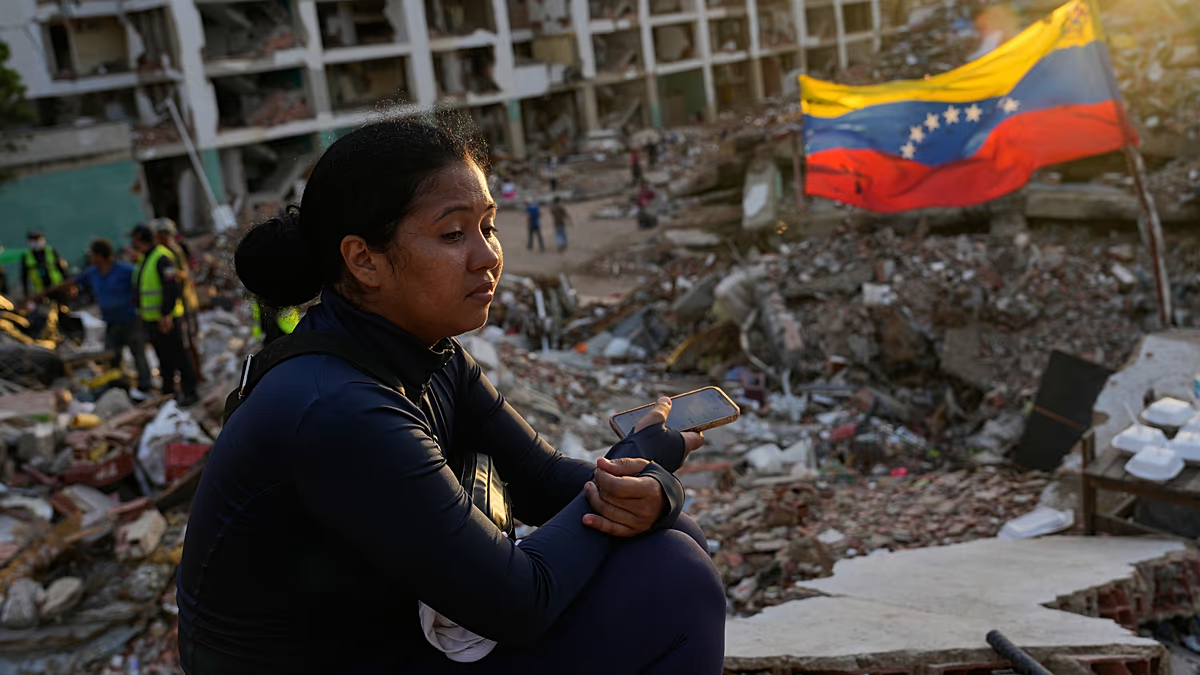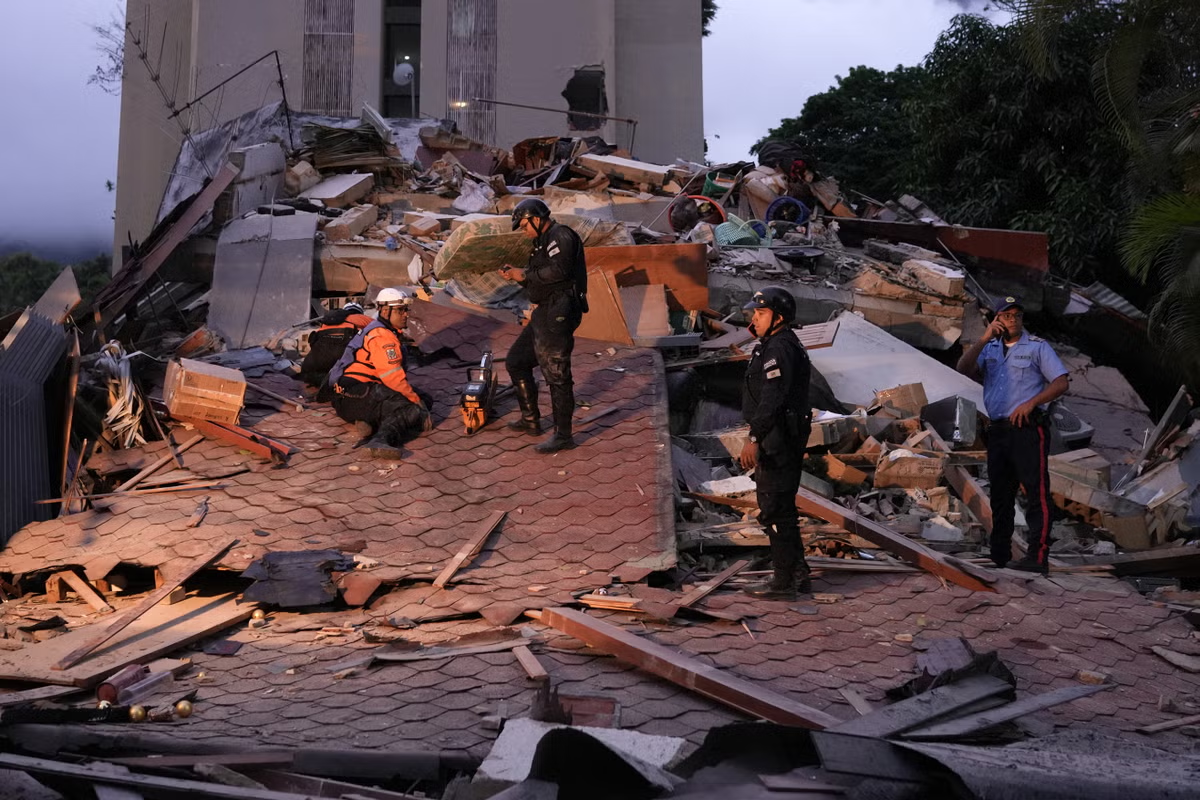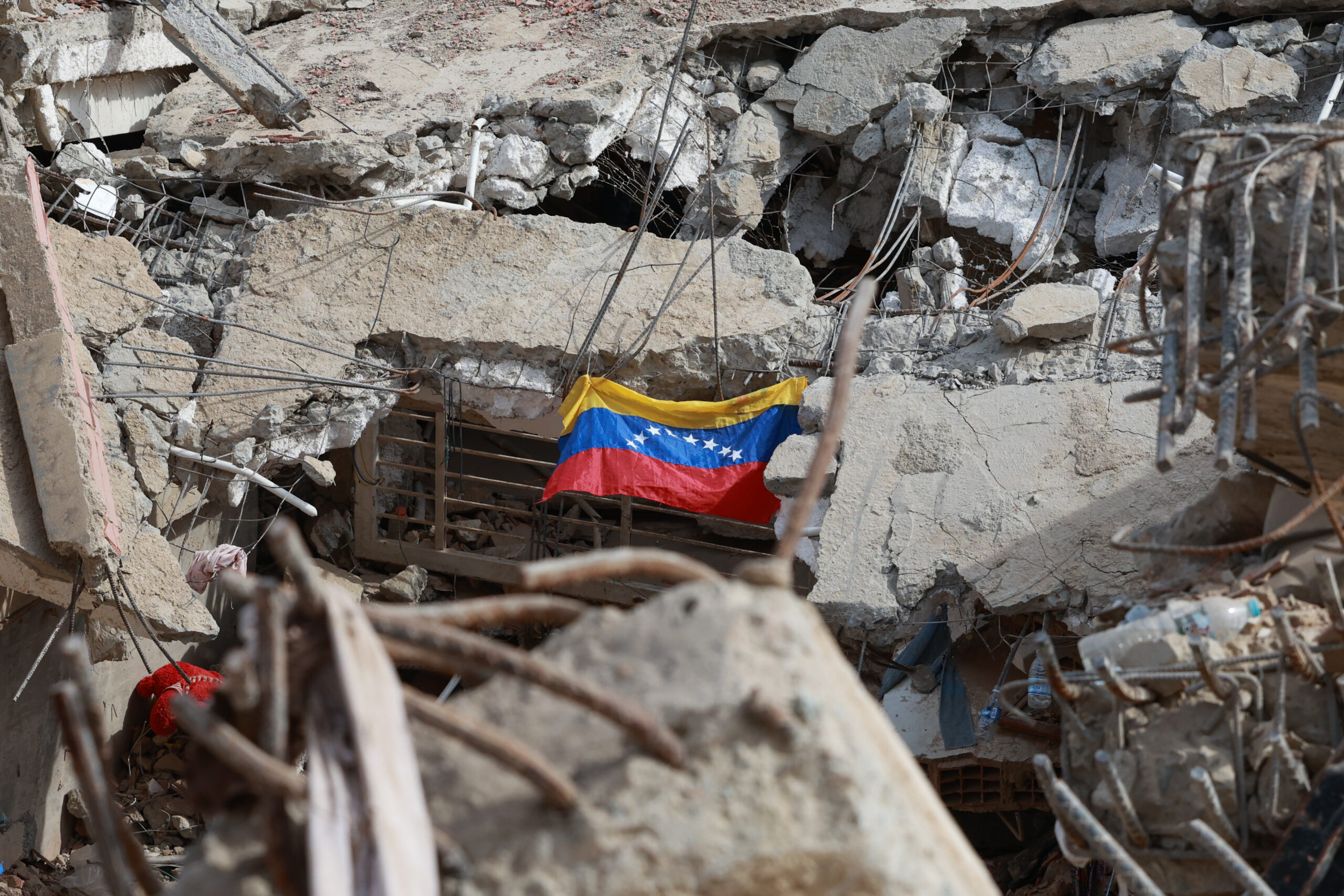
On the evening of June 24, Venezuela experienced a destructive “doublet”: two devastating quakes struck less than a minute apart, their epicenters in towns less than two hundred miles west of Caracas. The earthquakes were some of the most powerful in more than 125 years.
As of July 8, the death toll stands at 3,811, and the number injured at 16,740. That number is expected to rise. US Geological Survey modeling in the days following the earthquakes indicated there was a 44 percent probability of the total number of casualties exceeding ten thousand. La Guaira, a city just north of Caracas and home to Venezuela’s main port and international airport, absorbed the worst of it. Videos show entire blocks leveled. NASA satellite radar estimates that approximately 69,400 buildings were damaged or destroyed across the affected region.
The economic toll is still coming into focus. A preliminary assessment by the United Nations Office for Disaster Risk Reduction puts losses from direct physical damage to buildings and infrastructure at approximately $37 billion, although that figure does not include economic consequences such as interruptions to economic activities and supply chains, emergency response costs, and costs associated with structural retrofitting and reconstruction.