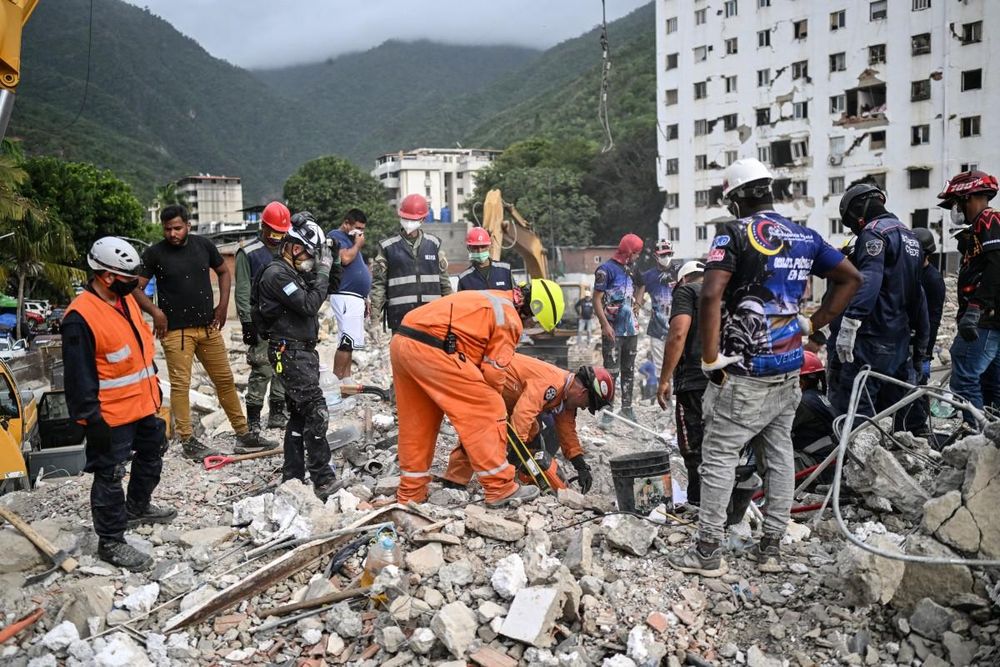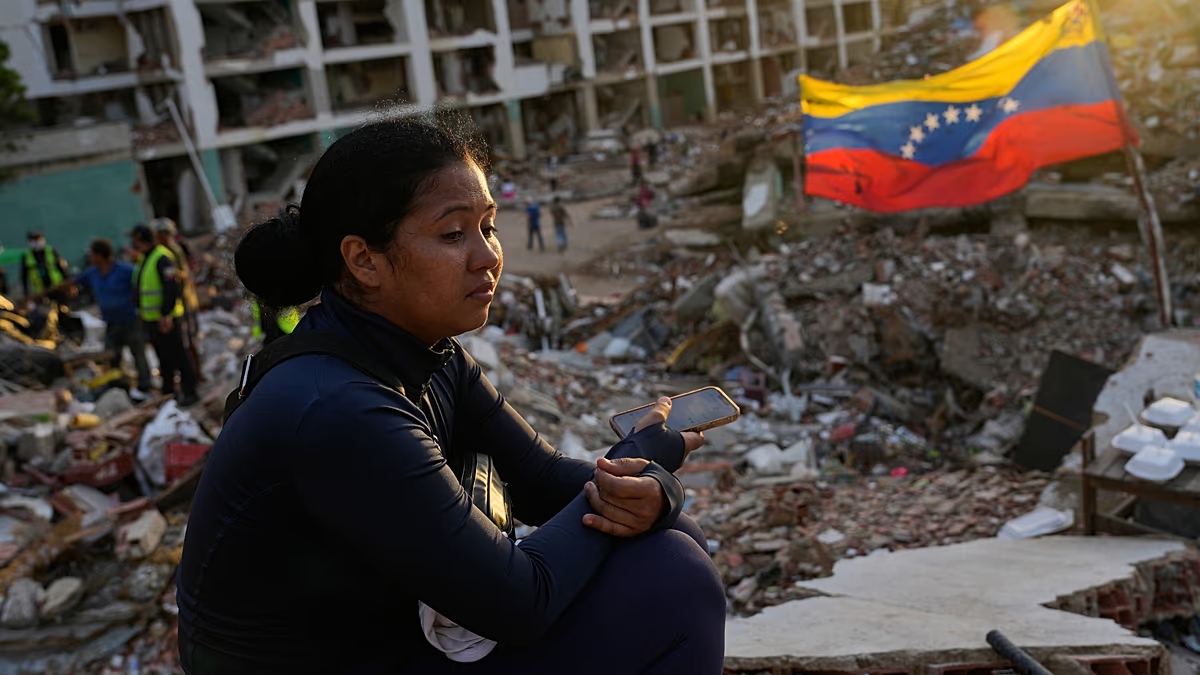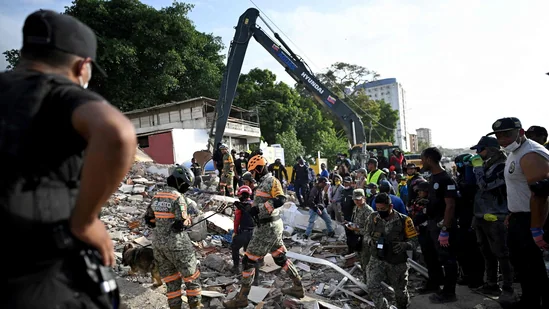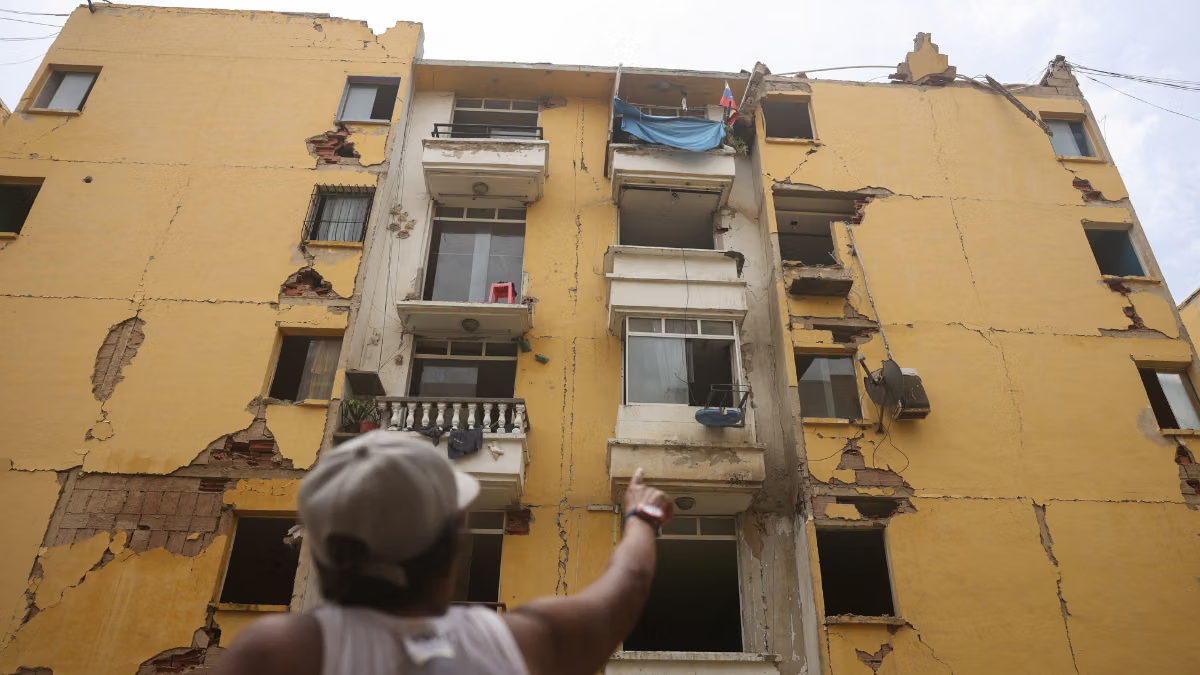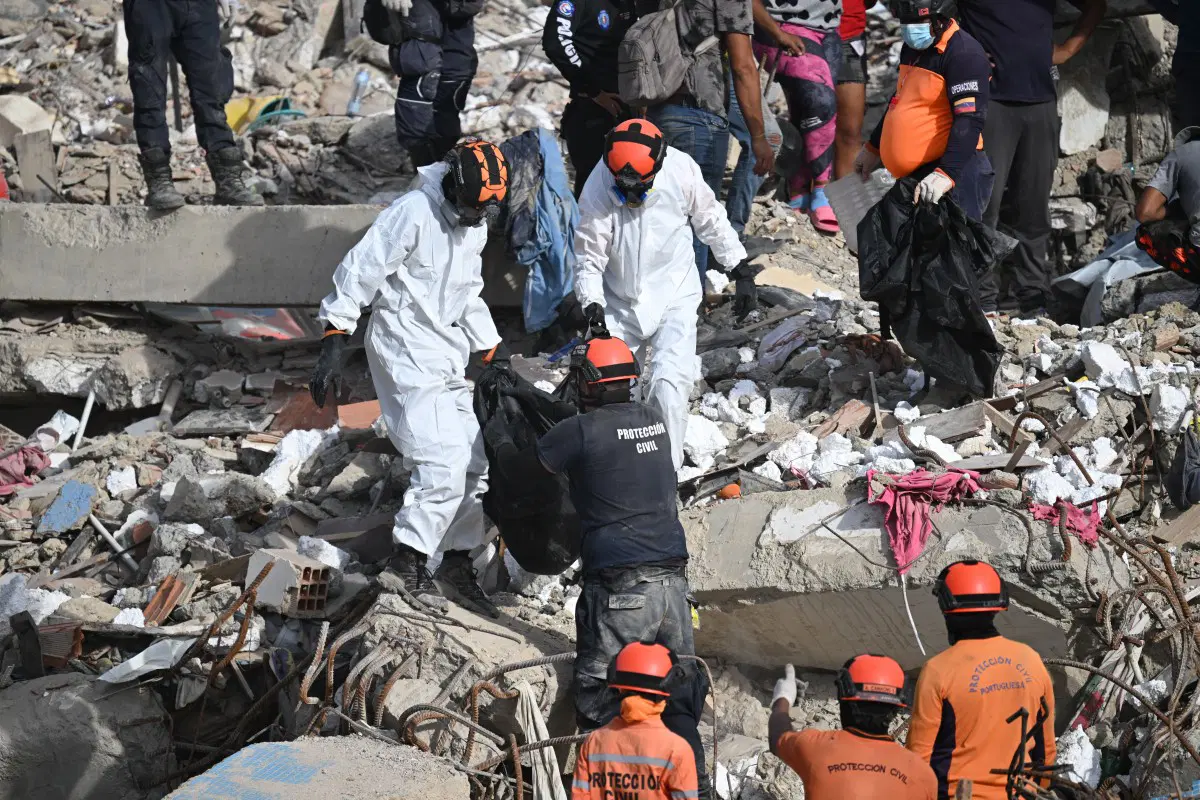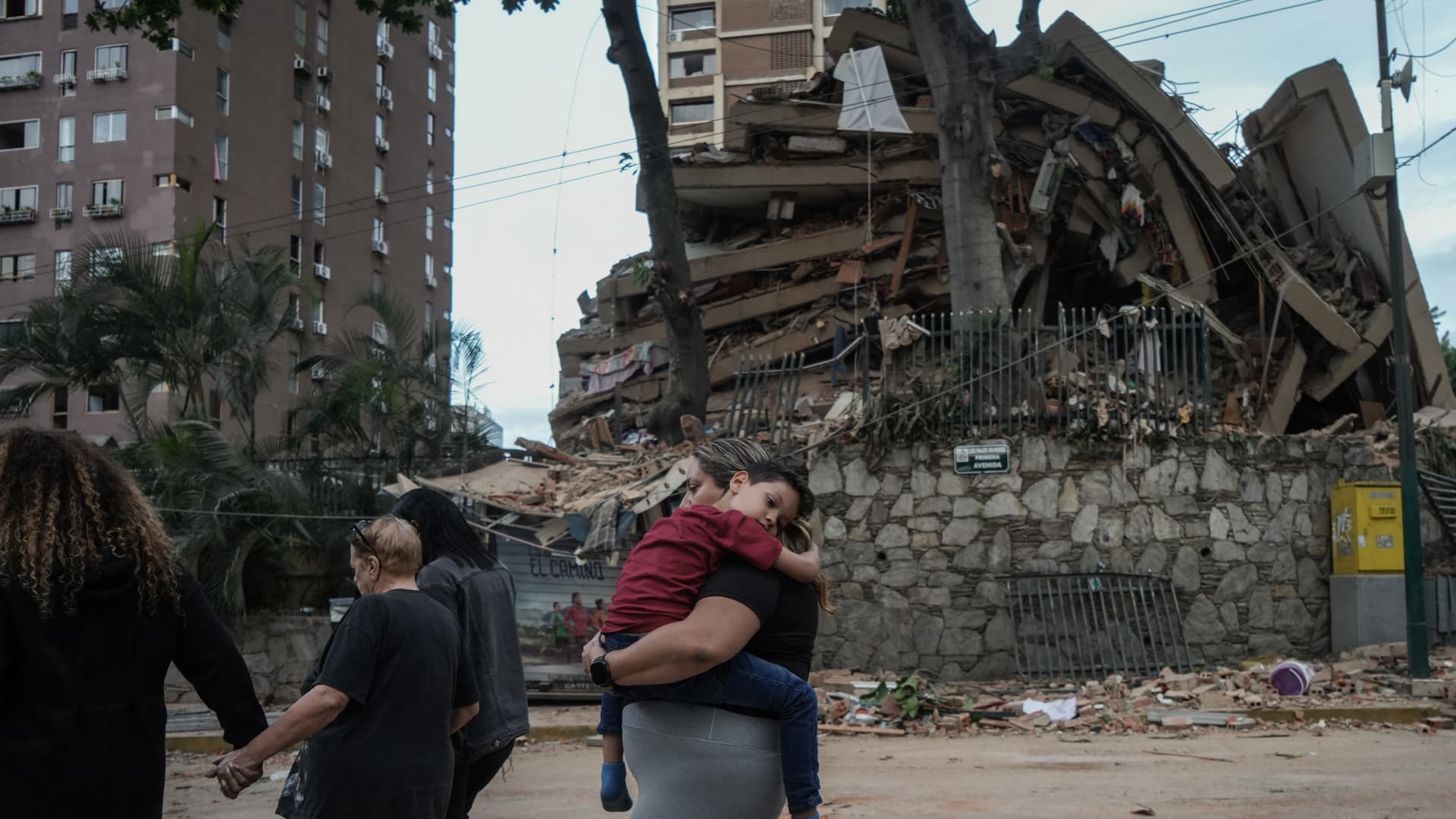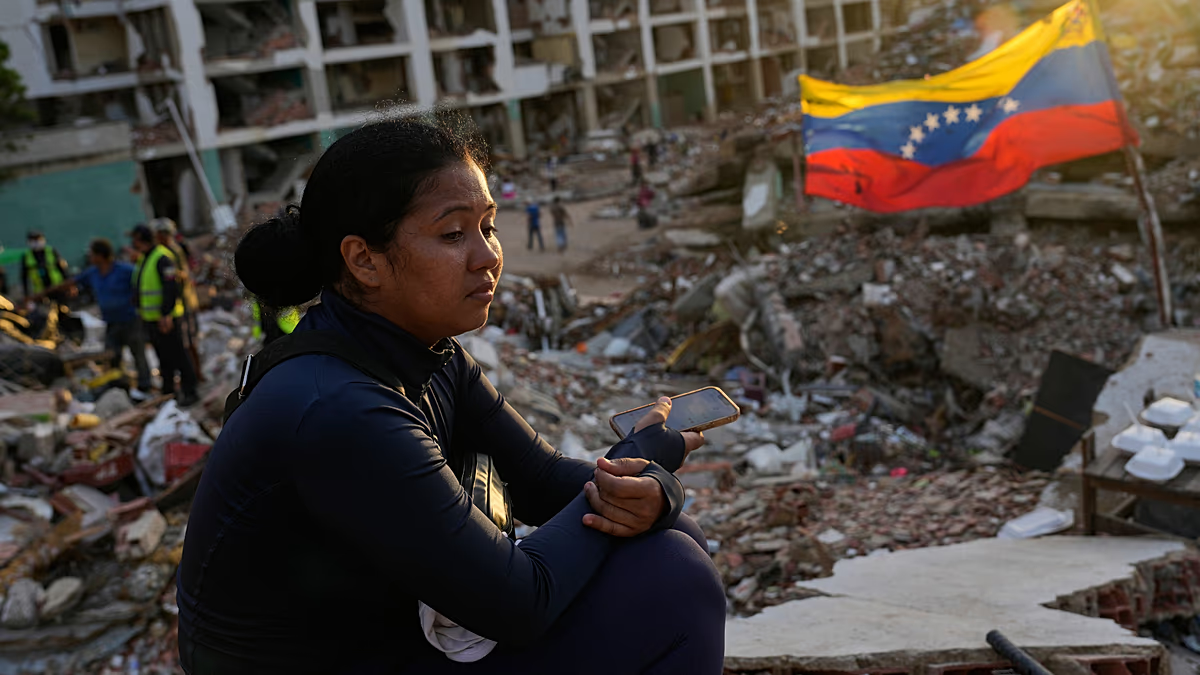
Thirty days have passed since the two earthquakes measuring 7.2 and 7.5 in magnitudestruck northern Venezuela just 39 seconds apart on the night of 24 June. What was described at the time as a rare seismic phenomenon**,** a seismic doublet, has turned into one of the worst natural disasters the country has experienced in more than a century.
A month on, the figures continue to evolve, although at a much slower pace than in the first few days, and there are still gaps the government has yet to fill. The most recent official toll, released last Friday by the president of the National Assembly, Jorge Rodríguez, puts the death toll at 5,546 and the number of injured at 16,740.
The figure has remained largely unchanged for weeks, which suggests medical teams are no longer receiving new serious cases, while the death toll continues to rise as debris removal work progresses and forensic teams continue identifying bodies, many of them buried unidentified in mass graves in cemeteries in La Guaira.
The most sensitive figure, however, is the one the Venezuelan government has stopped updating. Since 25 June, the day after the seismic doublet, the authorities have not provided a new official figure for the missing, which at that point stood at 157 people. In that vacuum, a citizens’ initiative has emerged, Desaparecidos del Terremoto de Venezuela, which centralises reports from relatives and keeps a register containing reports on nearly 29,500 people whose whereabouts have been reported as unknown. That gap between what the state acknowledges and what citizens themselves are documenting is one of the most questioned aspects of the way the emergency has been handled.