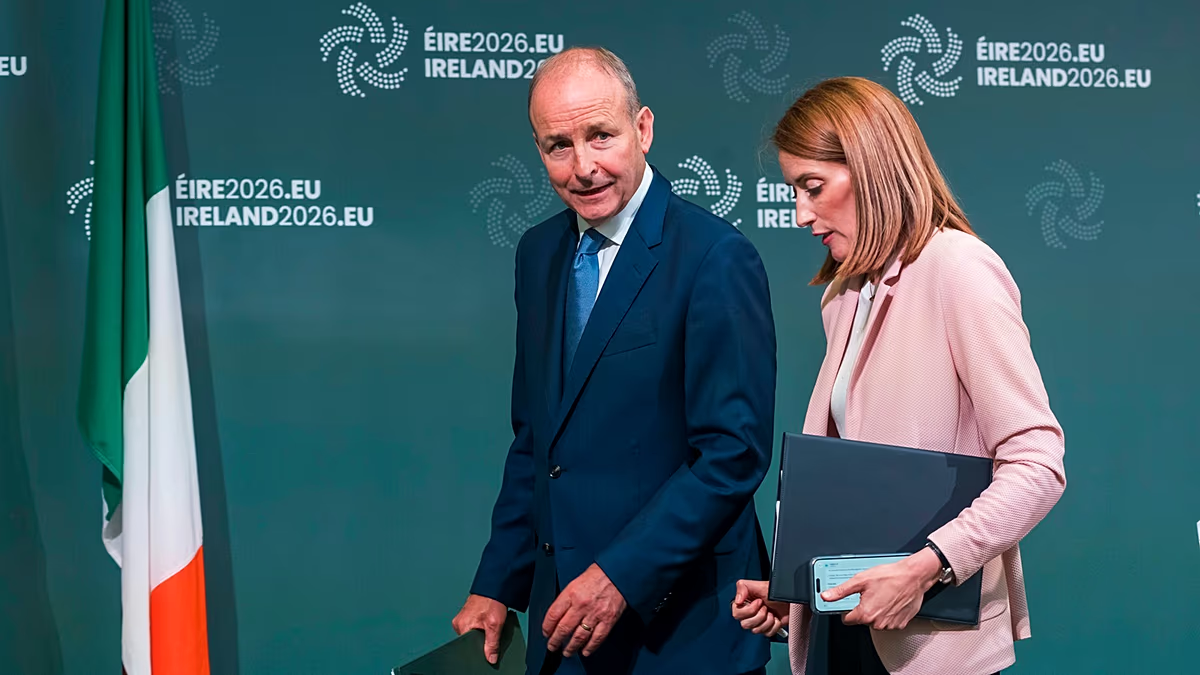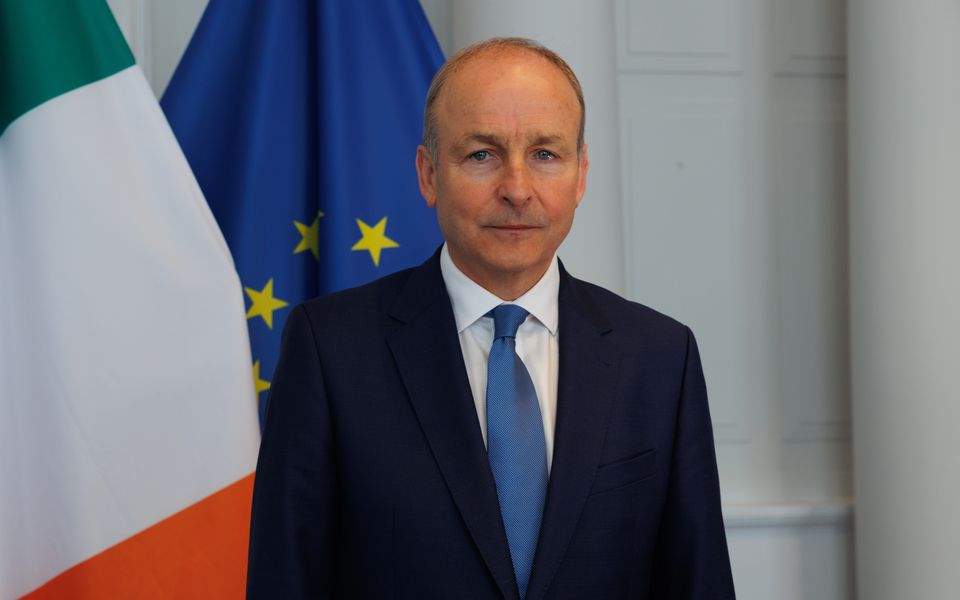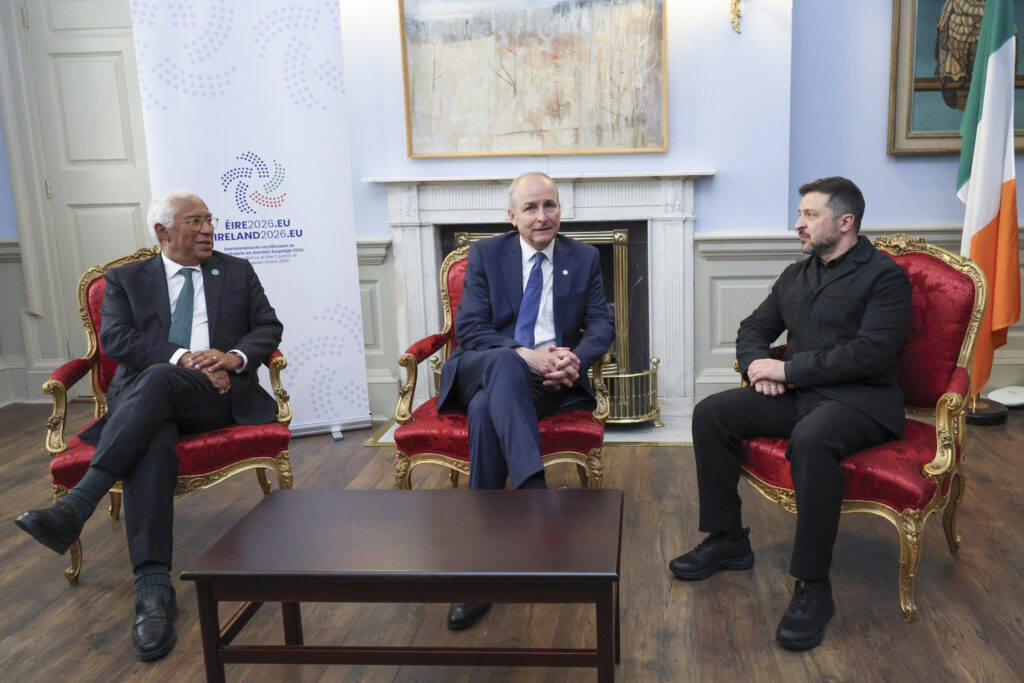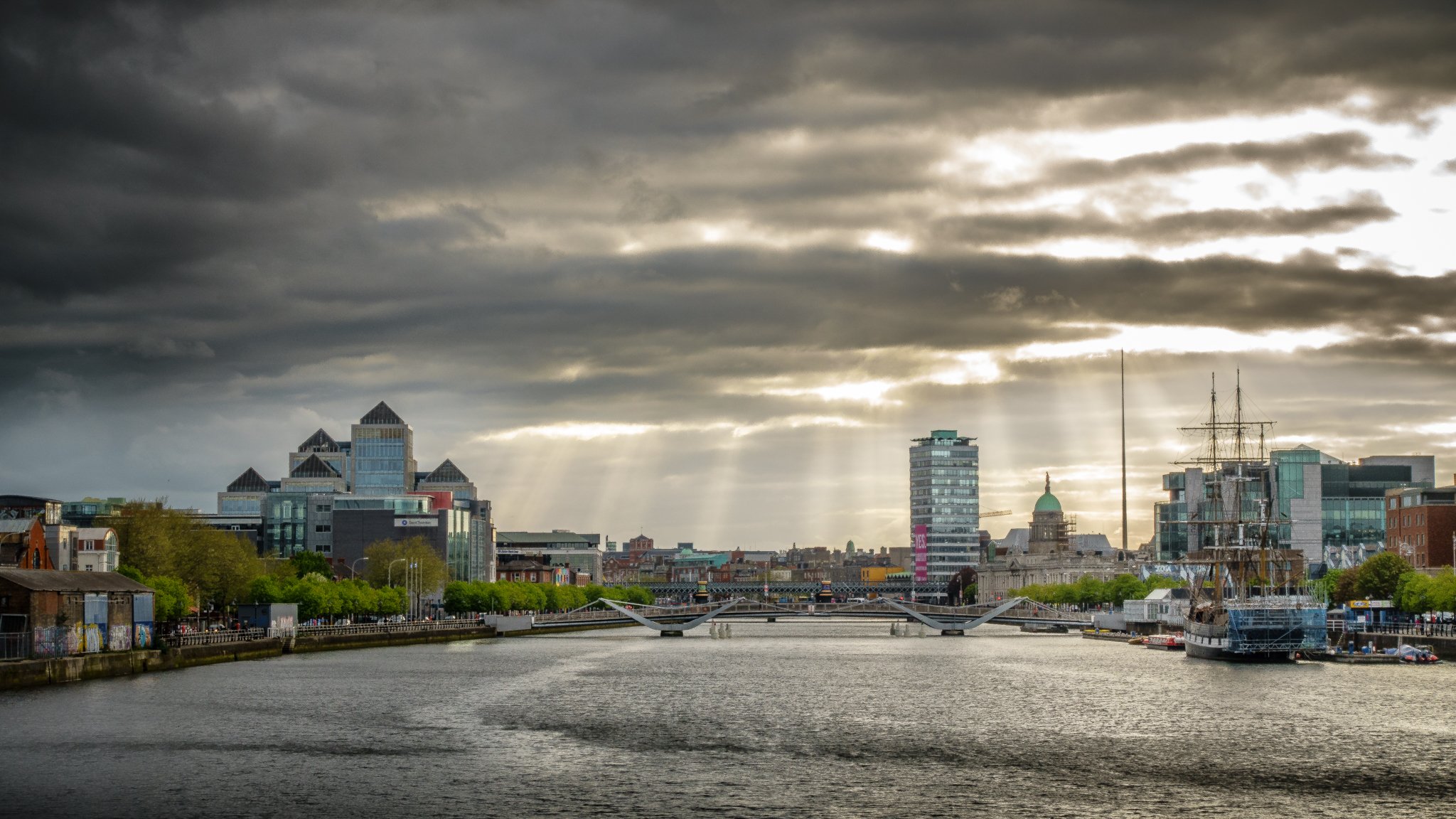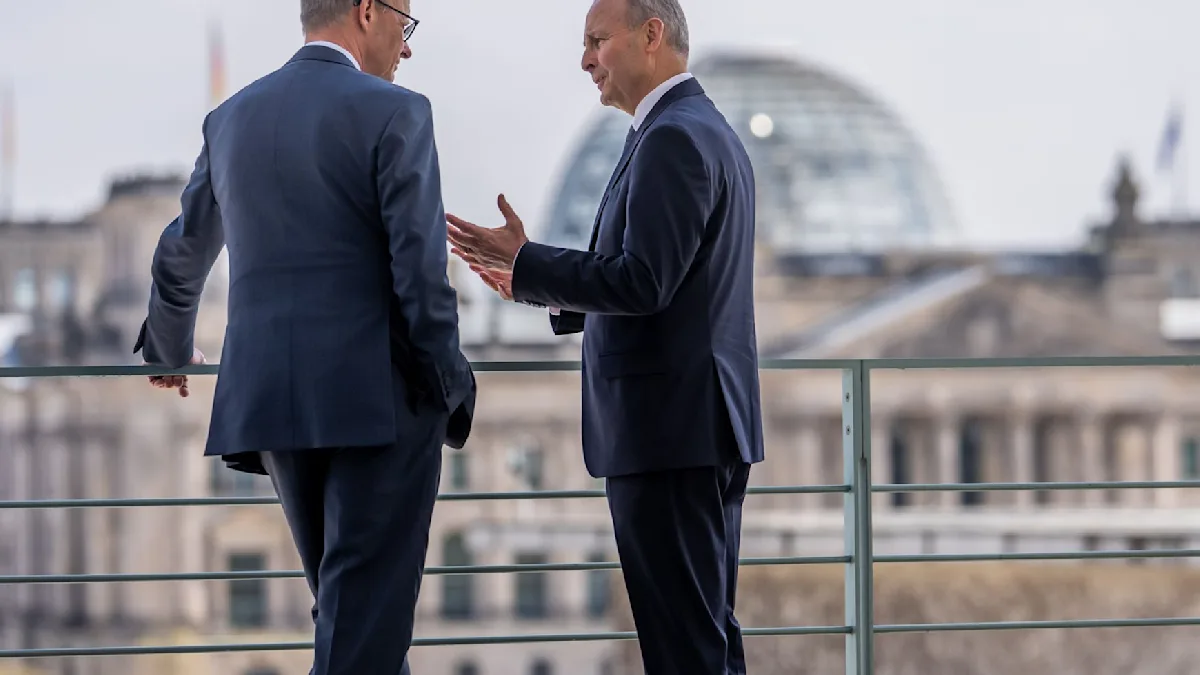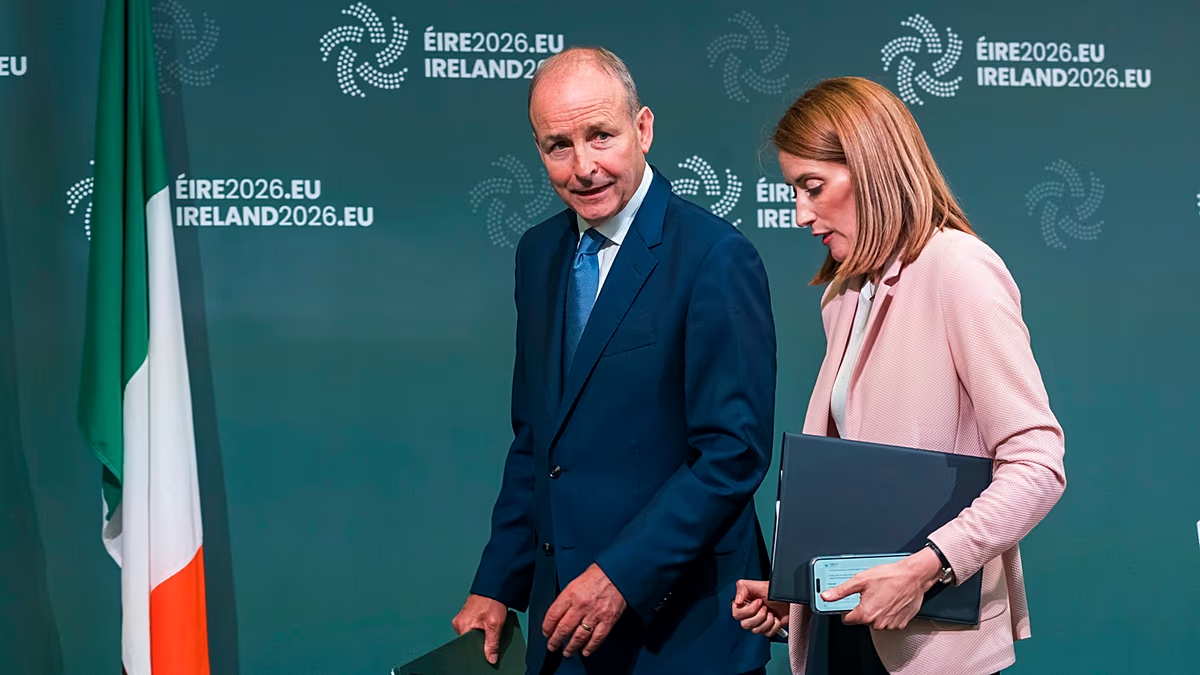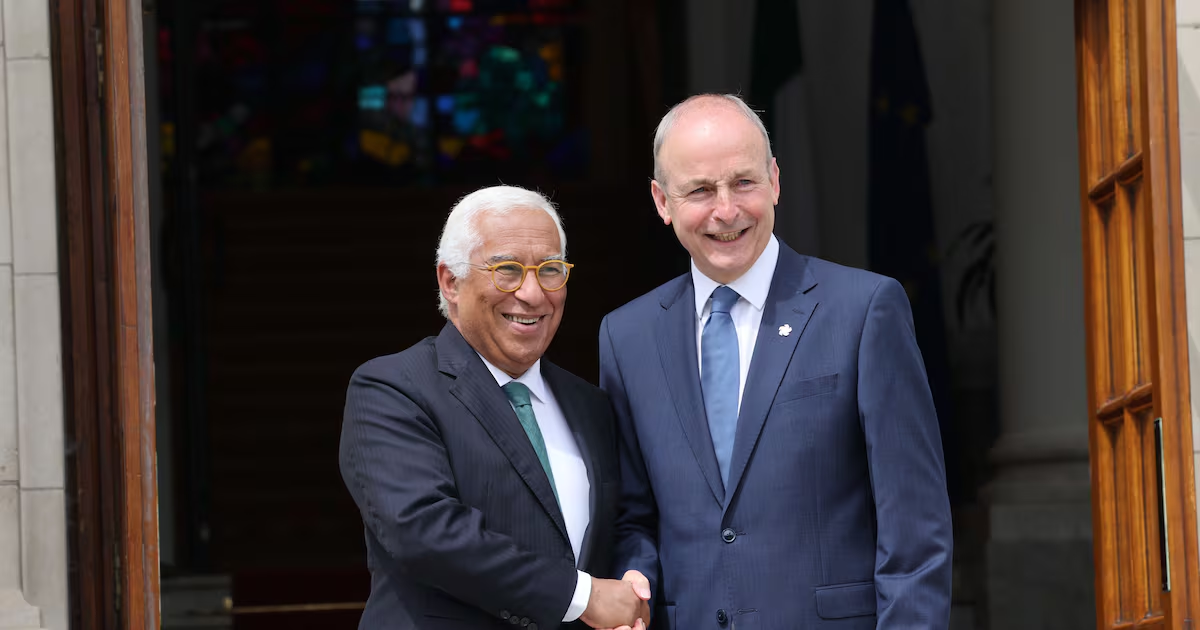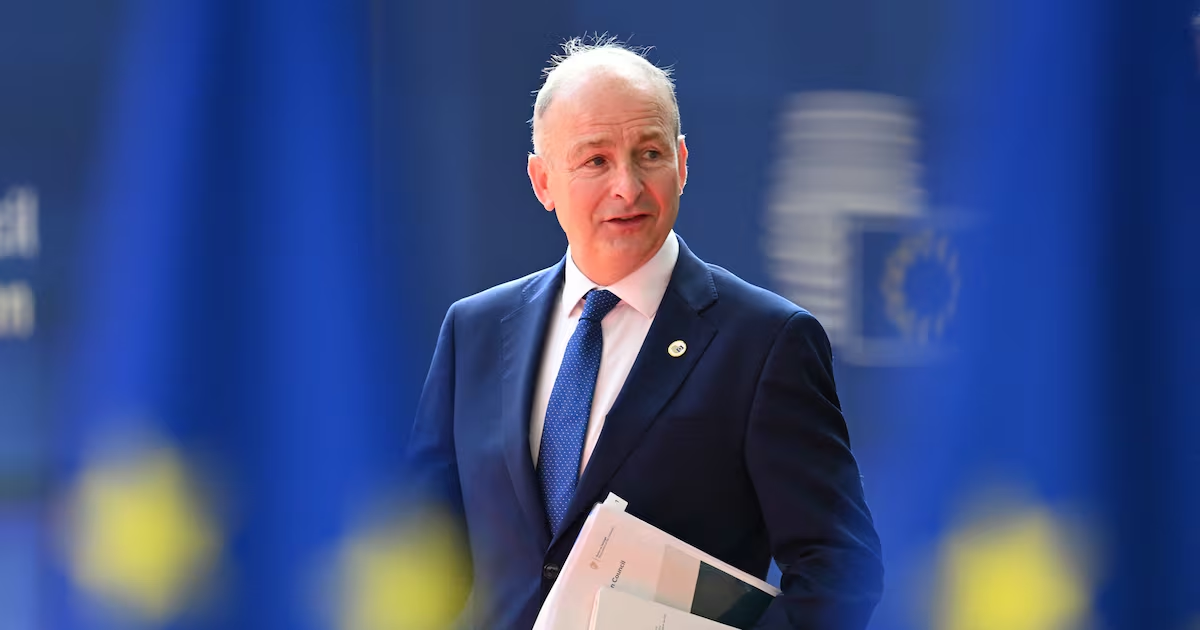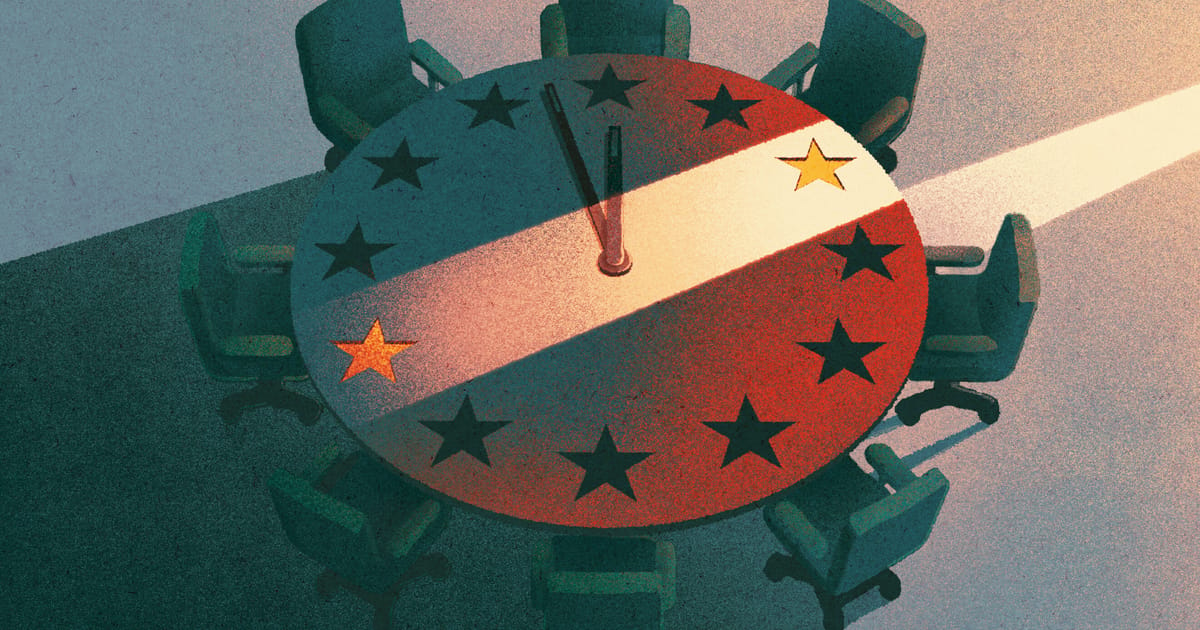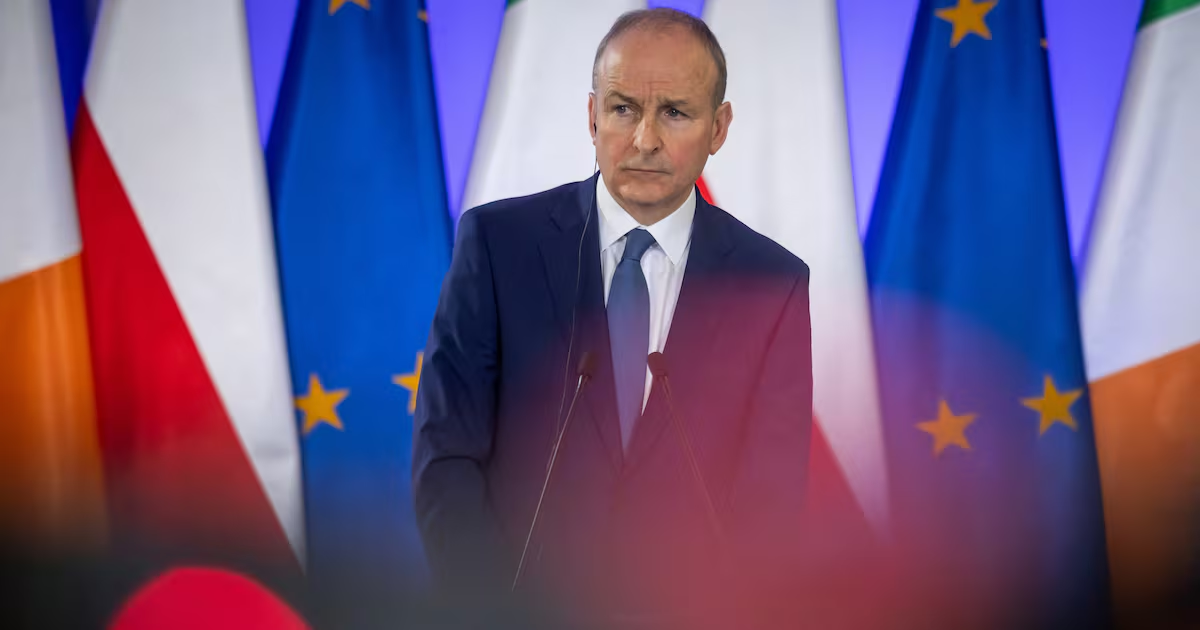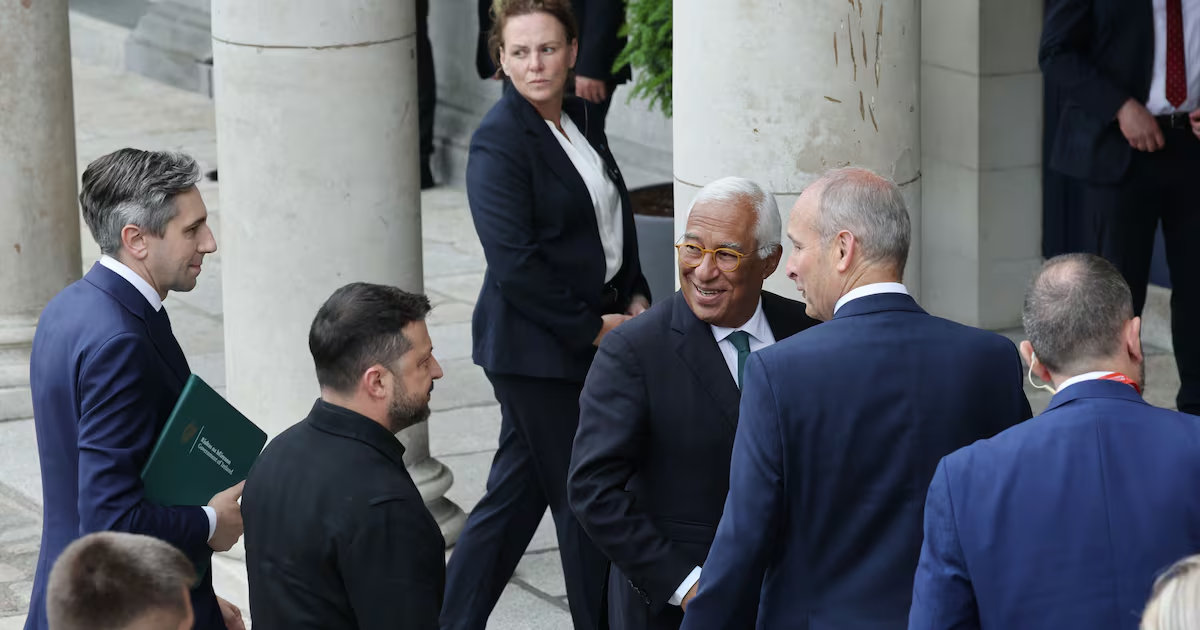
“Ready to give it our all.” Thus did Taoiseach Micheál Martin describe his Government’s disposition as he welcomed European Council president António Costa to the first formal engagement of Ireland’s six-month EU presidency.The meeting between the two men was cut short because Costa’s Ryanair flight from Brussels was delayed and the ceremonials were starting soon in Dublin Castle. So much for the perks of high office. They spoke briefly inside Government Buildings before being whisked down to the castle, where they were subjected to flag-raising, musical performances, poetry, Carrie Crowley and multiple speeches. Commentary was provided on RTÉ’s live coverage by former diplomat Bobby McDonagh and academic Brigid Laffan. All agreed the event was splendid. It’s going to be a long six months. The Government and the Civil Service have been preparing for the presidency with growing intensity for months. Interest groups and various “stakeholders” have weighed in with their advice and requests. It’s a big deal for what Eamon Dunphy used to call “official Ireland”. But the rest of Ireland is unlikely to dwell on the struggles to agree draft conclusions for meetings of the Council of Ministers. That is not to say the EU’s famously byzantine decision-making processes are unimportant, or inconsequential, for people. But they are undeniably remote.Ireland’s role will be to prioritise, set agendas, steer discussions and seek to gain agreement on what the EU does. Perhaps it’s not real power in the sense that the big countries of the EU wield power. But it is propinquity, influence, clout. It is the ability to get things done.The Irish priorities for the presidency are competitiveness, security and values. Key issues will be enlargement, Ukraine, the capital markets union and, above all perhaps, the next EU budget. The union wants to do a lot more, especially on defence, as the US security guarantee against Russia, under which Europe (including Ireland) has lived and prospered for three-quarters of a century, withers under Donald Trump. But there is disagreement on how it should be paid for. By new sources of revenue? By diverting resources from existing budget areas, such as the Common Agricultural Policy? By increasing member states’ contributions? The EU never has any shortage of ambition. But it does have a shortage of resources.Squaring this – and other circles – will be the work of Irish officials and politicians in the months ahead. It will require patience and application over countless hours. Success does not necessarily require solving all the problems and completing all the files (that’s not realistic) but it does require achieving significant progress and being seen by EU partners to have run a strong and impactful presidency. That would enhance Ireland’s capital with its partners, which has been battered in recent years. Just because that is not measurable does not mean it doesn’t matter. It does. It’s just hard to communicate all that at home.[ The Irish Times view on Ireland’s EU presidency: more horse-trading than high politicsOpens in new window ]And there is an opportunity cost for all this. Hence the persistent, gnawing worry in some quarters of the Coalition apparatus that the presidency will inevitably distract from the bread-and-butter work of Government. The struggle to deliver more housing, to deal with cost-of-living pressures, to improve public services, to build much-needed (and in many cases, long-delayed) infrastructure. The emphasis on delivery of improvements in these areas was something Martin used to talk a lot about to his Ministers. The Taoiseach is involved in the minutiae of most of his Ministers’ work. But there are only so many hours in the week. Polling suggests the public remains principally concerned with the cost of living, and fuel prices are at the sharp end of that. This week Government agreed a series of increases in the price of fuel will begin in September; that, rather than the Dublin Castle ceremonials, is what most people are likely to have noticed this week.
EU presidency comes with opportunity – but also opportunity cost
Micheál Martin said his Government was ‘ready to give it our all’ over the next six months, but are there enough hours in the week?
653 words~3 min read