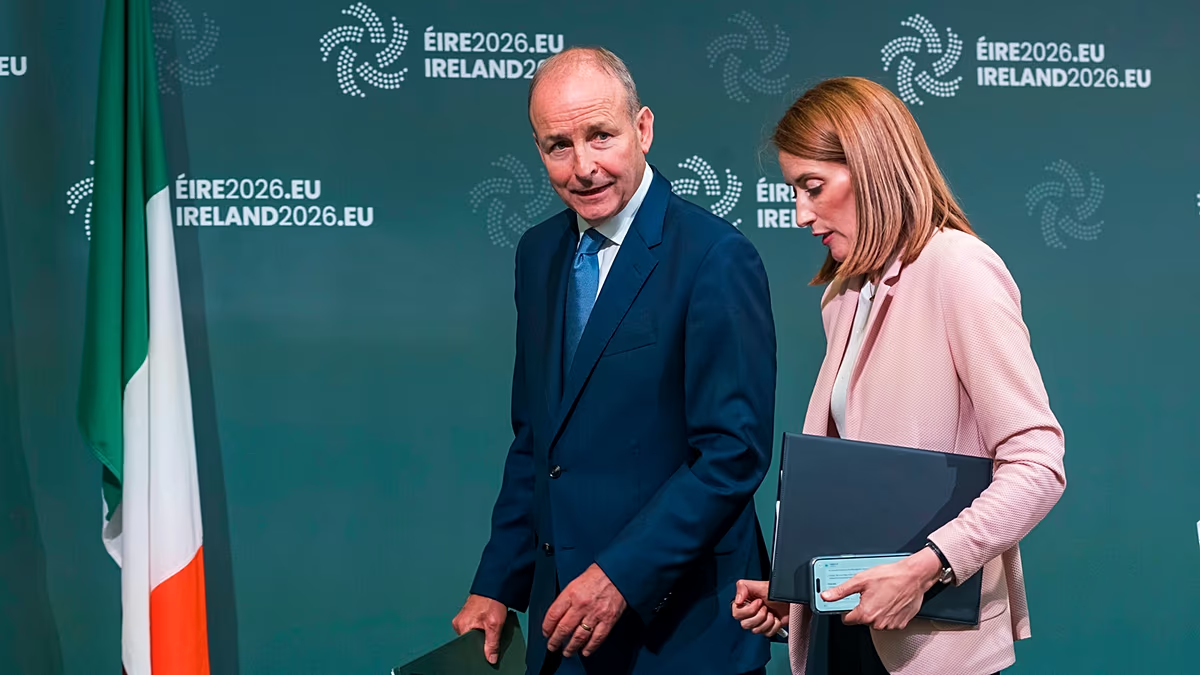
Ireland takes over the rotating presidency of the Council of the EU on July 1 at a moment of rare political opportunity — and intense time pressure.
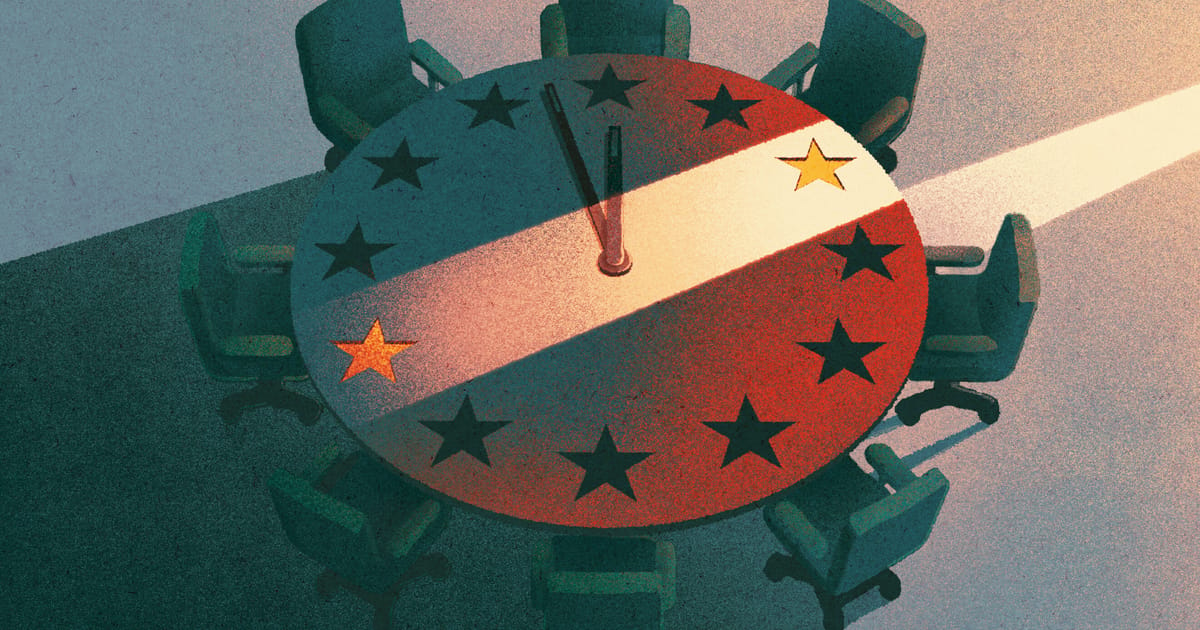
Dublin wants to use its six months chairing the EU’s policy agenda to push forward some of the bloc’s biggest unresolved questions, from enlargement to the next long-term EU budget. But with France voting in a presidential election in April 2027, Irish officials know the window for major political decisions will not stay open for long.
“We’re aware of the electoral cycle, we’re practicing politicians ourselves so we can see how things work,” Ireland’s Europe Minister Thomas Byrne told POLITICO.
As the French campaign gathers pace, Paris is likely to become more cautious about controversial EU decisions, wary of handing ammunition to Marine Le Pen and Jordan Bardella’s far-right National Rally, which leads the opinion polls. That leaves Dublin with a narrow period in which to broker agreements before French domestic politics begins to dominate the European agenda.
The urgency is heightened by a significant shift elsewhere in the bloc. The departure of veto-wielding former Hungarian Prime Minister Viktor Orbán has removed one of the biggest obstacles to EU decision-making, creating new momentum on files that had been stalled for years.