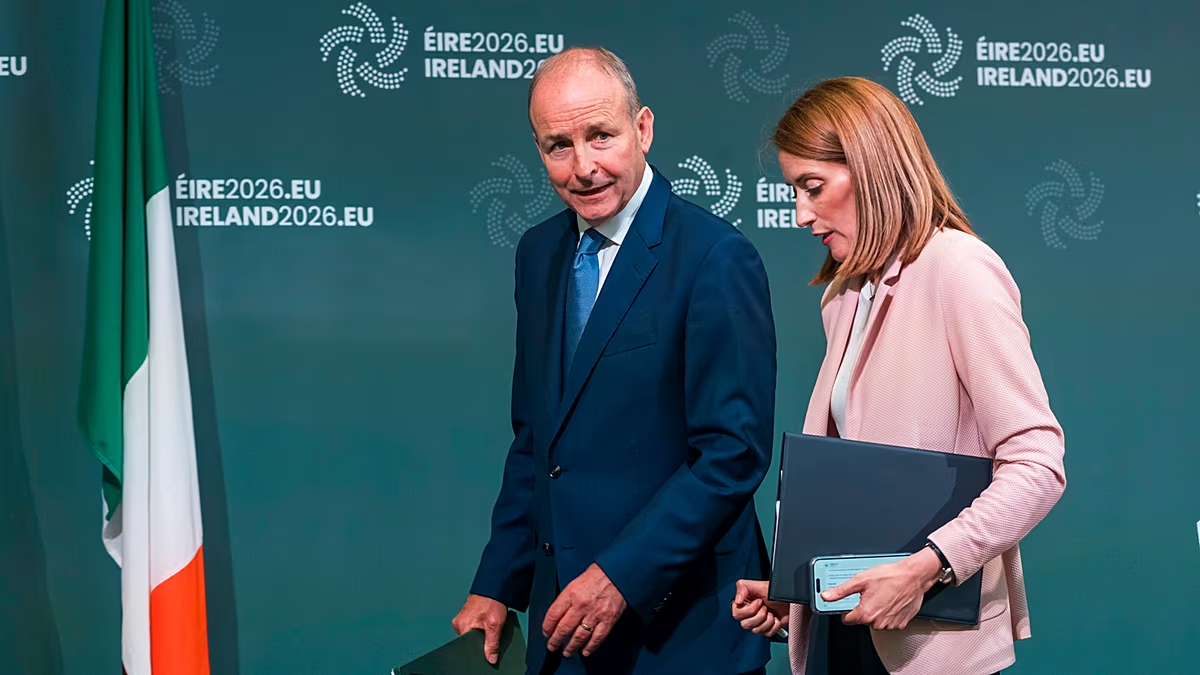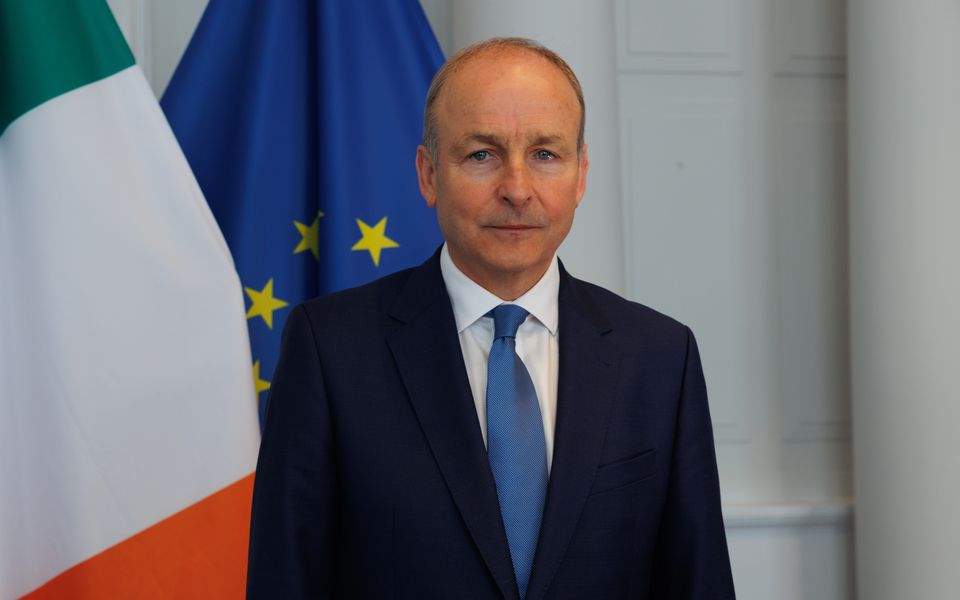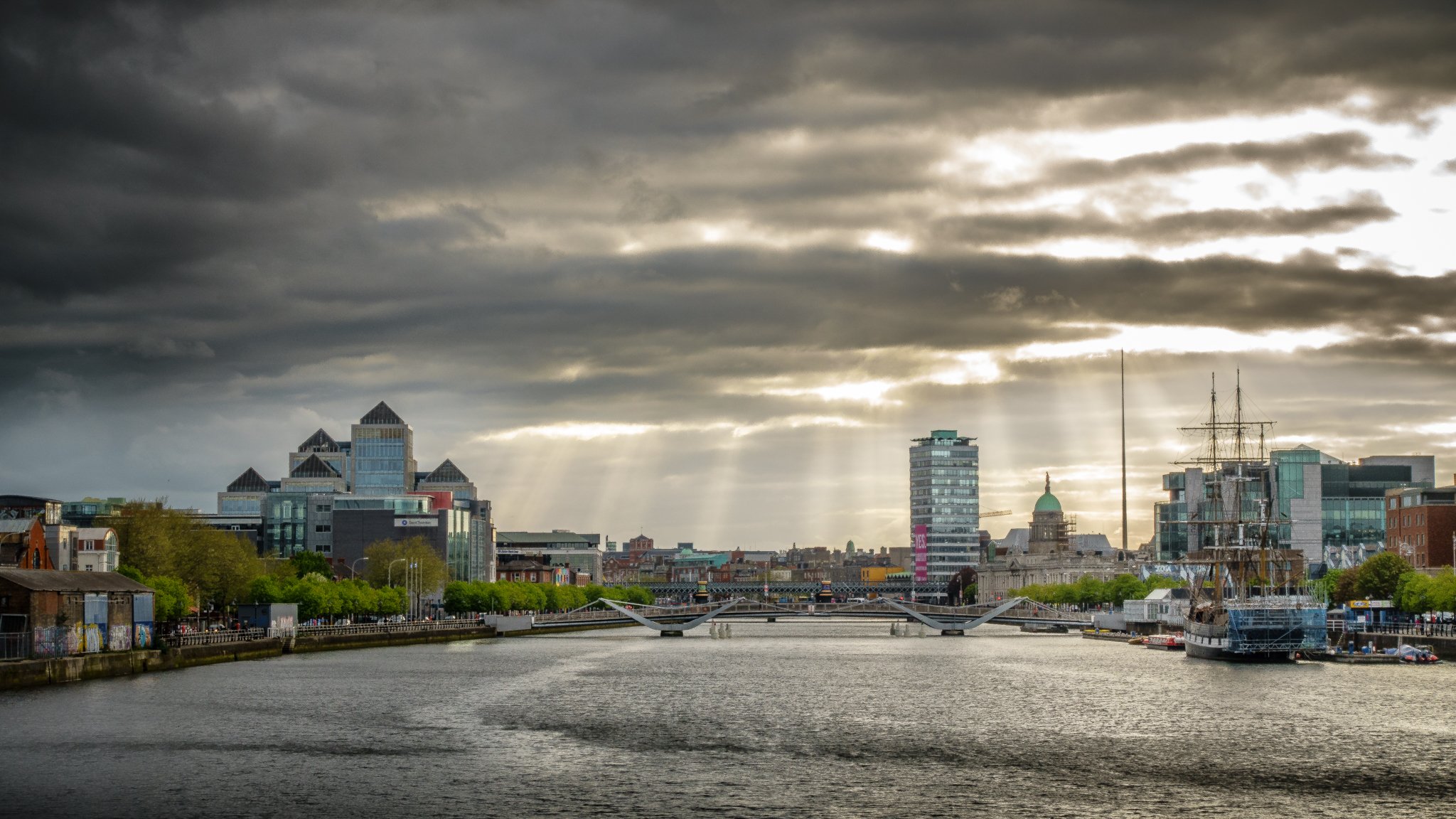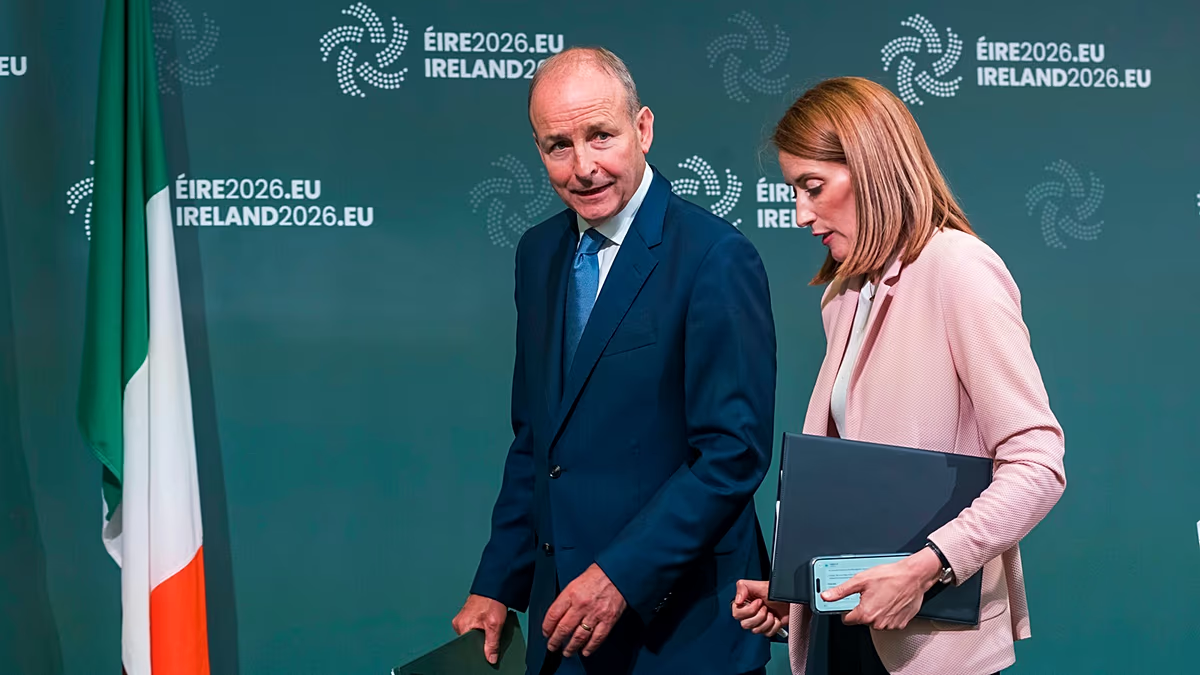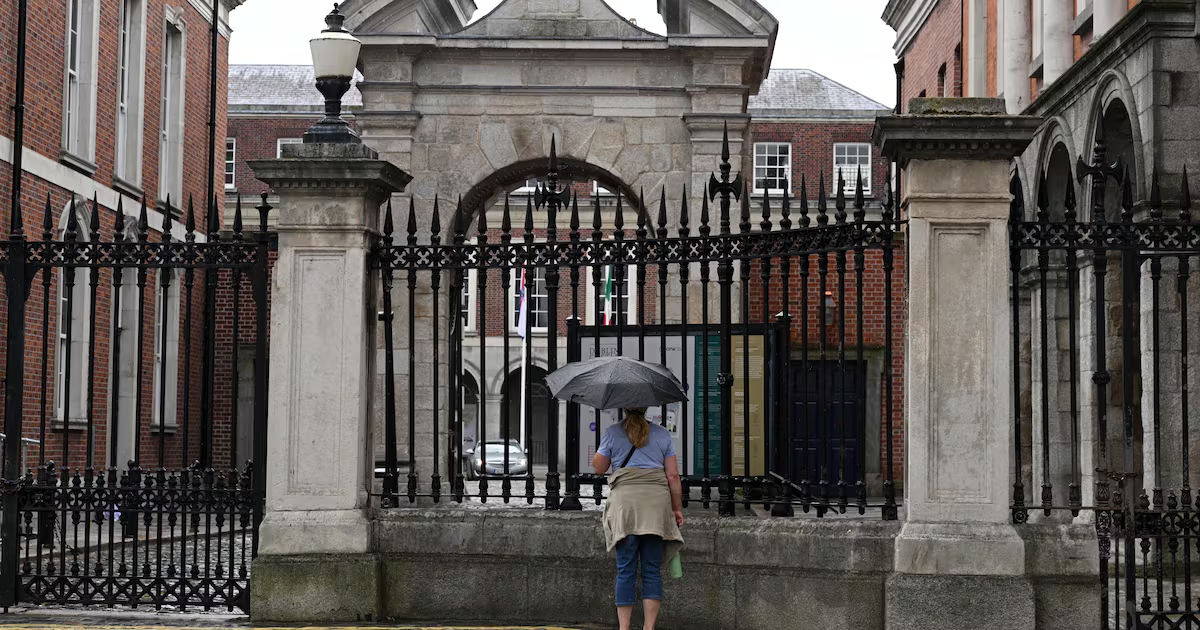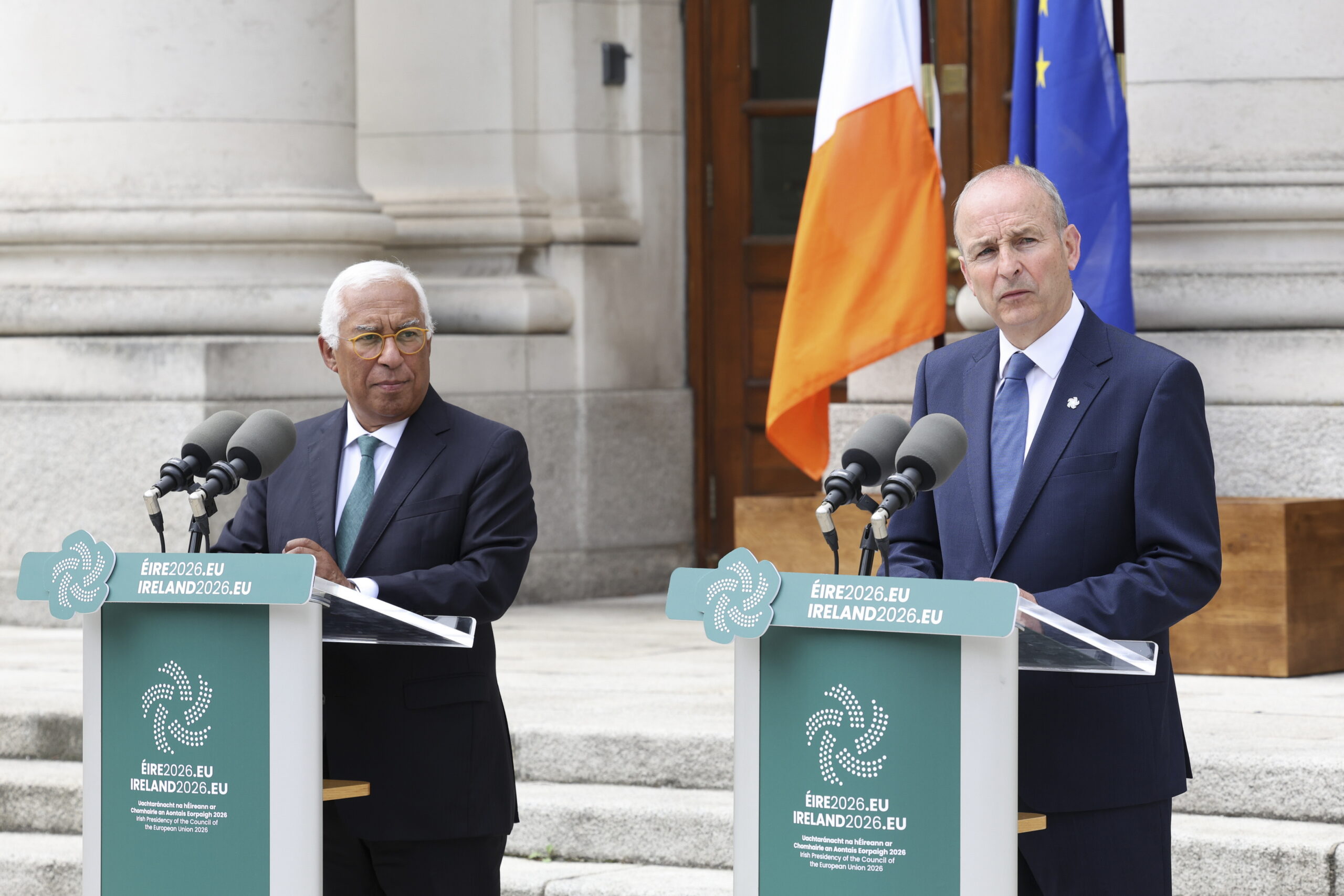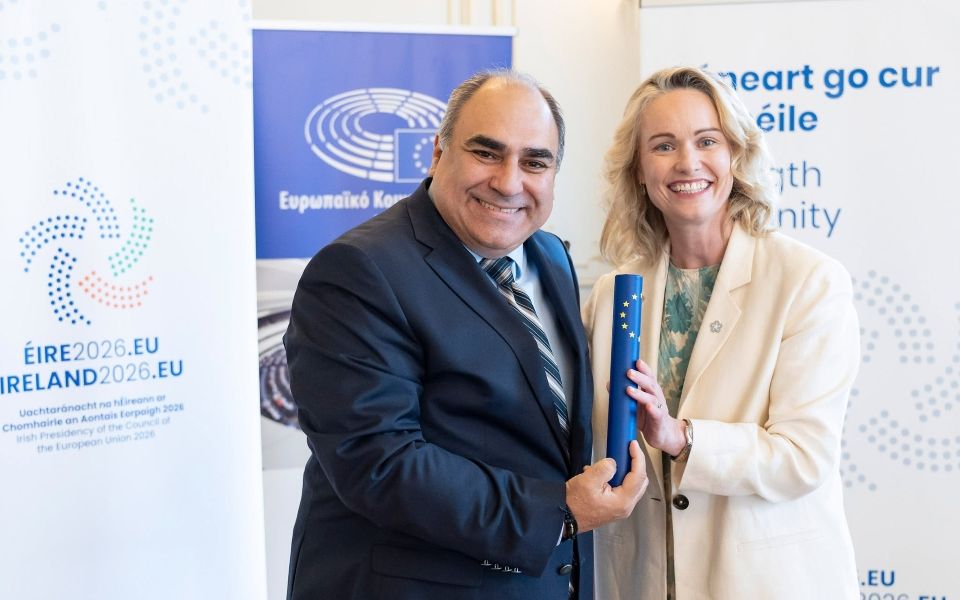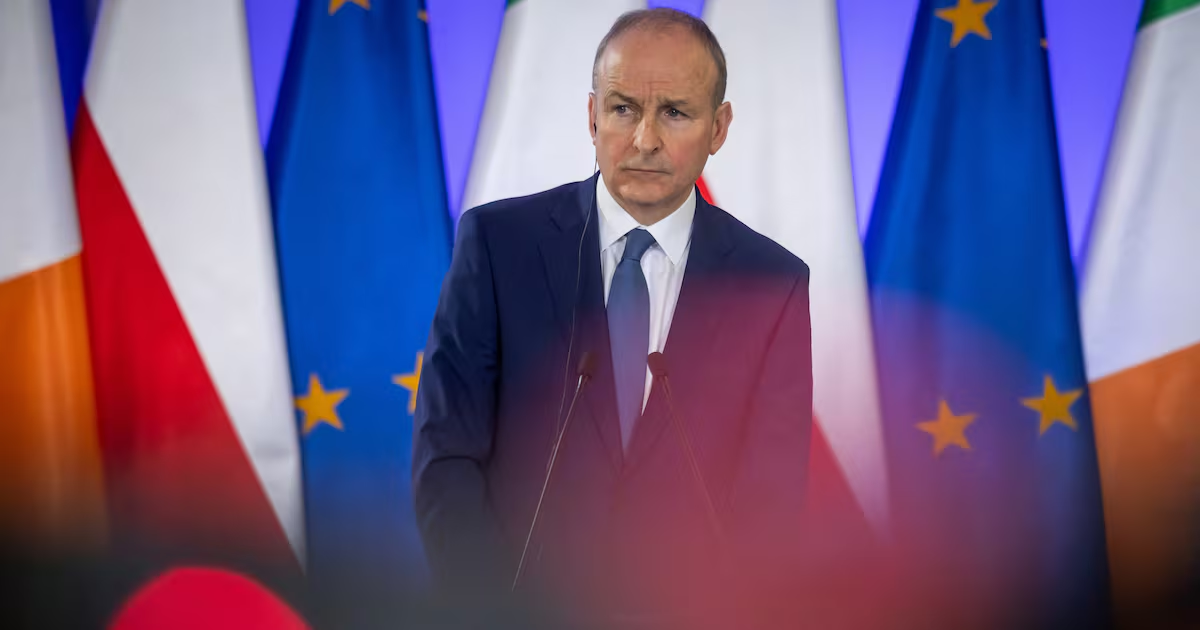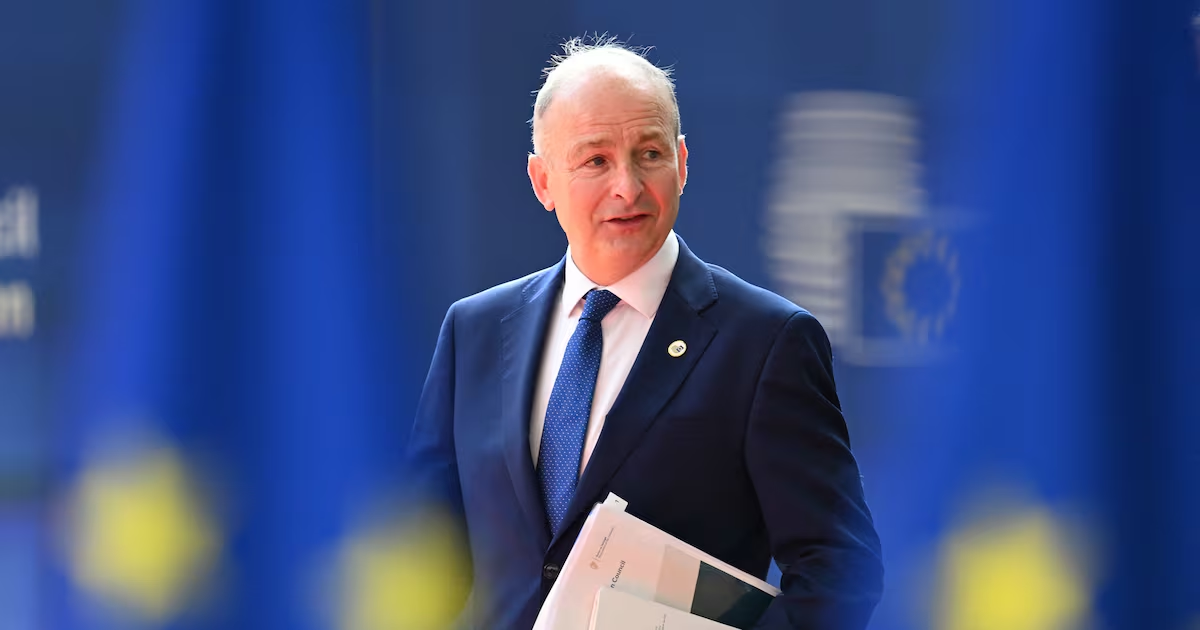
Ireland has officially assumed the rotating presidency of the Council of the European Union for the next six months, taking over from Cyprus at a time of heightened geopolitical tensions and major policy decisions facing the bloc. It is the eighth time the country, which joined the European Community in 1973, has held the presidency. Dublin says it intends to guide negotiations under the motto "Strength with unity," with Taoiseach Micheál Martin describing the current period as one of growing global uncertainty and unpredictability.
One of the first and most urgent challenges awaiting the Irish presidency is securing agreement on the European Union's next package of sanctions against Russia before the July 15 deadline. Failure to reach a deal would automatically trigger a revision of the EU's price cap on Russian oil. Because of recent market volatility, the mechanism could push the cap significantly above its current level of USD44 per barrel, potentially returning it to or even above the original USD60 threshold, a move many member states consider politically unacceptable.
Negotiations remain complicated by objections from several capitals. Bulgaria has warned it could block the sanctions package if it includes Russian Orthodox Patriarch Kirill and Lukoil founder Vagit Alekperov on the sanctions list. Sofia has also raised concerns over possible consequences for fertilizer supplies and spare parts needed for the capital's metro system. Additional disputes among member states involve restrictions on Russian fish imports, LNG tanker sales, and proposed travel bans targeting Russian military personnel.