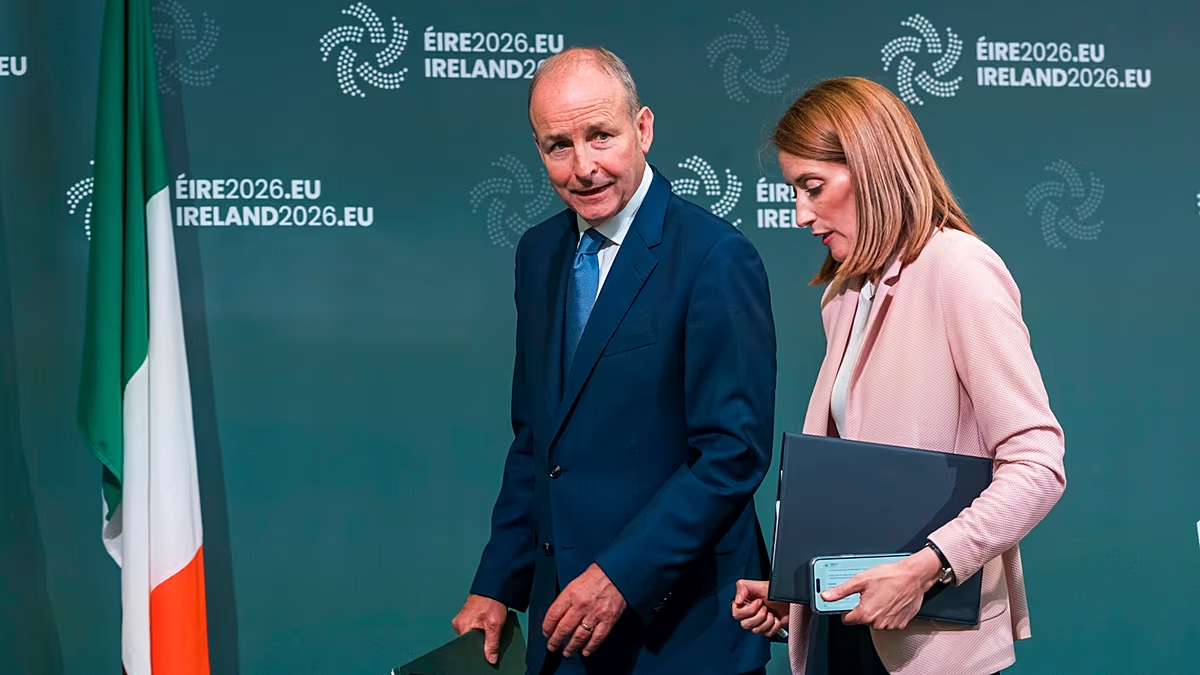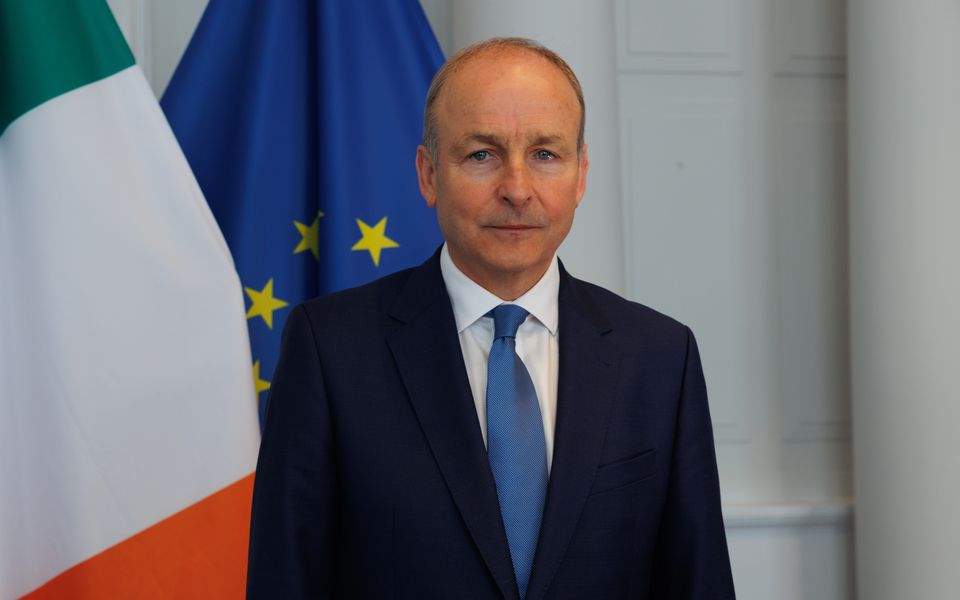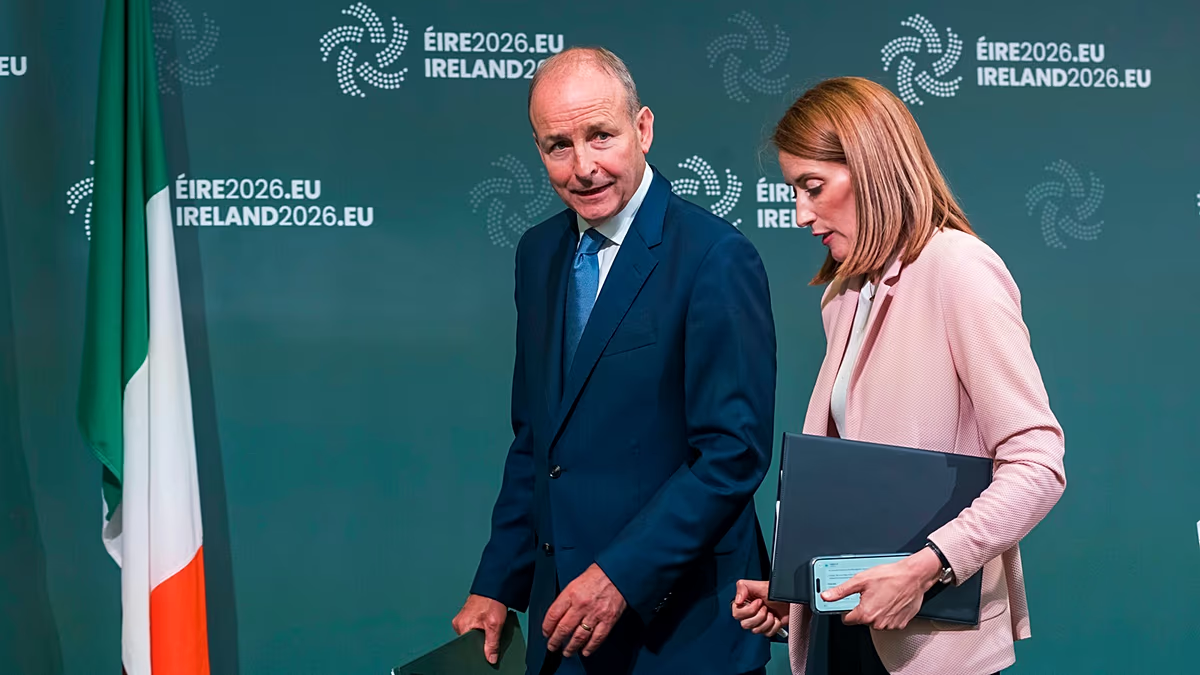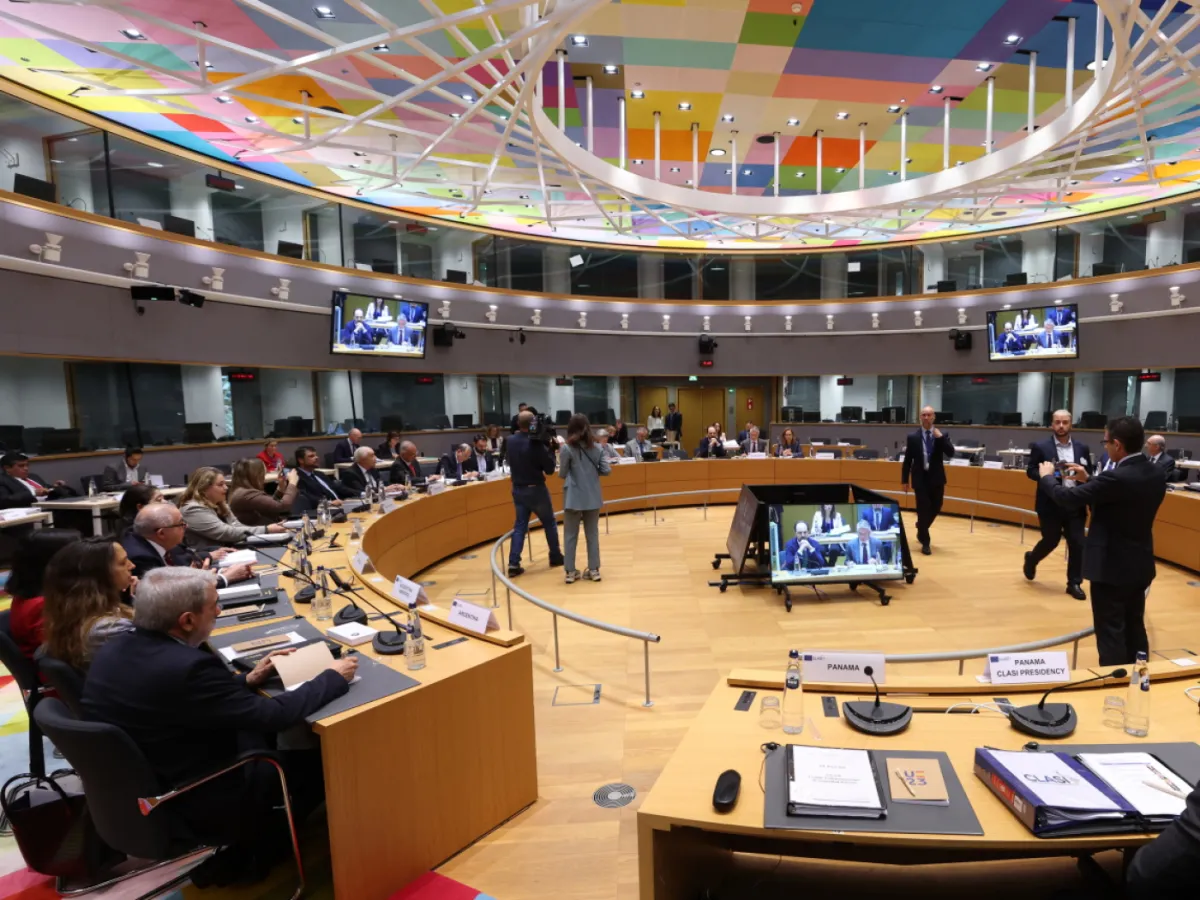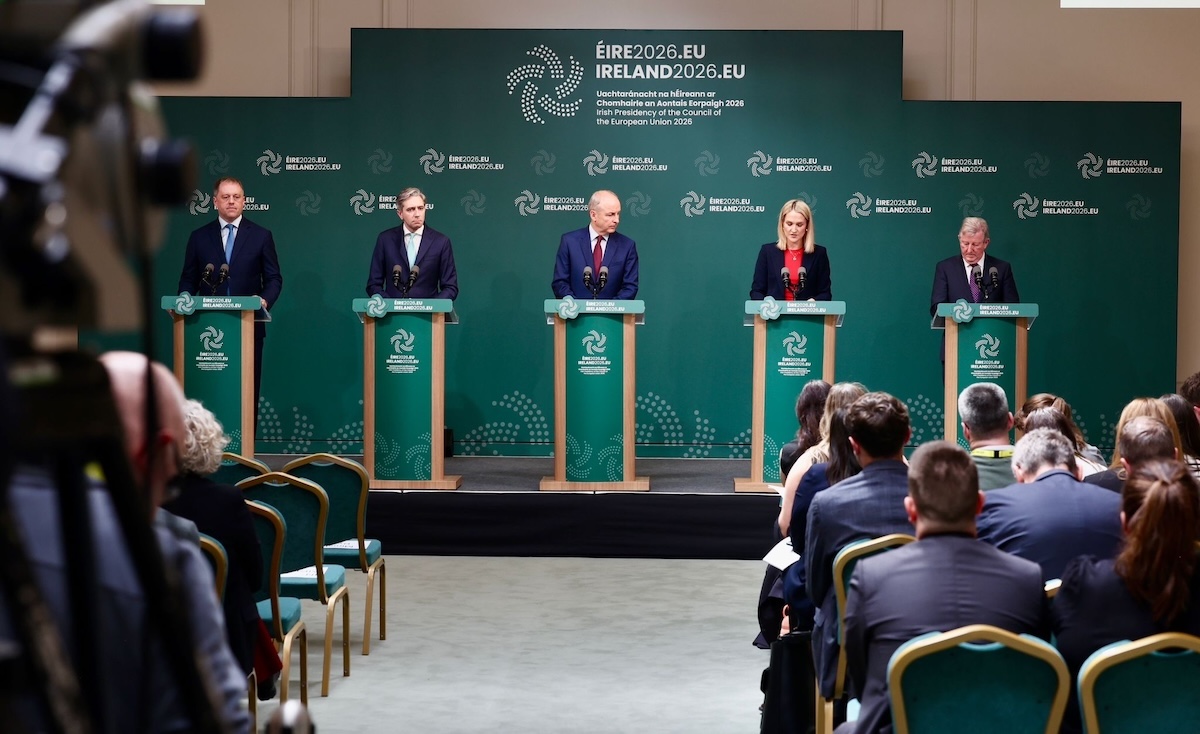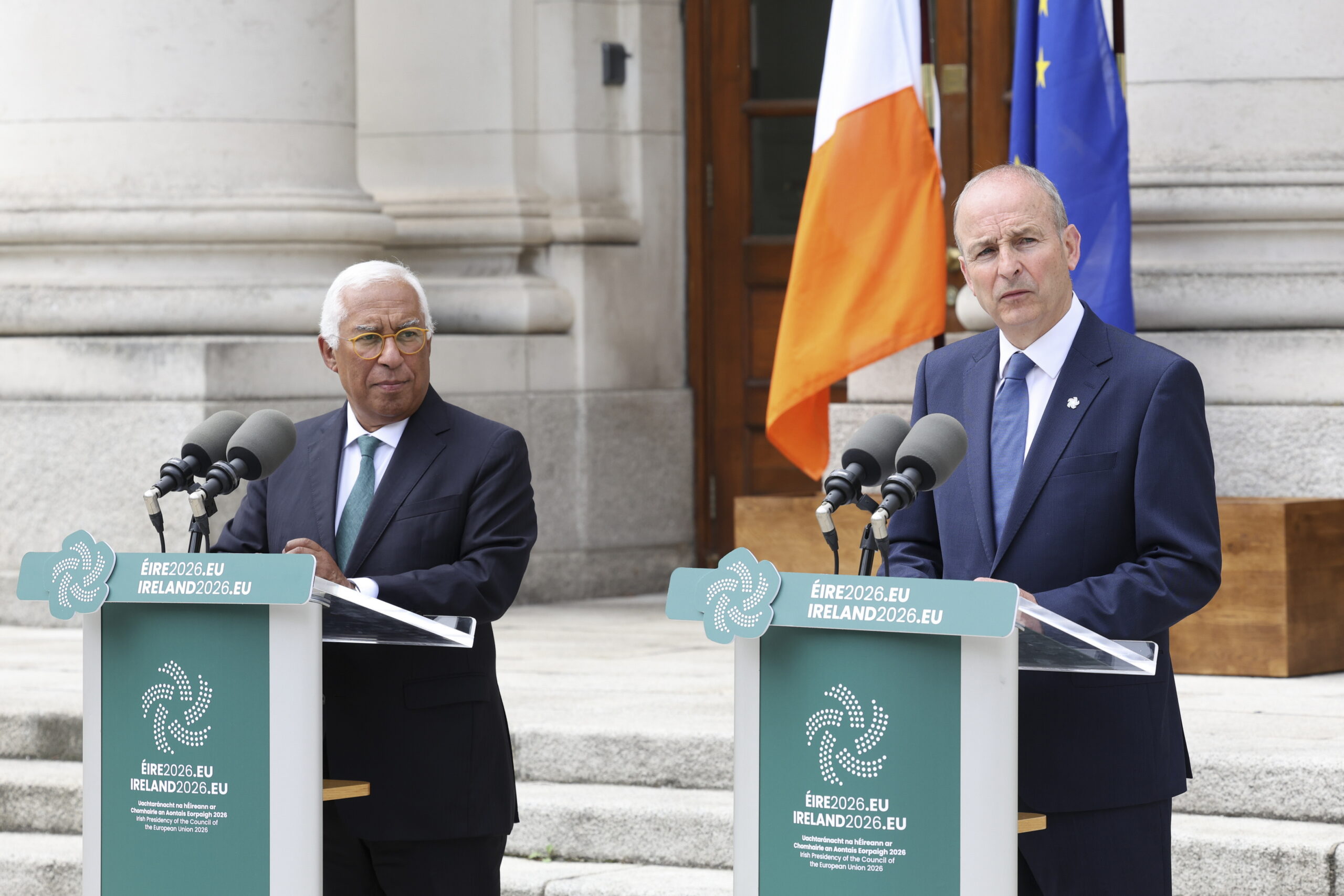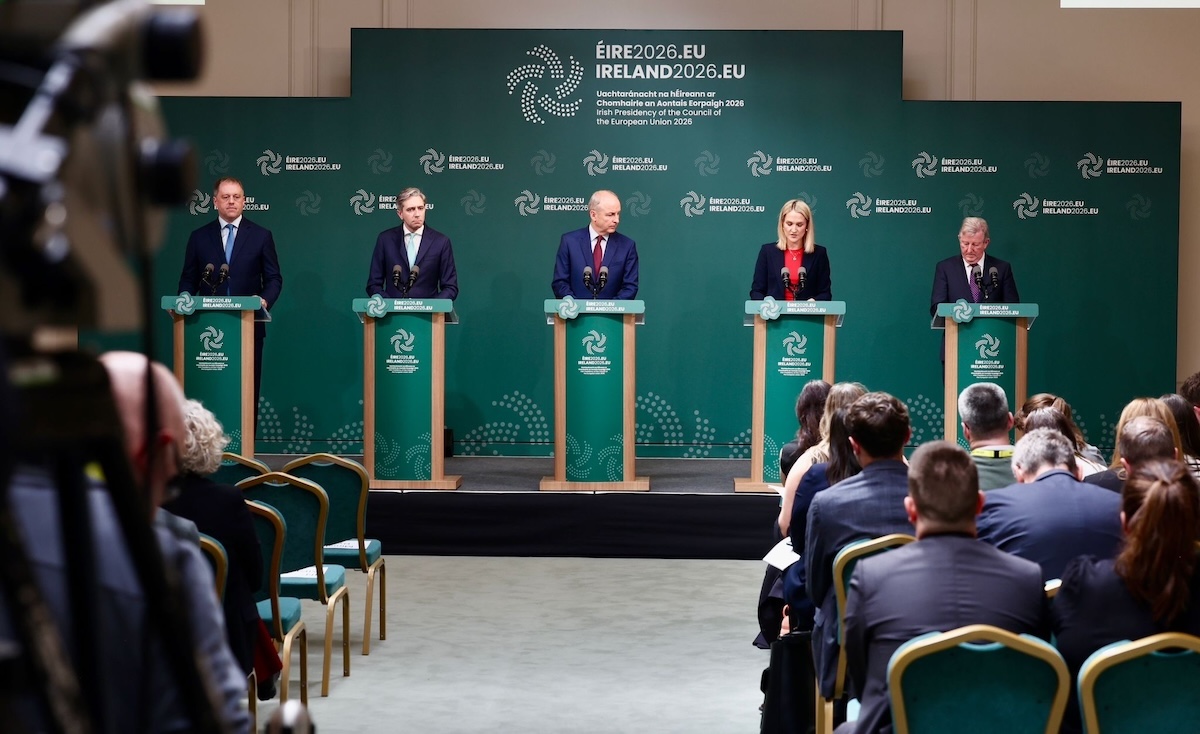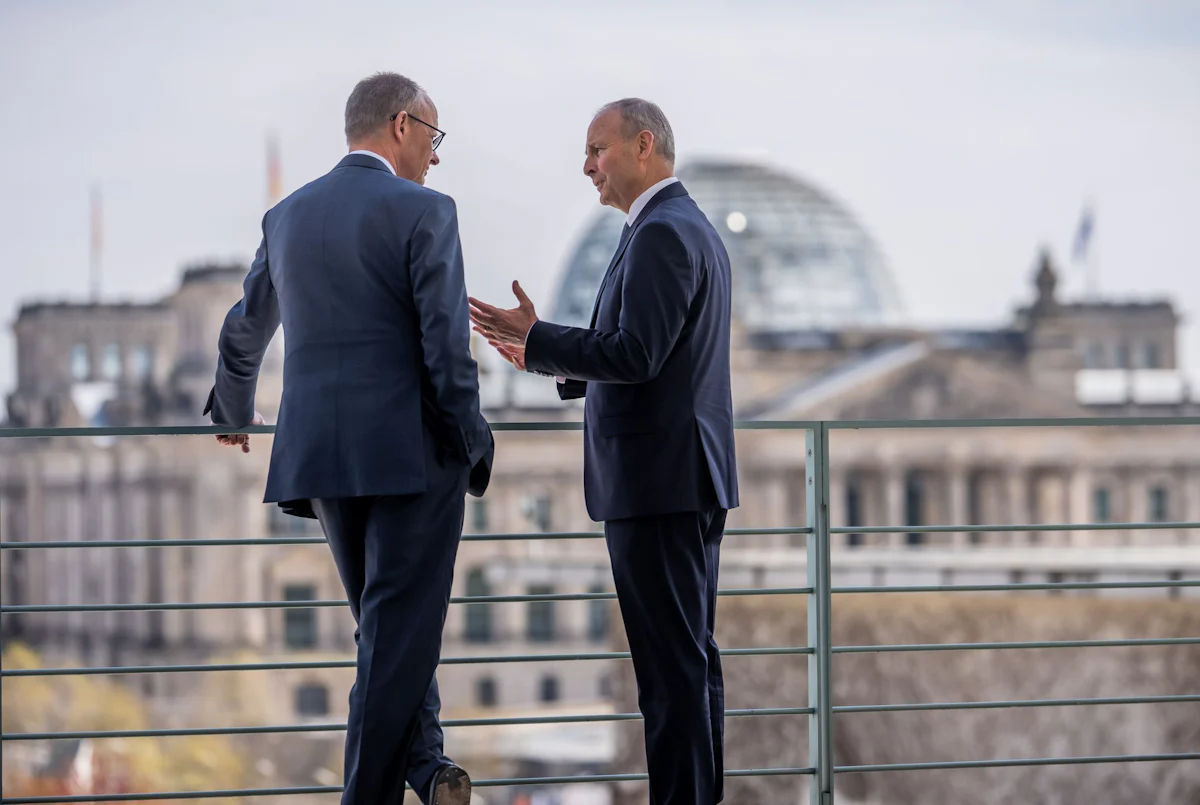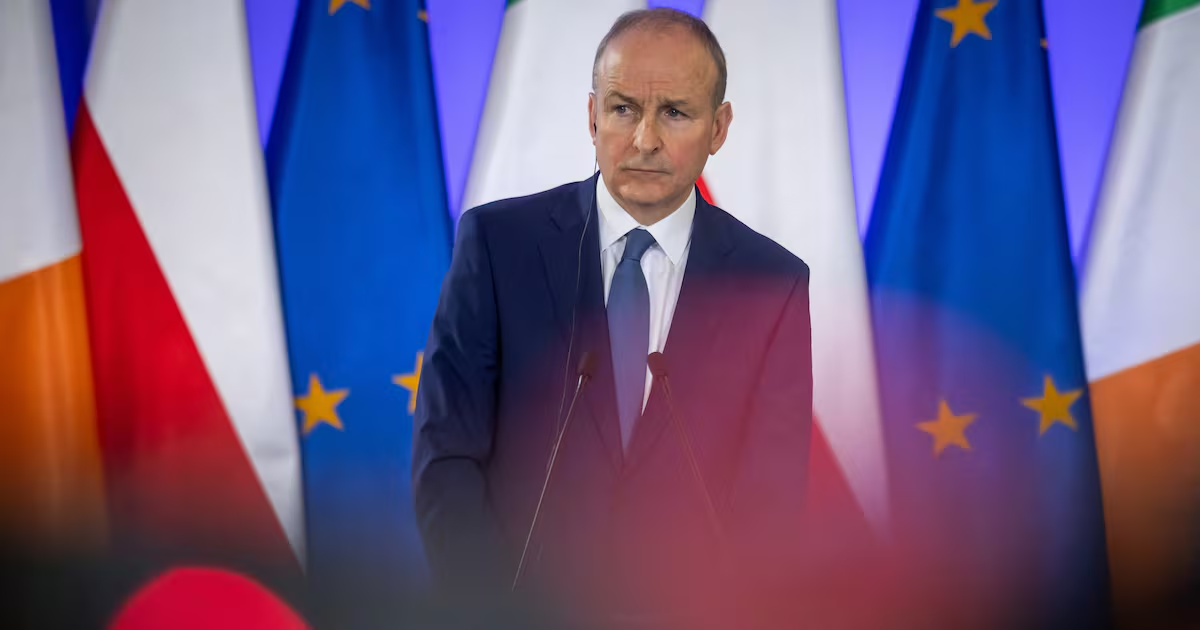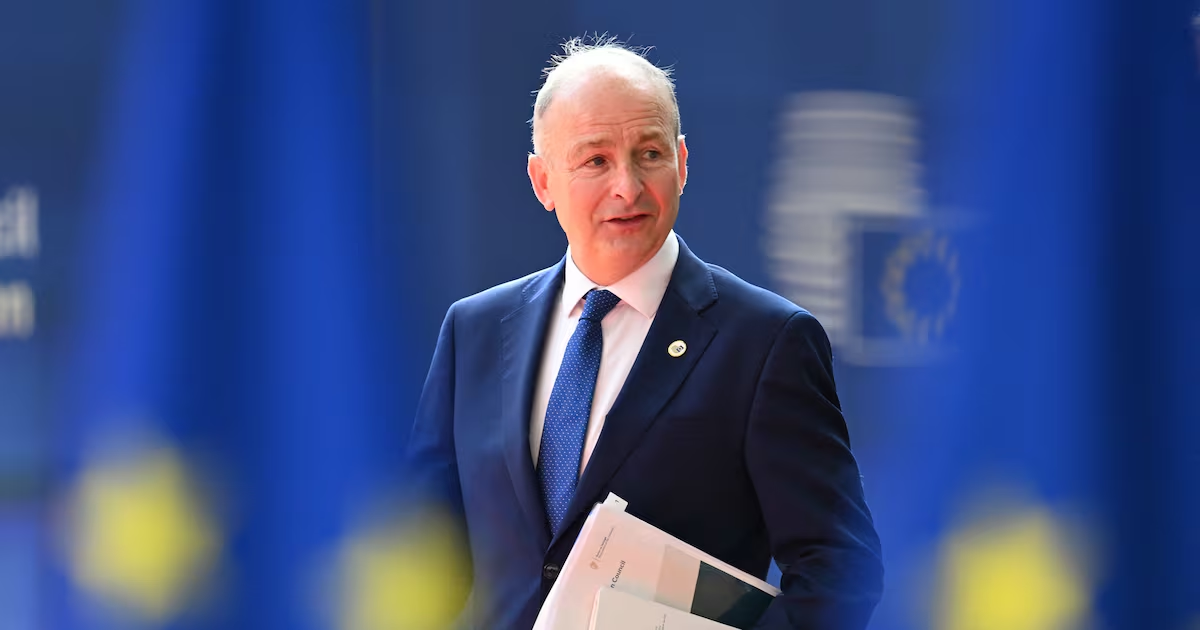
Ireland takes over the European Council presidency on Wednesday for the ninth time since it joined the European Economic Community in 1973. Such long experience and the fact that the public continues to support Irish membership of the European Union because of the benefits it brings will bolster the Government’s efforts to make a success of the role. Primarily a brokering one to pursue political compromises between 27 member states, it is also an opportunity to shape policy and promote Ireland’s position on many issues at a turbulent moment in world politics. Economic competitiveness, democratic values and the rule of law, along with a strong emphasis on security, are the three main issues that have been prioritised by the Government for the six-month presidency. All relate to the EU’s efforts to defend and project itself in a period of rapid geopolitical change and economic uncertainty. Ruptures in relations with the United States, Russia’s aggressive war in Ukraine and the industrial and political challenge from China are all contributing to shifts in the balance of global power and the creation of new multipolar alliances.The EU must respond with adequate resources. That poses the biggest challenge for the Irish presidency: to conclude the complex EU budget negotiations by December with compromises acceptable to different interests and policy approaches, including net national contributors and beneficiaries.A lot of this involves horse-trading rather than high politics. That will play out in the intergovernmental bargaining which makes up much of the EU’s activity across a vast range of Council business, as the Government’s detailed documentation makes clear. It is important to do this well for Ireland’s reputation and future positioning. But it can distract political leaders and senior officials from domestic political concerns and does not attract public interest or sympathy. That challenges them to highlight the political significance of what is at stake. The Government team, led by Taoiseach Micheál Martin, is well prepared and experienced for all this, including for the inevitable surprises and shocks of these uncertain times.They should highlight Ireland’s distinct contributions to European affairs alongside the presidency’s necessary concentration on the EU’s collective interests. Ireland’s support for open international trading and competitive EU markets adds real value to economic policy. Its experience of peace-making on this island, peacekeeping internationally, commitment to a just two-state resolution of the Israel-Palestine conflict, and continuing development aid are significant. So is the commitment to EU enlargement with the goal of peaceful continental integration. They offer a counter to ill-advised moves to privilege military strength over political agreement.
The Irish Times view on Ireland’s EU presidency: more horse-trading than high politics
Intergovernmental bargaining makes up much of the EU’s activit
422 words~2 min read