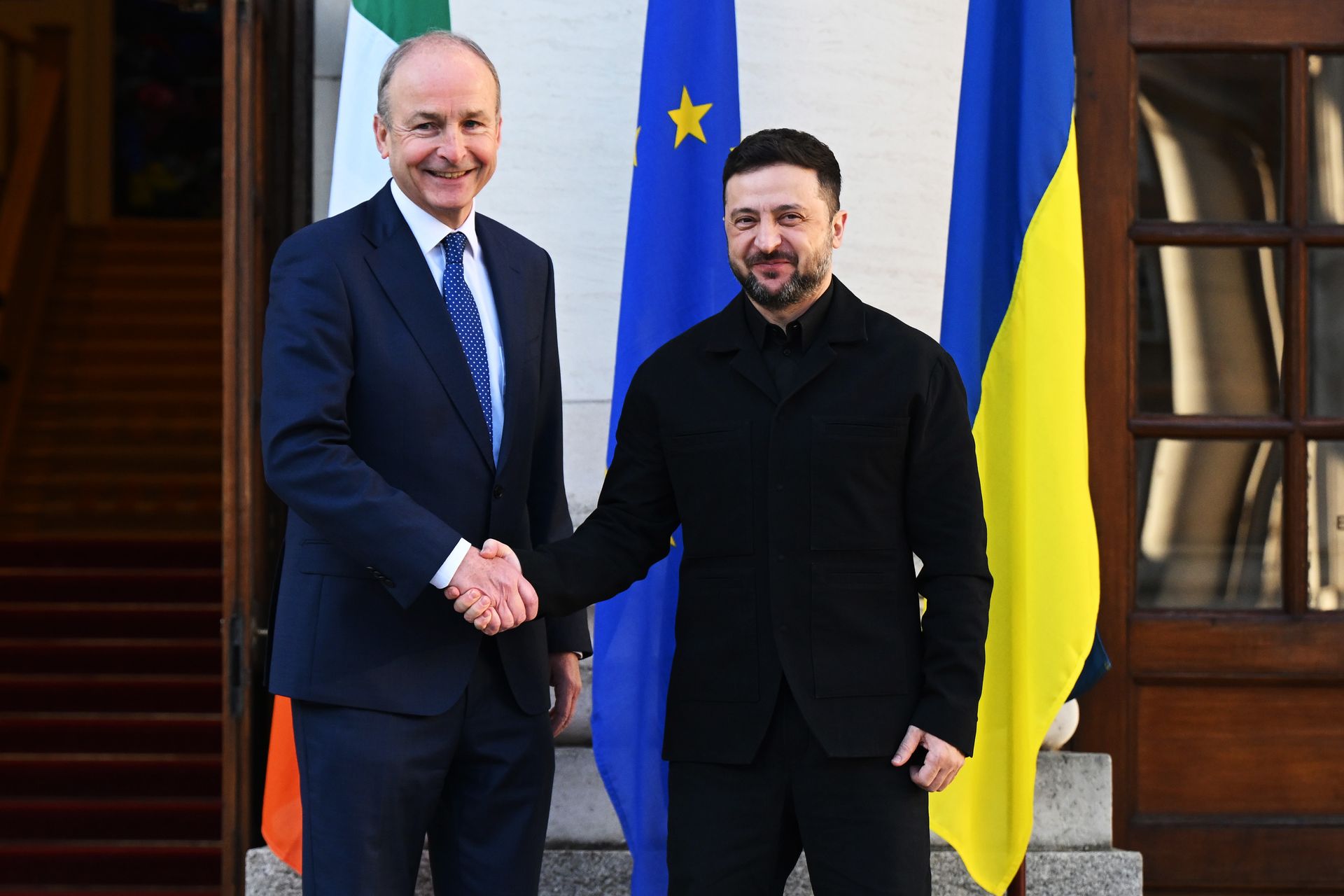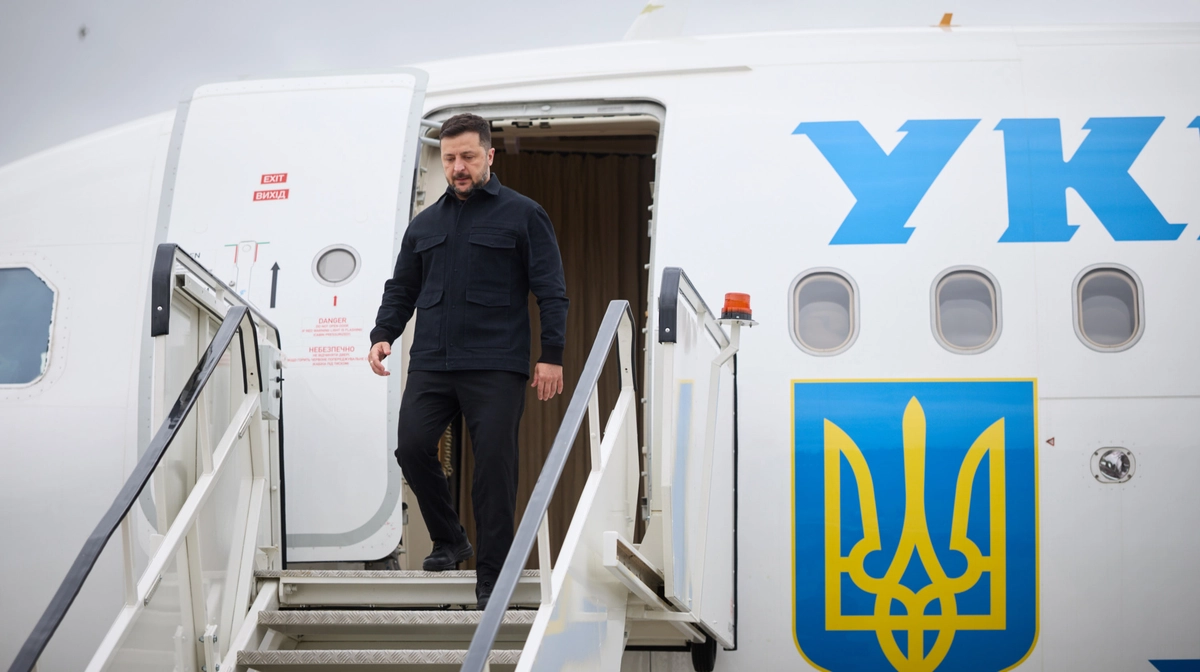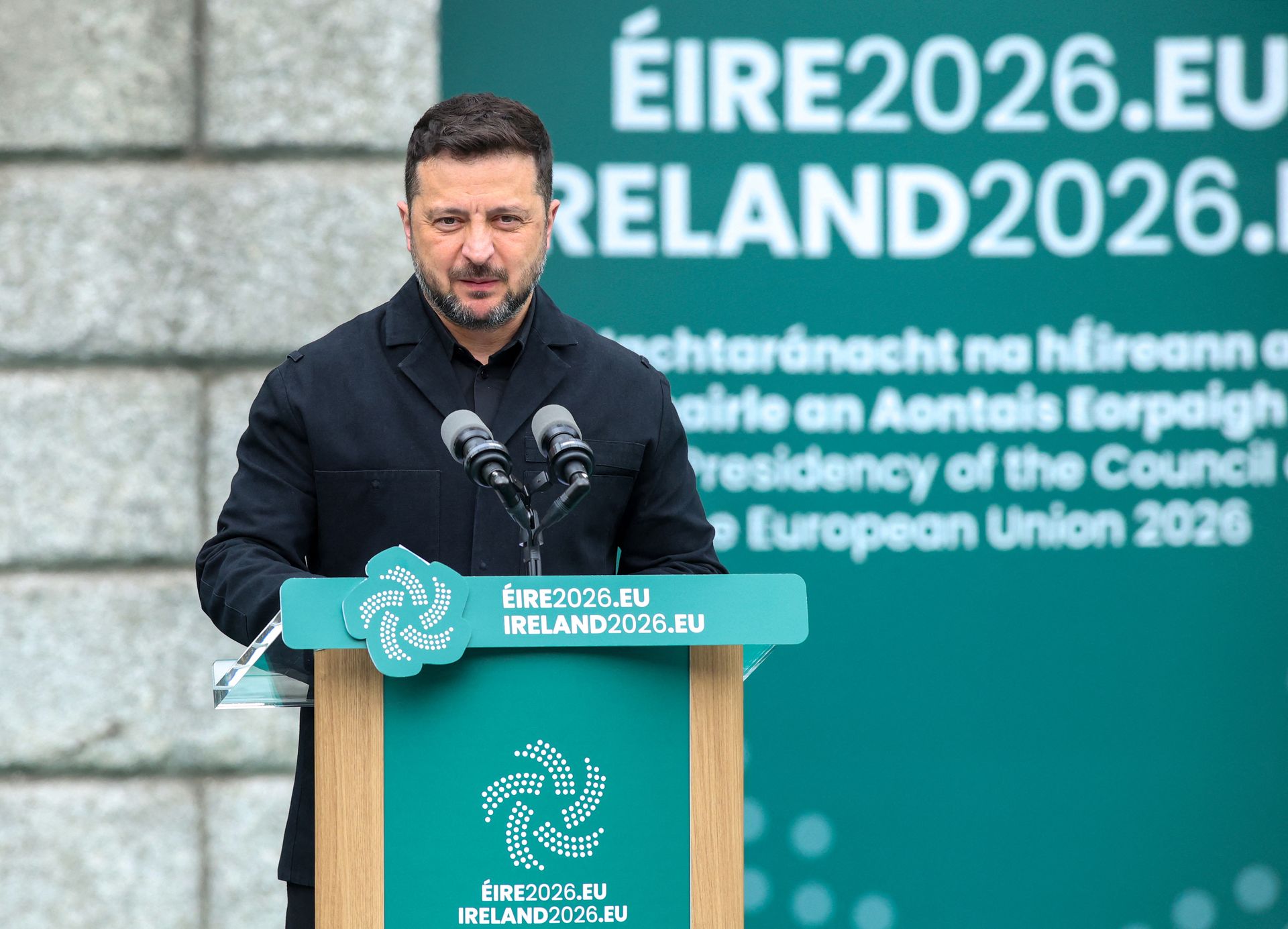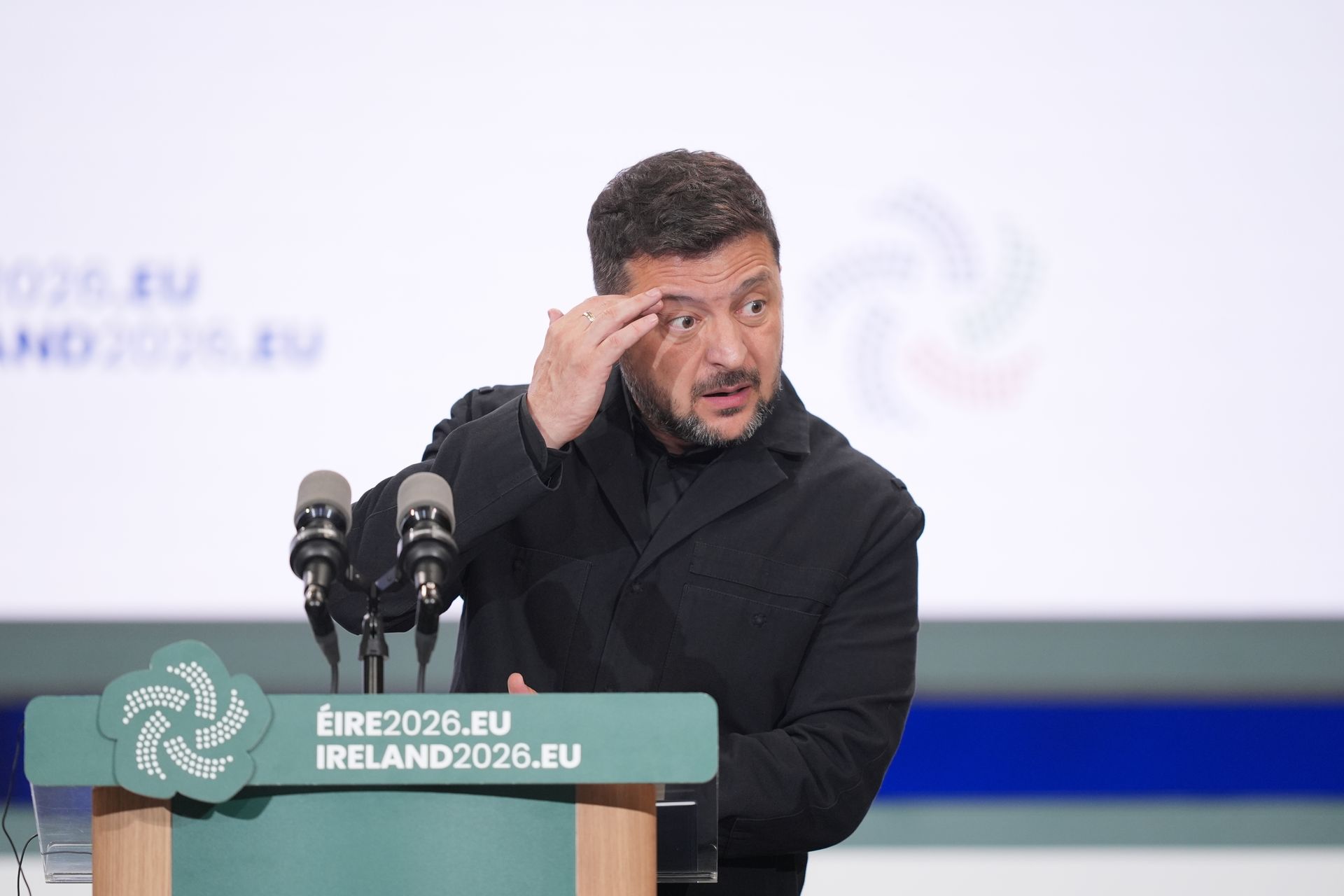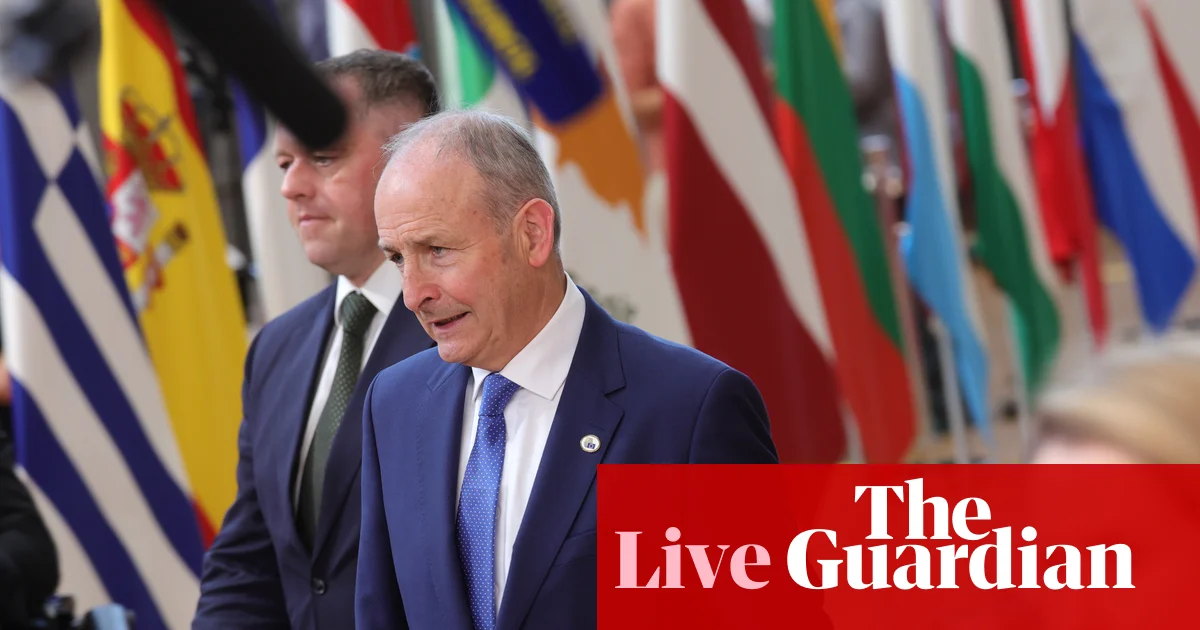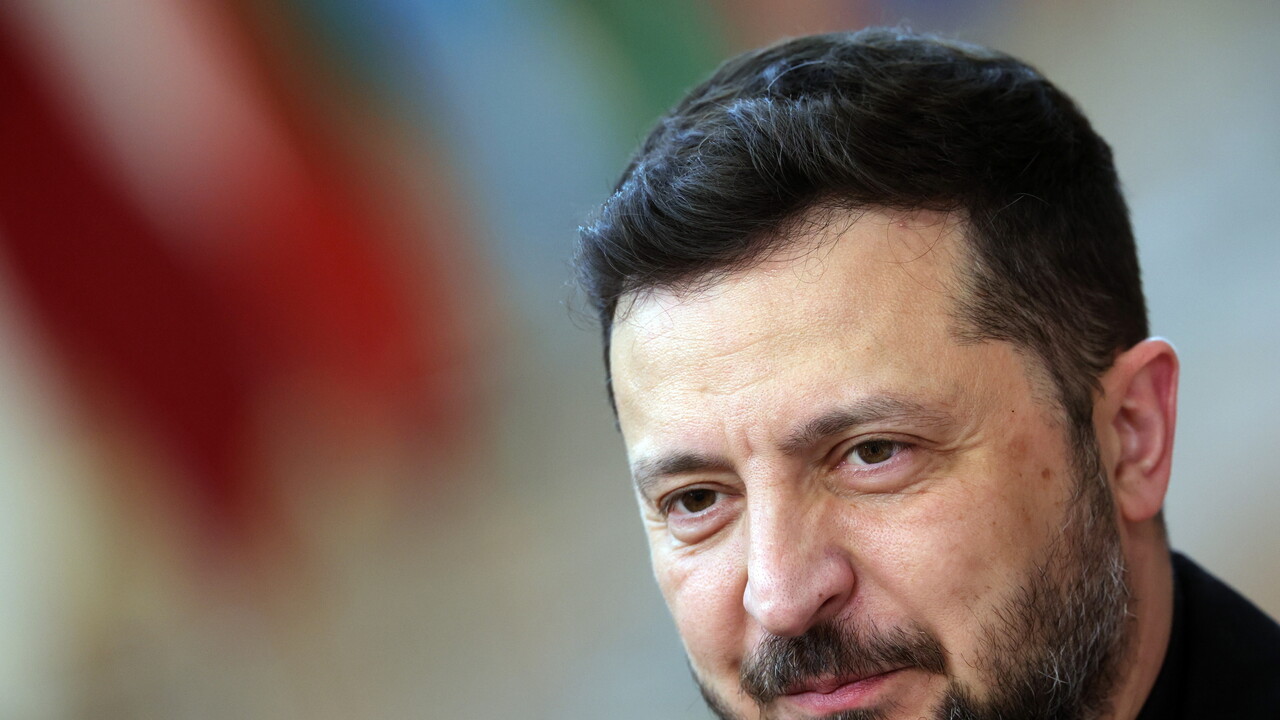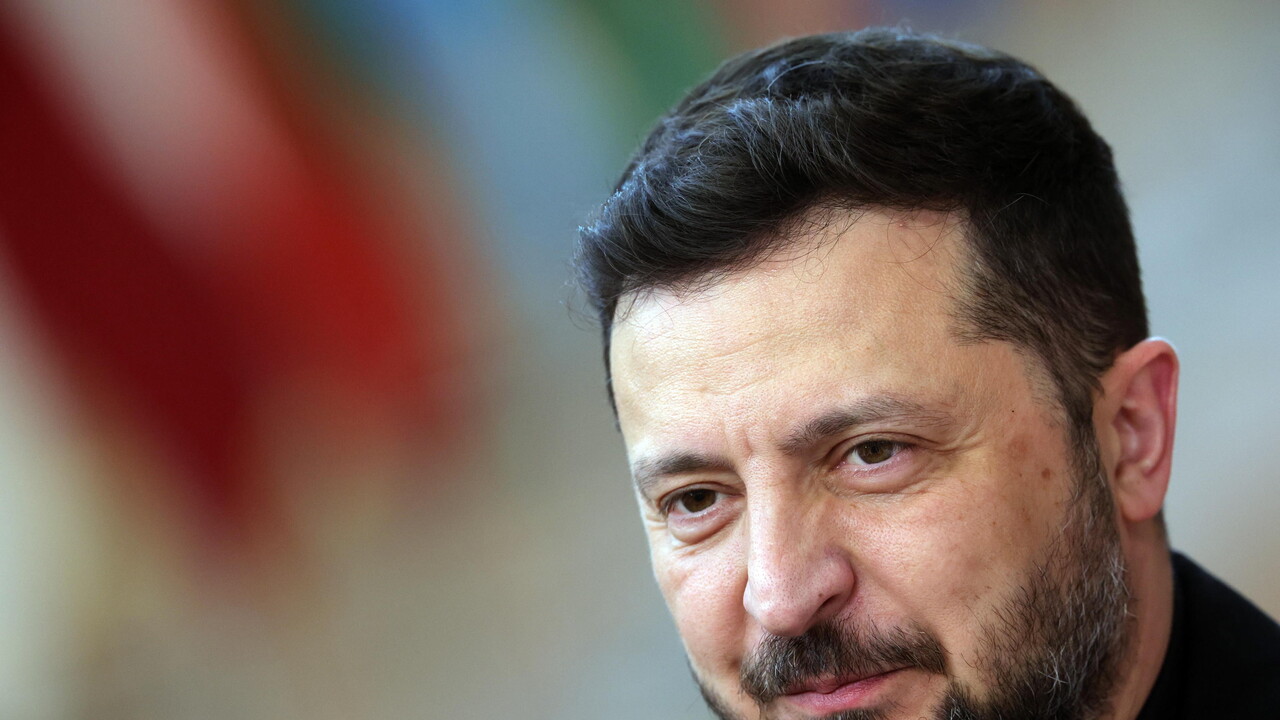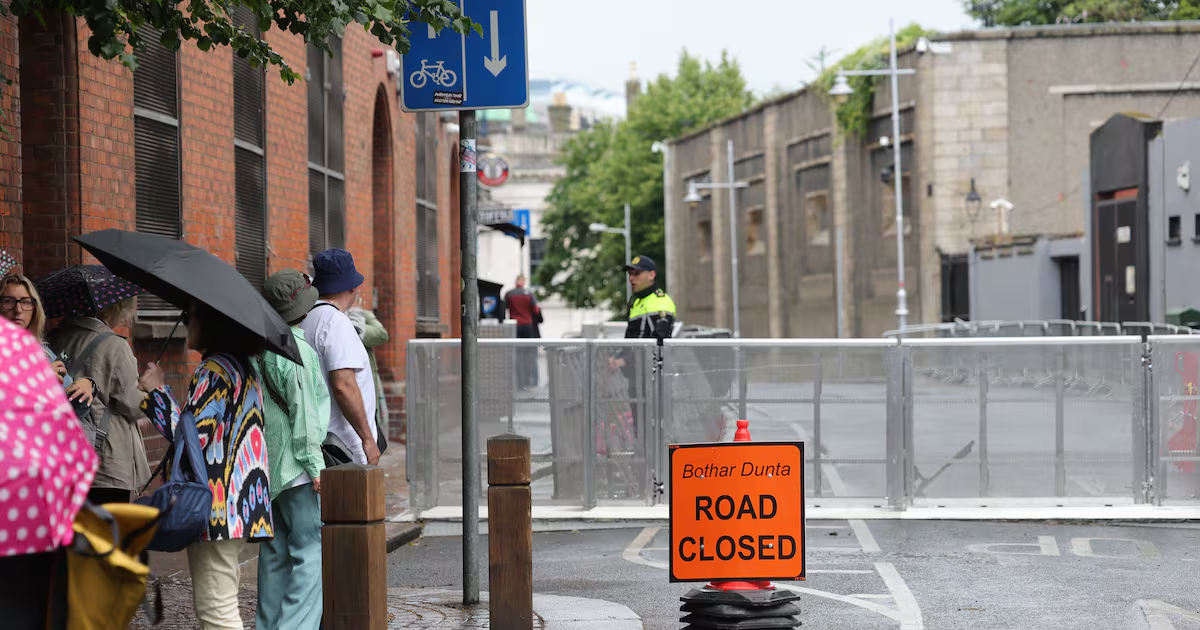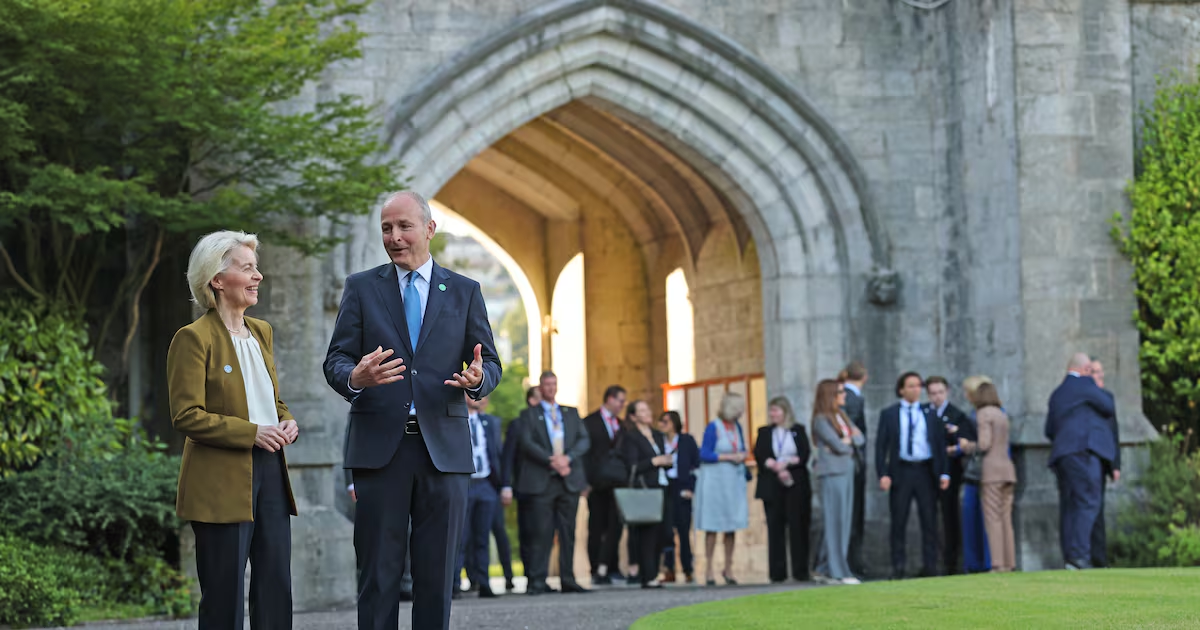
The Taoiseach will discuss how to advance negotiations on Ukrainian membership of the EU during a meeting with Volodymyr Zelenskiy to mark the beginning of Ireland’s presidency of the Council of the European Union on Wednesday.Ireland assumes the presidency for the next six months, an important role that helps steer the political agenda in Brussels.It will see Irish Ministers and diplomats be responsible for building consensus and negotiating compromises to get all 27 member states on to the same page on the wide range of policy debates thrashed out at EU level.Zelenskiy is to participate in a formal ceremony in Dublin Castle, to mark Ireland taking over the presidency, along with the Taoiseach and European Council president António Costa. Martin and Costa are to meet in Government Buldings. Following the ceremony in Dublin Castle the three will meet jointly, followed by a meeting between the Taoiseach and Zelenskiy.In a statement, the Taoiseach said supporting Ukraine would be “an important priority for us during our term”, adding that the leaders would discuss how to increase pressure on Russia. “We will also discuss how to ensure that the EU plays a full role in ensuring a just and lasting peace for the people of Ukraine and how to advance negotiations on Ukraine’s future membership of the EU,” he said.Zelenskiy will be met by Tánaiste Simon Harris at the Defence Forces airport at Baldonnell, with the pair expected to hold a short meeting.A spokesman for Harris said he would tell Zelenskiy how he has been working to ensure the Ireland-Ukraine economic forum would lead to “tangible growth” in the economic relationship between the countries “as well as Ireland looking to advance negotiations on Ukraine’s future membership of the EU over the next six months”.The council is the EU institution that represents the views of national governments in Brussels. The presidency passes between member states every six months. Minister for Foreign Affairs Helen McEntee. Photograph: Chris Maddaloni Holding the deal-making role is a “major responsibility”, Minister for Foreign Affairs Helen McEntee said.“We have set out an ambitious agenda for the next six months, through which we aim to enhance the competitiveness of Europe’s economy, safeguard the fundamental values of our union at home and abroad and provide for the security of our citizens across Europe,” she said. This is the eighth time Ireland has held the rotating presidency since 1973 when it joined the European Economic Community, which later became the European Union. The presidency involves acting as an honest broker in the sometimes contentious political rows between capitals in the bloc. Ireland’s last turn in the presidency seat was 2013. Efforts to land an agreement on the size and focus of the EU’s next long-term budget by the end of this year will take up a significant amount of capacity. There will also be pressure early on to secure unanimous agreement on a fresh round of economic sanctions targeting Russia and to open several additional negotiating “chapters” in Ukraine’s effort to join the EU. The Government will also be expected to keep the wheels of the EU policymaking system turning in a wide range of other areas, such as the rush to boost Europe’s sluggish economic competitiveness, increase defence spending, streamline EU regulations and push through tricky reforms of the single market.[ French air defence ship operates off Dublin Bay ahead of EU presidencyOpens in new window ]Ireland takes over the EU council presidency at a time when Europe’s relations with the United States and with China are in a delicate state. The presidency will involve hosting 22 council meetings of EU ministers in the State, most of which will take place in Dublin Castle but also in Cork, Wicklow, Mayo, Limerick and Kerry. A major summit of nearly 50 heads of state and government, the European Political Community forum, will be staged in Dublin in November. The summit and an adjoining meeting of EU leaders will necessitate the most extensive security operation in the history of the State. “The Irish Government is determined to deliver a successful EU presidency that enhances Ireland’s international standing and influence globally,” Minister of State for European Affairs Thomas Byrne said. McEntee set out where matters stand, as the presidency begins, in an update to Cabinet on Tuesday. She is to brief her Cabinet colleagues every week about how the presidency is progressing and any politically live issues emerging. A weekly Sunday evening call has also been pencilled in between McEntee and senior Department of Foreign Affairs officials, which will probably include Ireland’s permanent representative in Brussels, Aingeal O’Donoghue, to talk about what will be coming up on the EU agenda. [ Blockades of key infrastructure will not be tolerated during EU presidency, Garda saysOpens in new window ]Fianna Fáil MEP Barry Andrews said holding the council presidency was an important role in which Irish Ministers had always performed well. The Government will represent the agreed position of all 27 member states in negotiations with the European Parliament and the European Commission to finalise new laws and EU rules. “We, in the European Parliament, will represent our constituents directly in tough negotiations with the Irish presidency,” Andrews said.
Zelenskiy to arrive in Dublin as Ireland assumes EU presidency
This is eighth time Ireland has held rotating presidency since joining bloc in 1973
861 words~4 min read