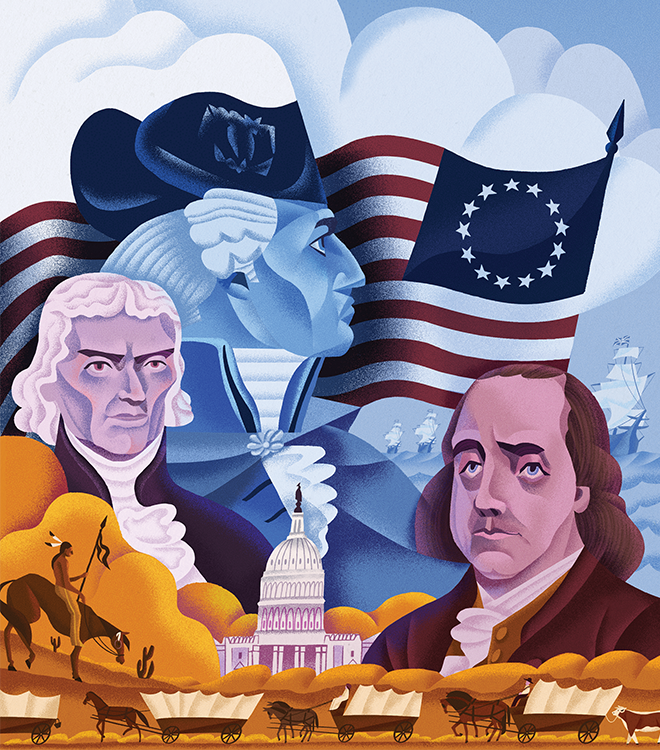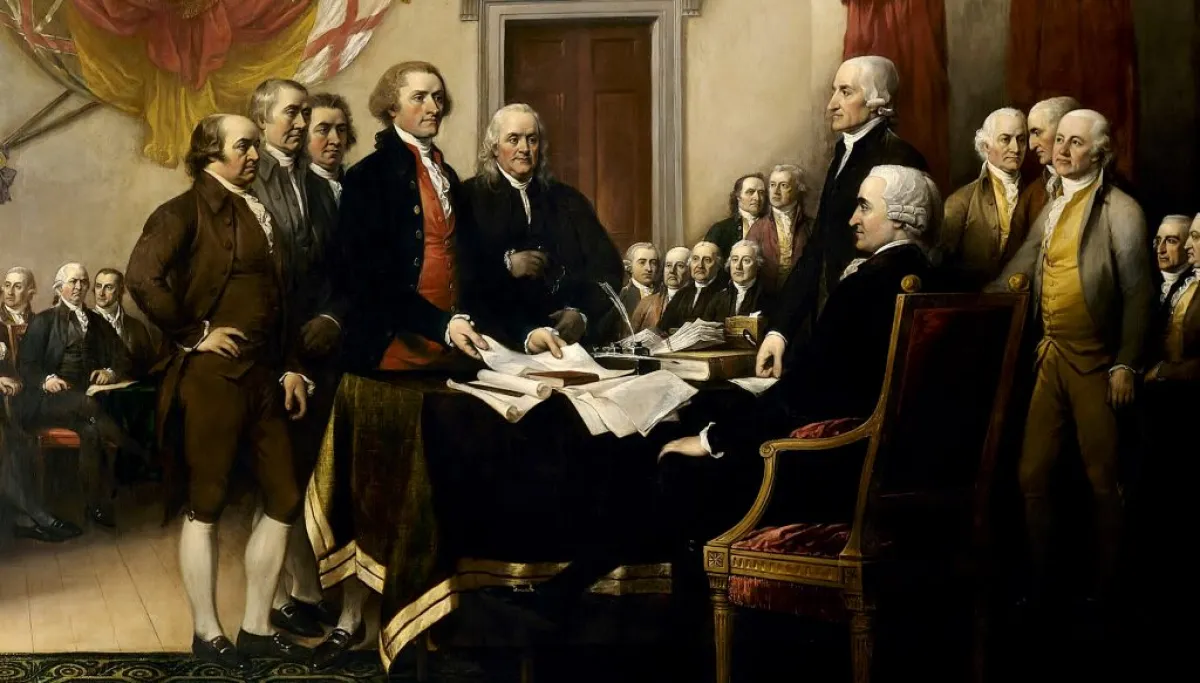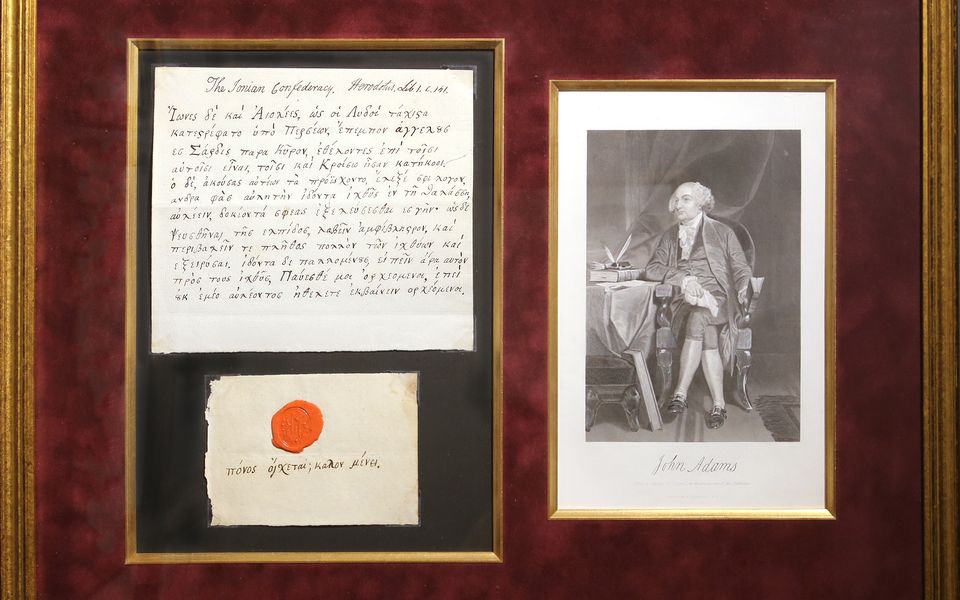
Few modern nations have been as consciously formed by the intellectual inheritance of the ancient world as the United States. When the colonies sought not only independence but a new political identity, American leaders turned instinctively to the Greek experience, a civilizational legacy offering both inspiration and caution: the promise of self-government, and the perils that accompany it.
For the Founding Fathers, the Greek polis and above all Athens, served as a conceptual anchor. The writings of Madison, Adams, Jefferson, and Hamilton reveal a sophisticated engagement with classical texts, from Thucydides and Polybius to Aristotle. They regarded ancient Greece as a laboratory of governance whose lessons could define the architecture of a new republic.
The most significant contribution of that legacy to America’s founding was the principle that political authority derives from the people, a revolutionary idea in the 18th century that provided the moral foundation upon which the United States was constructed. Athenian democracy, with its assemblies and civic deliberation, offered an early model of collective decision-making that resonated with leaders seeking an alternative to monarchical rule.