The intellectual foundation of the United States has been, since its inception, and remains deeply anchored in classical Greek culture and political philosophy.
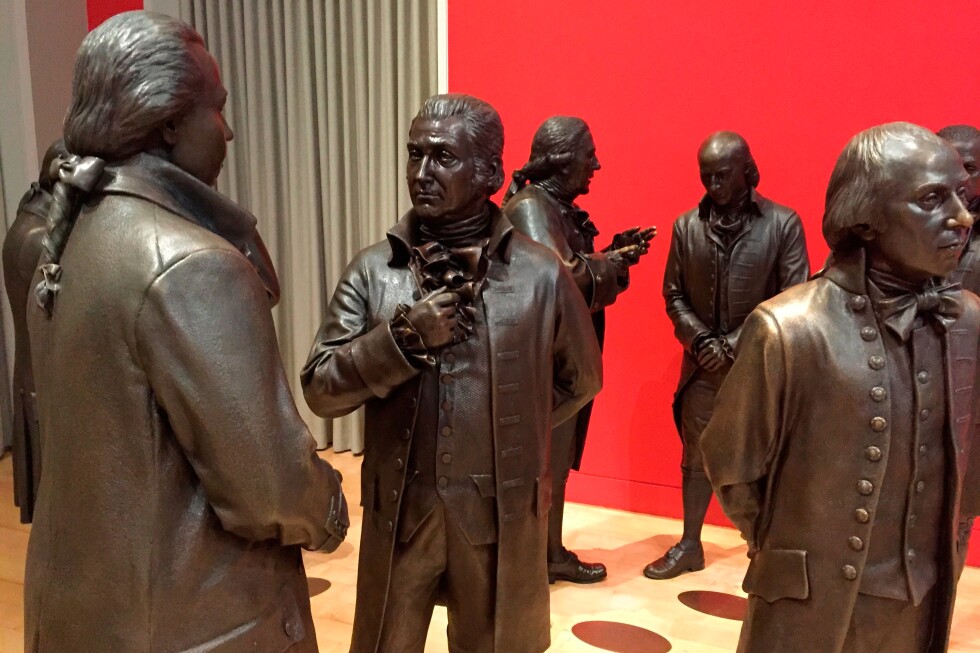
During the Constitutional Convention of 1787, when the Founding Fathers gathered in Philadelphia to draft the Constitution, they did not architect a nation from a blank slate. On the contrary, visionary leaders like Thomas Jefferson, James Madison, and John Adams looked back over two millennia to the thinkers, institutions, and historical precedents of ancient Greece. This classical legacy directly shaped the core values, political framework, and architectural identity of the nascent American republic.
The American “great experiment”, was based on three key pillars, all of them profoundly influenced by ancient Greece: philosophy (Epicurean reason and human flourishing – virtue); governance (mixed government and Federalism to prevent tyranny); architecture (civic identity and neoclassical state buildings).
Philosophical foundations
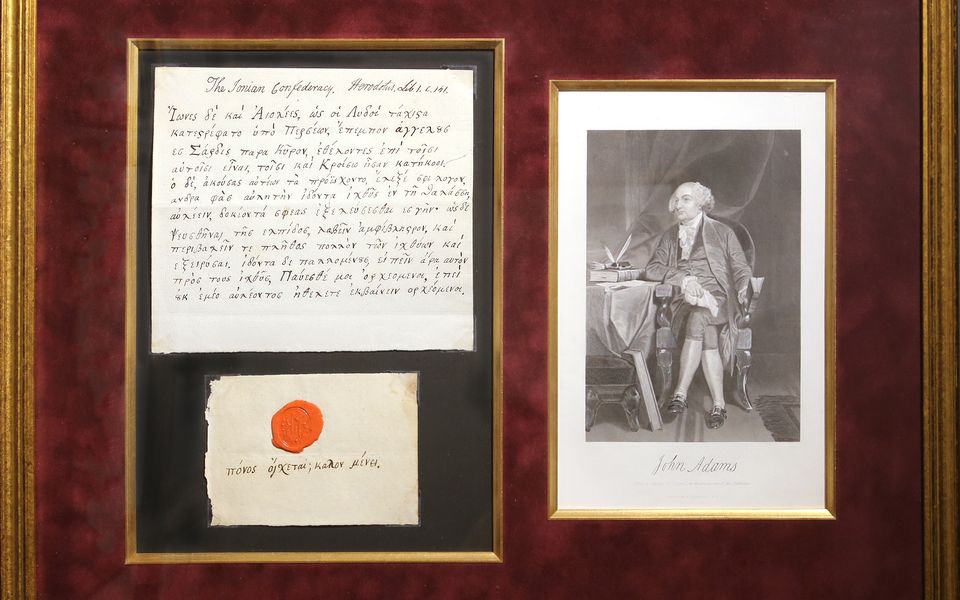
The moral justification for the American Revolution (1765-1789) derived heavily from ancient Greek humanism and ethics. When Jefferson penned the immortal phrase “Life, Liberty and the pursuit of Happiness” in the Declaration of Independence, he was operating within a deeply Greek philosophical framework. Jefferson, an avid classicist who could read ancient Greek fluently, explicitly declared himself an Epicurean.