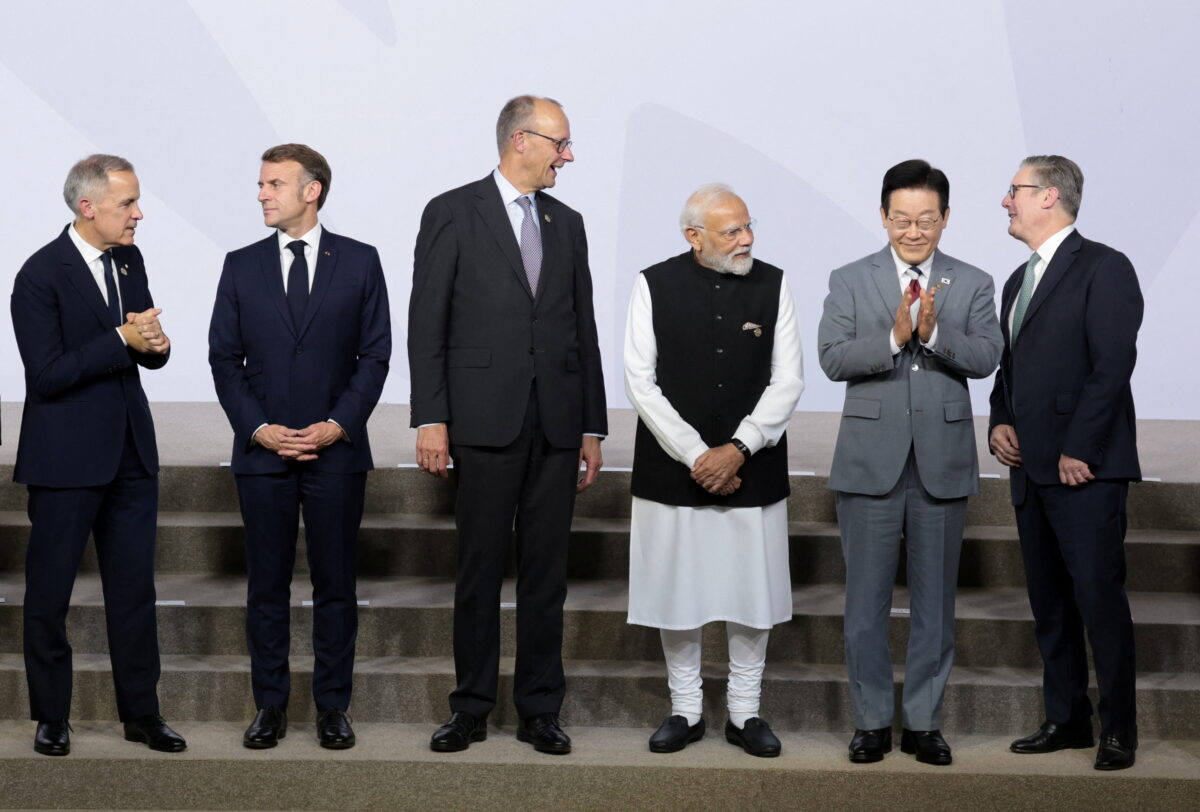
Canadian Prime Minister Mark Carney’s speech at the World Economic Forum brought the concept of the “middle power” back into the spotlight. Delivered amid U.S. President Donald Trump’s hints of seizing Greenland and an ongoing tariff war with Canada, the speech was suffused, in its every turn of phrase, with cautious jabs at the United States.
Carney argued that over recent decades of globalization, “great powers have begun using economic integration as weapons.” In order to counter this risk, he said, middle powers should band together – even with countries that do not share their values – to strengthen their strategic autonomy. As a first step, he urged the world to confront the fact that the “rules-based international order” the United States had taken the lead in building was, in truth, a fiction. Without naming the United States outright, Carney declared that his country would “stand firmly with Greenland and Denmark” and voiced strong opposition to tariff measures targeting Greenland – a clear, if indirect, rebuke of Trump.
Carney’s speech, which drew considerable attention in Japan as well, was received as something of a tonic against the perceived values-free domestic and foreign policy the United States has pursued since the start of the second Trump administration. But is middle-power diplomacy actually viable? And if it were such a rational choice, why has this concept only now suddenly resurfaced?