Read The Diplomat, Know The Asia-Pacific
Tokyo’s defense exports are becoming tools for building a new middle power security network across the Indo-Pacific.
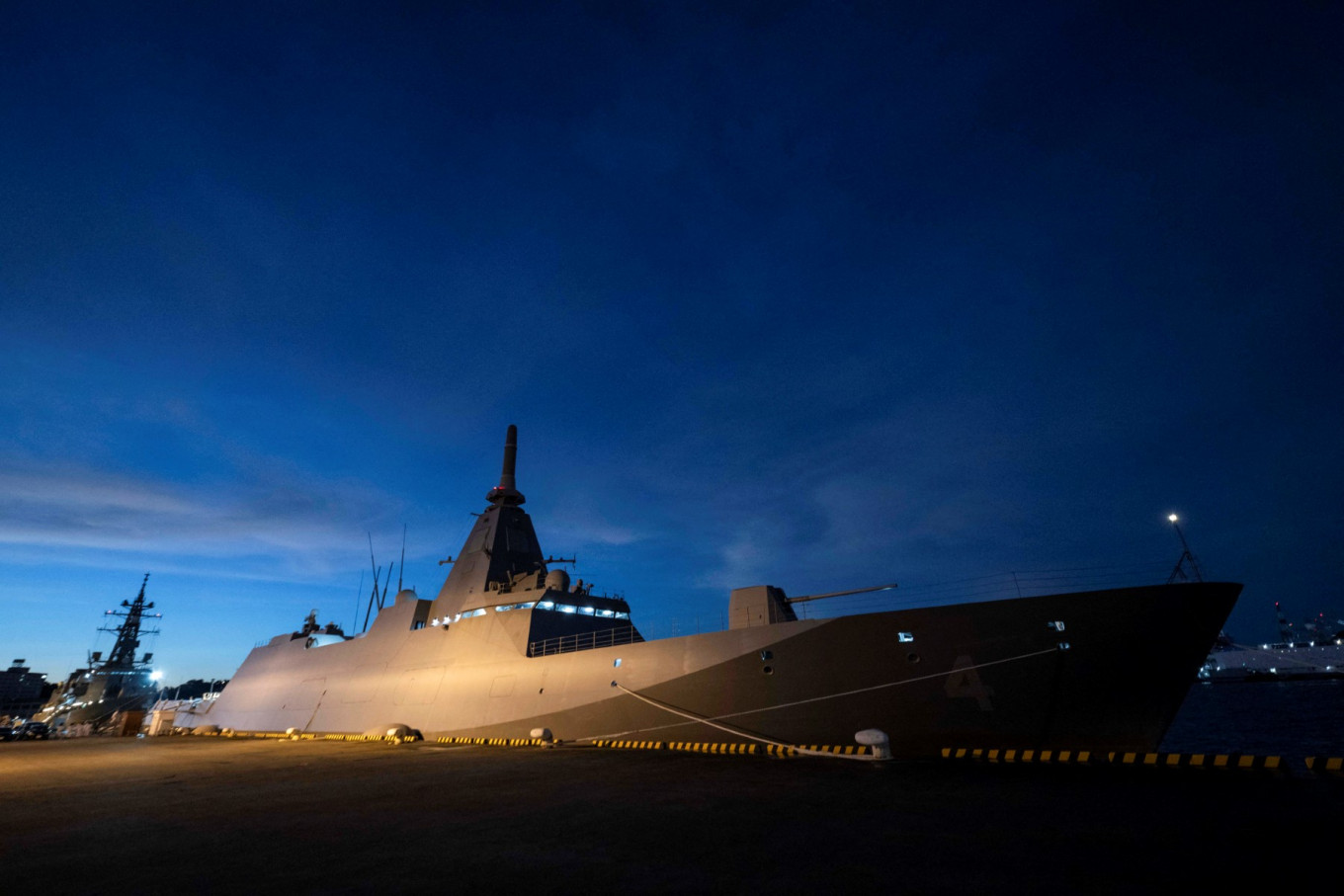
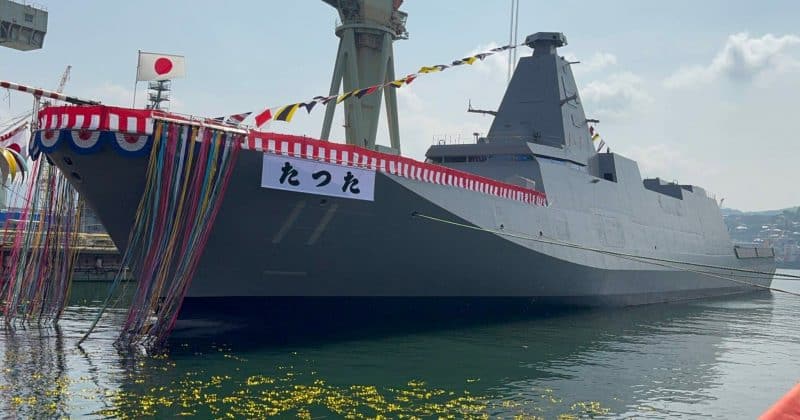
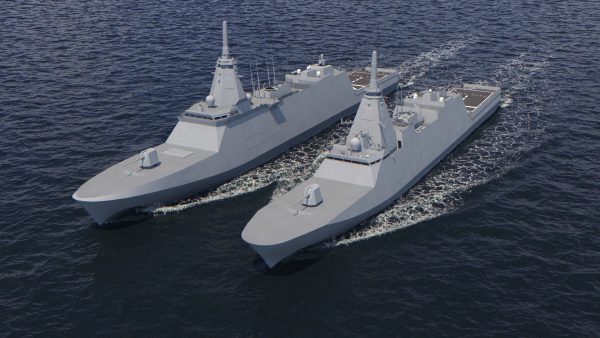
An illustration showing the upgraded Mogami-class frigate called New FFM (left) next to the current model of the Mogami-class.
Japan’s recent flurry of defense diplomacy – from Manila to Jakarta, Canberra to Wellington – has prompted familiar anxieties about the country’s pacifist commitments. Critics warn of a slippery slope toward remilitarization. Yet this framing fundamentally misreads what Tokyo is actually doing. Viewed clearly, Japan’s defense equipment transfers represent something more modest in military terms, and more significant in strategic ones: the deliberate construction of a middle power cooperation network anchored by shared weapons supply chains.
The scale of Japan’s defense buildup, while notable by its own postwar standards, remains far below what would qualify as militarization by any comparative measure. European middle powers such as France, Germany, and the United Kingdom have long maintained arms export industries and military capabilities that dwarf Japan’s emerging posture. The April 2026 Cabinet decision to remove the long-standing “five categories” restriction on lethal weapons exports is consequential domestically – but it does not make Japan a military great power. What it does is open the door to a different kind of strategic contribution: becoming a supplier and partner within a regional defense ecosystem.