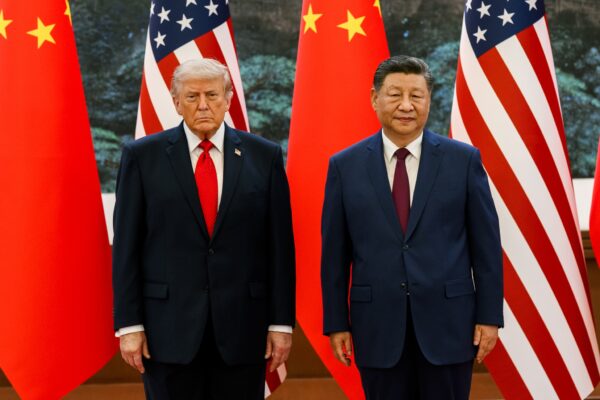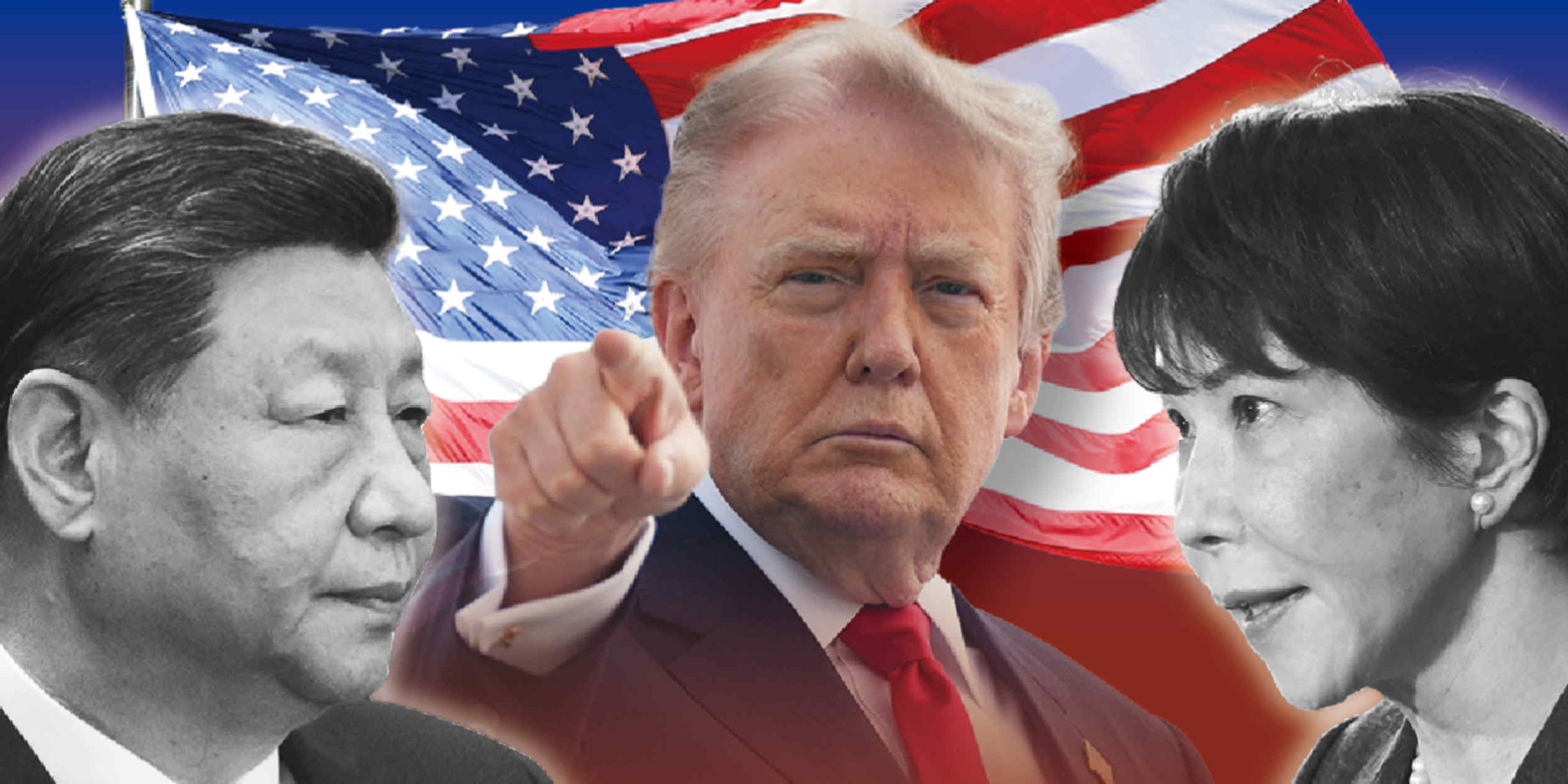
When U.S. President Donald Trump visited his Chinese counterpart Xi Jinping for a two-day summit in mid-May, perhaps no country was watching more closely than Japan. Since at least the end of the Cold War, a core tenet of Tokyo’s geostrategic posture has been the “dual hedge,” the implicit strategy of anchoring security in the Japan-U.S. alliance while simultaneously developing strong economic relations, and at times interdependence, with China.
Over the years, both parts of the hedge have faced separate competing pressures which Tokyo has continuously had to balance. With regard to the security alliance with the United States, Japan fears both abandonment, the notion that Washington will retreat from its security commitments in East Asia, and entanglement, in which Japan is pressured into joining military action in American-led operations across the globe. On the other hand, Japan has had to insulate the development of strong economic ties with China against spillover from a politically fraught relationship that is punctuated by historical grievances, a territorial dispute, and the Taiwan question.
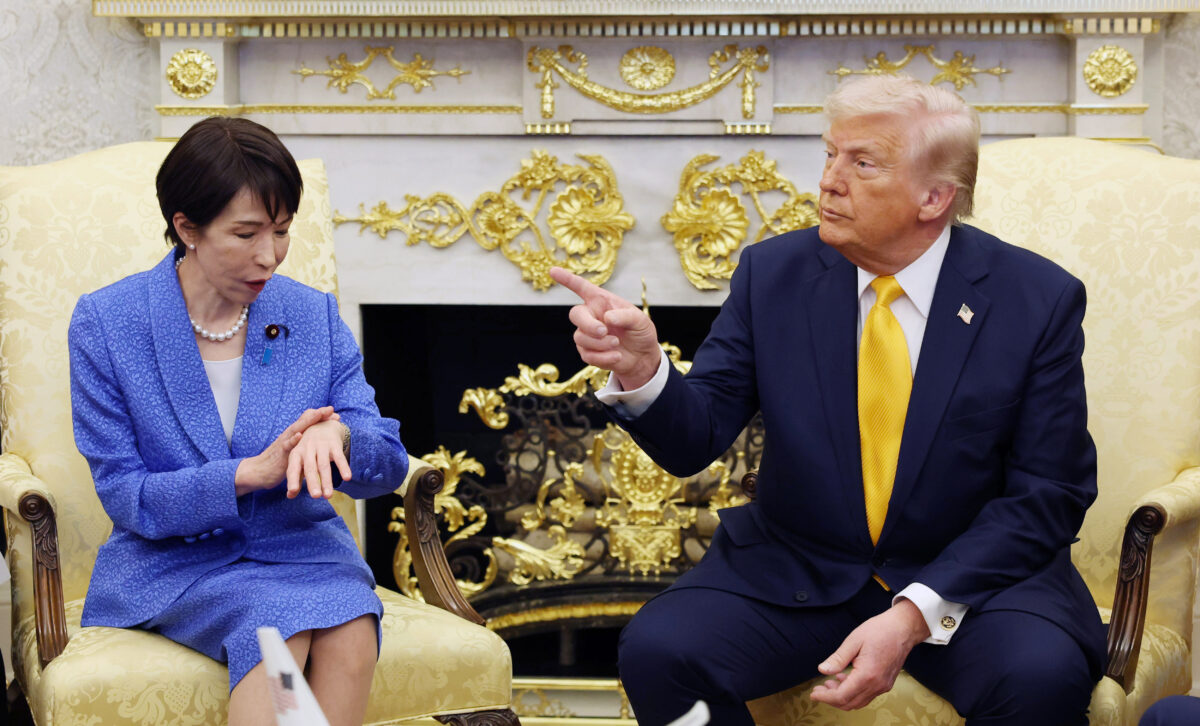
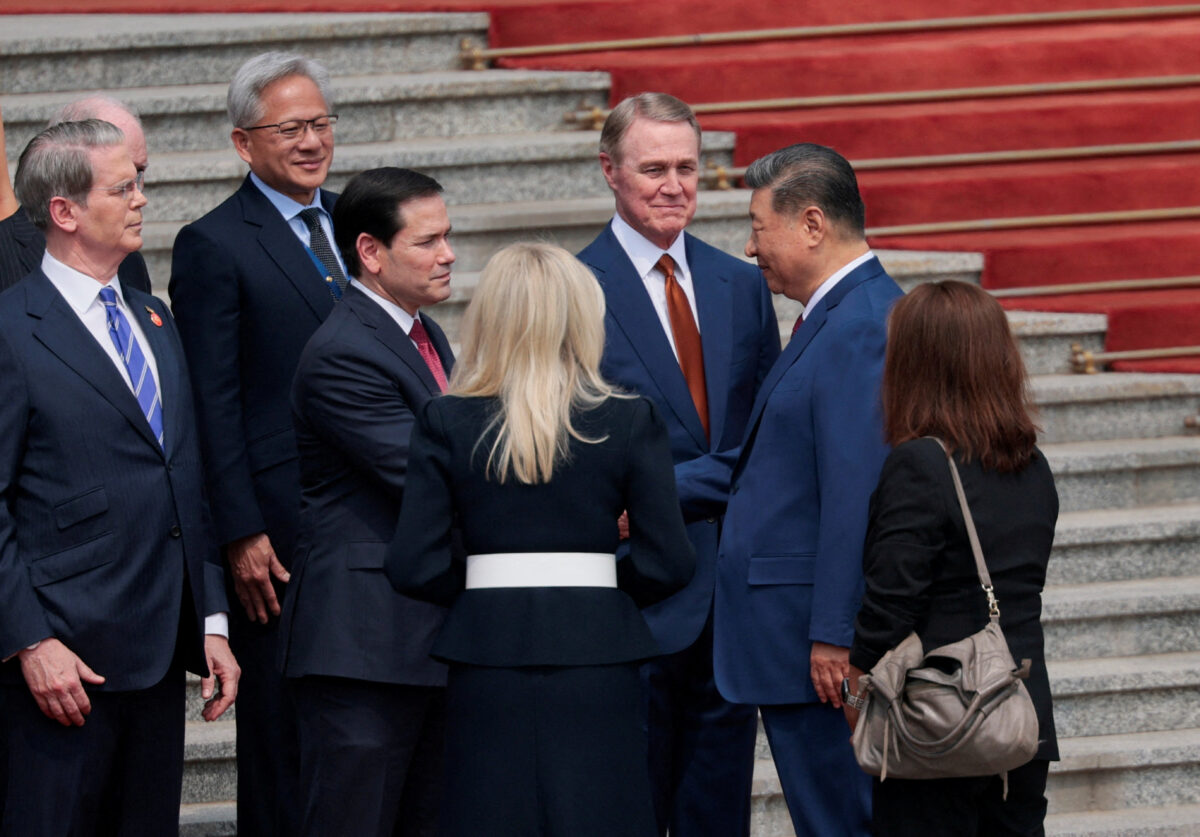
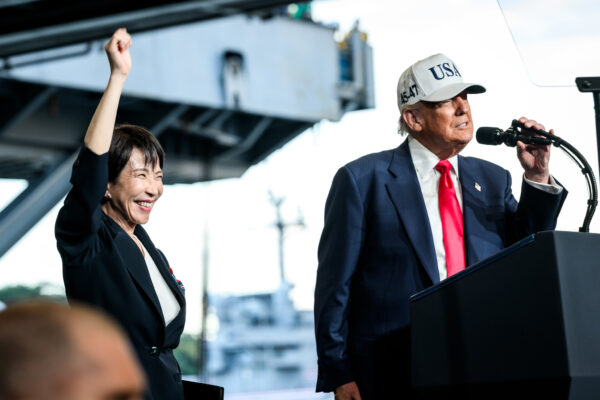
Recent events have showcased the entirety of these dynamics simultaneously. In March, the entanglement question resurfaced when Trump implied Japan should send naval assets to the Strait of Hormuz – a suggestion Prime Minister Takaichi Sanae dismissed, citing the pacifist constitution. During the Trump-Xi summit, the worry then shifted to abandonment. Trump’s glowing appraisal of Xi harkened back to China’s tributary relations of old, and some of his comments underscored the growing doubt in his commitment to maintain the status quo in the Taiwan Strait. However, the summit fell short of any grand bargain between the superpowers. Furthermore, Trump apparently defended Takaichi during his conversations with Xi, assuaging Tokyo’s fears – at least in the short term.