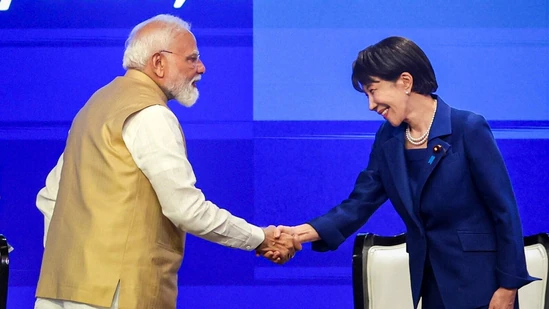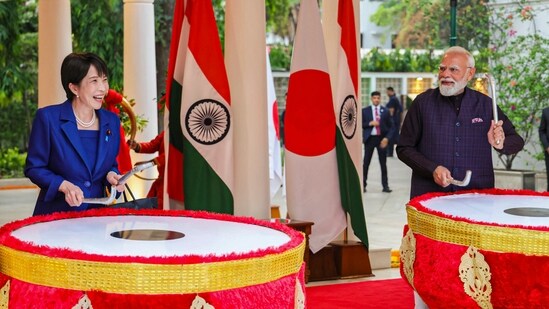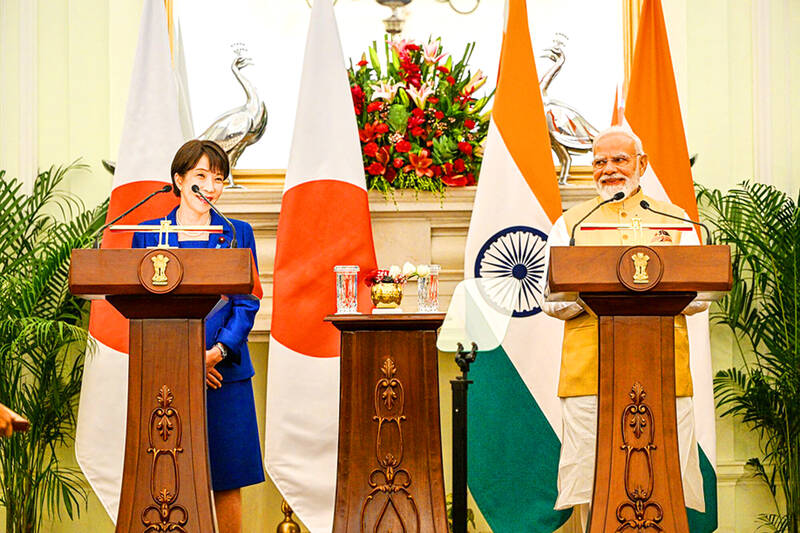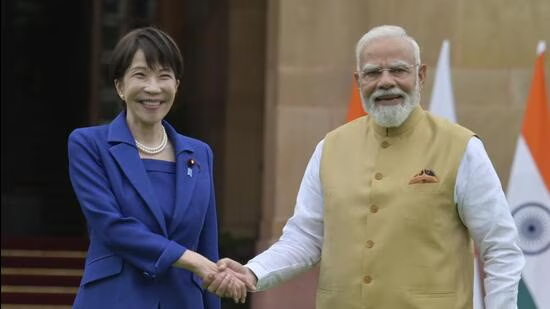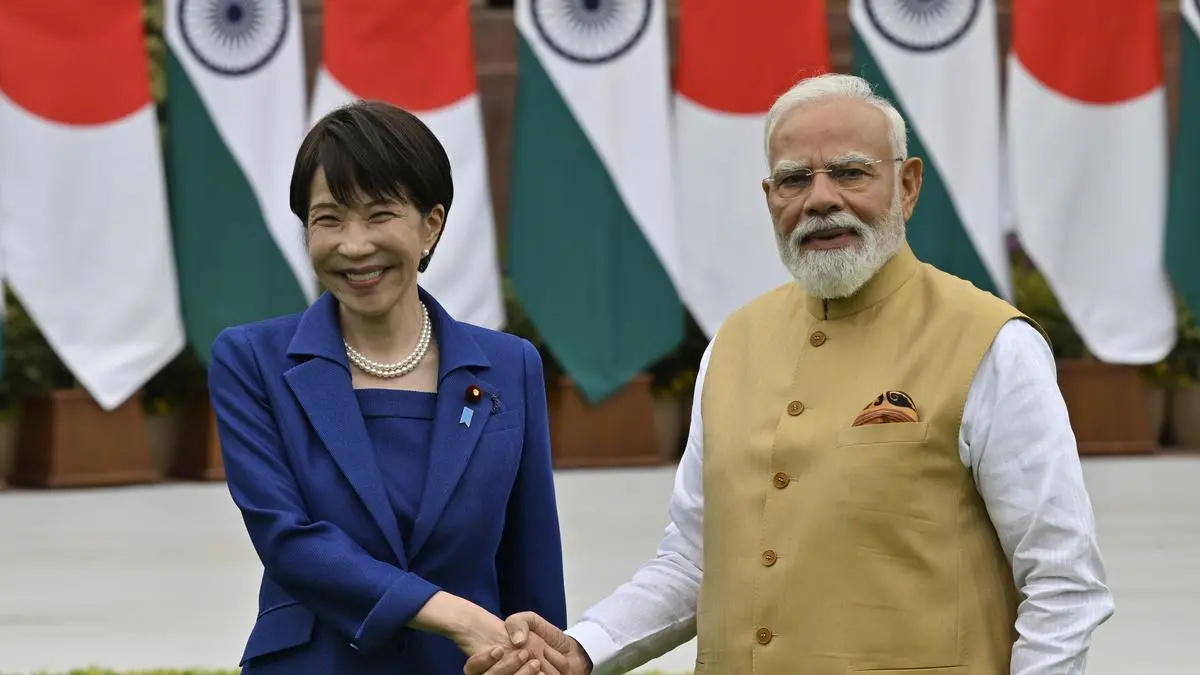
The Takaichi government is on its way to remake Japan’s strategic and foreign policies
| Photo Credit:
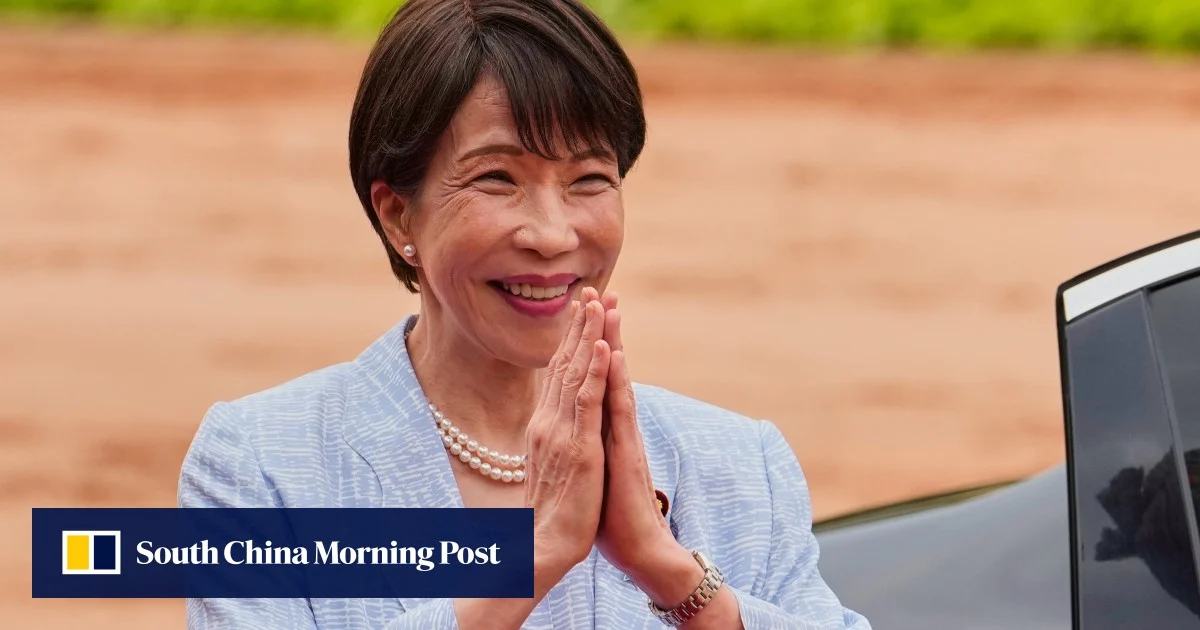
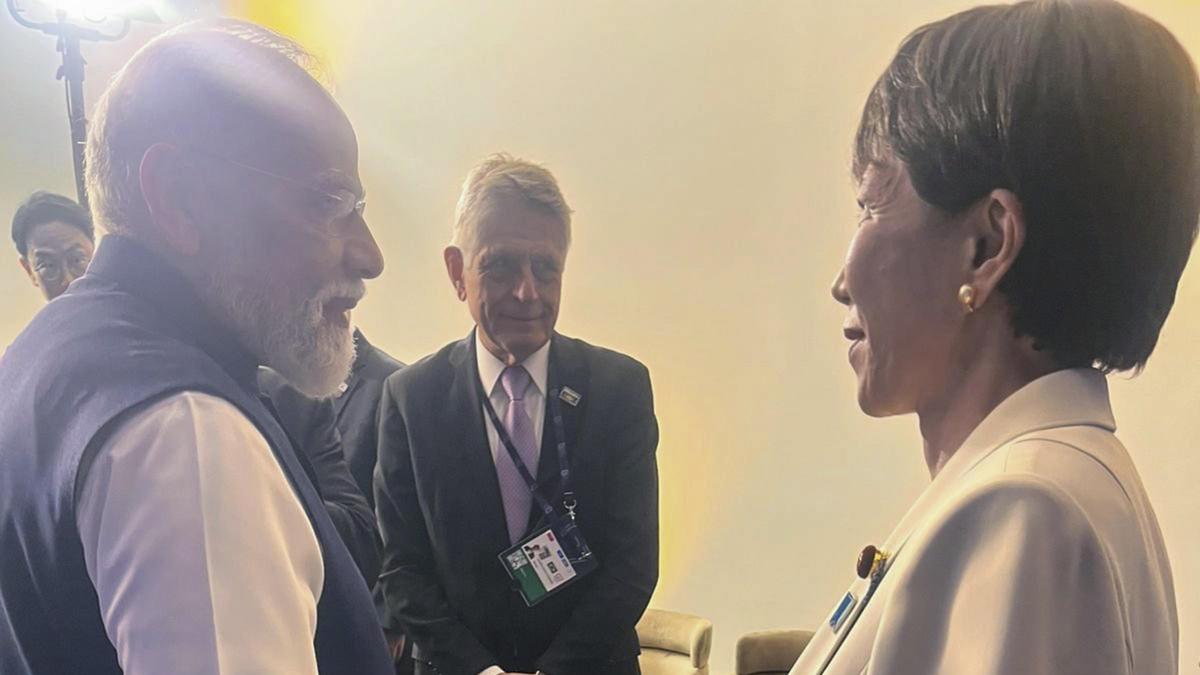
Even before landing in New Delhi, the Prime Minister of Japan, Sanae Takaichi, made it clear that she attached importance to the “strengthening of the strategic relationship between our countries. I wish to deepen cooperation in the field of security and strengthen our capacity to navigate the uncertain international landscape”.In a few words, the Japanese leader captured the essence of today’s international system, not because of the implications the US-Iran war had for the world but in a genuine apprehension of the valid lessons not properly understood.Economic cooperationSurely the visiting Prime Minister’s agenda had a heavy economic component especially for a deeper economic cooperation between the two nations in the realms of energy, technology and defence and from a Tokyo perspective, to look beyond East Asia.India as an “indispensable partner for Japan” did not mean that China was being given a short shrift or “dumped”, but that in reducing the burden of exposure and in keeping the Indo-Pacific open and free, India was a reliable partner.China is Japan’s largest trading partner with a two-way trade of around $325 billion, predominantly of high-tech components, machines and consumer items. Japan consistently runs a deficit of about $40 billion.India, on the other hand, accounts for less than 2 per cent of Japan’s total global trade; the two-way total accounting for about $27.5 billion with Japan’s exports at $21.5 billion versus India’s at a little over $6 billion. But Tokyo has been one of India’s top investors spread over automobiles, electronics, infrastructure, logistics and finance.Now, with changes in Japan’s defence and forward posturing, it is expected that the two countries will quickly widen and deepen the points of interest especially in collaborative high technologies with dual applications.There are nearly 1,500 Japanese companies in India operating in a very different environment compared to the restrictive eras of the past.Prime Minister Takaichi correctly pointed out the uncertain landscape of the Indo-Pacific, especially with the US looking to humour, and stabilise relations with, Beijing. But even before this, Tokyo was becoming increasingly apprehensive of Washington’s commitment to Asia.And this has intensified after President Donald Trump’s recent visit to China and his putting on hold a $10 billion arms package for Taiwan; making it a bargaining chip with China, and effectively giving it a veto.China factorMore than the uncertainty of American commitment, Japan’s primary concern is that of China, with North Korea and Russia playing their dutiful role of add-ons.Beijing has been consistently turning the economic heat on Tokyo, putting the squeeze on exports of rare earths or materials of dual use. But if Japan has received a big wake-up call, it is over the US-Iran war and in the closure of the Strait of Hormuz.While other nations in the Indo-Pacific may be reluctant to admit, it is an open secret that China’s aggressive posturing in the South China Sea and laying claim to all of the Spratlys have raised anxiety levels, especially in the event of a potential military showdown and shutting off a pivotal waterway.Prime Minister Takaichi will understand why India cannot be roped into any grand alliance against China.And Beijing knows what is making Japan and most of East and South East Asia uncomfortable.The Takaichi government is on its way to remake Japan’s strategic and foreign policies. And guilt trips of Imperial Japan, World War II and Yasukuni Shrine by Beijing are unlikely to make a difference.The writer is a senior journalist who has reported from Washington DC on North America and United NationsPublished on July 3, 2026