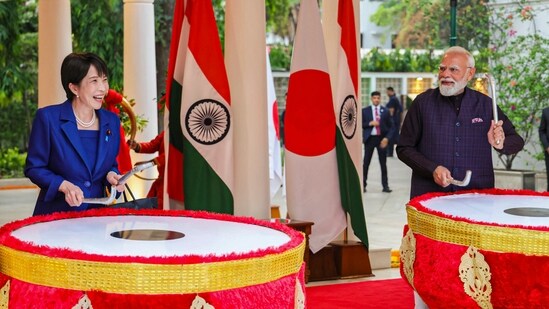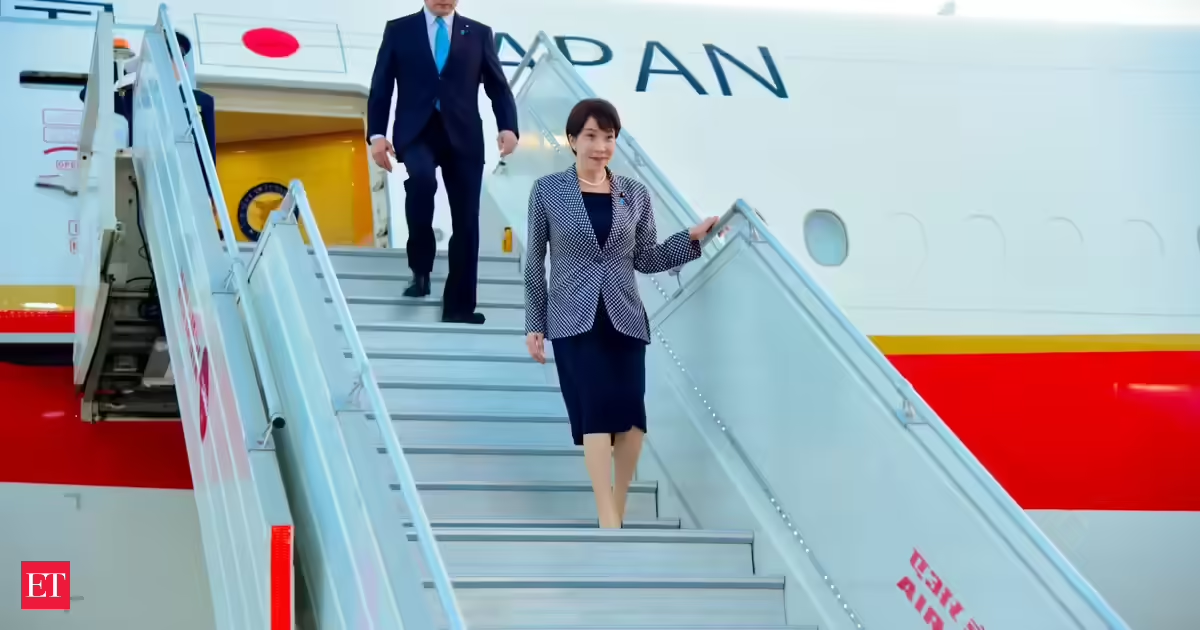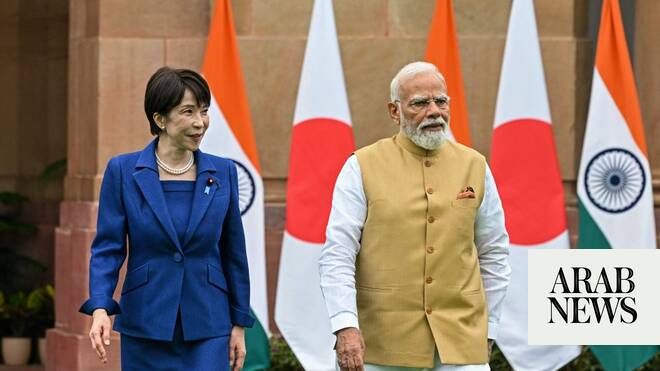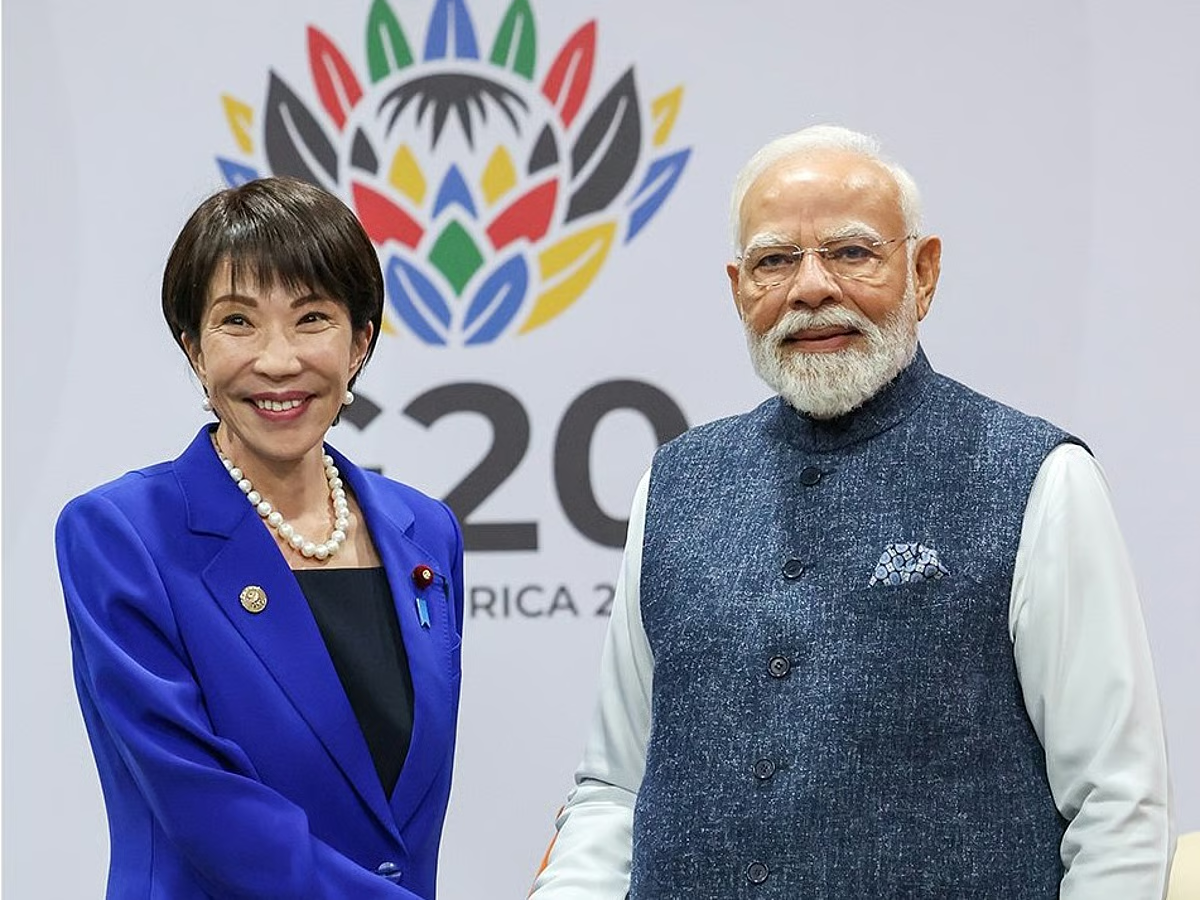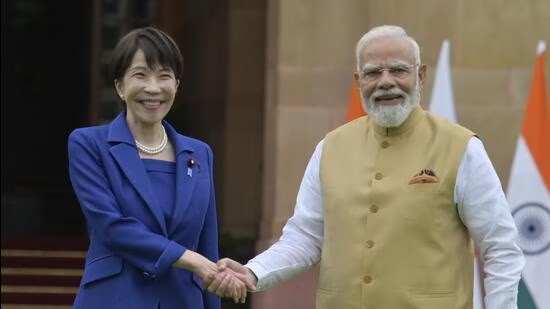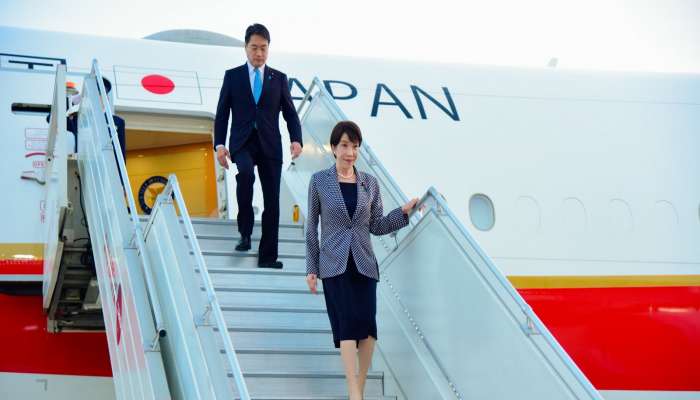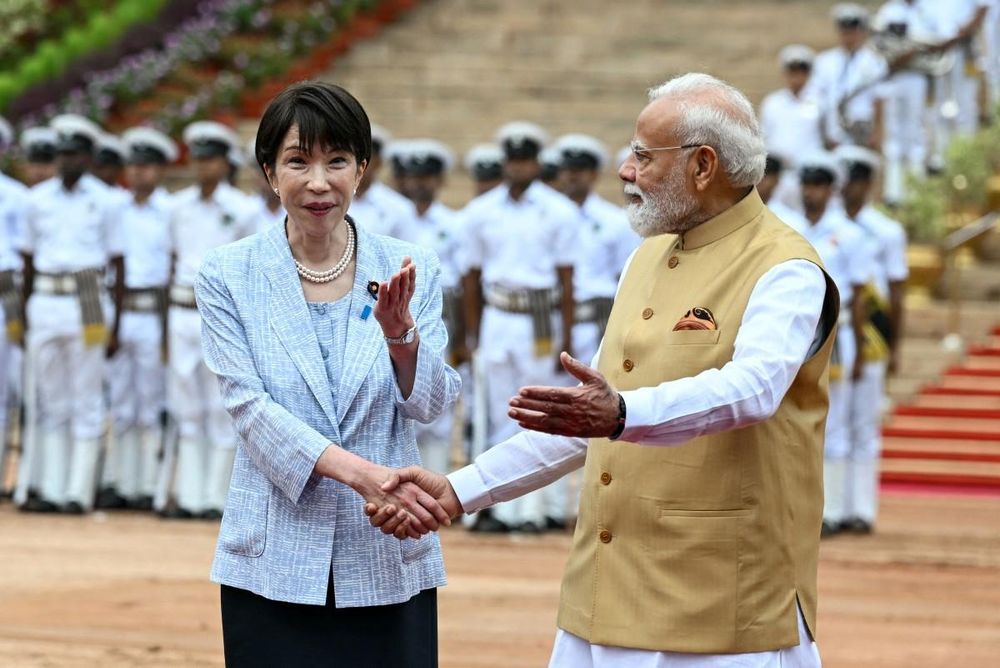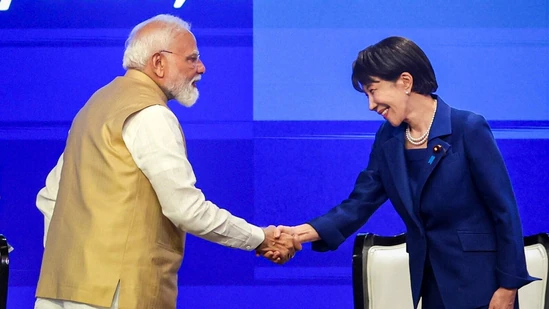
Japanese Prime Minister Sanae Takaichi’s first official visit to India turned out to be an occasion to signal enhanced bilateral coordination in the face of global uncertainties. Rapid changes in geopolitics and technological advances are forcing all countries into fresh thinking, most consequentially with regard to China. The U.S. appears less enthusiastic about the Quad grouping (with India, Japan and Australia) and is unsure of the nomenclature “Indo-Pacific” in its strategy. Against this backdrop, India and Japan declared a joint intent to continue with an ‘updated’ Free and Open Indo-Pacific (FOIP) posture, ring-fencing bilateral ties from multilateral arrangements. Ms. Takaichi signed at least 16 agreements and documents, including a joint statement on energy resilience to support bilateral cooperation along the ‘maritime energy transport value chain’. The commitments to energy cooperation were supported by the awareness that to play lead roles in the FOIP, the two sides should cooperate in the energy domain from South Asia to the Indo-Pacific. This concern was also linked with the problems both sides faced regarding the safety of energy-carrying ships and sailors during the U.S.-Israel war against Iran. The two major Asian economies have a shared interest in ensuring that the nearest energy sources in the Gulf remain accessible. They have agreed to build naval platforms to enhance maritime domain awareness and surveillance.A joint statement issued during the visit mentioned “serious concerns” about the prevailing situation in the South China and East China Seas, and Japanese officials spoke to the media frankly about the need to address the Taiwan issue peacefully. Though a planned visit to Guwahati was dropped, Ms. Takaichi underscored Japan’s attention to the northeastern regions of India by connecting them with “relevant partners and regional organisations” of the Bay of Bengal region. BIMSTEC was mentioned as a partner organisation for Japan. Japan has major investments in Bangladesh and Thailand, and connecting these projects, including the Matarbari port in Cox’s Bazar, through an ‘industrial value chain’ with India’s northeast can boost regional prosperity and security. Ms. Takaichi has painted a vast canvas of cooperation stretching from India’s neighbourhood to the Pacific Ocean to protect the India-Japan relationship from the uncertainties of the current world order, but both sides have to manage multiple other relations effectively to ensure optimal outcomes. They have to manage their relations with China and the U.S. in such a manner that their strategic interests are protected and conflicts avoided. It can be a path of mutual learning and cooperation for India and Japan as they seek to navigate the global turbulence. Published - July 06, 2026 12:20 am IST
Two together: on the Japanese Prime Minister’s visit to India
The Japanese Prime Minister Sanae Takaichi’s first official visit to India turned out to be an occasion to signal enhanced bilateral coordination in the face of global uncertainties
430 words~2 min read