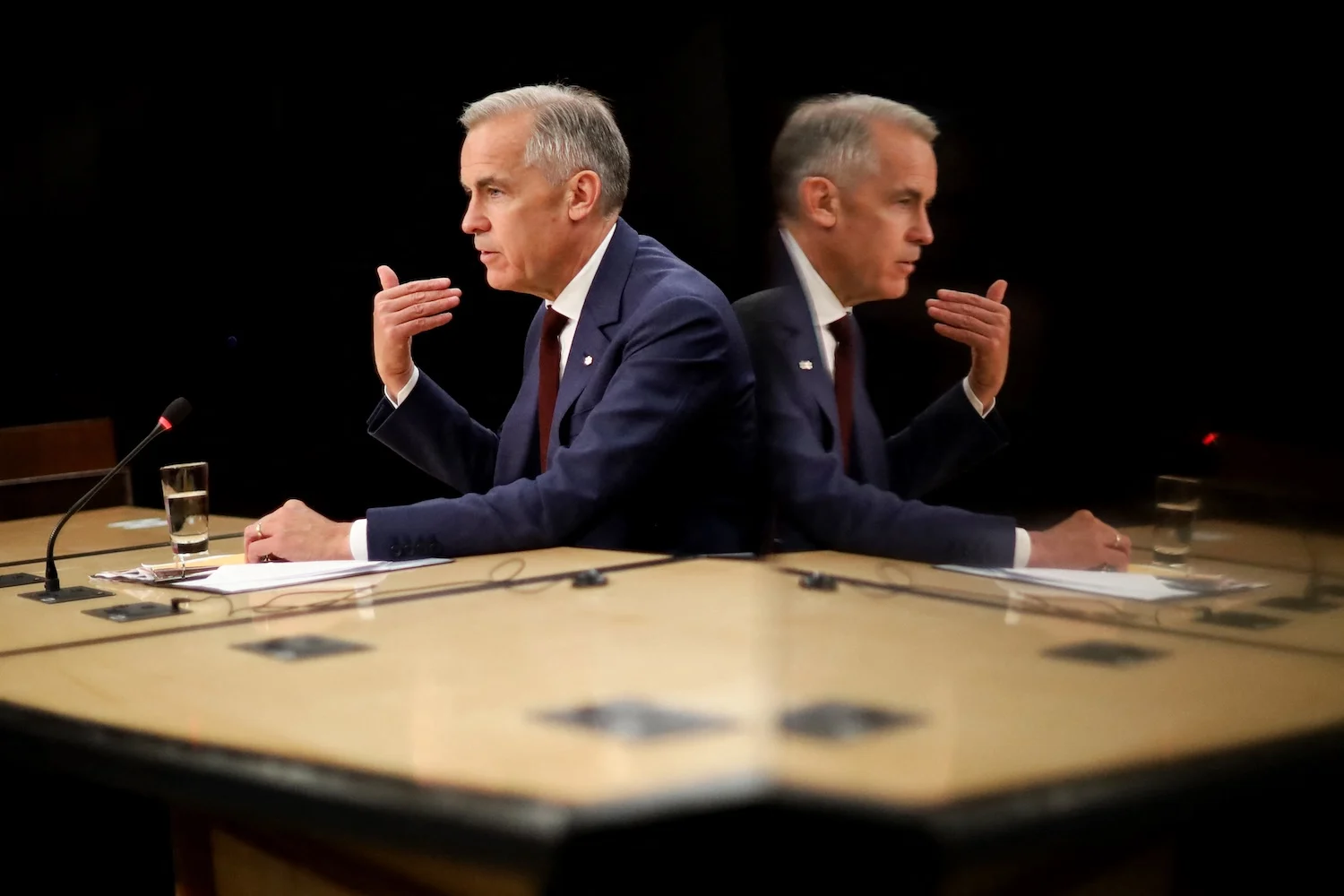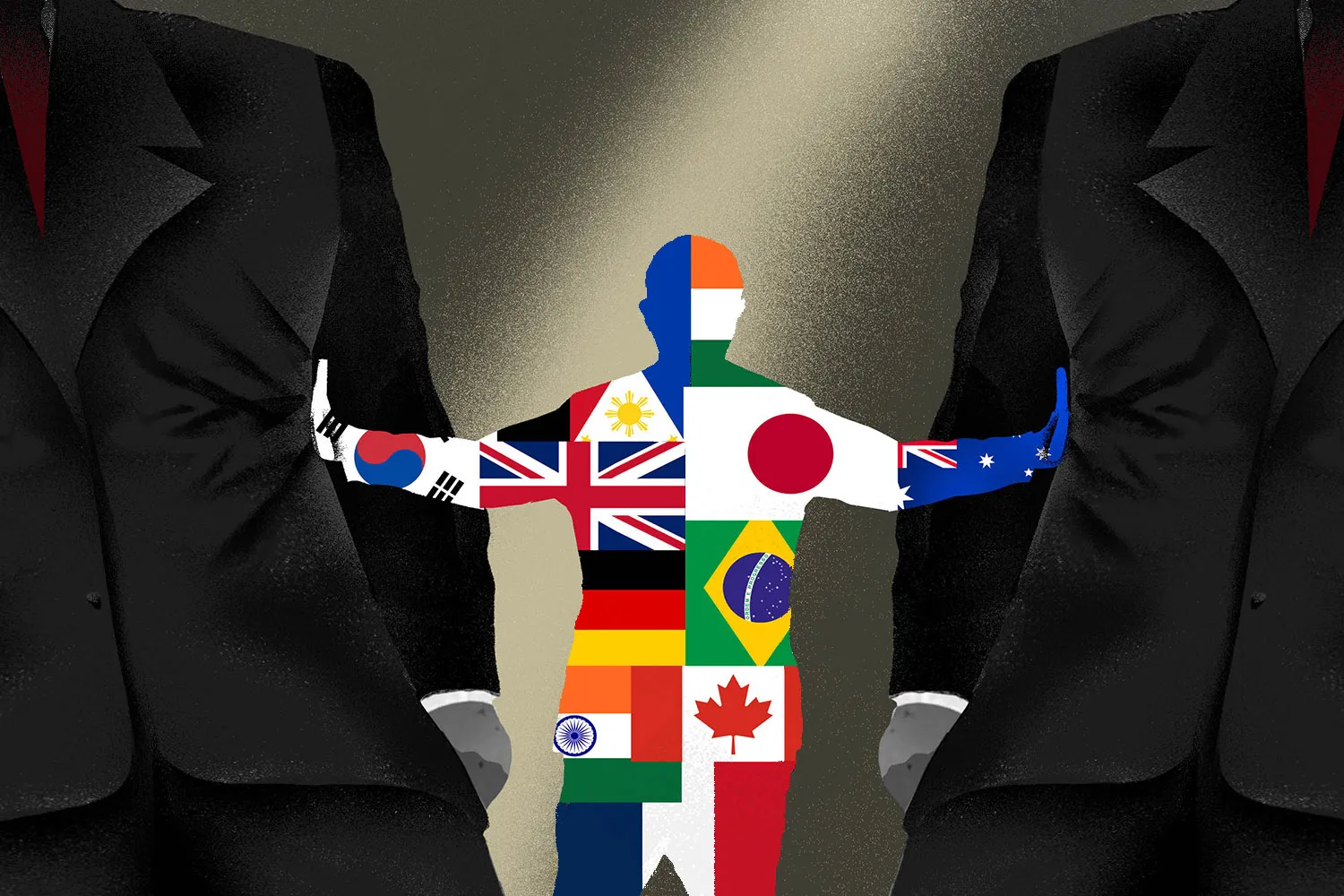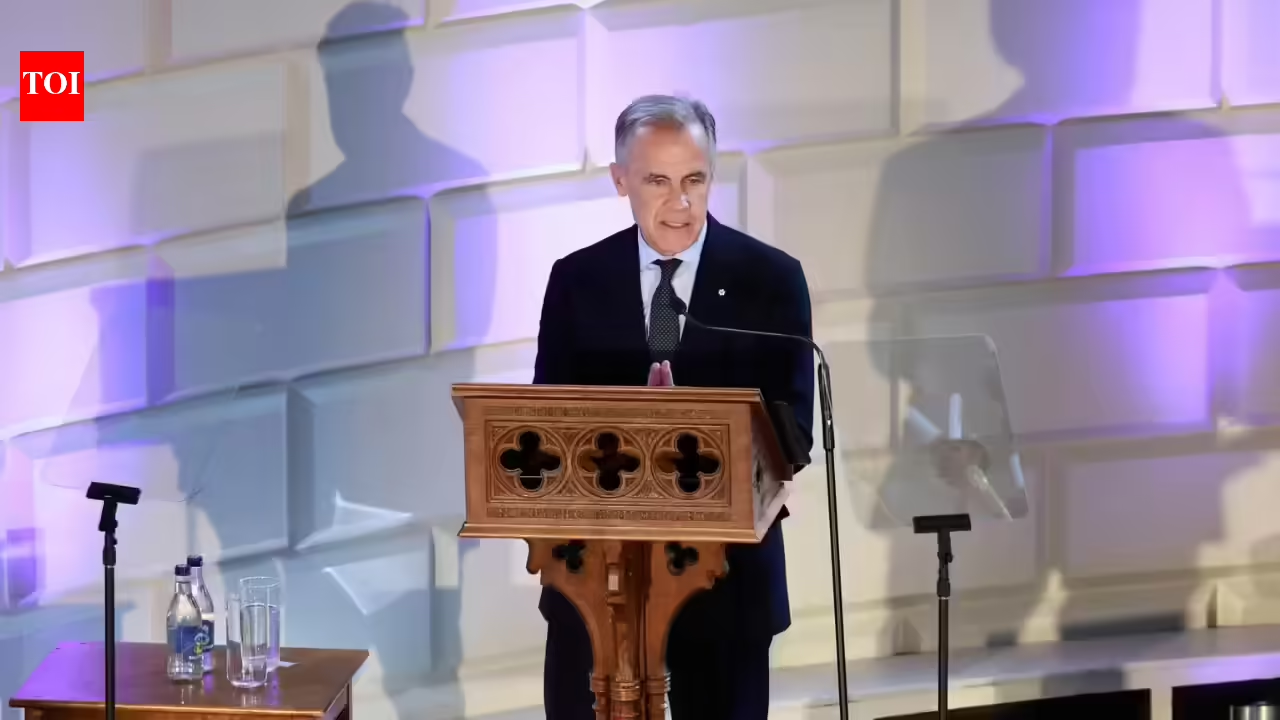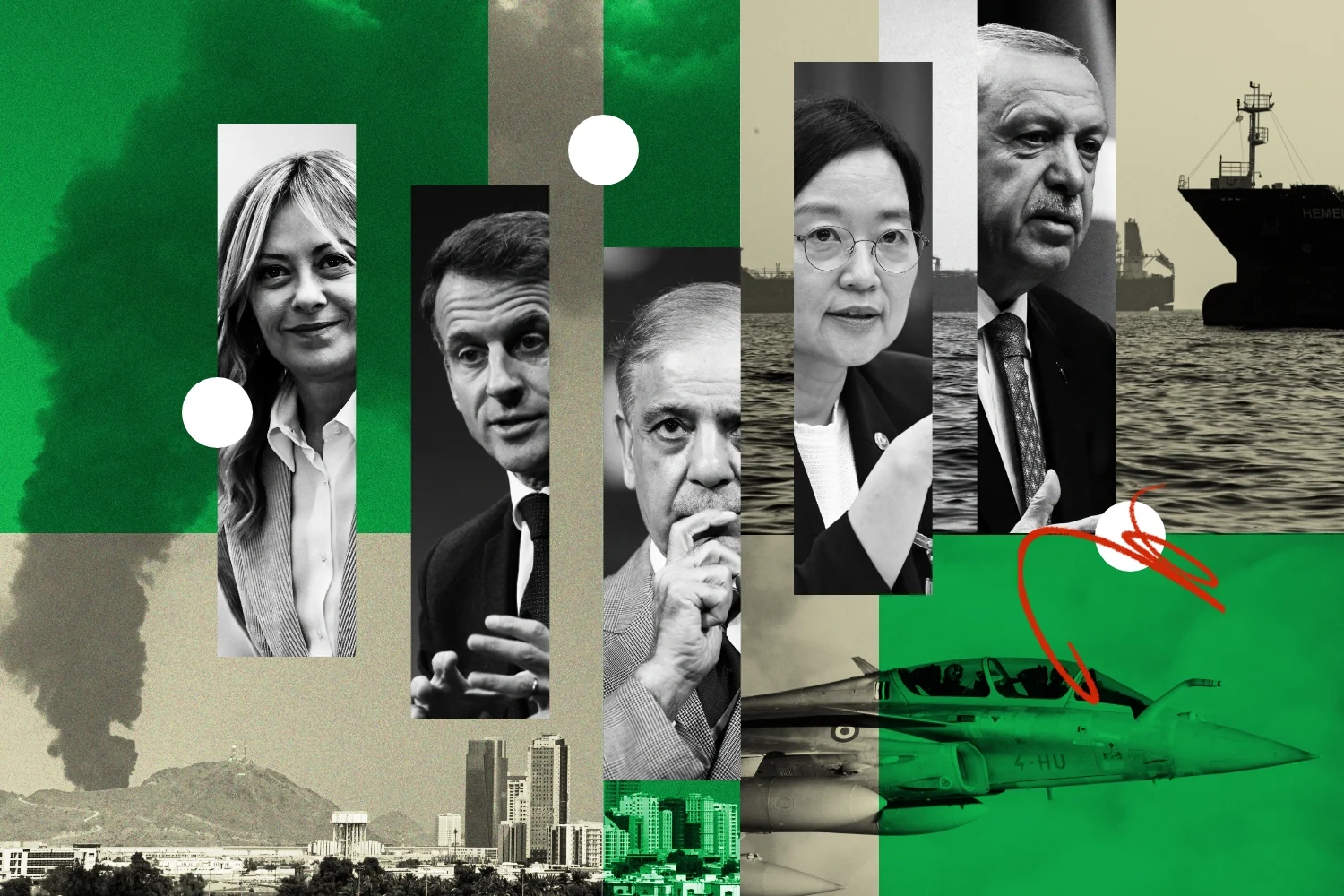
It’s been an unusual year for middle powers. Canadian Prime Minister Mark Carney’s powerful Davos speech, in which he called on middle powers to band together, brought them to the forefront of the global policy debate. Now, the Iran war has served as a reality check. Undersecretary of Defense for Policy Elbridge Colby’s recent social media posts dismissed the very idea of a “‘middle powers’ strategy” as a costly distraction. Yet beyond binary, simplistic success-or-failure narratives, the war has shed light on both the limitations of middle powers and the crucial roles they play in the global order.
Middle powers may have learned they can’t reshuffle the overarching edifice of the global order, but they can do more than Colby suggests. They can change its security-centric agenda, priorities, and language—a precious and vital contribution—but to do so, they must all work together.
It’s been an unusual year for middle powers. Canadian Prime Minister Mark Carney’s powerful Davos speech, in which he called on middle powers to band together, brought them to the forefront of the global policy debate. Now, the Iran war has served as a reality check. Undersecretary of Defense for Policy Elbridge Colby’s recent social media posts dismissed the very idea of a “‘middle powers’ strategy” as a costly distraction. Yet beyond binary, simplistic success-or-failure narratives, the war has shed light on both the limitations of middle powers and the crucial roles they play in the global order.