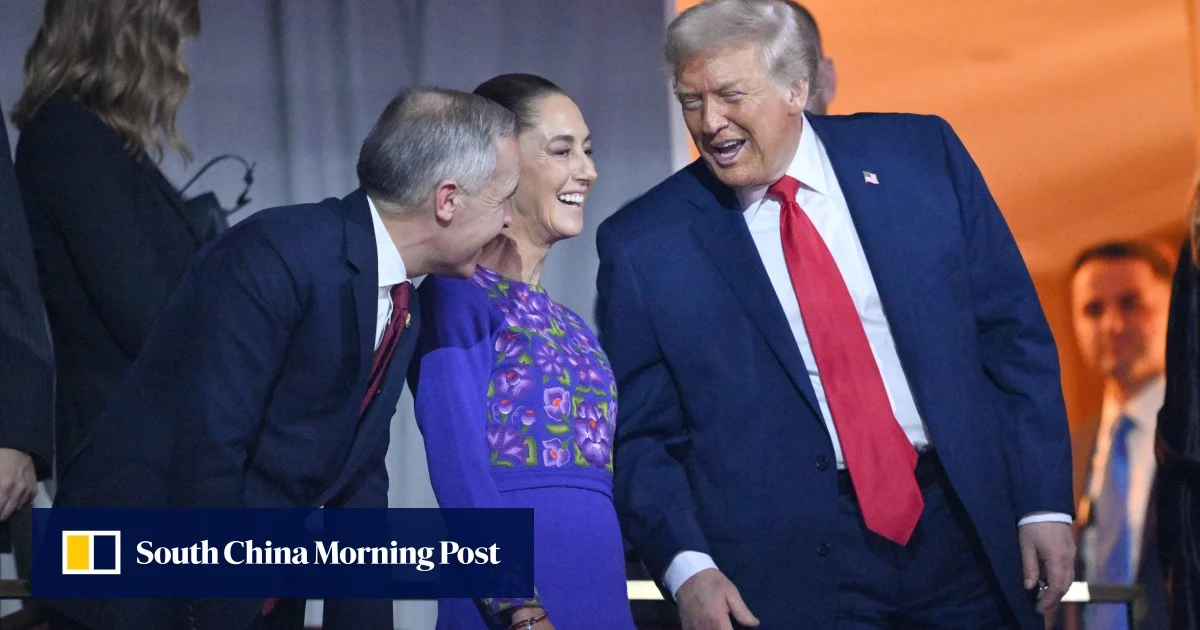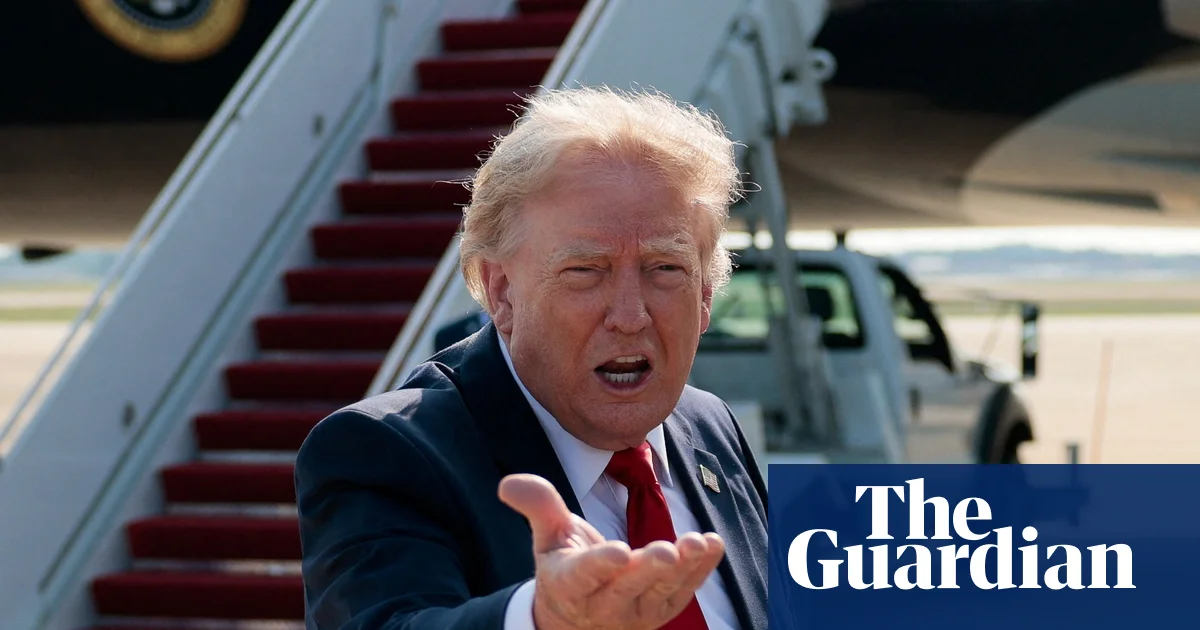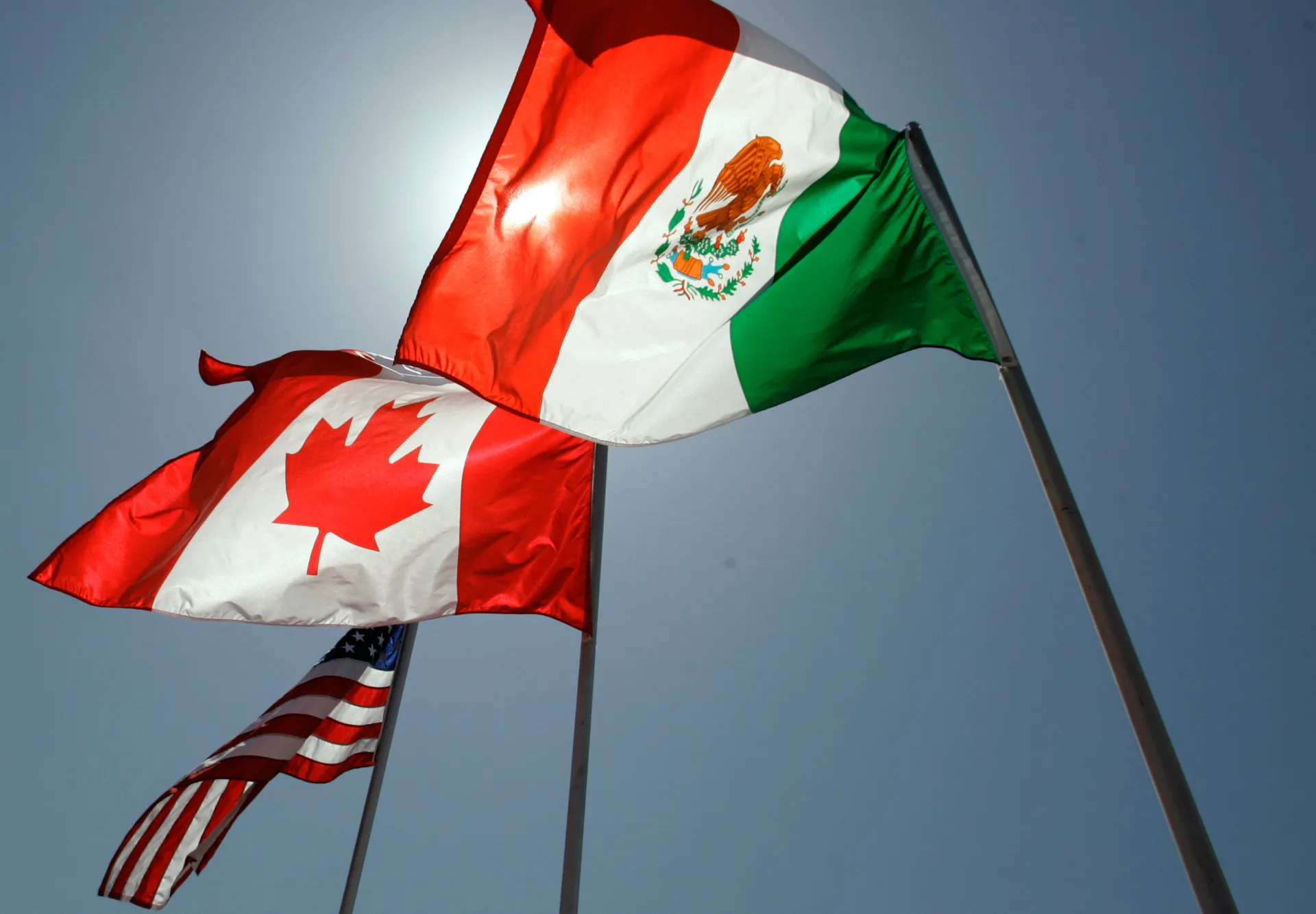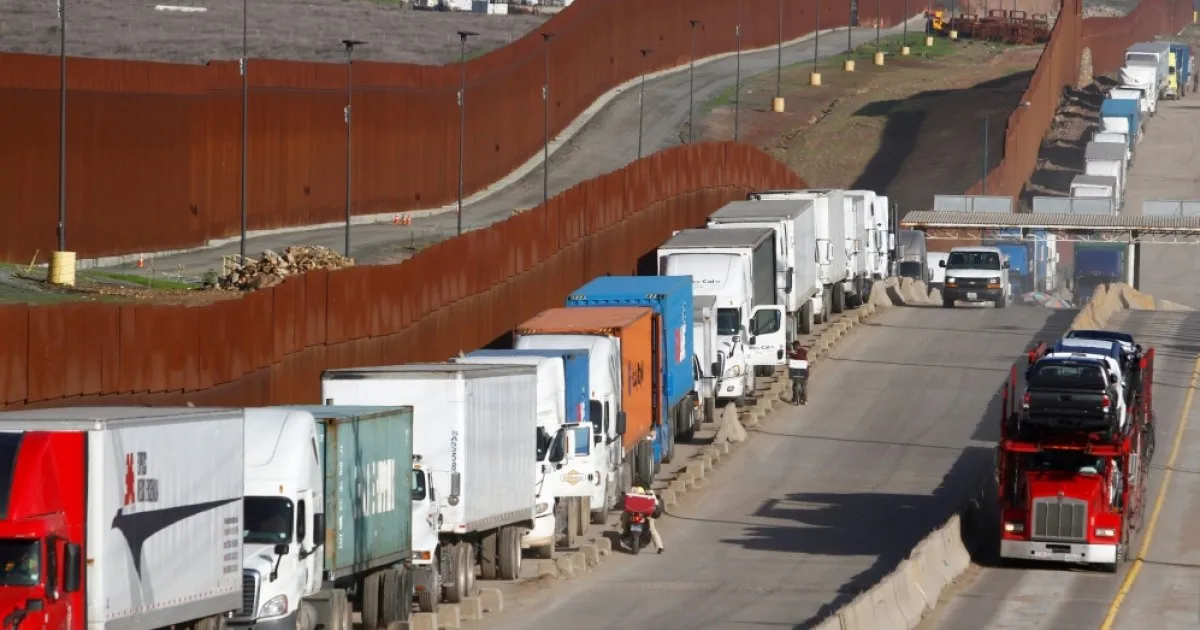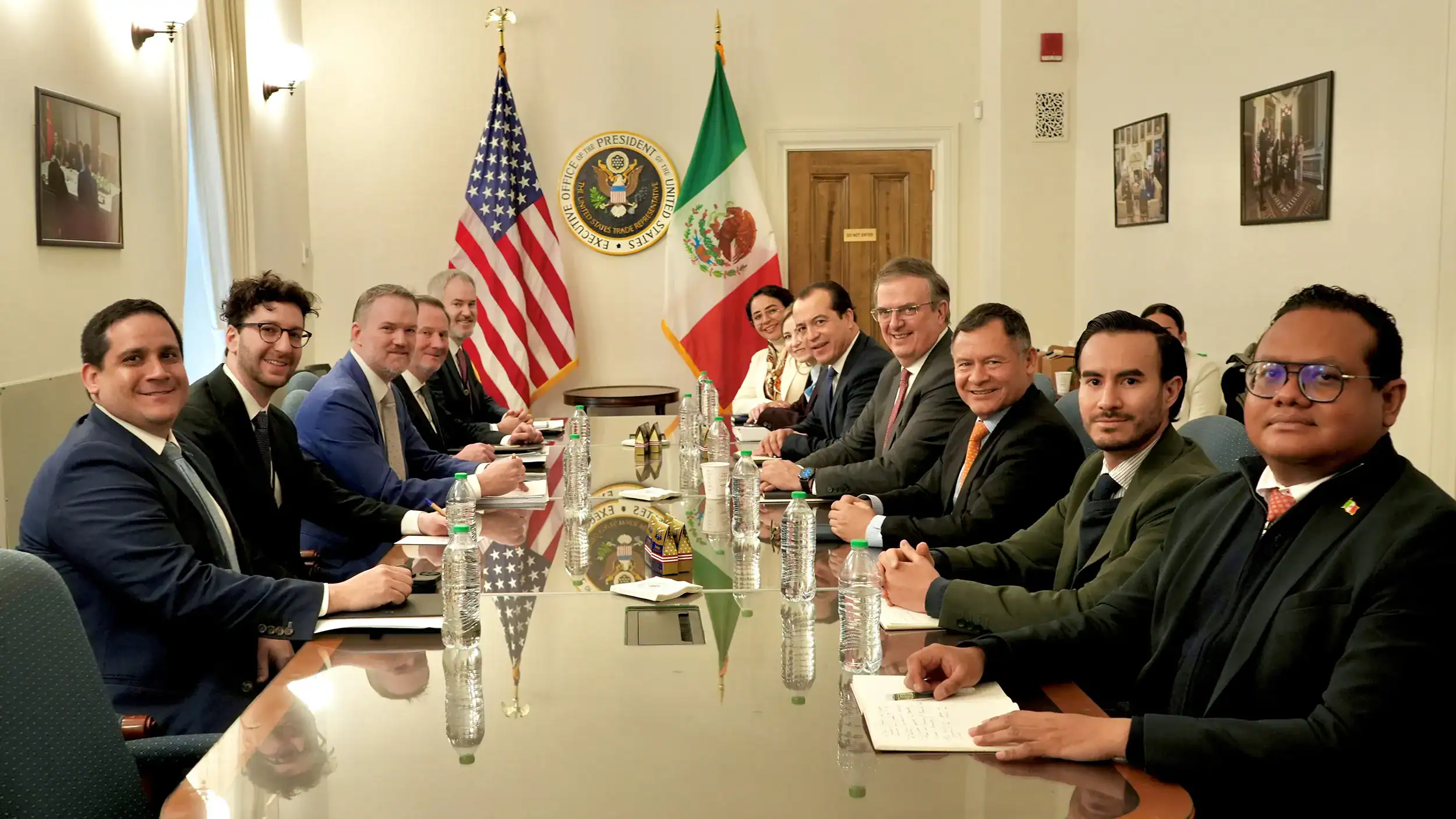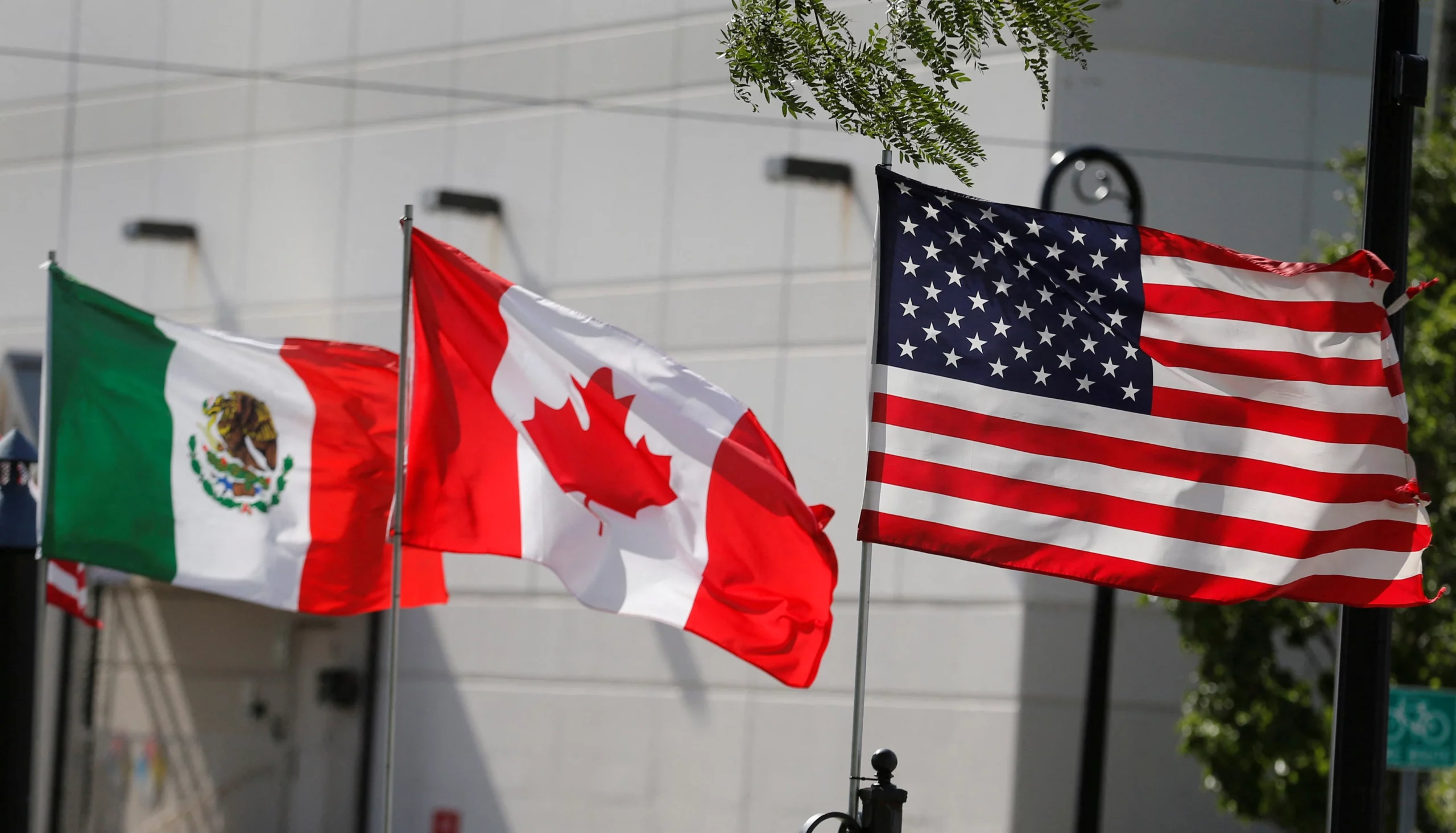
The United States-Mexico-Canada Agreement, better known as USMCA, is moving into its required six-year trilateral review, with the first formal meeting of the three countries set for July 1, 2026. What makes this review particularly interesting is that the president who personally negotiated the deal as a replacement for NAFTA has publicly expressed he would “rather not have” it.
What the USMCA review actually means
The agreement, which governs trade rules among the US, Canada, and Mexico, has a built-in mechanism requiring all three countries to sit down every six years and decide whether to keep things going. If all three parties agree to extend the deal, it continues for another 16-year term. If any country decides not to extend, the agreement enters a 10-year phase-out period punctuated by annual reviews, during which the remaining parties can still choose to recommit.
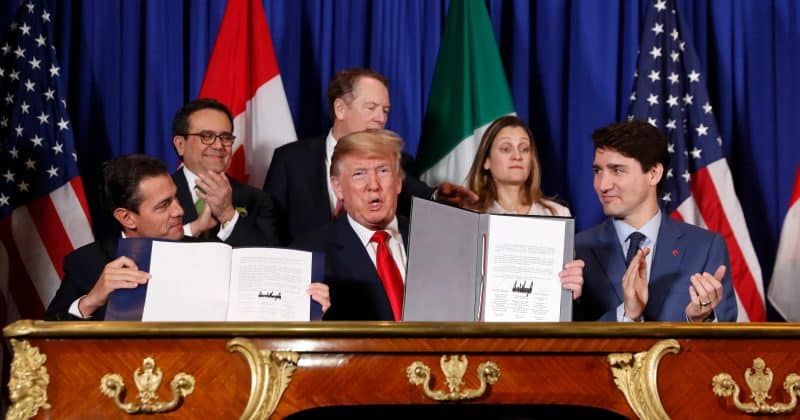
The USMCA replaced NAFTA in 2020 after Trump, during his first term, argued that the original free trade deal was catastrophically unfair to American workers and manufacturers. The renegotiated agreement included updated provisions on digital trade, labor standards, auto manufacturing rules of origin, and agricultural market access.