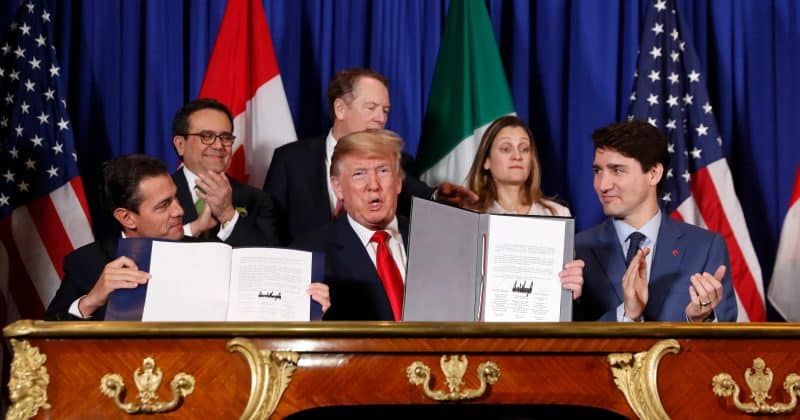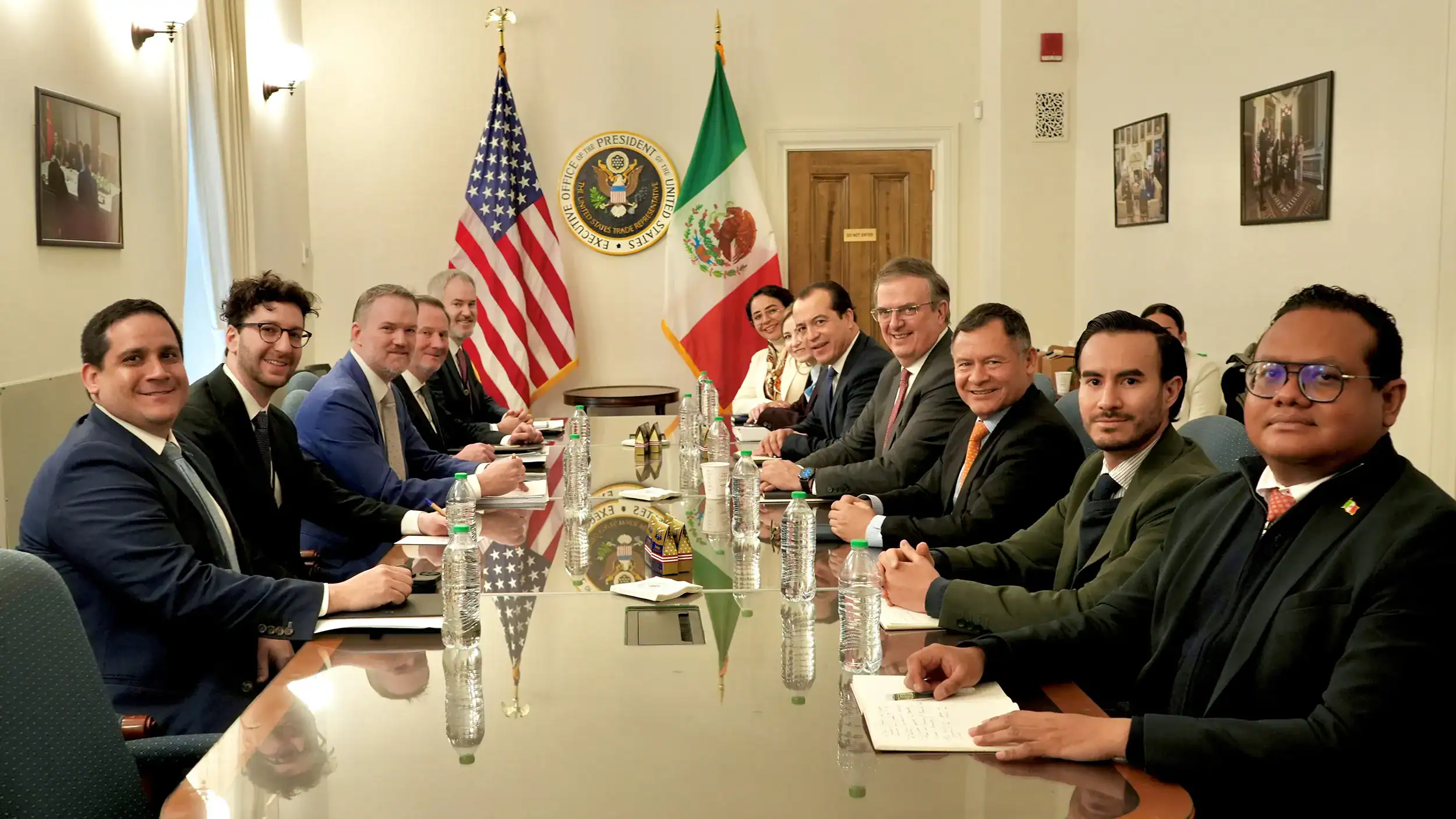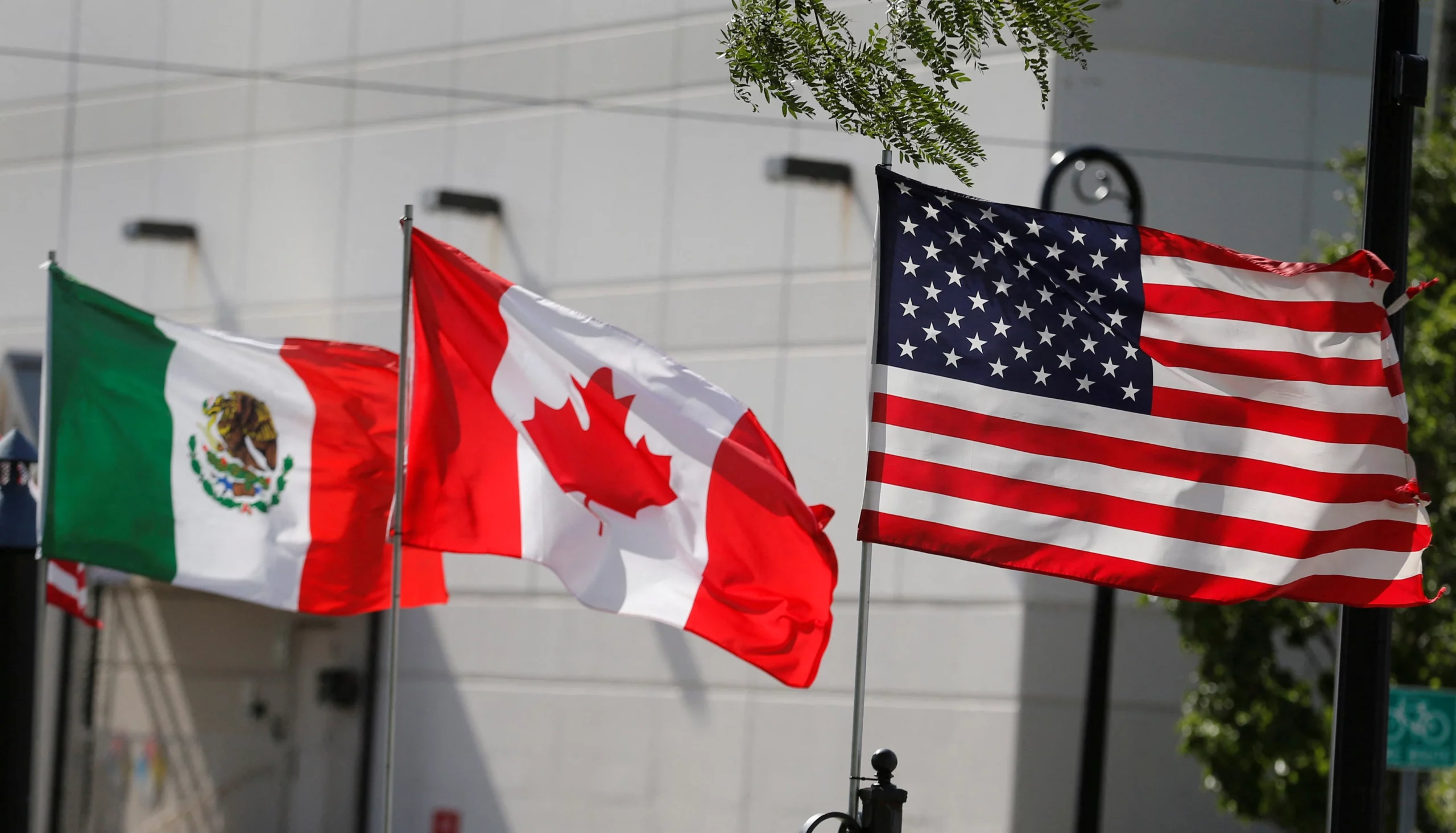
WASHINGTON—On July 1, US, Mexican, and Canadian officials are meeting to discuss the United States–Mexico–Canada Agreement (USMCA). After six years in force, the trilateral trade pact is up for its mandatory review that will help decide if it should be extended for a further sixteen years.
As this review begins, it is important to keep in perspective what is at stake beyond the specific tariff rates and changes to rules-of-origin criteria. For most of the period following World War II, it was easy to treat trade and security as separate domains. Under the General Agreement on Tariffs and Trade and its successor, the World Trade Organization, and with the United States underwriting an open trading system, that separation came to feel natural.
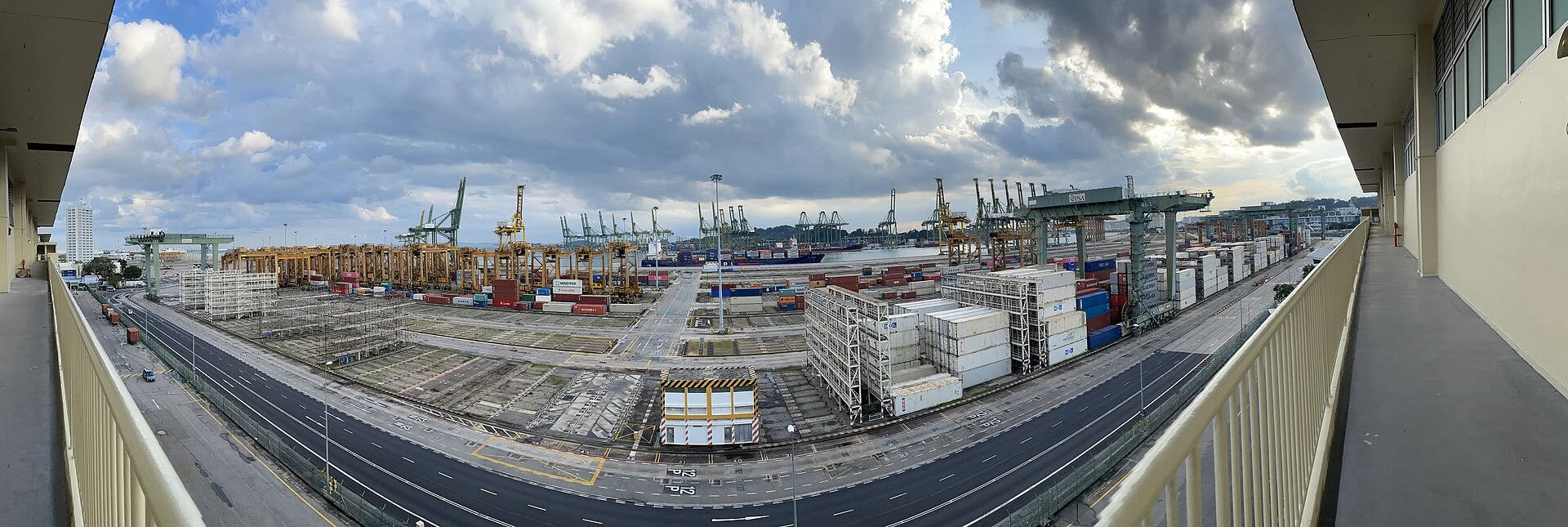
That belief was always more comfortable than correct. Eighty years ago, in National Power and the Structure of Foreign Trade, American economist Albert Hirschman showed that the pattern of a nation’s trade is an instrument of power: Whoever supplies your essentials or buys your exports gains leverage over you. Recent years have not revealed a new truth so much as revived the relevance of an old one. Tariffs are wielded as national-security instruments; supply chains are treated as strategic terrain. The current generation has simply been reminded that trade and security were never separate, and every major economy is now adapting.