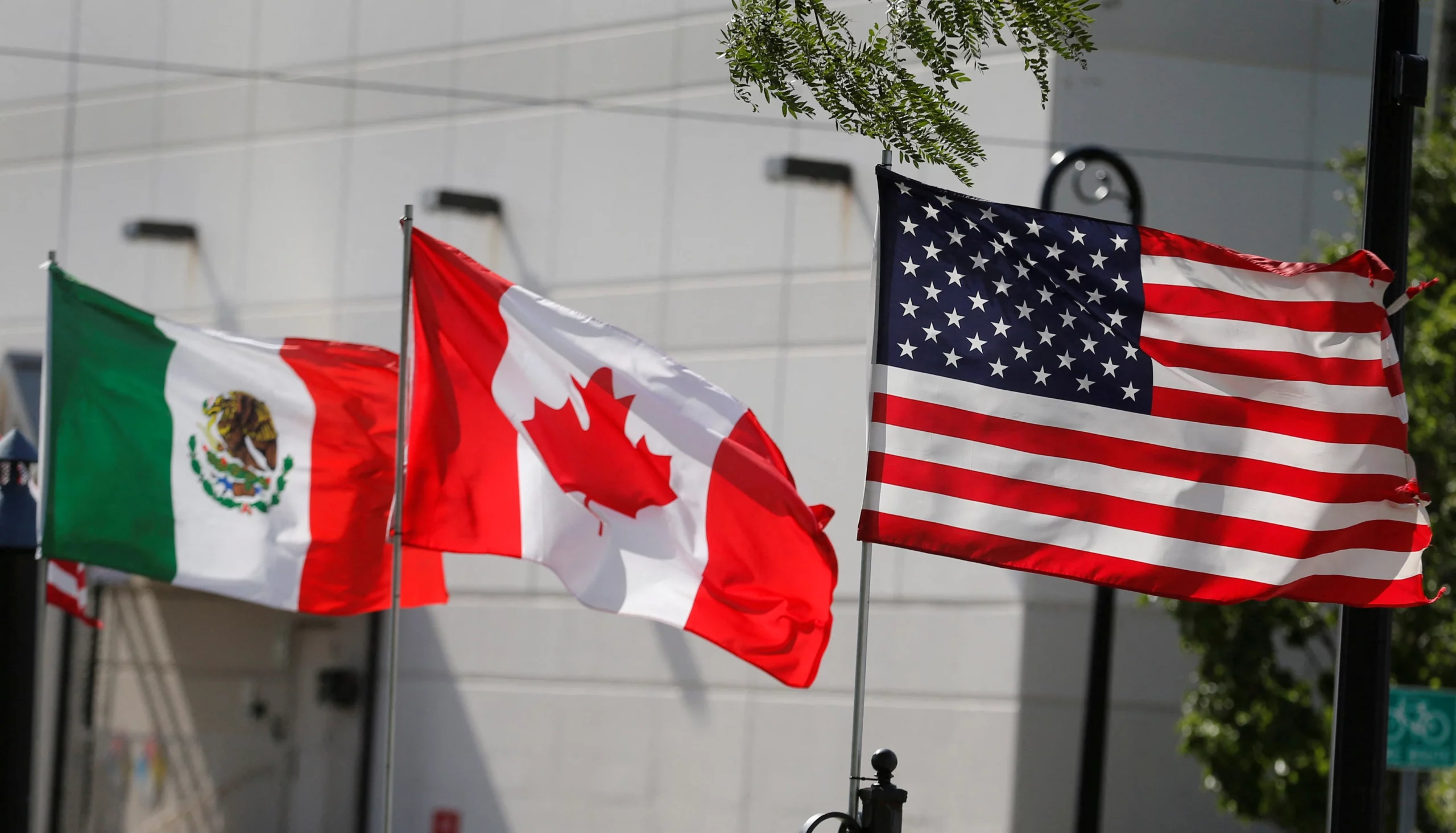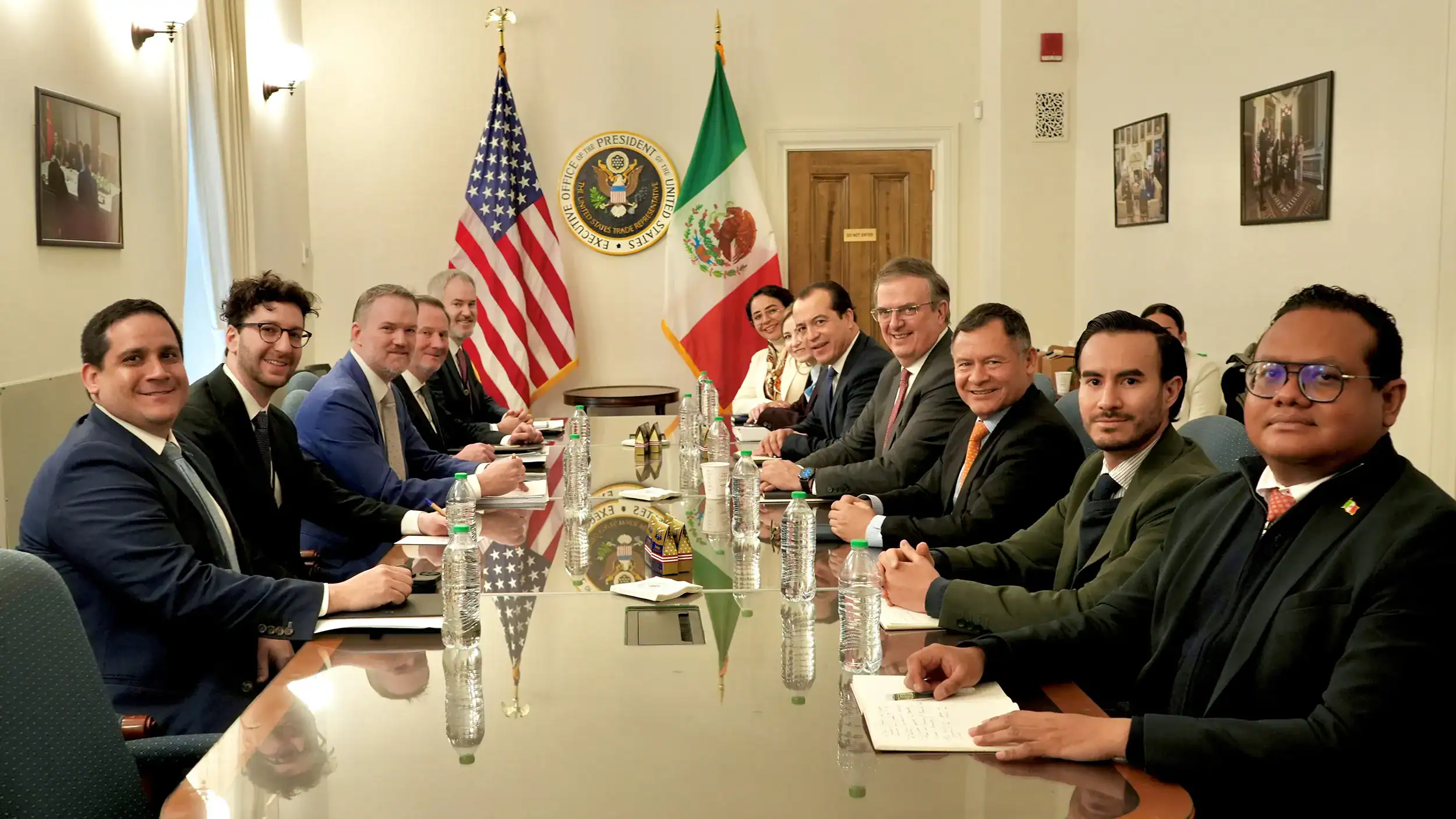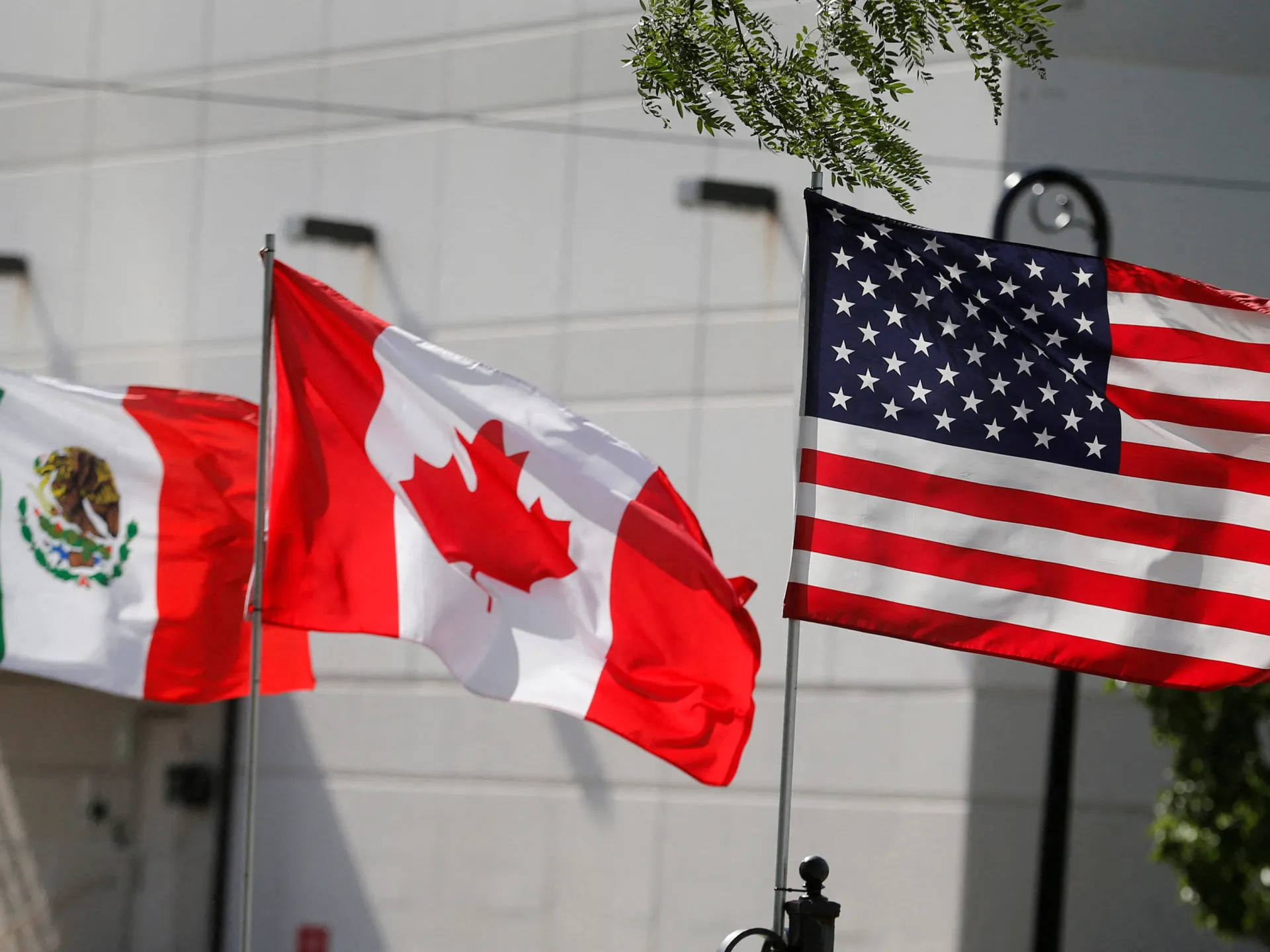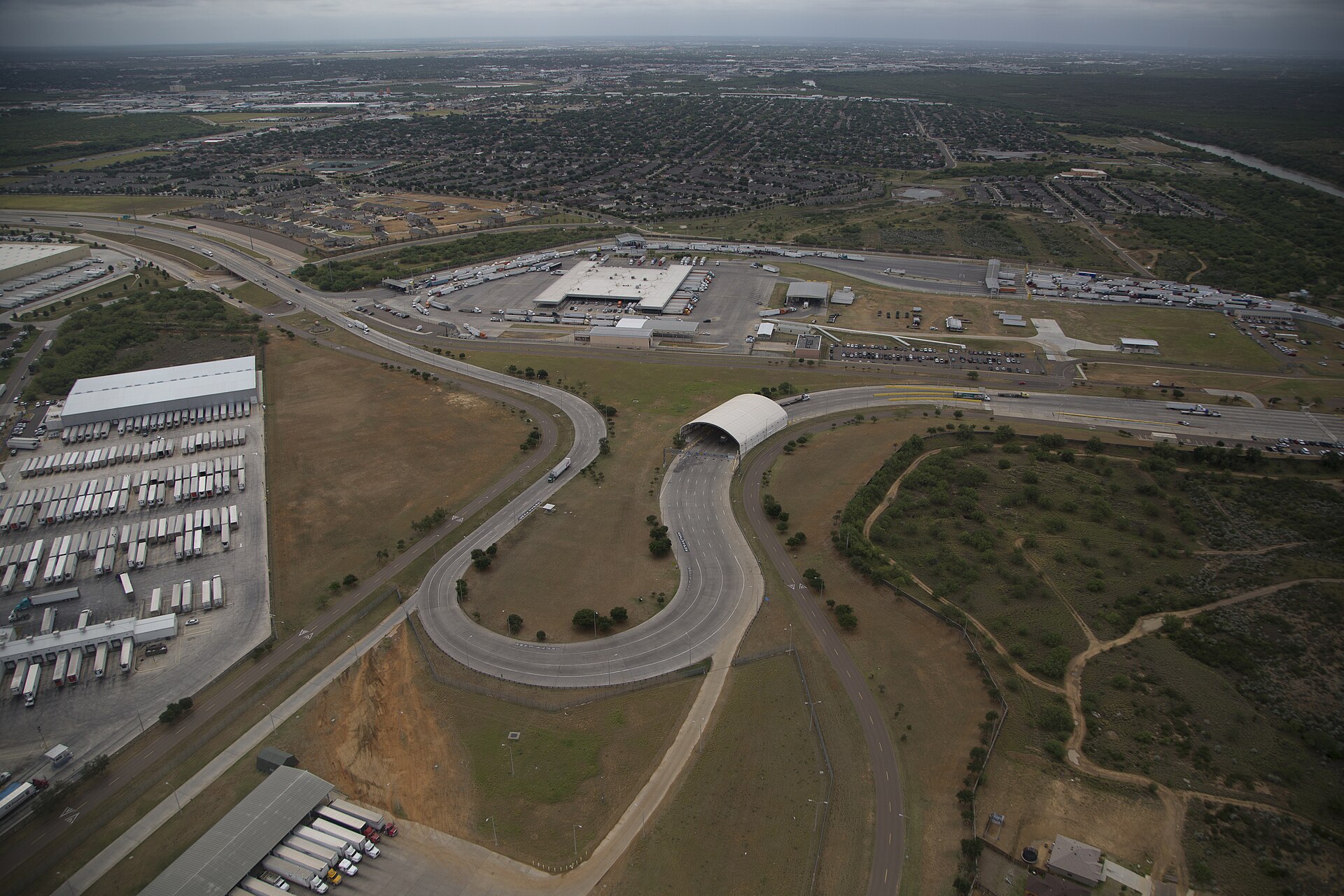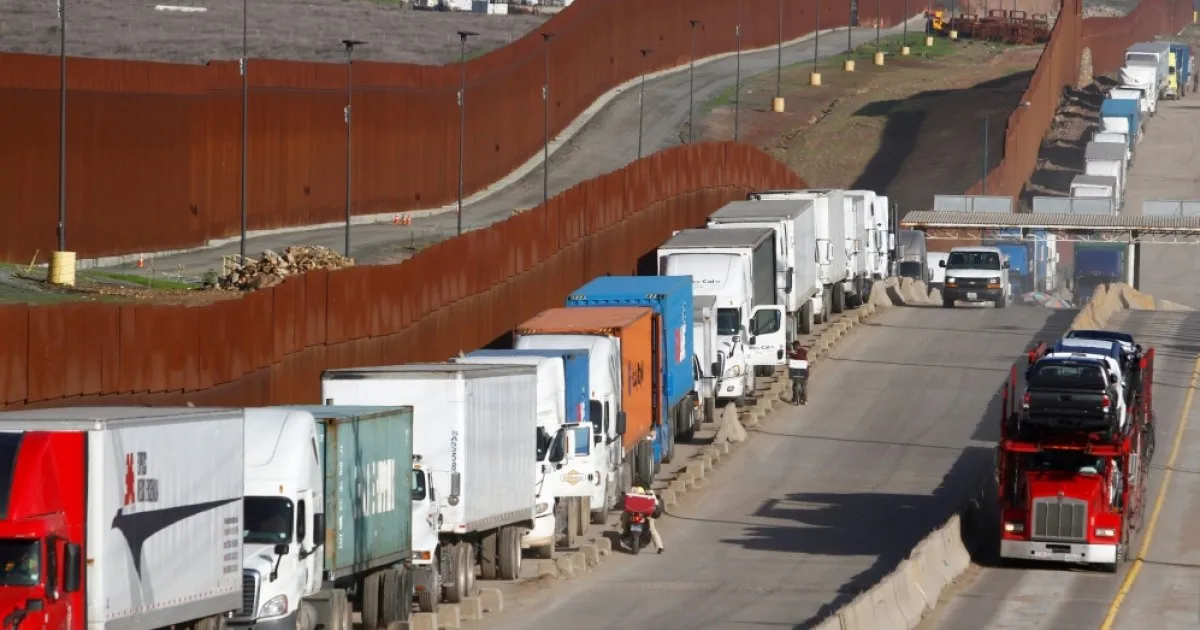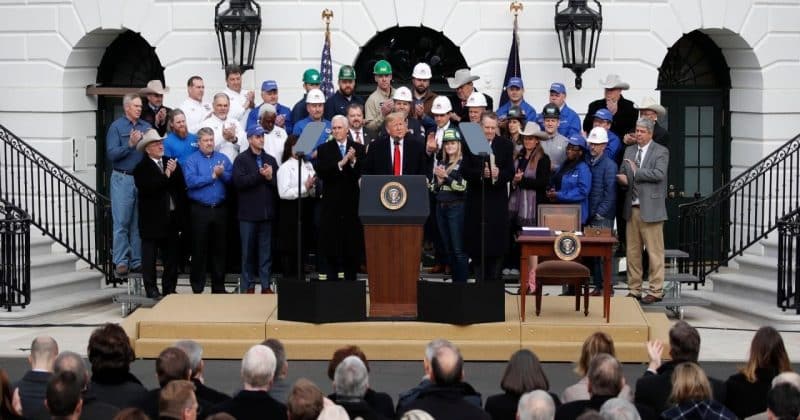
The trade agreement that governs roughly $1.8 trillion in annual commerce between the US, Mexico, and Canada is approaching its first major stress test.
The USMCA, which replaced NAFTA when it took effect on July 1, 2020, faces a mandatory six-year joint review on July 1, 2026. Under Article 34.7 of the agreement, all three nations must decide whether to extend the deal for another 16 years, pushing it out to 2042. If they can’t agree, the pact enters a limbo of annual reviews that could ultimately lead to its expiration in 2036.
What’s actually at stake
Trilateral trade among the three nations totaled about $1.8 trillion in the year leading up to August 2025. Failure to renew doesn’t kill the agreement immediately, but it introduces the kind of uncertainty that makes long-term business planning nearly impossible.
Investment in Mexico has already declined by approximately 10% year-over-year, a sign that uncertainty is already biting before the formal review even begins. Job growth in both the US and Canada has been sluggish, and prolonged ambiguity around the agreement’s future could further dampen the nearshoring trend.