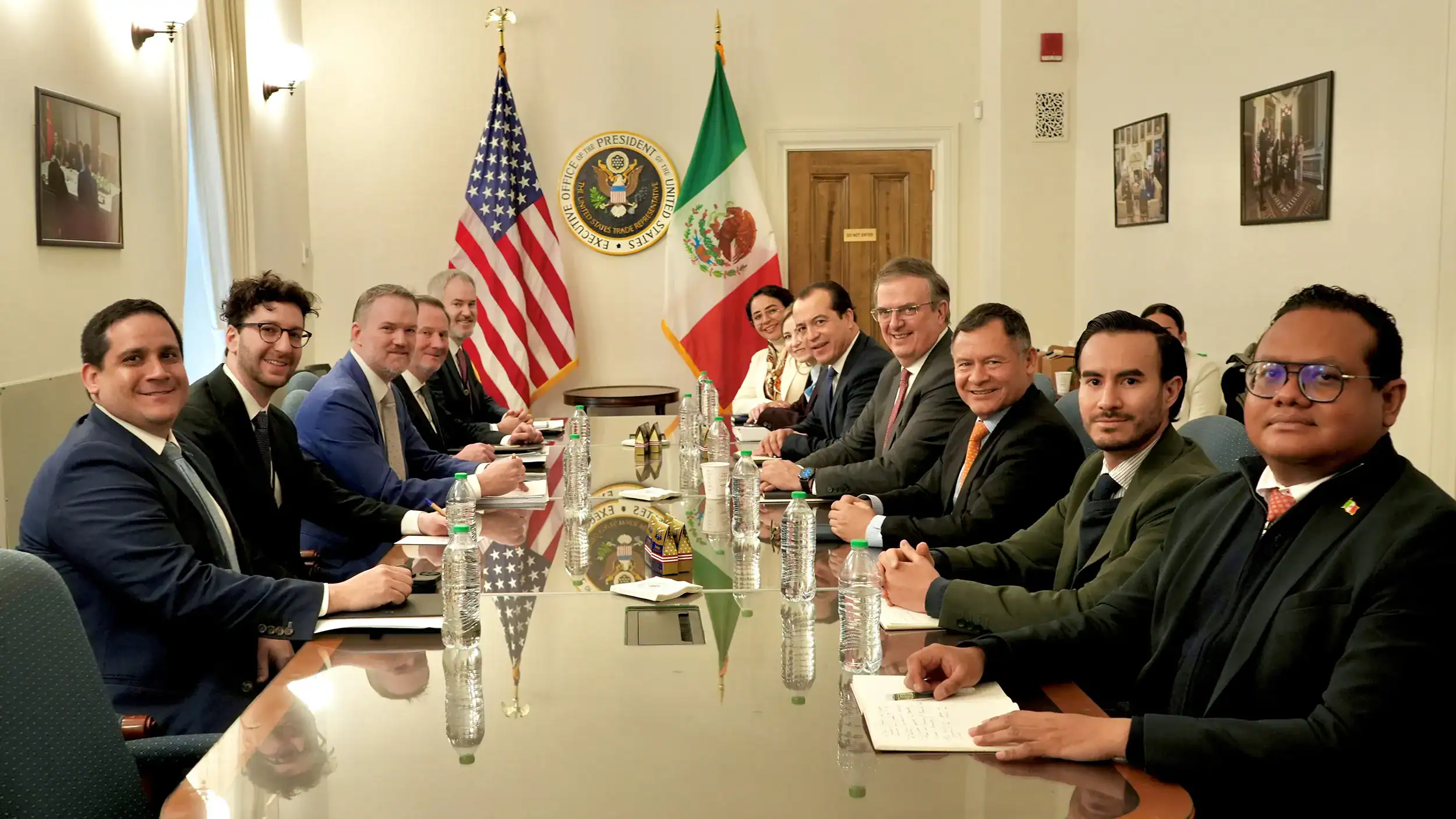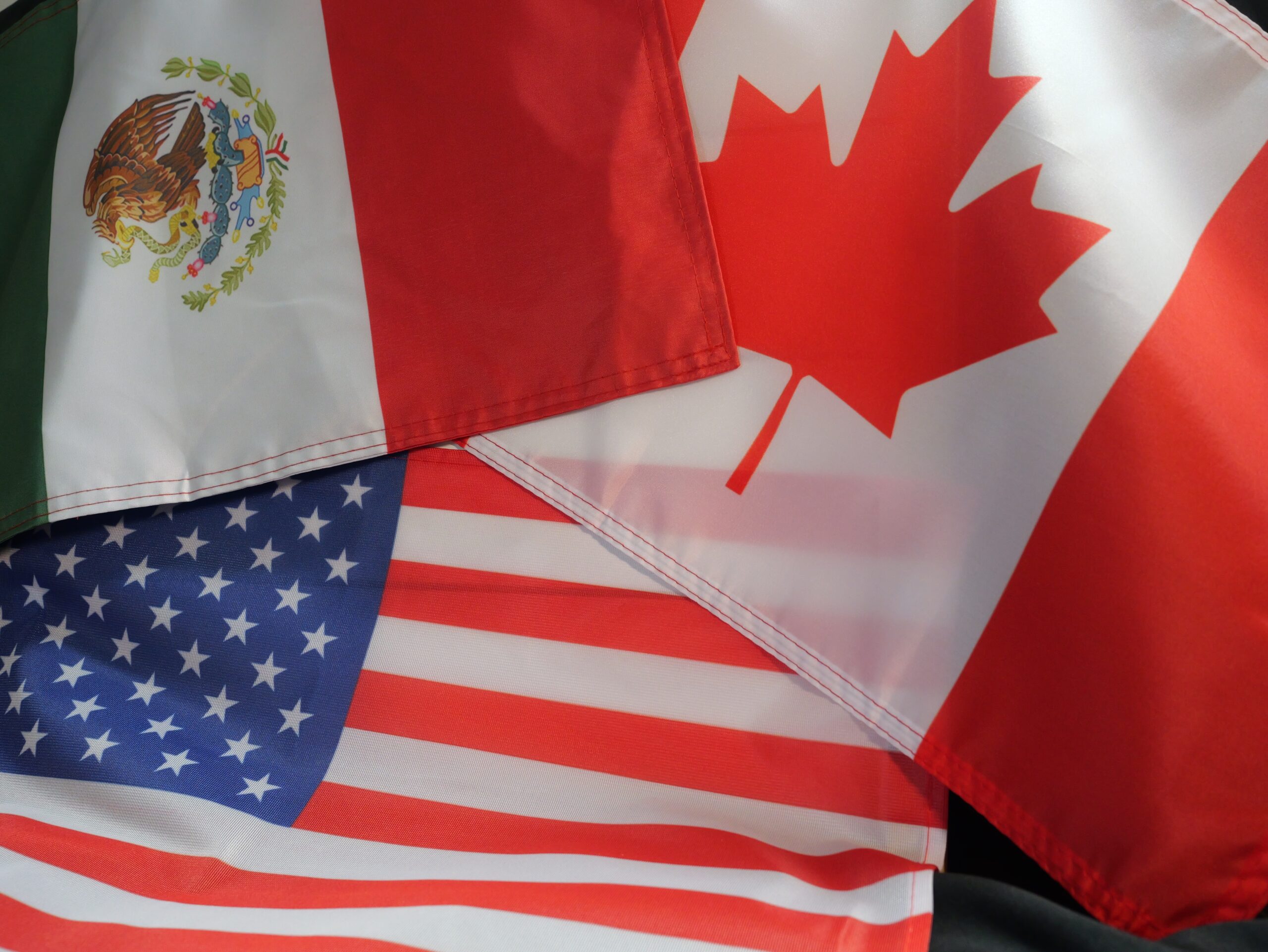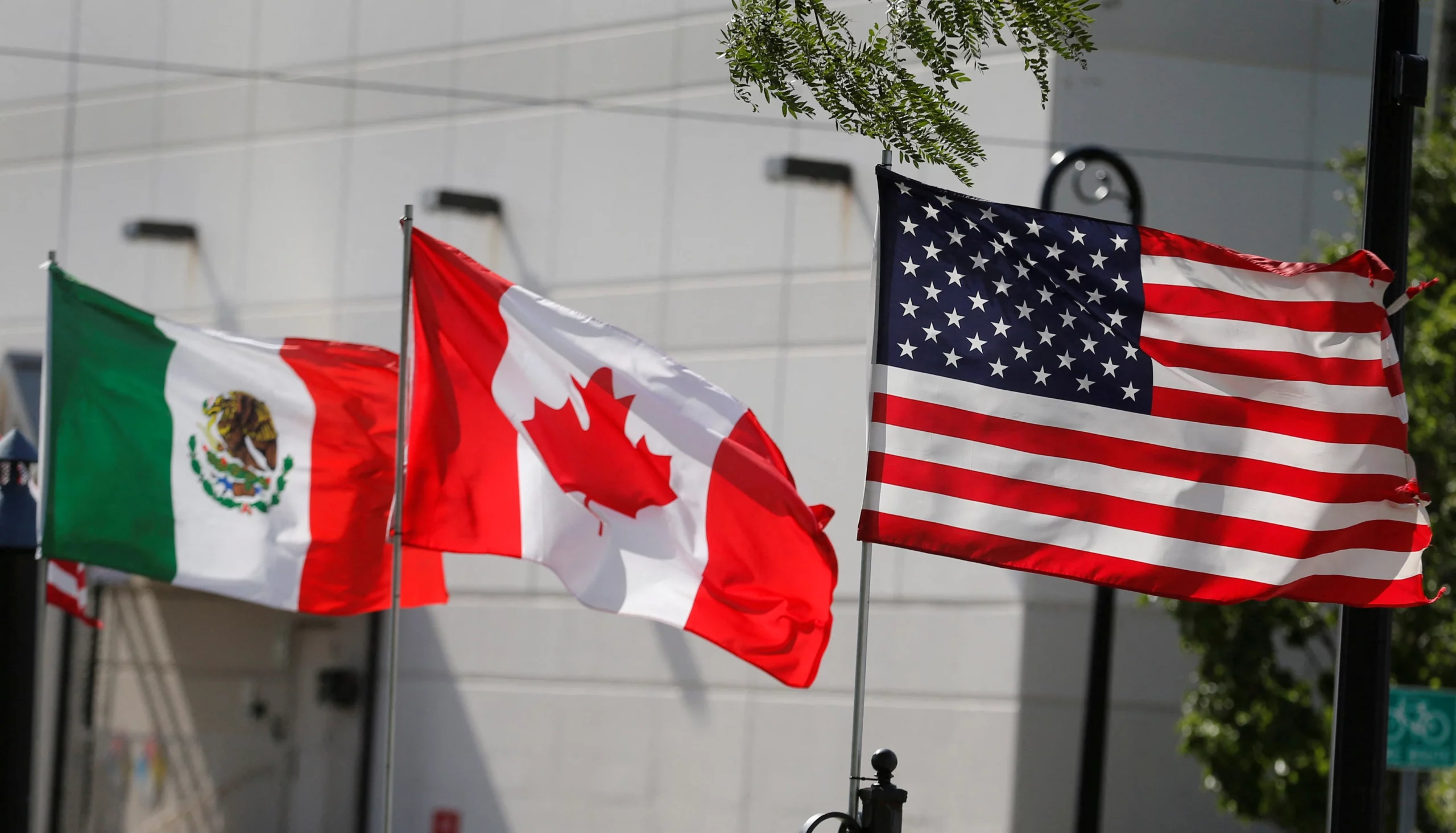
The United States has signaled its intention to move away from the USMCA, the trilateral trade agreement with Canada and Mexico that replaced NAFTA. The move doesn’t rip up the deal overnight. Instead, it activates a decade-long process baked into the agreement’s own architecture, one that could see the pact expire by July 1, 2036.
How the exit mechanism actually works
The USMCA entered into force on July 1, 2020, replacing the decades-old North American Free Trade Agreement. Unlike NAFTA, which had no expiration date, the USMCA was built with a novel 16-year term. That term ends on July 1, 2036, unless the three parties collectively agree to extend it.
The critical date on everyone’s calendar is July 1, 2026. That’s when a mandatory joint review kicks in, giving the US, Mexico, and Canada a formal checkpoint to evaluate the agreement’s performance and decide whether to renew it for another 16 years.
If all three parties agree to extend, the clock resets. If they don’t, the agreement enters a slow wind-down. Annual reviews would continue after 2026, giving the parties additional chances to reach consensus, but absent an agreement, the USMCA simply expires in 2036.