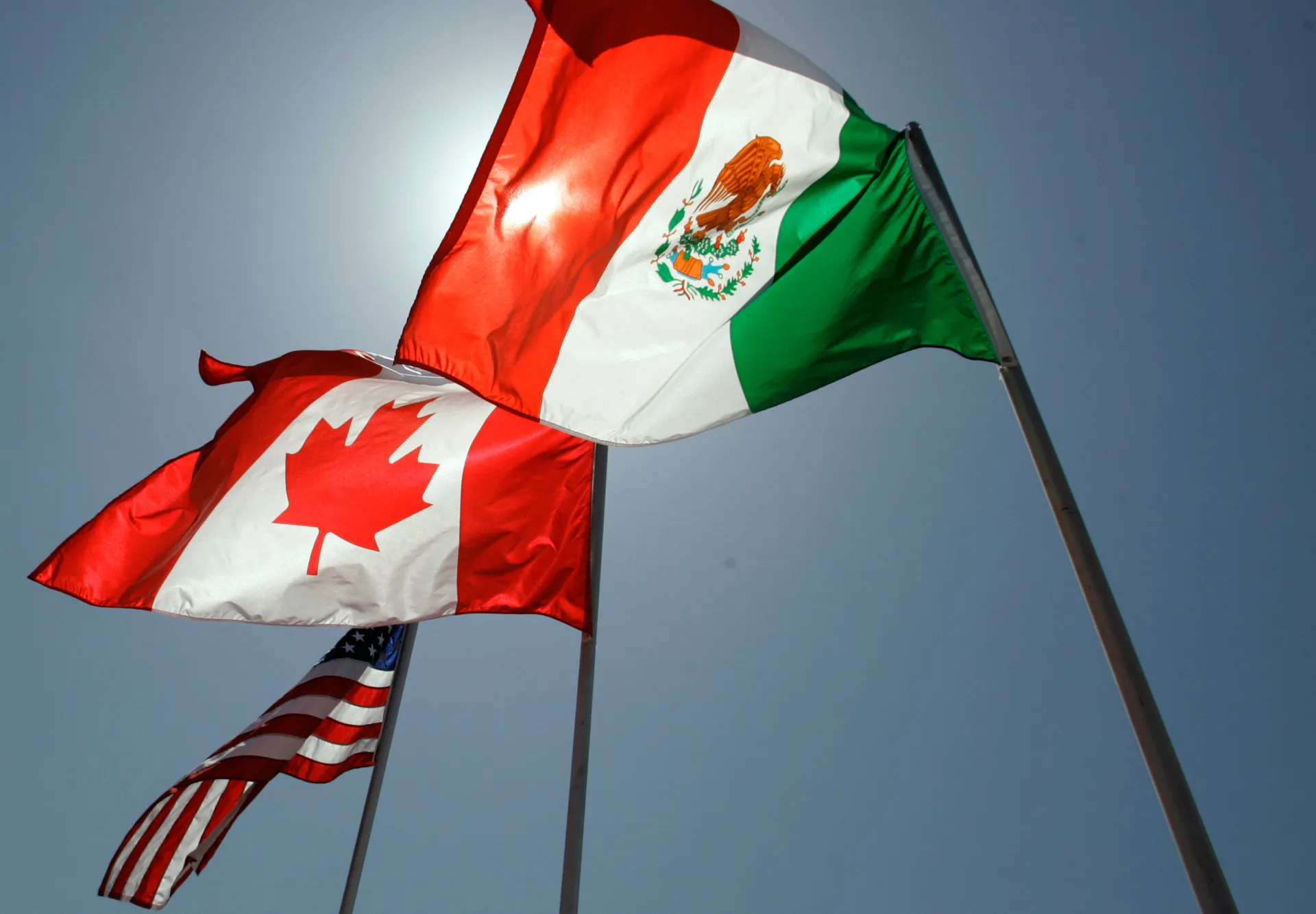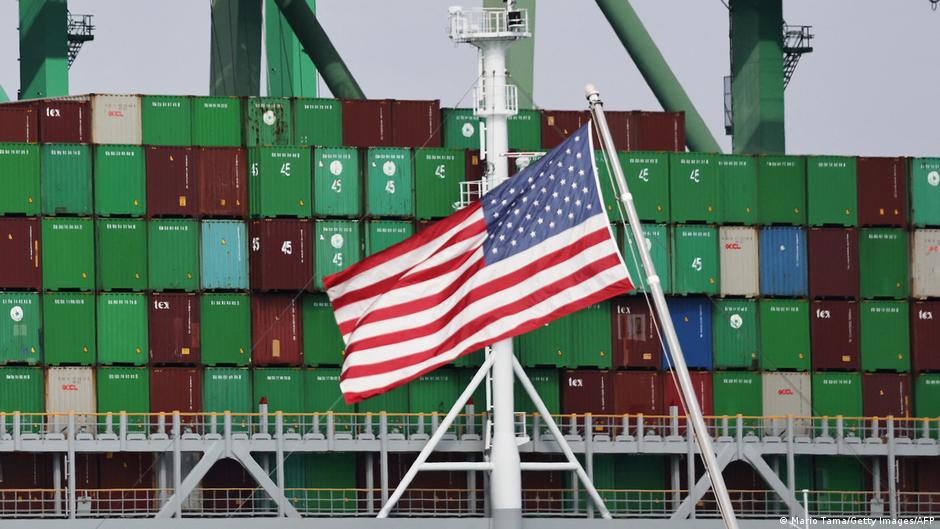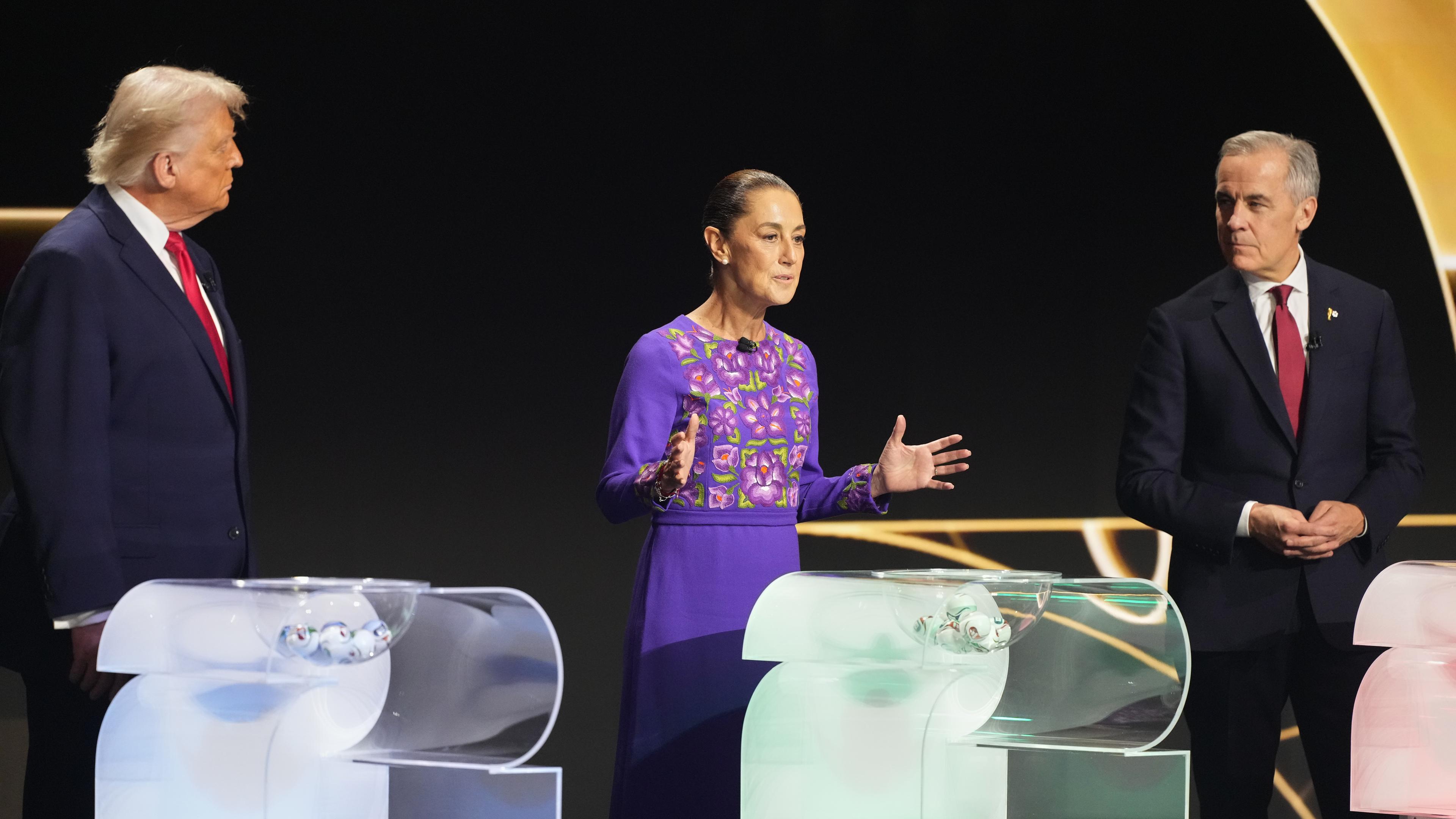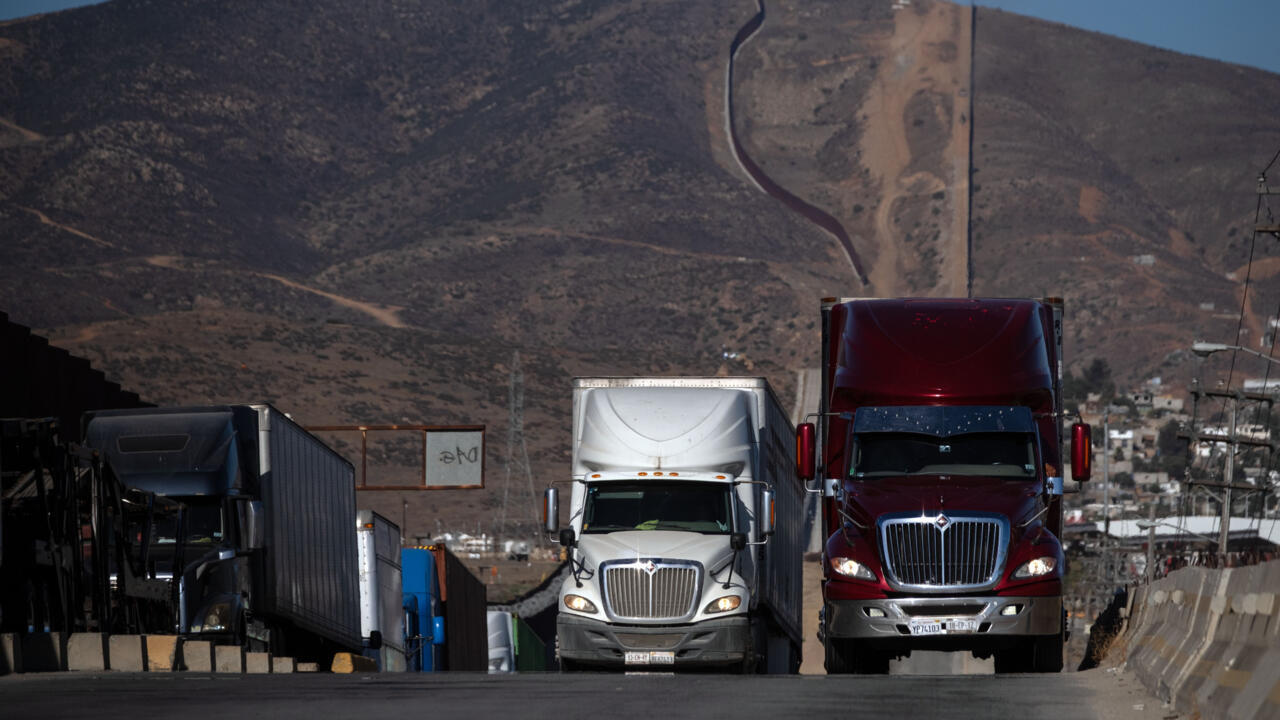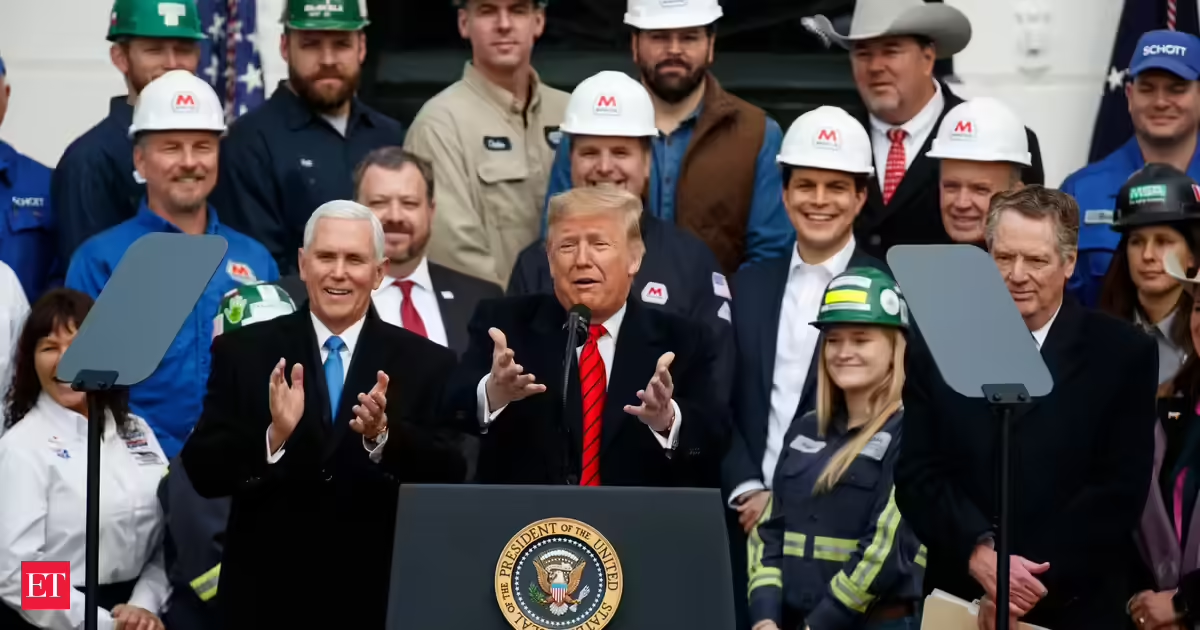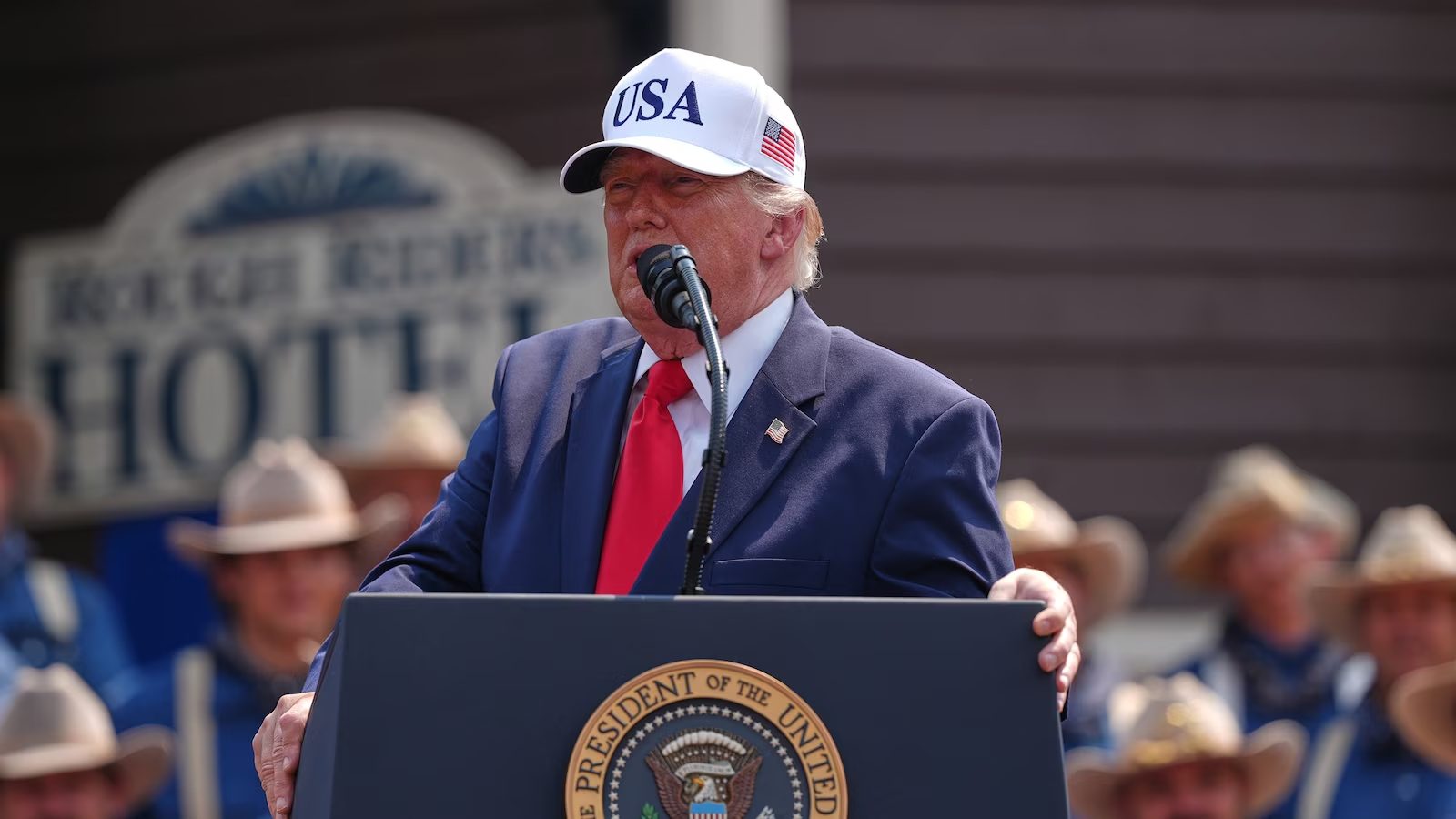
The Trump administration has formally declined to renew the United States-Mexico-Canada Agreement for another 16-year term. Instead, the US will shift to annual reviews of the trilateral trade pact, a move that keeps the agreement alive but injects uncertainty into roughly $2 trillion worth of yearly North American commerce.
The announcement landed on July 1, 2026, exactly six years after the USMCA first took effect. That six-year mark matters because it triggers a mandatory joint review, at which point the participating nations can either lock in a 16-year renewal or opt for the annual review track. The US chose the latter.
The USMCA remains valid until at least 2036 unless one of the three countries formally withdraws. No withdrawal has been filed. But the shift to annual reviews means every year becomes a fresh opportunity for renegotiation, pressure, or exit.
The buildup and the rationale
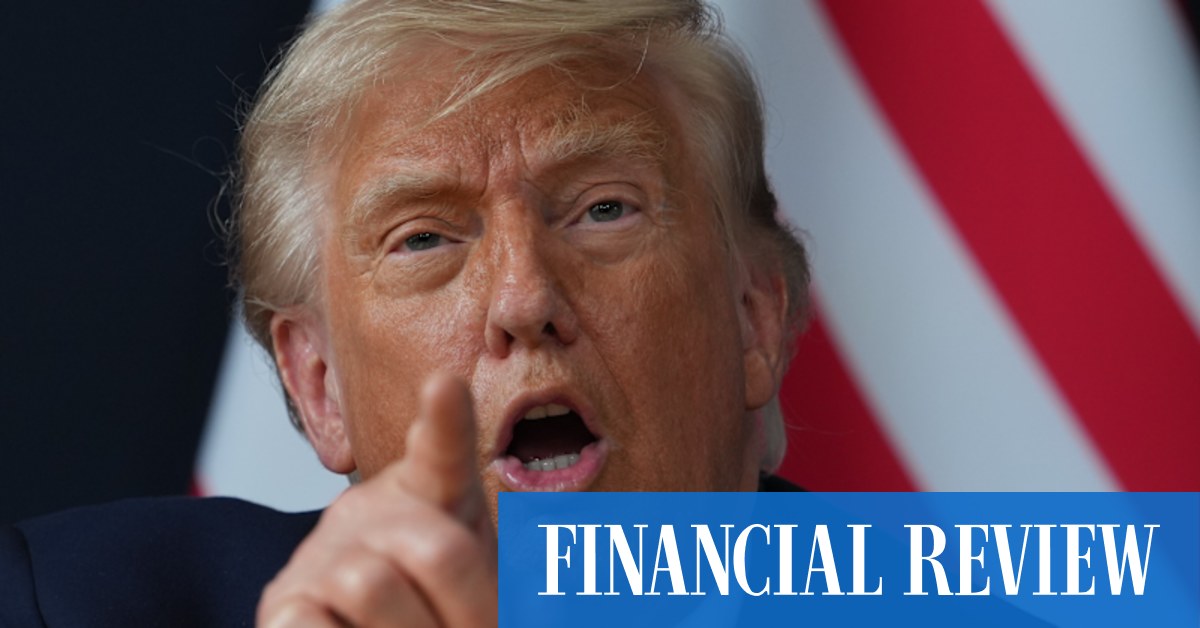
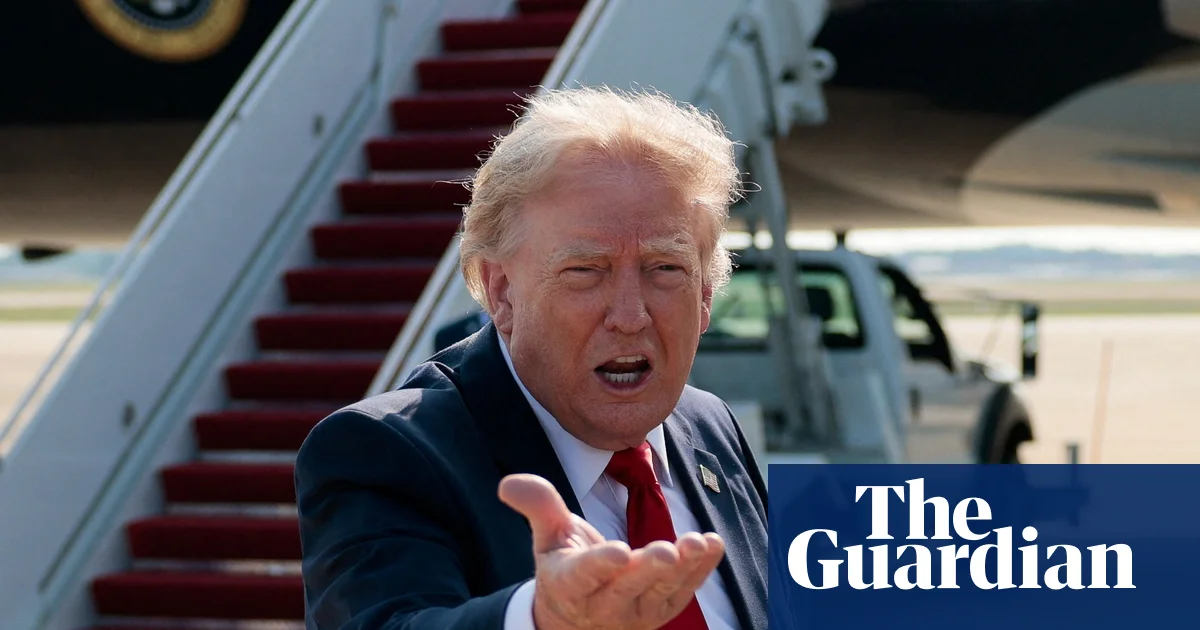
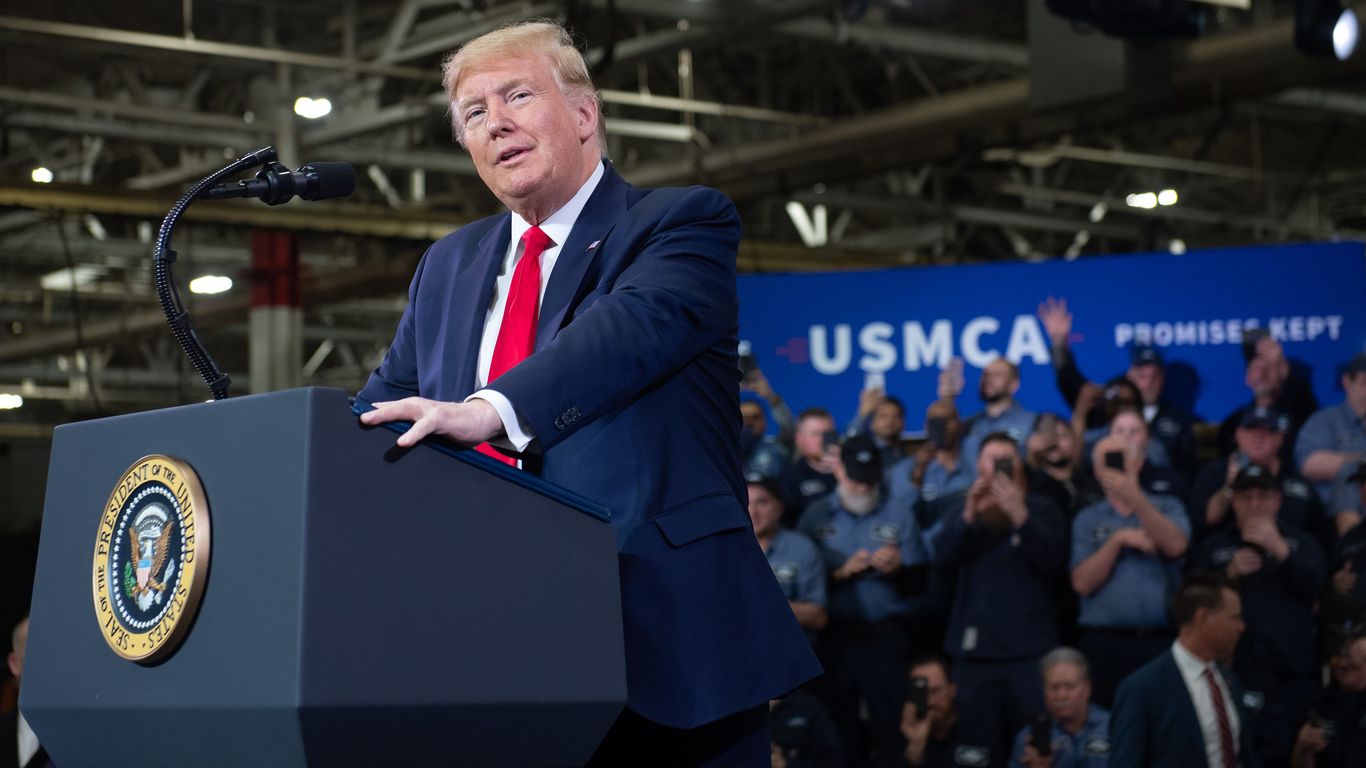
President Trump telegraphed the move weeks in advance, stating on June 10 that his administration was “not looking to renew” the agreement. His reasoning centered on persistent trade deficits with both Canada and Mexico, a familiar grievance that also drove the original replacement of NAFTA with the USMCA back in 2020.