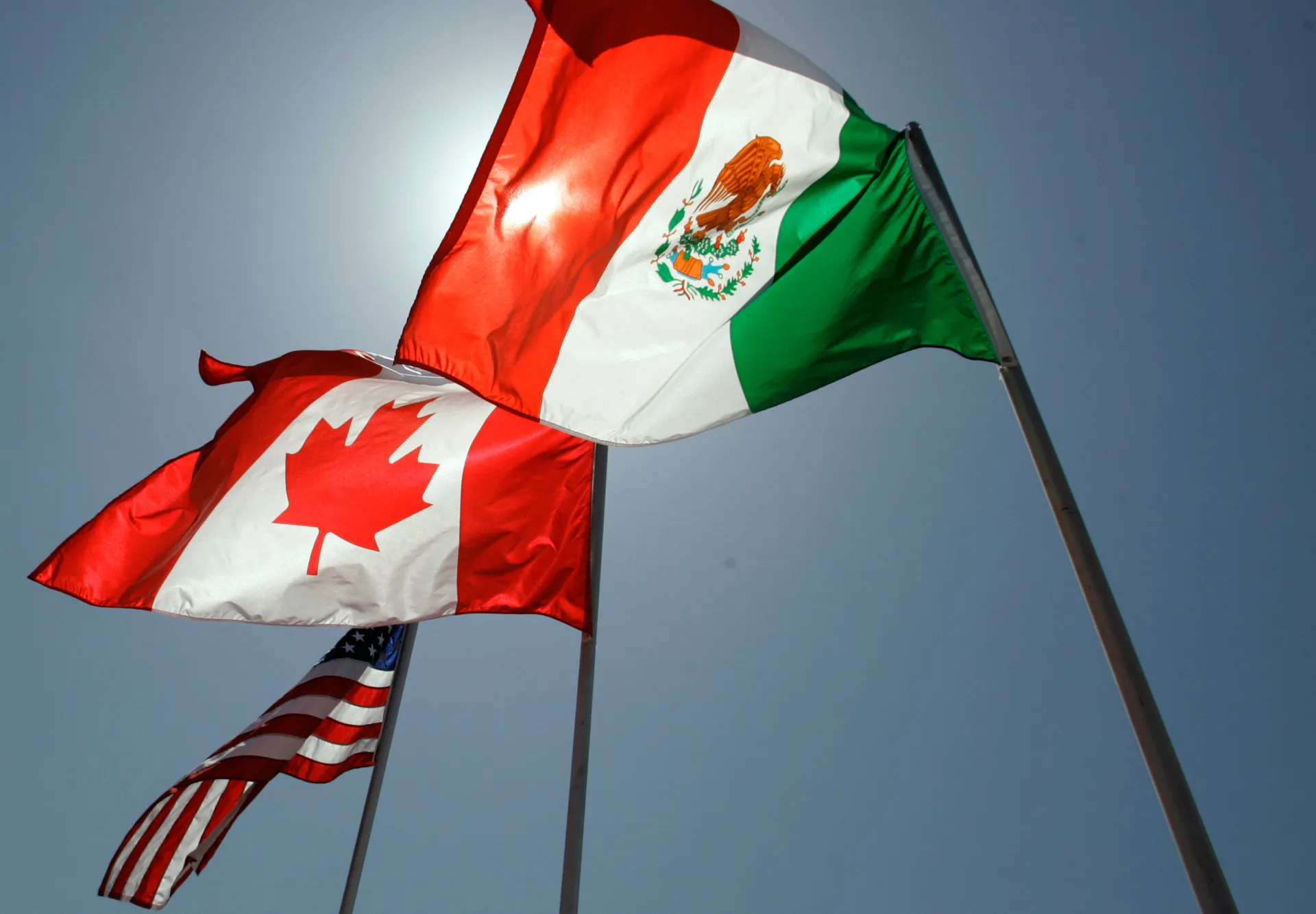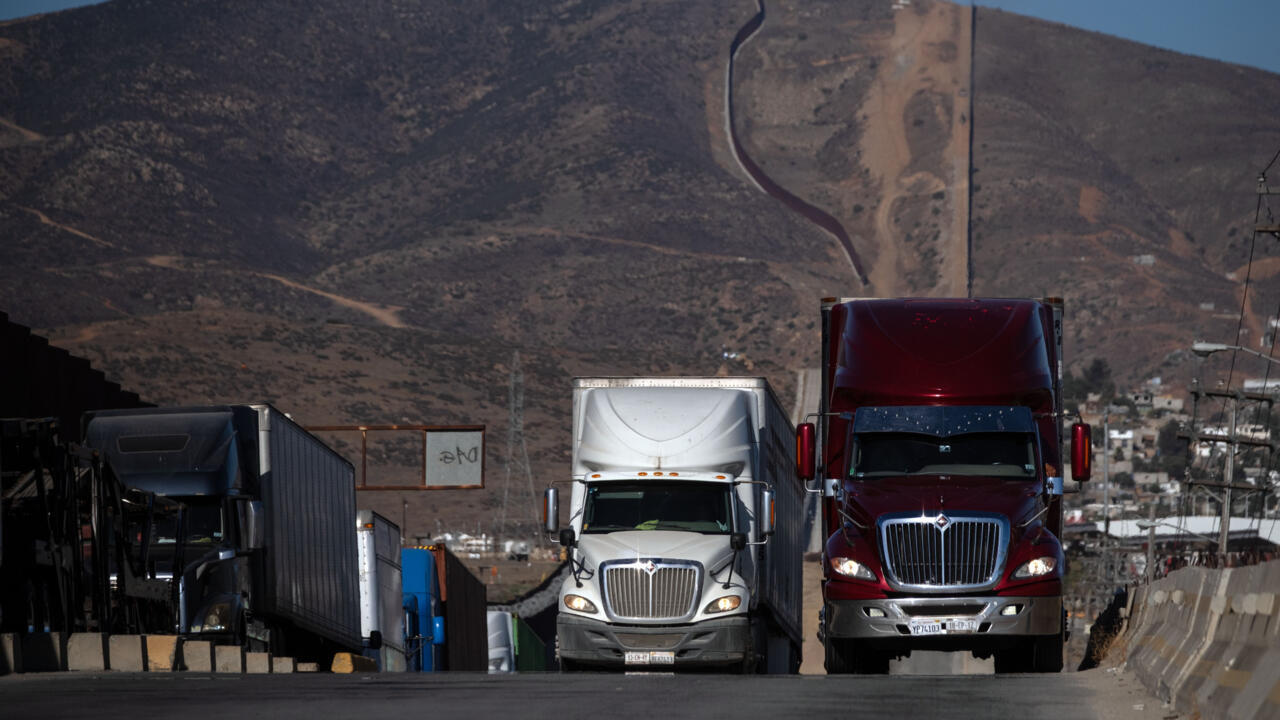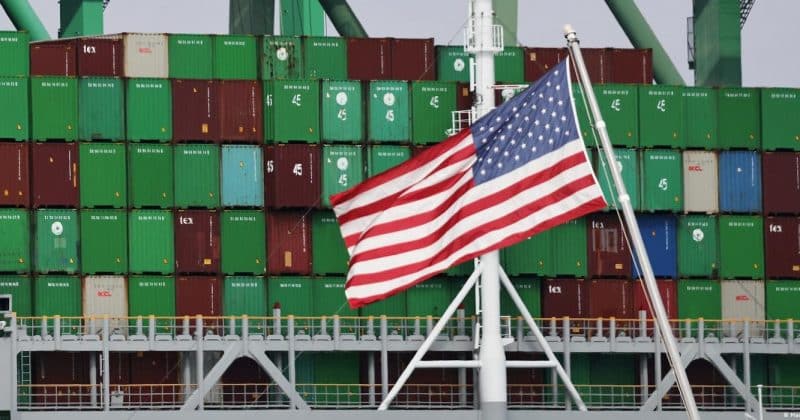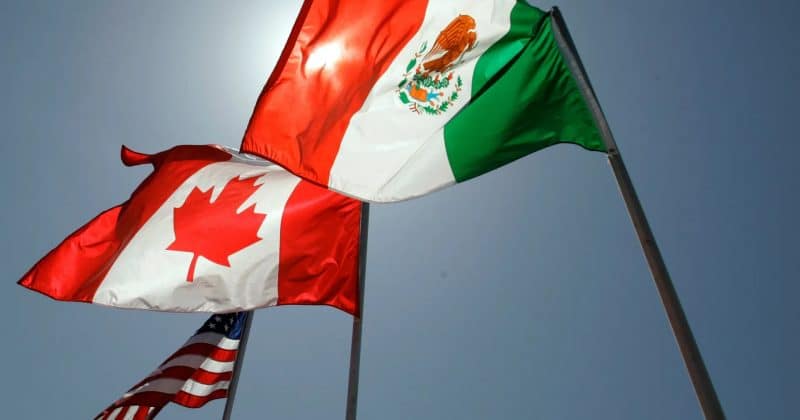
The Trump administration just turned what was supposed to be a routine handshake into a decade-long staring contest. On July 1, US Trade Representative Jamieson Greer announced that the United States would not agree to renew the USMCA trade agreement in its current form, rejecting a long-term extension during the deal’s mandated six-year review.
The move doesn’t kill the trade pact outright. But it replaces the stability of automatic renewal with something far less comfortable: annual reviews stretching over the next ten years, with the agreement set to remain in force until at least 2036 unless someone pulls the plug or the three nations hammer out a renegotiated deal.
What actually happened, and why it matters
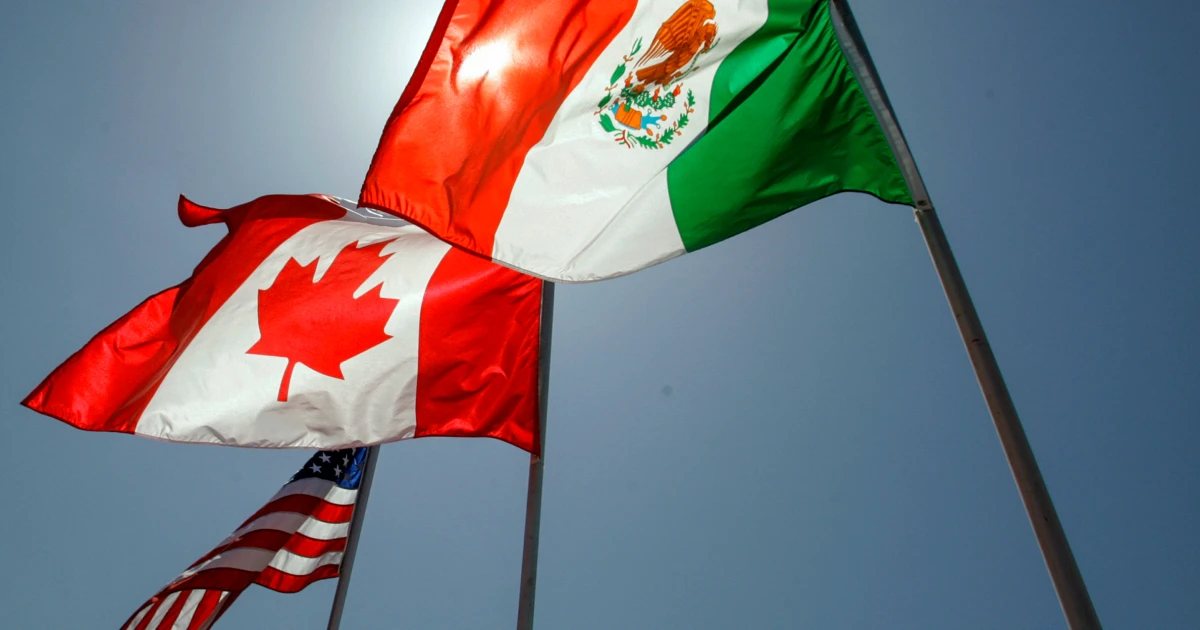
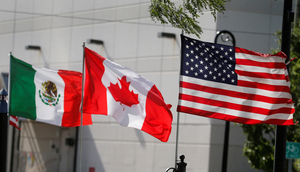
The USMCA, which entered force on July 1, 2020, was built with a mandatory review at the six-year mark. All three countries, the US, Canada, and Mexico, were expected to agree to a straightforward renewal. Both Ottawa and Mexico City had signaled willingness to do exactly that.
“The United States did not agree to renew the USMCA in its current form.”