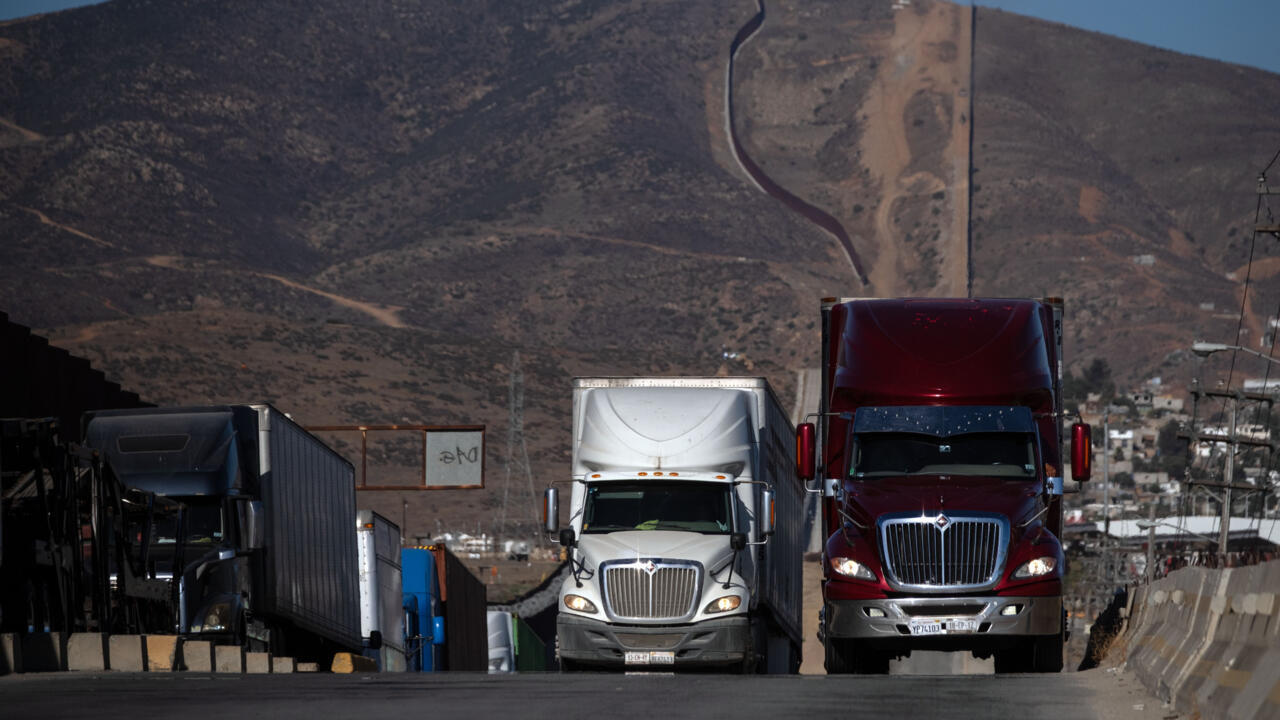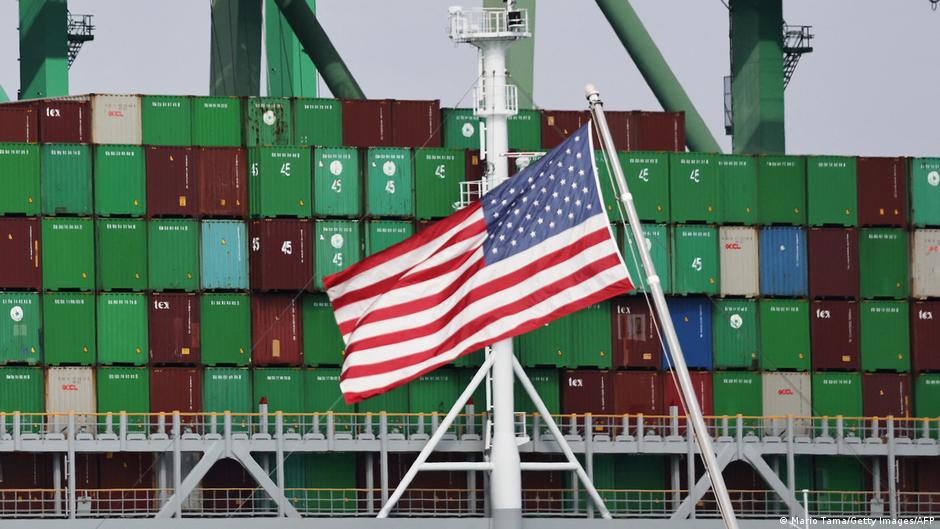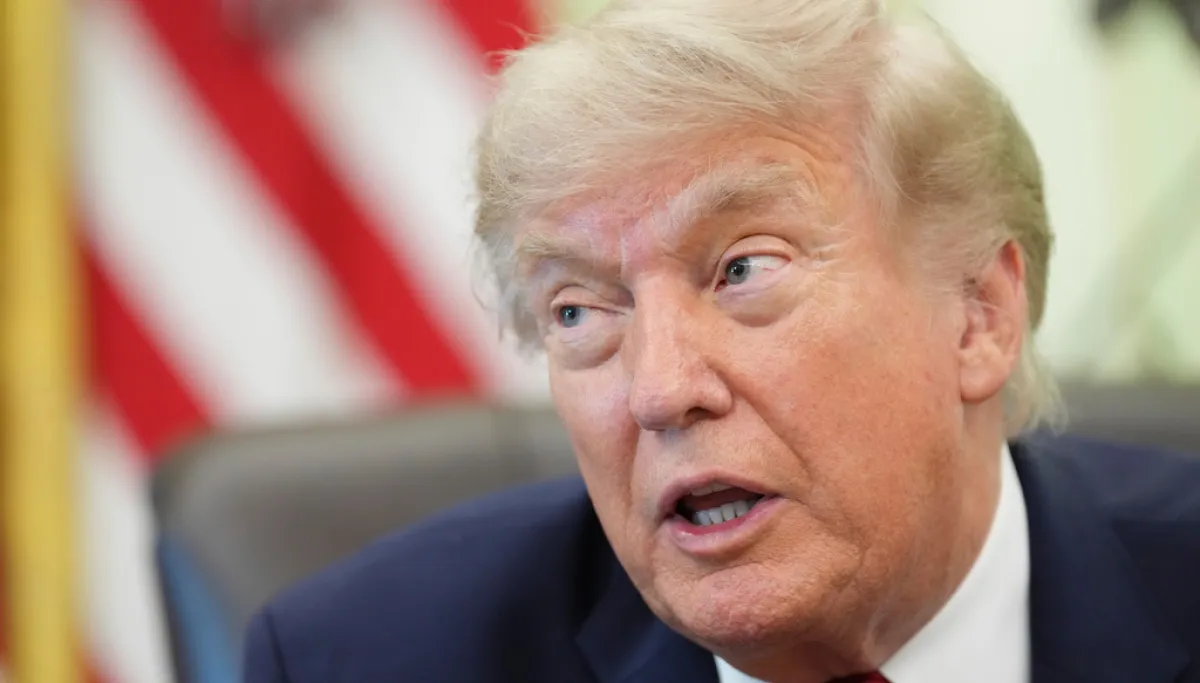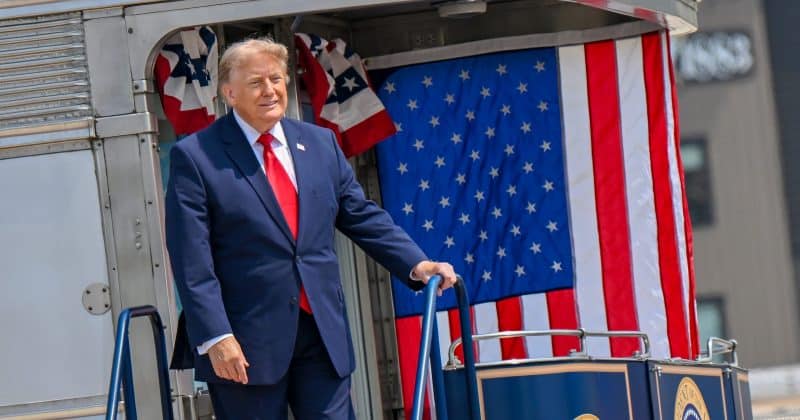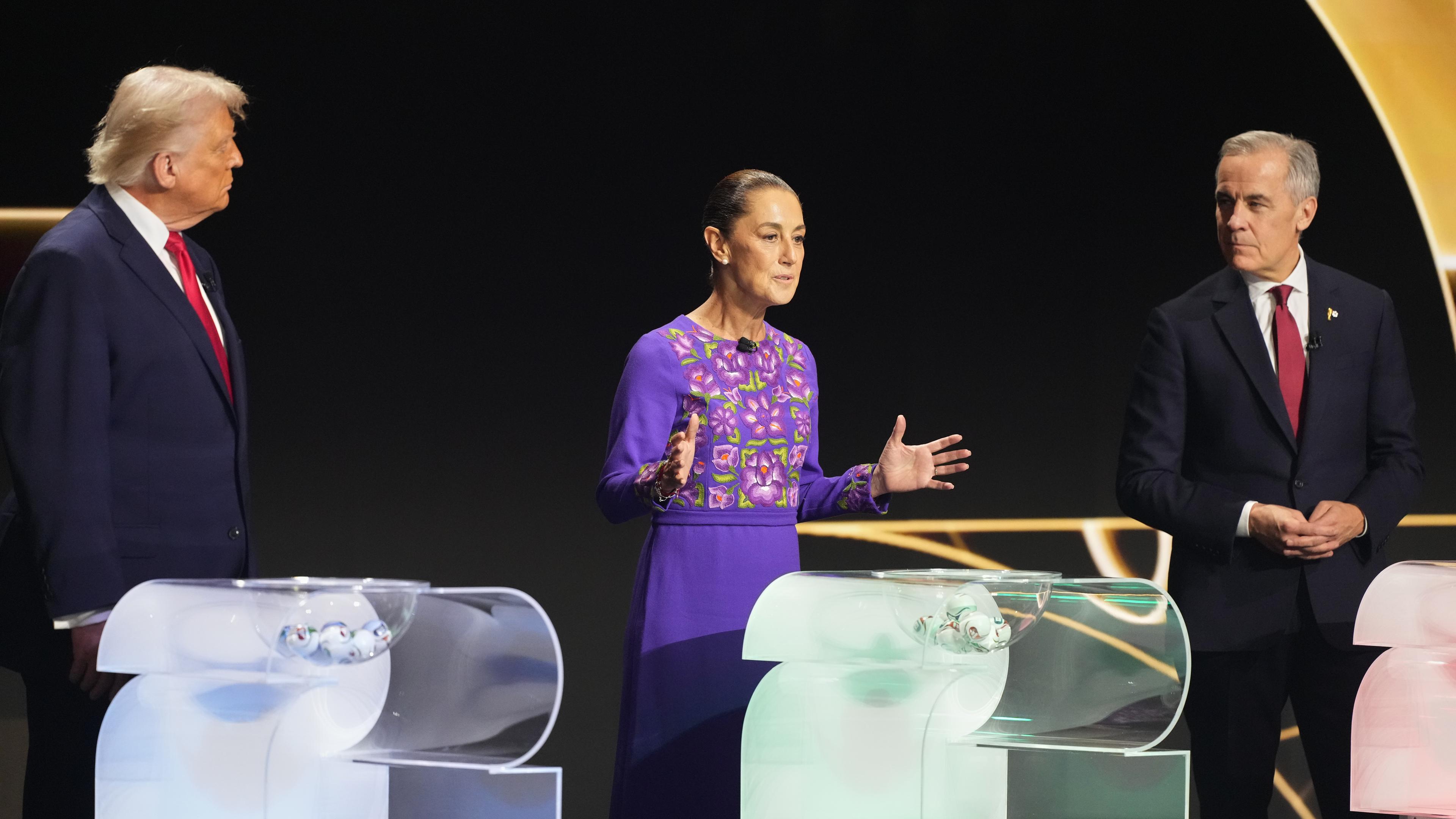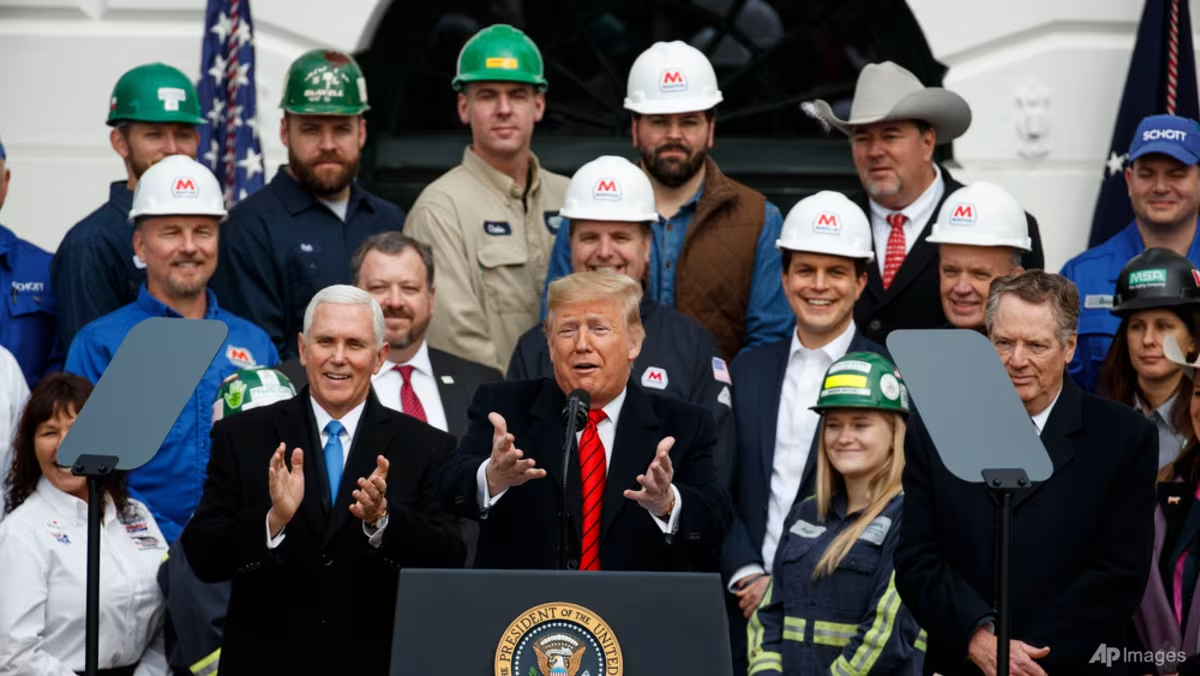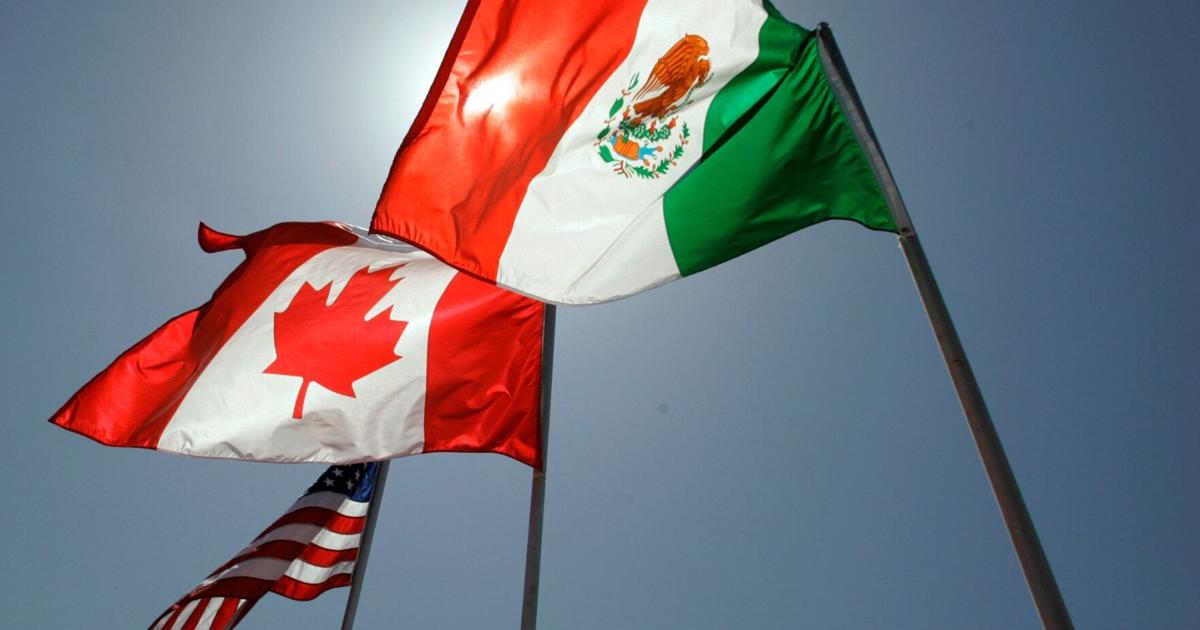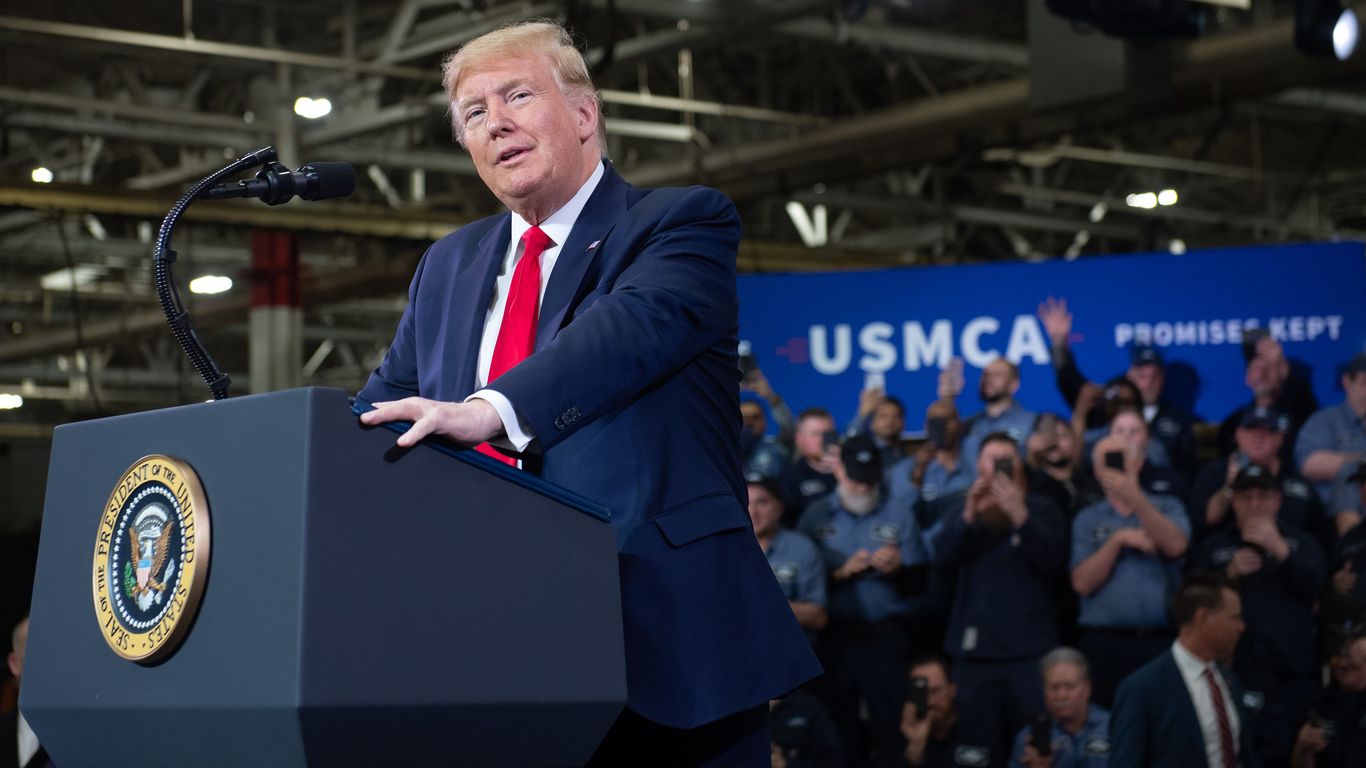
The White House will not renew the U.S.-Mexico-Canada Agreement, triggering a new phase of annual reviews of the North American trade pact that President Trump signed in his first term.Why it matters: The agreement is not dead. But by declining to extend it, the administration is setting up years of annual reviews — fresh uncertainty for businesses that depend on trade with two of America's largest trading partners.The Tuesday announcement comes on the deadline for the three countries to renew the agreement for another 16 years. Behind the scenes: A senior administration official said that the decision on Tuesday was really preceded by major changes to tariffs announced over the past year. The official said that USMCA in its current form did not adequately address Trump's concerns about the U.S. trade deficits with Canada and Mexico. Negotiations between the three nations will continue, though Trump remains skeptical about the agreement, the official said. Reality check: After a year of on-again, off-again tariffs, shifting trade threats and legal fights over the administration's authority to impose them, businesses had seen USMCA as one of the few stable pillars of U.S. trade policy. Now, even that certainty is giving way to more regular reviews.The intrigue: Trump appeared to signal last month that he would ultimately prefer that the U.S. withdraw from the pact altogether.An implosion of the deal could be devastating for industries that rely on the seamless movement of goods and parts across the U.S., Canadian and Mexican borders. USMCA also exempts a large share of North American trade from Trump's tariffs, making it one of the biggest buffers protecting the economy from a broader trade shock.Zoom out: Companies, especially those in the auto sector, have spent years investing billions of dollars in North American supply chains on the assumption that goods could move across borders without tariffs before final assembly.Even if the deal comes short of falling apart, more frequent reviews of the pact would force companies to revisit those assumptions every year.That might make it more difficult for companies to commit to long-term investments in factories, suppliers and hiring because the rules governing cross-border trade could be back on the negotiating table annually.What to watch: The U.S. and Mexico have held rounds of negotiations in recent weeks — talks that have excluded Canada.The two nations have been at odds this year, with top U.S. officials criticizing how Canada has responded to Trump's trade agenda.Officials have also balked at Canadian Prime Minister Mark Carney's recent trade deal with Chinese president Xi Jinping that lowers tariffs on Chinese electric vehicles.A senior administration official said on Tuesday that the U.S. still has issues over market access, labor, energy and other commitments with Canada and Mexico. Zoom in: Six years after Trump signed USMCA into law, some of the country's biggest business groups are lobbying his administration to keep it intact.In a statement, Business Roundtable CEO Joshua Bolten, who leads one of corporate America's largest lobbying groups, said he "urged the Administration to work expeditiously with Canada and Mexico to strengthen and extend USMCA."
White House won't extend U.S.-Mexico-Canada trade agreement
By declining to extend the pact, the administration is setting up years of annual reviews.
510 words~2 min read