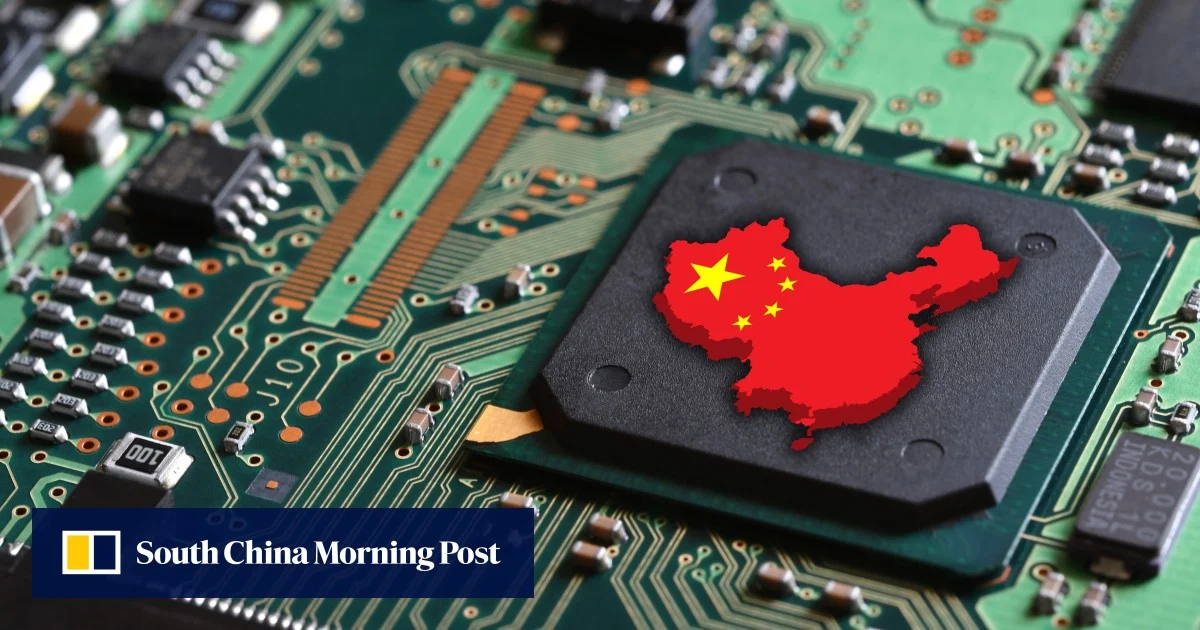
China’s largest automakers are doing something that would have seemed wildly ambitious just a few years ago: building cars with zero foreign chips. BYD, Geely, SAIC Motor, Changan, Great Wall Motor, and Li Auto are all developing vehicle models designed to run entirely on domestically produced semiconductors, with at least two manufacturers targeting mass production as early as 2026.
The effort is backed by a government mandate that has grown considerably more aggressive. China’s Ministry of Industry and Information Technology originally set a target of 25% domestic chip sourcing by 2025. That number has been revised upward, dramatically, to 100% domestically developed automotive chips by 2027.
Why cars need so many chips now
A traditional internal combustion engine vehicle uses roughly 600 to 700 semiconductor chips. An EV requires about 1,600.
The push for domestic sourcing isn’t happening in a vacuum. US export controls on advanced semiconductors have made it increasingly difficult for Chinese companies to access cutting-edge chips, particularly those designed for artificial intelligence and autonomous driving applications.