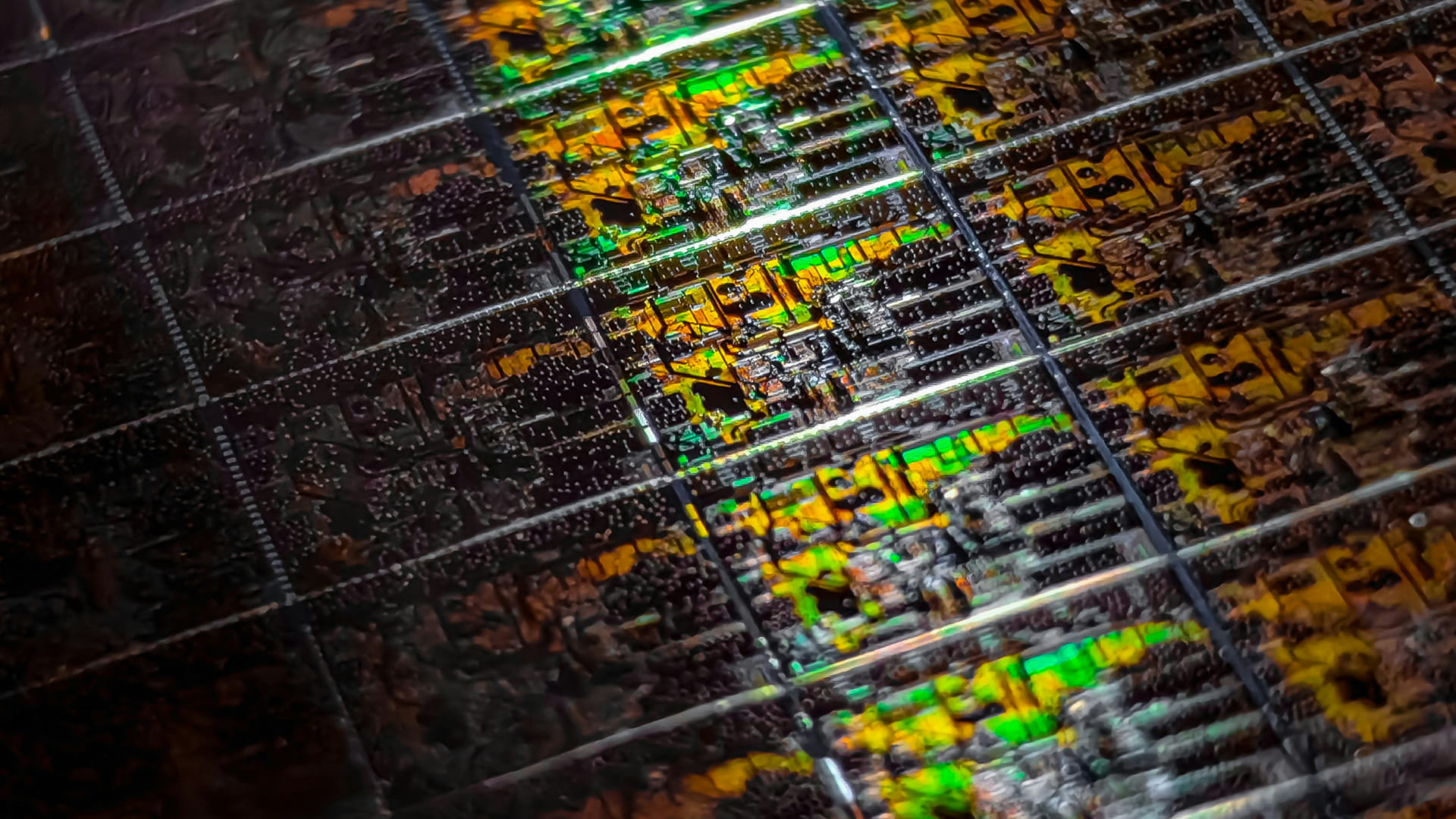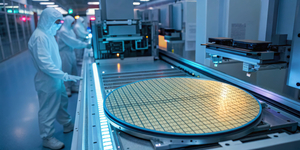
Samsung, SK hynix evaluating Chinese wafers; experts say technology gap remains significant (123rf) China is accelerating its silicon wafer self-sufficiency drive, aiming to source more than 70 percent of its advanced wafers domestically by 2026 as AI-driven chip demand surges.Though the push is unlikely to disrupt the global chip industry immediately, experts said it signals China is steadily strengthening one of the most critical layers of the semiconductor supply chain as the AI boom sharply increases wafer demand.“The world’s top five wafer suppliers are unlikely to face a serious threat from China’s rise, but they will still need to keep Chinese rivals in check by maintaining their technological lead,” said Park Jae-geun, a distinguished professor at Hanyang University’s Department of Semiconductor Engineering.The silicon wafer market has long been dominated by a handful of suppliers: Shin-Etsu Chemical and Sumco from Japan, GlobalWafers from Taiwan, Siltronic from Germany and SK Siltron from Korea.As global semiconductor demand surges on AI infrastructure investment, Beijing has pushed local chipmakers to adopt domestically produced 12-inch wafers. According to Nikkei Asia, China has effectively made the use of locally produced wafers an “unspoken mandate,” leaving only around 30 percent of the domestic market open to overseas suppliers.Eswin Material Technology, one of China’s leading wafer makers, said its combined production capacity will reach 1.2 million 12-inch wafers per month by 2026, enough to meet roughly 40 percent of China’s domestic demand. The company said the expansion would translate into a global market share exceeding 10 percent.Eswin also said it already supplies wafers to global customers such as Micron Technology, TSMC, GlobalFoundries and United Microelectronics Corp. Samsung Electronics and SK hynix, both of which operate major production facilities in China, are also verifying its products, the company added.Experts say leading wafer makers are still expected to retain a significant edge, particularly in high-end wafers.“Top companies such as TSMC are unlikely to use Chinese wafers for advanced mass production and will continue sourcing prime wafers from established suppliers. That shows the technology gap remains substantial,” Park said.Industry officials echoed that view, noting Korean chipmakers may be using Chinese wafers for testing and evaluation rather than mass production.Prime wafers refer to top-grade, device-quality silicon wafers manufactured to extremely tight specifications for commercial chip production. Test wafers are lower-cost alternatives mainly used for engineering, process calibration and monitoring.As China ramps up its wafer supply chain, concerns over potential wafer shortages are also growing as AI-driven demand rises.Samsung sources wafers from suppliers including Siltronic and SK Siltron, while SK hynix procures them from manufacturers with production facilities across South Korea, Japan, Germany and the US.Chey Tae-won, chairman of SK Group, said shortages in high-bandwidth memory largely stem from wafer supply constraints.“It takes at least four to five years to secure additional wafer capacity,” he said, warning that industrywide HBM shortages could persist through 2030.According to data released by industry association SEMI on May 7, global silicon wafer shipments reached 3.28 billion square inches in the first quarter, up 13.1 percent from a year earlier.The industry expects shipments to continue rising as competition among major chipmakers intensifies. SEMI projects global wafer shipments will climb to a record 15.49 billion square inches by 2028, fueled by expanding AI data center construction and growing demand for edge computing.For China, the localization push is also viewed as a strategic move to prepare for potential additional US trade restrictions by strengthening supply chain resilience.In a report released Monday titled “China’s Next-Generation Industrial Policy,” the US Chamber of Commerce said Beijing’s current policy frameworks extend across mature industries, foundational supply chain nodes and frontier technologies alike.“Even in mature industries facing overcapacity and severe price pressures, Beijing is providing continued support and pushing firms to upgrade production technologies to gain market share and lower production costs, rather than cutting capacity,” the report said.
China’s silicon wafer rise adds pressure in AI chip race
China is accelerating its silicon wafer self-sufficiency drive, aiming to source more than 70 percent of its advanced wafers domestically by 2026 as AI-driven c
634 words~3 min read