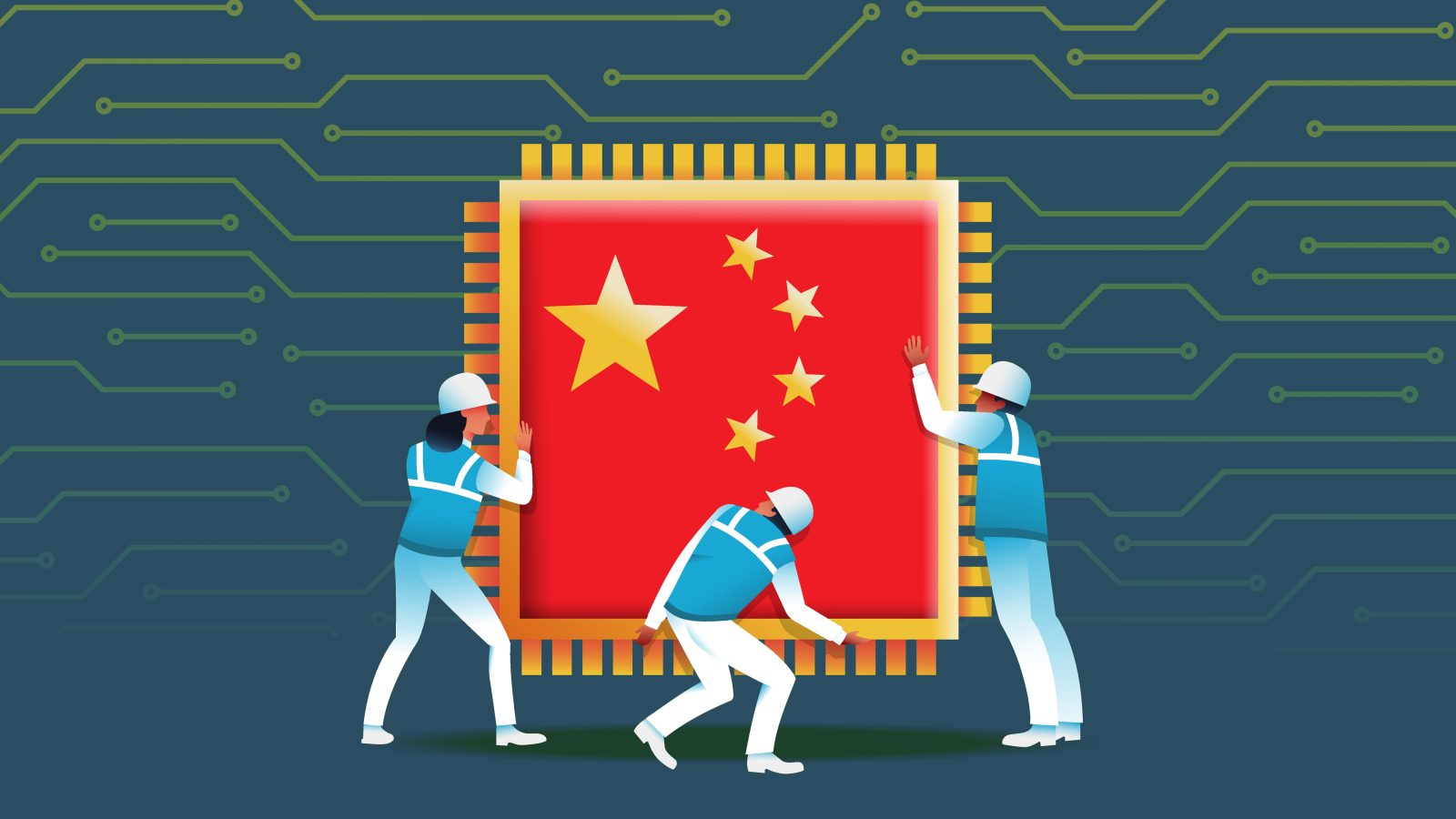
TL;DRChina’s four largest EV makers have all unveiled custom autonomous-driving chips in the past year, aiming to cut costs and reduce reliance on Nvidia and Horizon Robotics. The shift is driven by US export controls and the rapid commoditisation of smart-driving features in China’s mass market.
A new arms race is under way in China’s electric vehicle industry, and it is not about batteries, range, or price. It is about who controls the silicon that makes cars drive themselves.
In the past 12 months, four of China’s largest carmakers have unveiled proprietary chips designed specifically for autonomous driving, each aiming to reduce dependence on Nvidia and Hong Kong-listed Horizon Robotics, the two dominant suppliers of smart-driving computing hardware in the Chinese market.
The chips
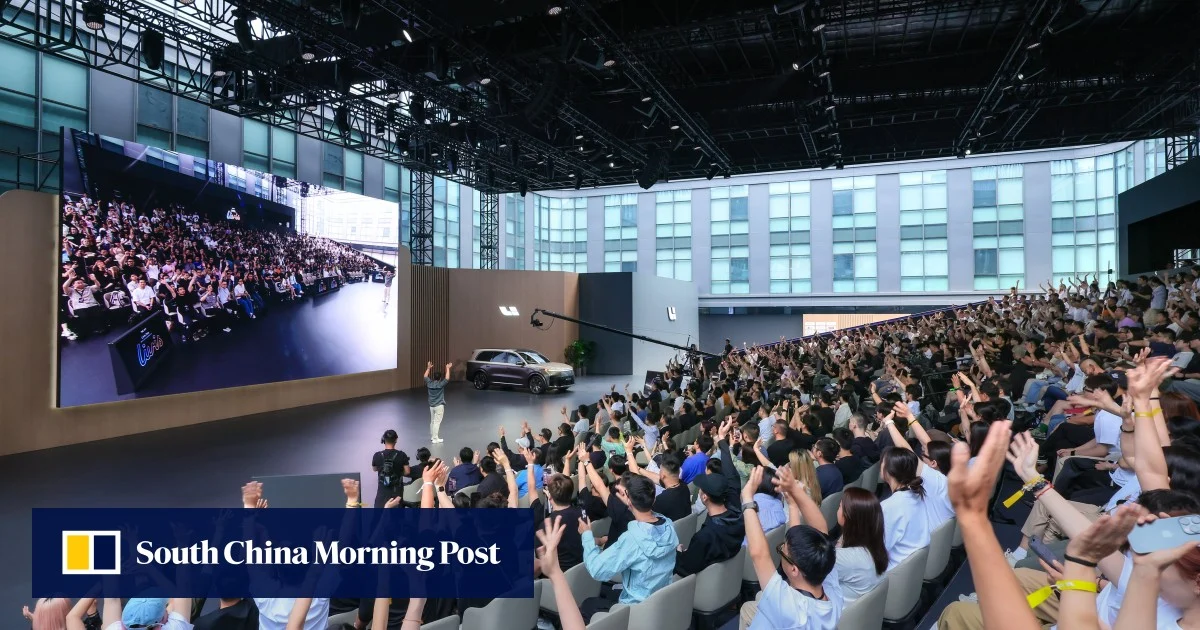
The latest entry came on Monday, when Li Auto unveiled the Mach M100, a 5-nanometre chip tailored for its new L9 Livis SUV. A single M100 delivers 1,280 trillion operations per second (TOPS), a measure of how fast an AI processor can handle incoming sensor data, with an 82% utilisation rate.