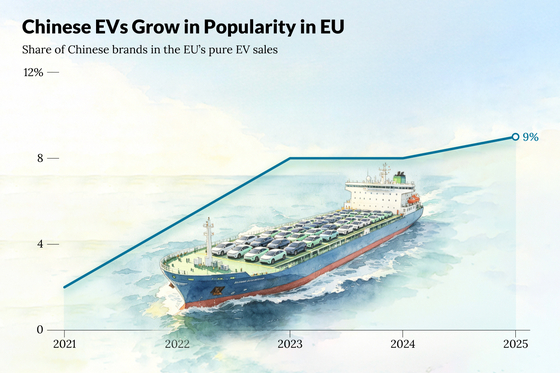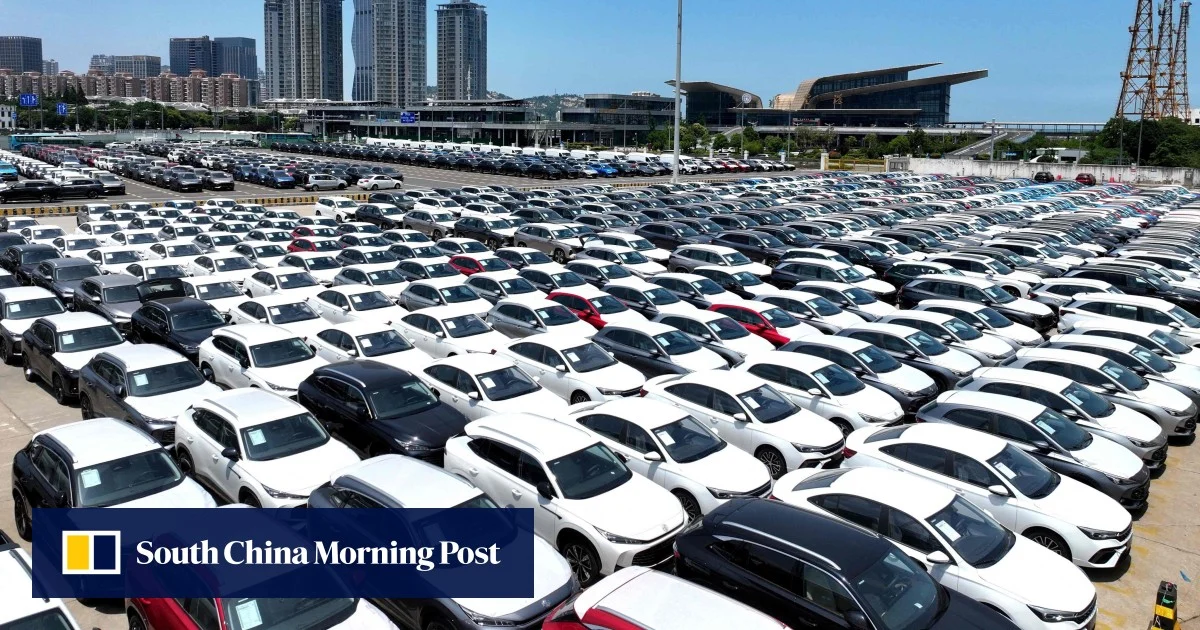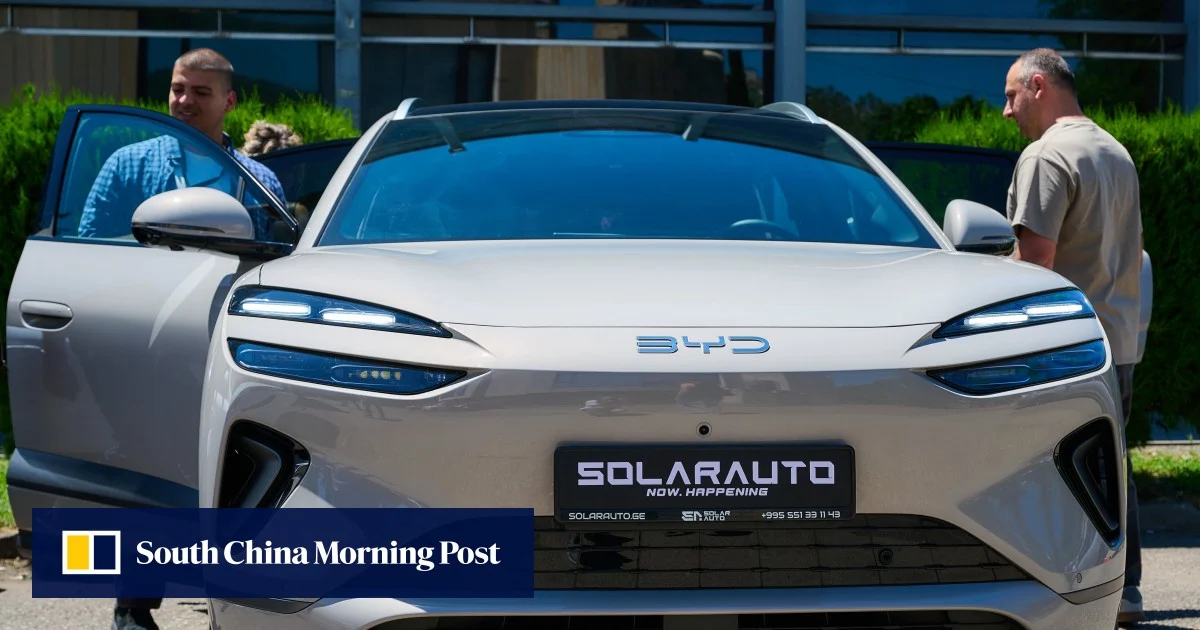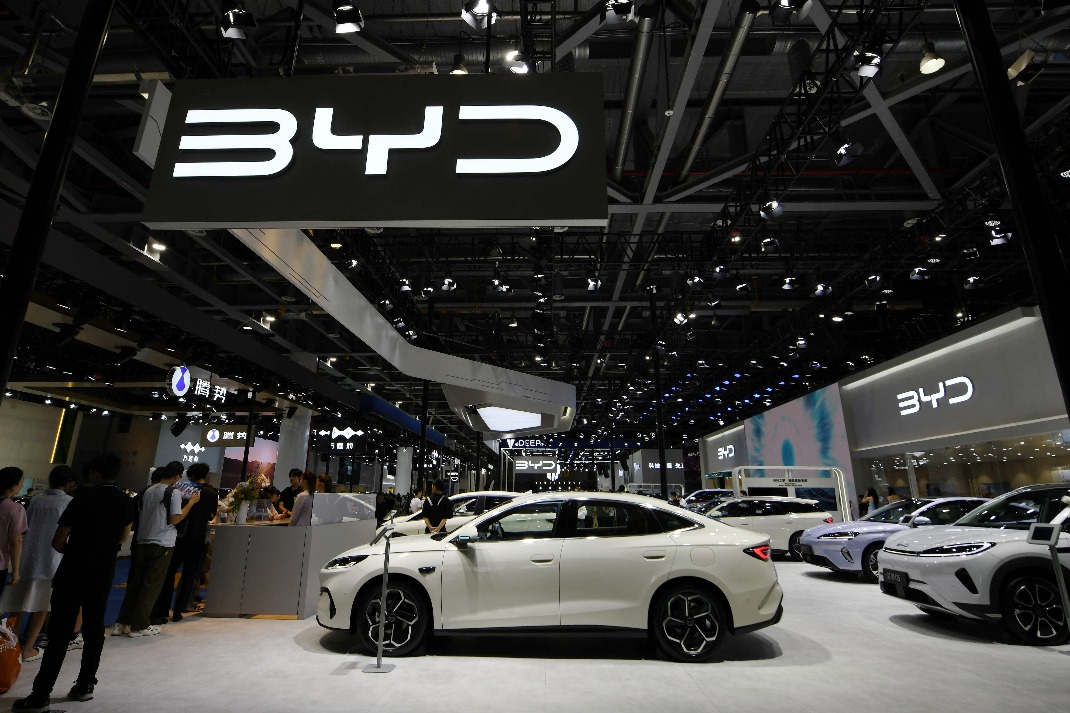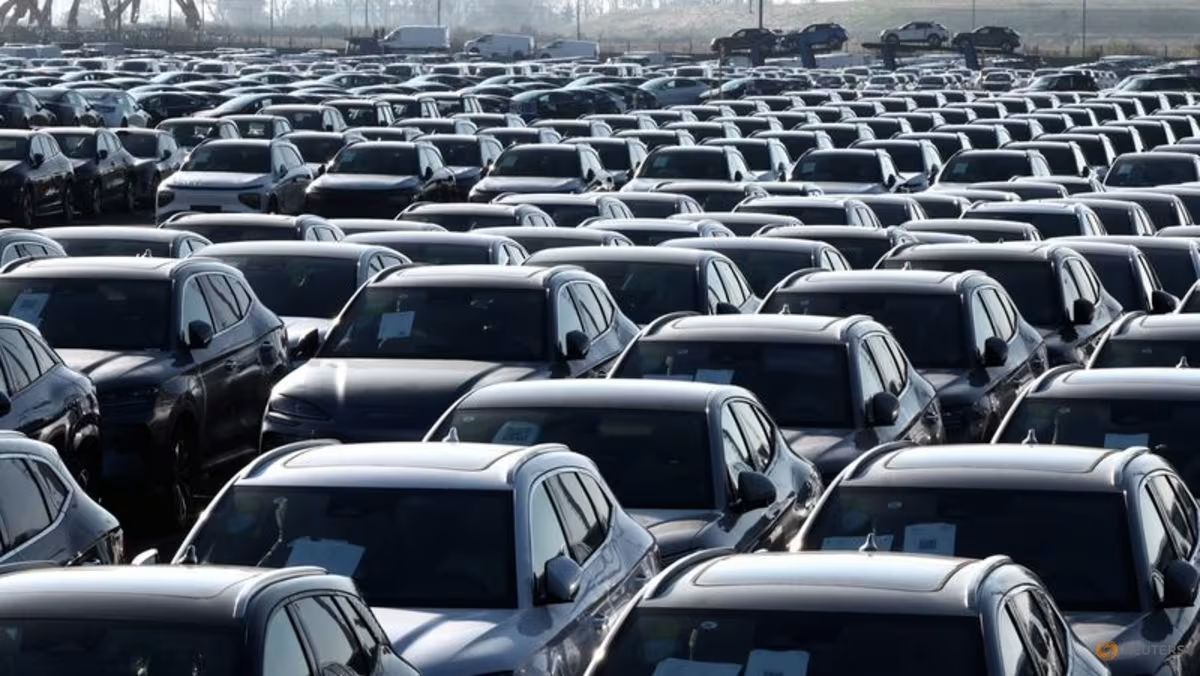
Chinese automakers have rapidly expanded their presence in Europe, with China securing its spot as the world’s largest auto exporter in 2024. Chinese brands nearly doubled their European market share to 5.1% in the first half of the year, almost overtaking Mercedes-Benz. Electric-vehicle manufacturer BYD saw its seven-month sales triple year-on-year to around 84,000 cars [para. 1][para. 2]. Despite these achievements, Chinese automakers now face mounting legal and technological challenges. Early in 2025, U.S.-based Sol IP LLC and Japan’s IP Bridge Inc. sued BYD in Germany for allegedly infringing on standard-essential patents (SEPs) related to cellular communications. The pressure increased when Brazil's court ordered BYD to stop using the disputed technology or pay a fine [para. 3]. The legal challenges broadened in July 2025, as Nokia filed a broad SEP infringement lawsuit in Europe against Geely, owner of Volvo, Lotus, and Polestar. This escalation in legal action was predicted by Nokia's licensing chief, who foresaw 2025 as a turning point for automotive patent licensing in China, warning of increased litigation or forced licensing deals [para. 4][para. 5]. SEPs, particularly those used for 2G through 5G connections, are essential for connected vehicles to access the internet [para. 6].Central to these disputes is Avanci Platform International Ltd., a U.S. firm that aggregates thousands of SEPs into a licensable pool. Avanci simplifies the otherwise complex process for automakers by offering bundled patent packages. Western and Japanese automakers—including Volkswagen, Ford, and Honda—have joined Avanci’s licensing program [para. 7][para. 8]. However, no Chinese automaker is listed as a participant, according to industry reports [para. 9]. Avanci charges $20 for 4G-enabled vehicles and $32 for 5G-equipped vehicles [para. 10].Initially, major automakers like Daimler and Ford resisted Avanci’s licensing model, preferring fees to be levied on module suppliers, not on entire cars. However, under the threat of costly lawsuits and sales bans, both companies joined the Avanci pool (Daimler in 2021 and Ford in 2022) [para. 11]. Nevertheless, discontent lingers, with major trade associations demanding transparency from Avanci regarding royalty rates and patent coverage [para. 12]. Avanci responded by affirming its broad industry support—over 100 auto brands (4G) and 30 brands (5G) are licensees—but sidestepped the specific transparency concerns [para. 13][para. 14].With most Western automakers onboard, Avanci is now targeting the enormous Chinese market, which saw 30 million vehicle sales in 2024 (12.9 million of them new-energy vehicles). China’s high-tech auto sector presents lucrative opportunities for SEP holders [para. 15]. However, China is pushing back. The country’s market regulator warned Avanci about potential monopolistic practices [para. 16], and academics challenged Avanci’s licensing fees as excessive, arguing reasonable rates in China are just $1–2.3 per car [para. 17]. Critics also allege Avanci encourages litigation to inflate legal costs and suppress innovation [para. 17]. Avanci rejected these claims, pointing to supposed inaccuracies in the critiques [para. 18]. In courts, particularly in the West, judges tend to favor patent owners, often compelling automakers to seek settlements [para. 19].For long-term success, experts suggest that Chinese automakers should establish their own patent pools, following the example of Huawei, which transitioned from a major licensee to a leading licensor and Avanci participant after investing heavily in innovation and IP development [para. 24][para. 25]. This strategy offers a proactive path to offset royalty burdens through innovation and reciprocal licensing revenue [para. 23][para. 25].AI generated, for reference only
In Depth: Chinese Automakers Battle Western Patent Gatekeepers
Major firms like BYD and Geely are fighting allegations that they infringed on so-called standard-essential patents in cellular communication — a must-have technology for modern cars
553 words~3 min read