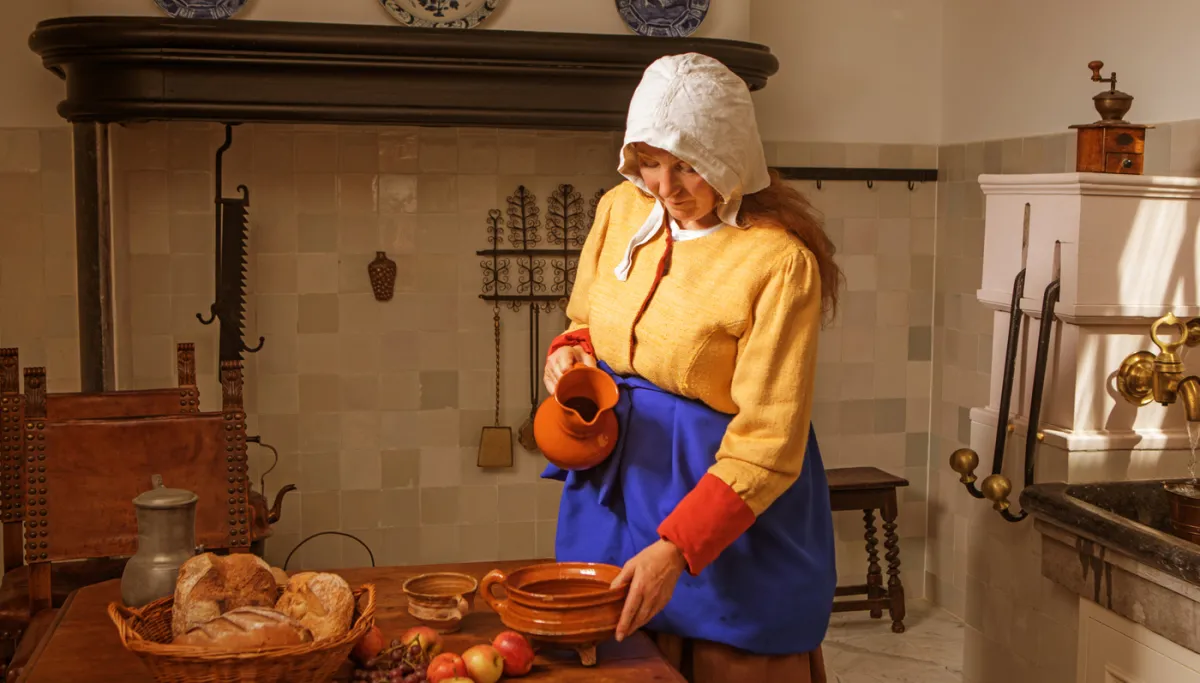
If you’ve spent more than five minutes on social media in the past couple of years, you will probably be familiar with the tradwife phenomenon that has grown up as a reaction against the harder-edged and more strident girlboss feminism that itself threatened to become the dominant form of discourse towards the end of the last decade. Tradwifery, a form of embrace of traditional domestic roles that concentrates on the woman as homemaker, mother and carer while allowing her husband (always a husband, never a “partner”) to fulfill masculine aspects of patriarch and hunter-gatherer, has been decried by some as a right-wing coded backwards step into submissiveness. Others have described it as a welcome return to common sense and social cohesion.
Most popular
Gavin Mortimer
Why is the New York Times celebrating the slave-trading Vikings?
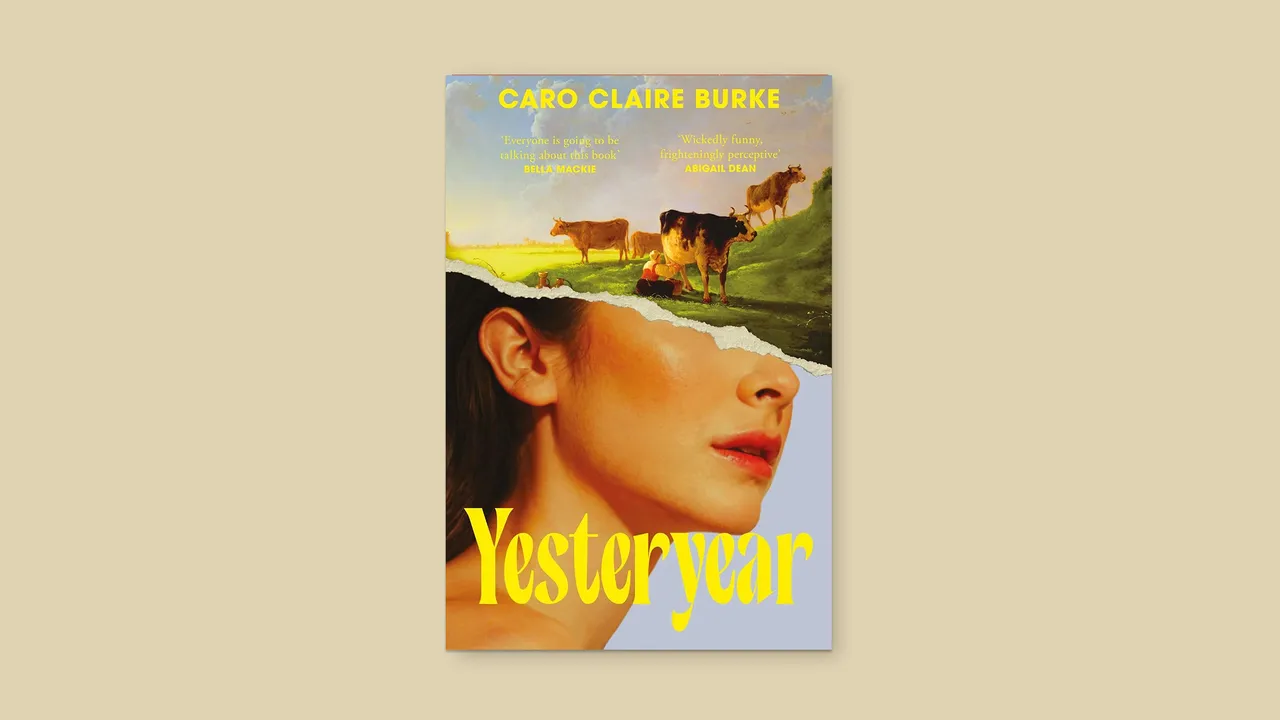
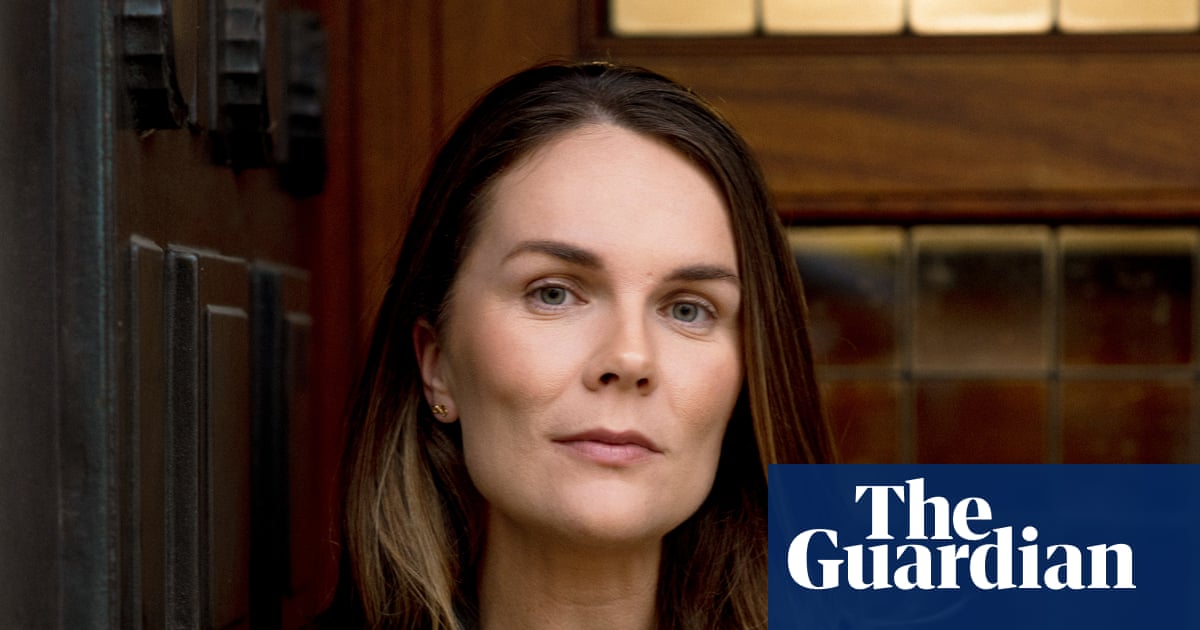
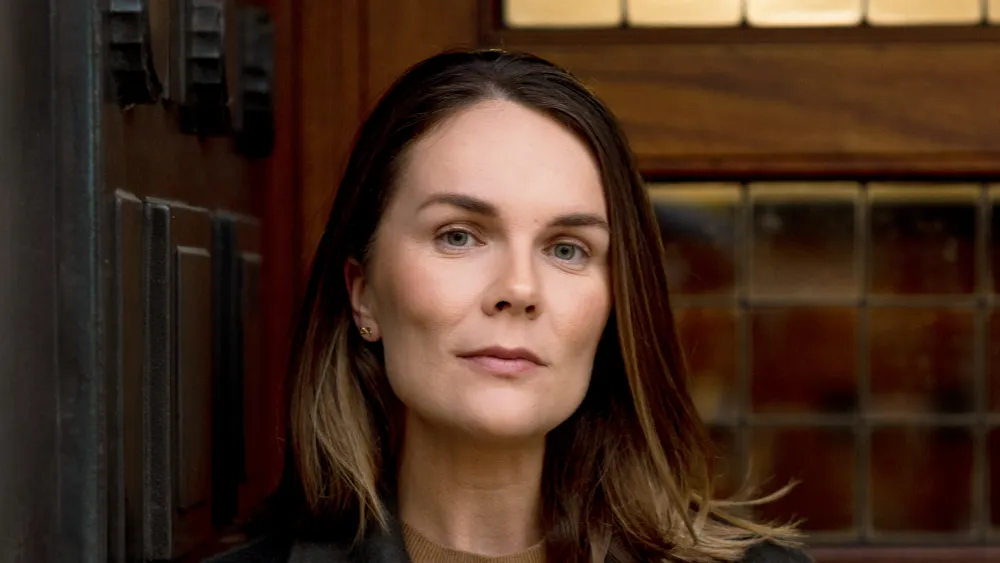
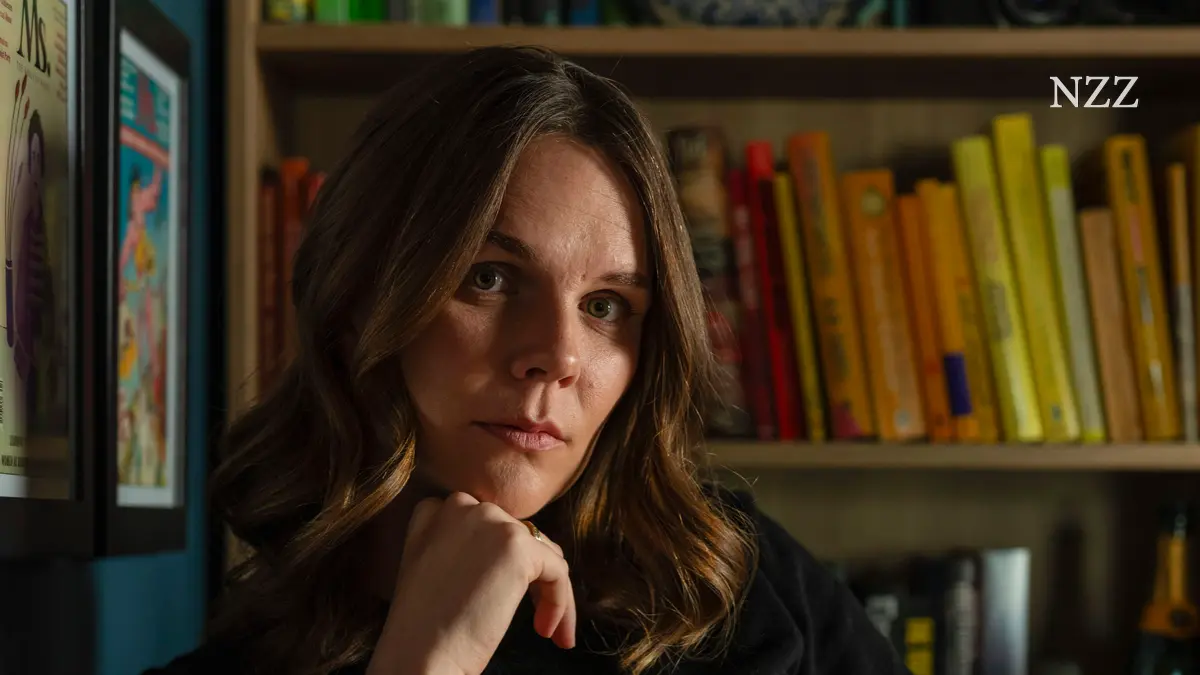
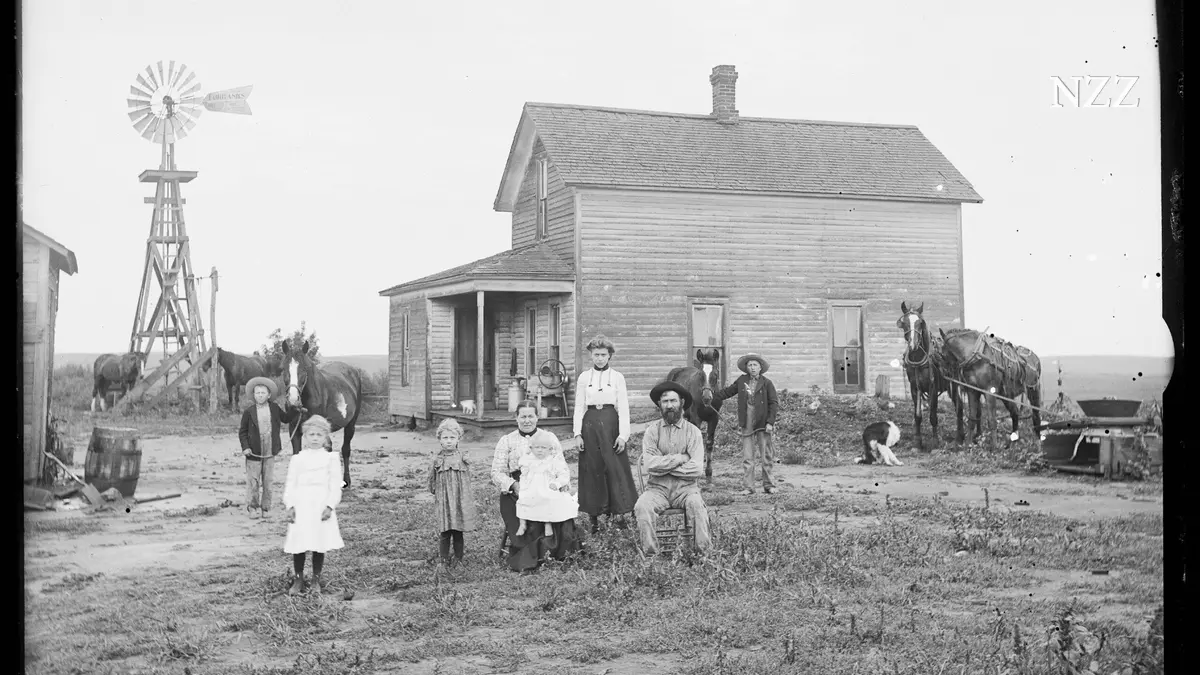
Wherever you stand, it is clearly a hot-button issue that shows signs of reaching outside Reddit forums and Facebook debates, not least because Caro Claire Burke’s debut novel Yesteryear might become the most talked-about book of 2026. It revolves around the character of Natalie Heller Mills, a smug and successful tradwife influencer who has rallied a considerable online following behind her idealized depictions of her life on a farm, Yesteryear, where she conducts her existence as if she was a 19th century throwback, living with her husband Caleb and multiple children. With the inevitability of fate, not only does she realize that her superficially perfect marriage is a lie, but one day she wakes up in 1855 America, where she is condemned to lead a grittier, considerably nastier version of the tradlife that she has been espousing to her followers.