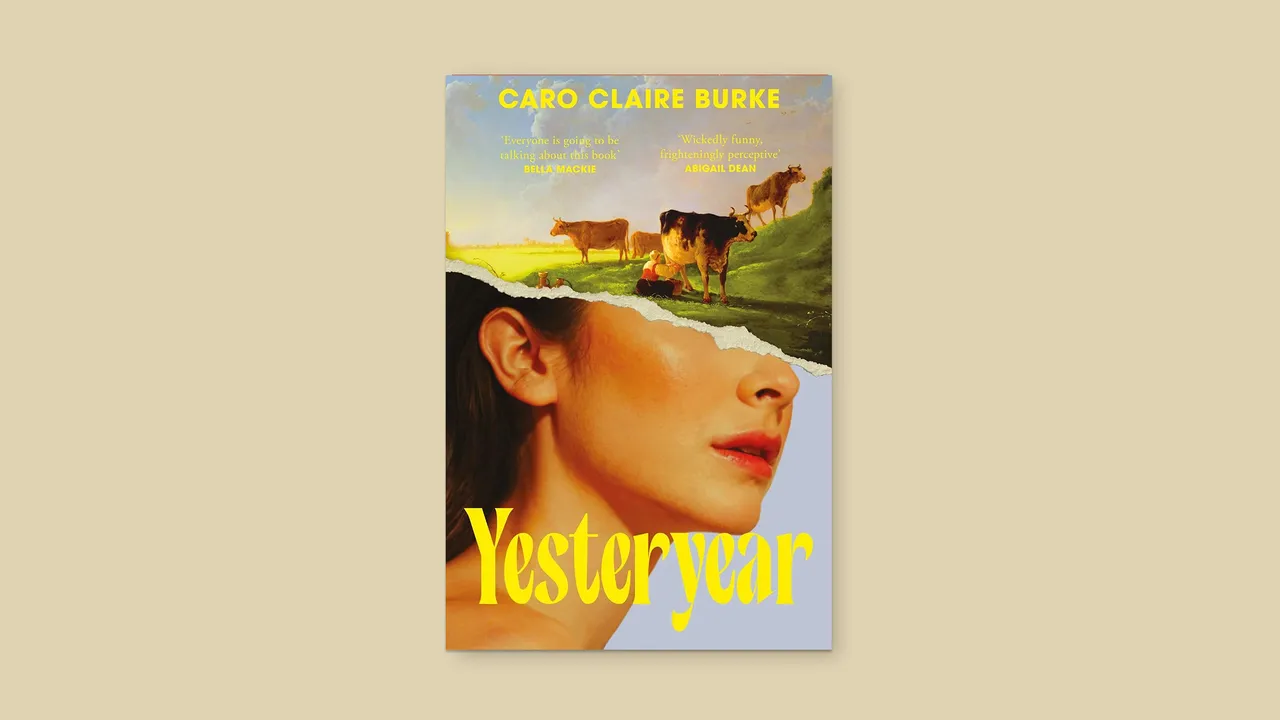
The premise – Instagram influencer is confronted by pioneer reality – is genius. But does this high-concept debut live up to the hype?
C
ould Caro Claire Burke’s Yesteryear be the first great tradwife novel? This was my hope: finally, a literary response to the unhinged social trend of women cosplaying “traditional Christian values” – pronatalism and obeying one’s husband – to large social media followings. I am not immune to hype, and Yesteryear has been hyped to high heaven, prompting massive auctions for the rights, and landing a film deal with Anne Hathaway.
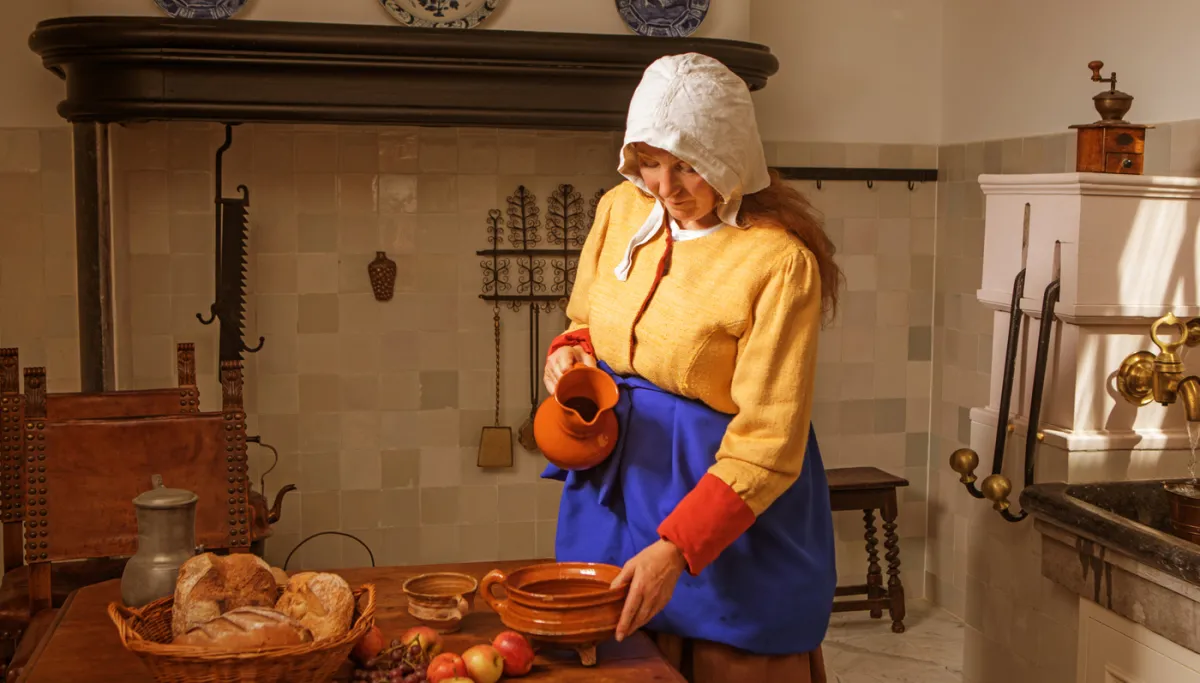
You have to admit that the premise – Instagram tradwife wakes up in what appear to be the actual pioneer days, and finds that traditional wifedom is not as much of a hoot as her whitewashed social media re-enactment had implied – is genius. As one of the “Angry Women” our heroine Natalie so disparages, I was looking forward to some sweet schadenfreude.
Natalie is a “good Christian woman” with a rageful core, or, as she describes herself, “the manic pixie American dream girl of this nation’s deepest, darkest fantasies”. She knows exactly what she’s doing, because “America hates women. What a comfort to remember.” Her biting and occasionally hilarious voice – of the night she loses her virginity to her new husband, she says: “I felt like I needed to throw a dish towel over his penis and wait an hour to let it rise” – means the novel zips along. Intelligent, ruthlessly ambitious and callous at best towards her own children, she’s a sort of Maga Becky Sharp, or Amy Dunne from Gone Girl if she wore smocks. Yesteryear is the story of how she builds a millions-strong following, only to meet her downfall. “I wanted all the aesthetics of the olden times and all the amenities of modernity,” Natalie says. In other words, a “time machine”, but, naturally, 1805 isn’t at all how she imagined.