As her dark debut about a tradwife who wakes up in the past is made into a film by Anne Hathaway, the novelist explores the sinister truth behind the barefoot influencers
G
ingham dresses, linen aprons; toddlers smiling toothily out from their perch on a perfectly cocked hip. And the mothers holding these babies? They’re beautiful, obviously. They speak in a whisper. Their skin tone is varied in the exact range and spectrum of honey.
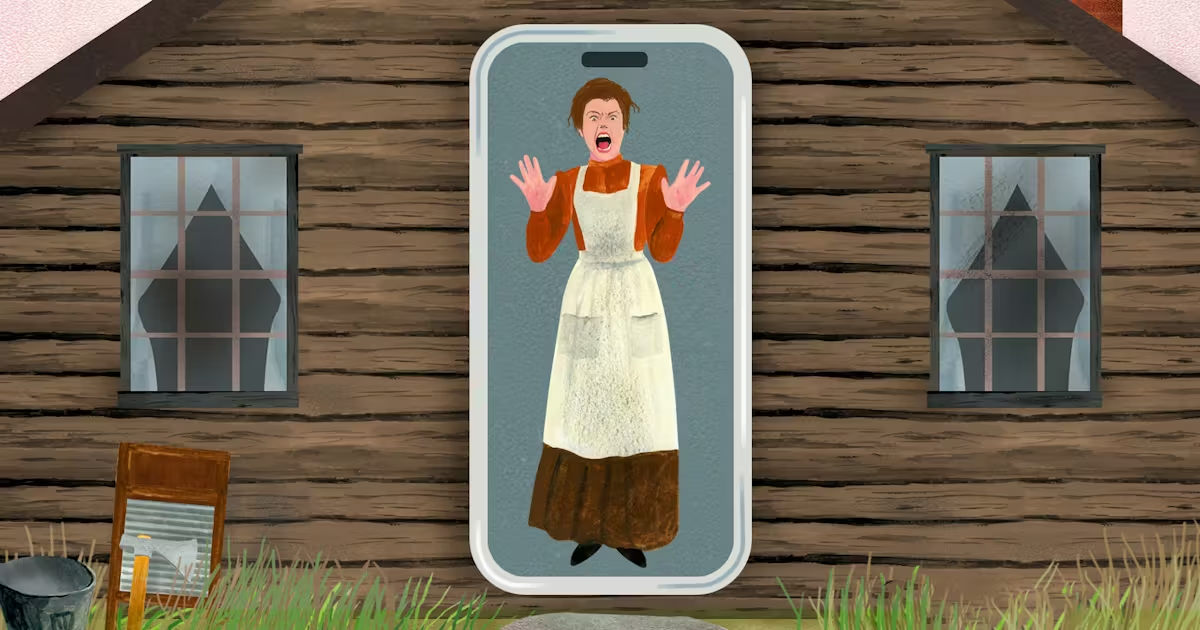
Tradwife. It’s a frilly word, the kind that holds a gun to your head and demands you say it in sing-song. The media coverage of the phenomenon has been as breathless and decidedly feminised as the term itself. I have yet to find an article on the topic that was not written by a woman, which feels ironic, given that the term – as well as the vision therein – was originally coined and circulated by men, born out of the dank, murky caves of online “incel” forums, where anonymous usernames set forth the deeply unoriginal vision of a wife who would do everything the real women in their lives refused to do: manage the house, give birth to children, have sex on command, and most importantly, ask nothing in return.
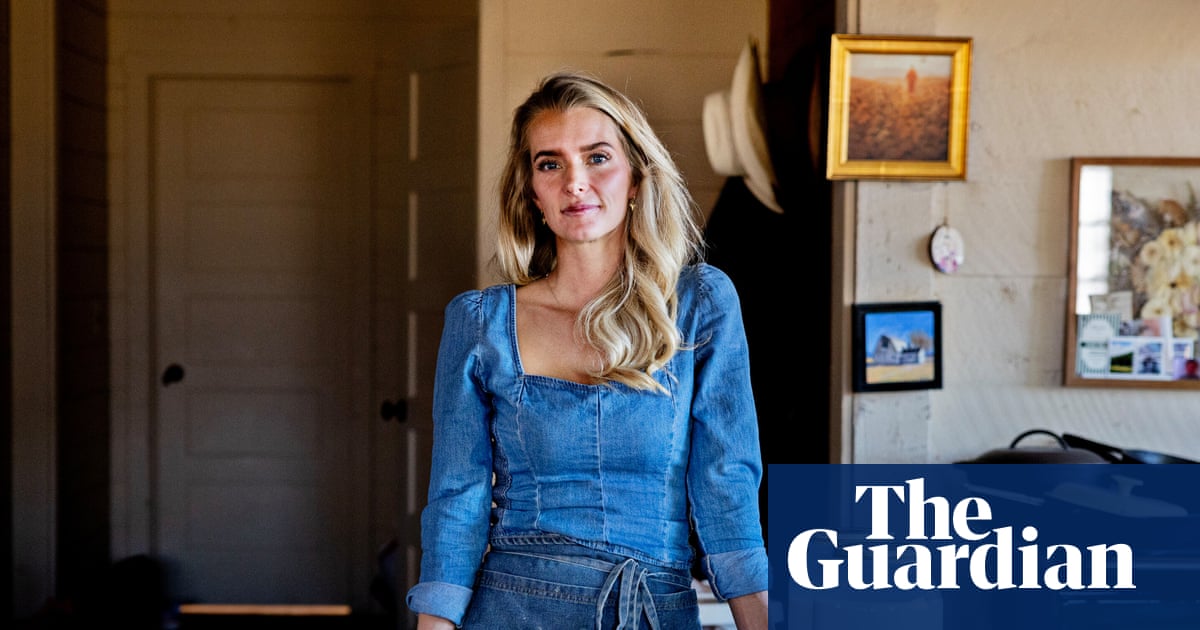
Most people don’t know about these grubby origins, though. Instead, they associate tradwife with the day-bright social media presence of influencers like Hannah Neeleman and Nara Smith, two women who have managed to balloon their pre-existing wealth into eight-figure empires by broadcasting home births and making cereal and bubblegum from scratch while dressed in couture.