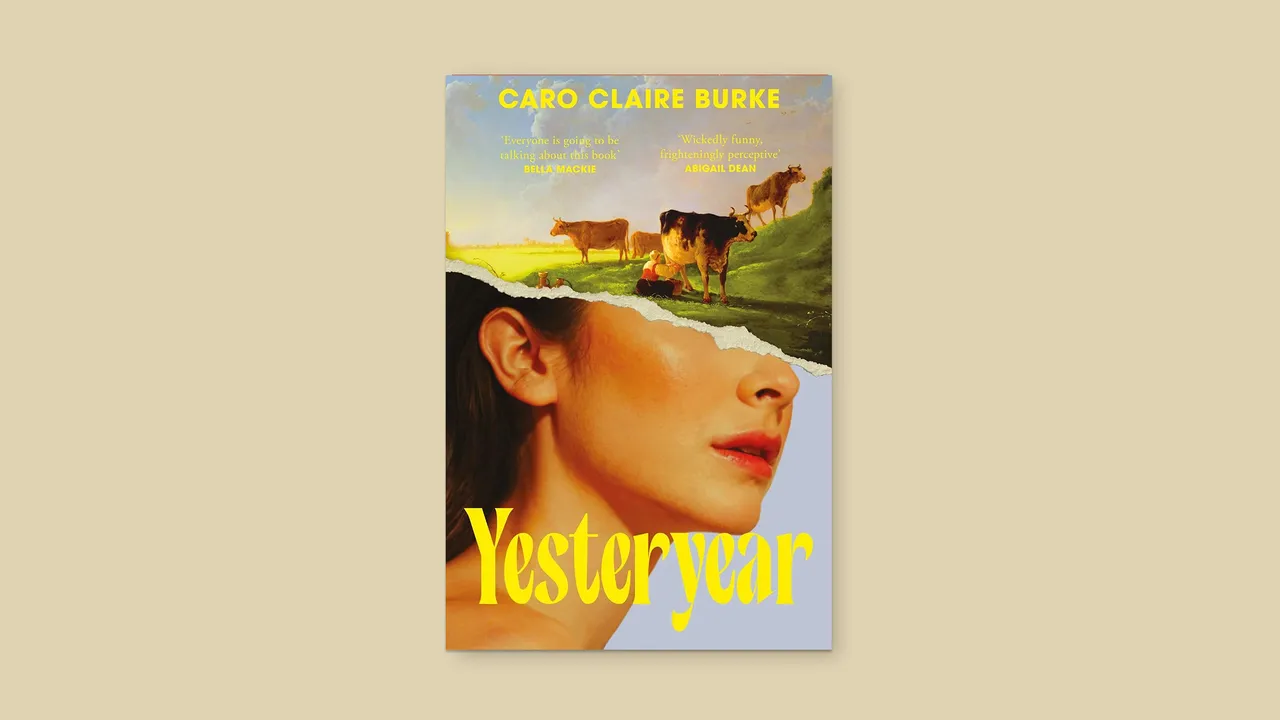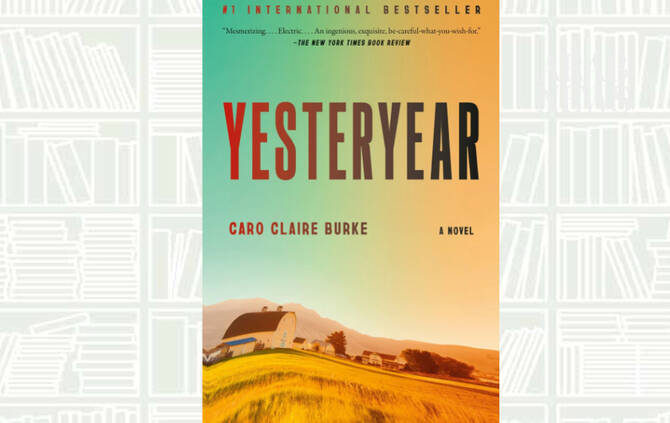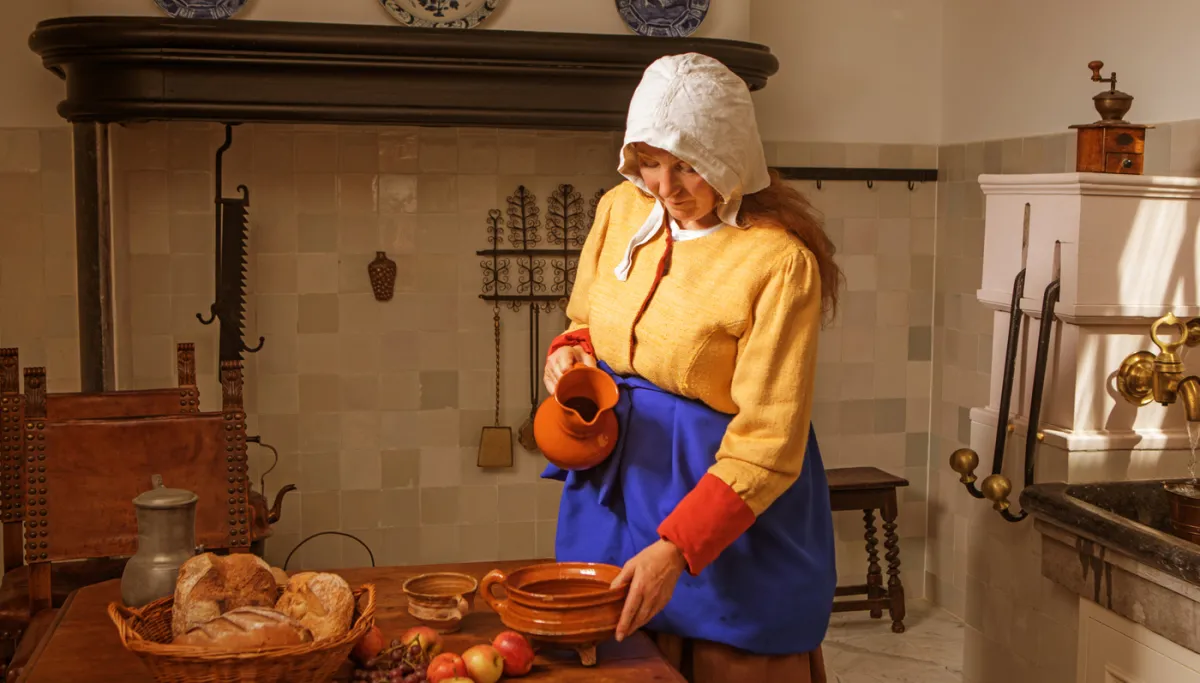
Imagine if a 2026 tradwife fell back into the 1850s: Would it be the life she always wanted, or is her nostalgic cosplay from a world that never existed? That’s the premise of Caro Claire Burke’s novel Yesteryear, which simultaneously attracts and repulses readers as much as the tradwife movement itself.We feel some tug in our gut when watching women bake bread and hold the hands of half a dozen children on a farm with the setting sun behind them, while we also push against the images as reductive, fantastical, and sentimentally backward. “The goal of an influencer is not to be loveable,” the main character Natalie discovers, “and it is not to be unbearable. The goal is to be both at once. In other words: addicting.” Natalie has uncovered the secret to Instagram success, and her life becomes a performance, even for herself.“We are what we pretend to be,” warned Kurt Vonnegut, “so we must be careful about what we pretend to be.” As Natalie awakens to find herself no longer in the modern world but in the 1850s, she wrestles with the reality of life without electricity, without indoor plumbing, and without the basic human rights afforded to women. Very early on in the novel, her 1850s husband slaps her hard across the face for her hysterics, and she accepts it, as she must, given the time period. What Natalie has pretended — “playdough husband, playdough children, playdough life,” as she puts it — has become her reality.
'Yesteryear' is a cartoonish, simplistic look at tradwife movement
Without giving too much away, the book is predicated on a false either-or about the available options for women.
1,150 words~5 min read