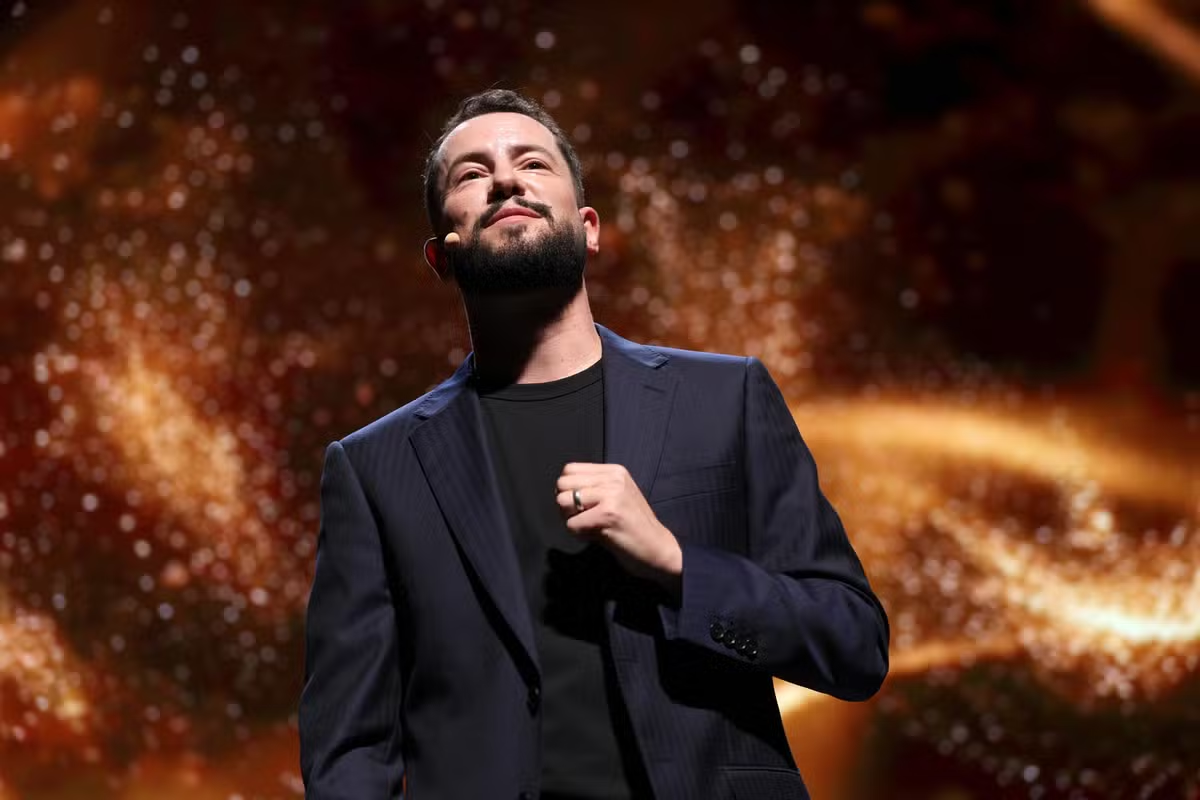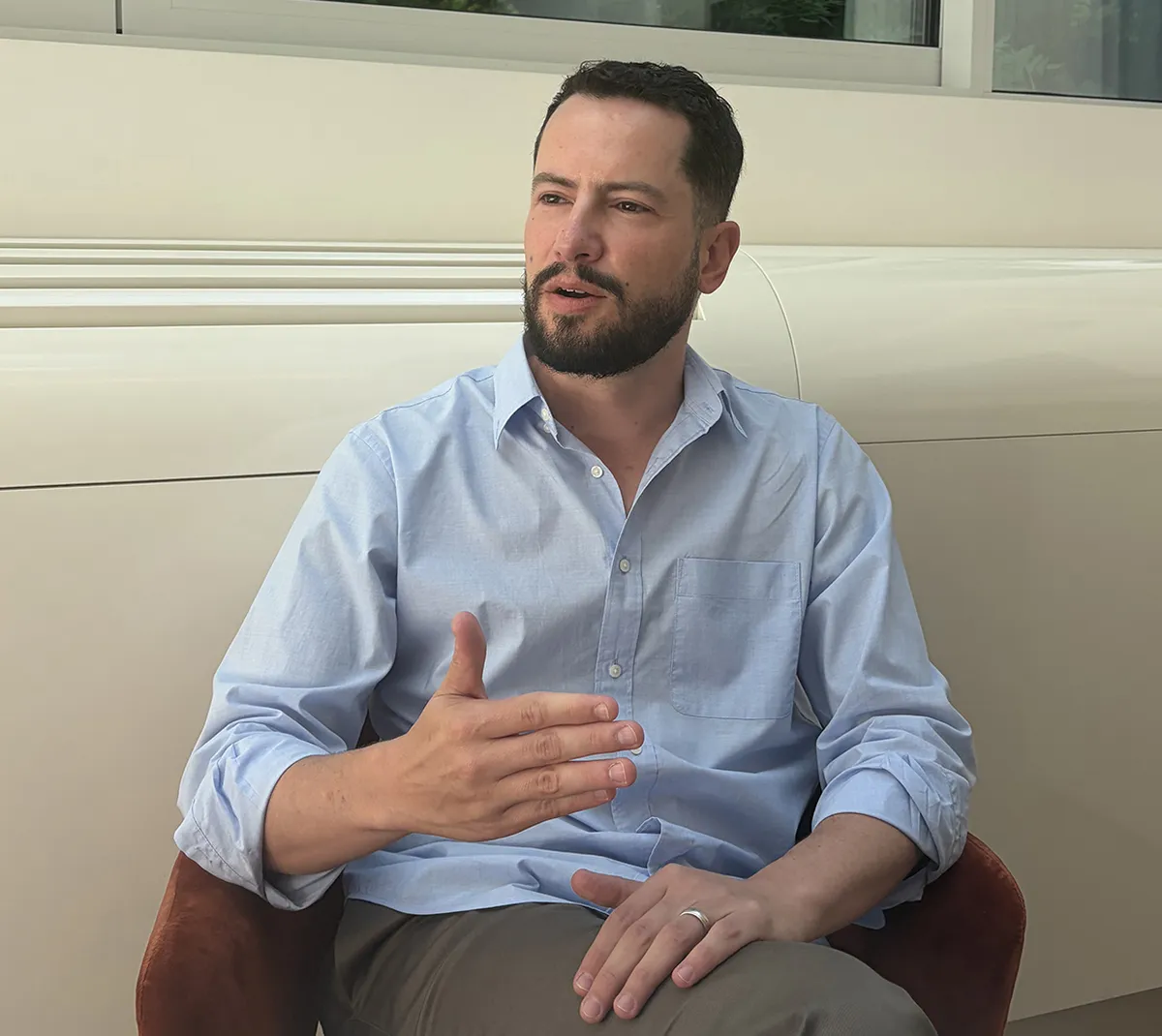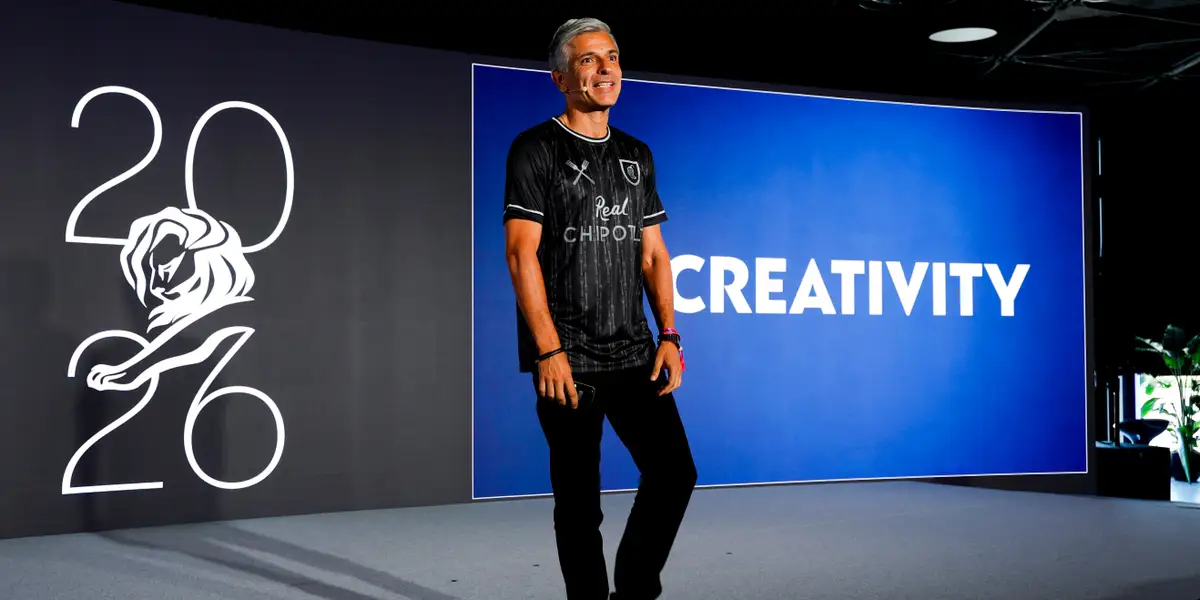
In March of last year, Unilever CEO Fernando Fernandez dropped a bombshell on the ad industry when he announced an “influencer-first” strategy for the consumer goods giant.The company would work with 20 times more creators and direct approximately 50% of its media investment toward social channels, a move that sparked industry speculation about the future role of traditional advertising.This week, Leandro Barreto, global CMO for Unilever and Beauty & Wellbeing was in Cannes to explain the underlying philosophy behind that move.“Value has been replaced by volume. As an industry, we've confused motion with meaning," he said. “We've become incredibly efficient in creating things that people ignore. As marketers, we have forgotten to ask one of the most fundamental questions of all: what is actually worth passing on?”That challenge sat at the centre of Barreto’s Cannes Lions presentation. Barreto framed the “influencer-first” strategy as a response to changing consumer behaviour and not just a shift in media priorities.Rather than framing creators as a new media channel, Barreto argued that brands need to rethink how demand is created. Consumers have always trusted recommendations from people they know and communities they belong to, he said, long before social platforms or influencers existed."It's not about going social-first, it's about going reality-first," he said.For Unilever, that means shifting from asking what brands want to say to asking what people want to say about brands.“The real test of a brand is if people keep telling your stories when you're not in the room anymore,” Barreto said. “Most of what we create will never travel – not because media is not working, but because it was not meaningful enough to be shared.”From Dove to Vaseline: Unilever’s philosophy in practiceThroughout his presentation, Barreto pointed to several Unilever brands as case studies of that philosophy in action.The longevity of Dove's "Real beauty" platform is evidence that strong brand meaning can outlast changing media environments and consumer trends, he said. Since the platform launched in 2004, social media has emerged, beauty standards have evolved and cultural conversations have shifted, yet consumers have continued to carry the brand's message forward.Barreto cited Dove's work around body confidence and its support for the CROWN Act, legislation aimed at preventing discrimination based on natural hairstyles, as examples of people embracing and extending the brand's purpose beyond advertising.He also shared the story of a mother whose daughter developed an eating disorder after being exposed to harmful beauty content online, arguing that Dove's relevance stemmed not from its own communications but from consumers who had carried the brand's message into their communities, conversations and homes.“Clarity travels, confusion doesn't,” he said. “If you don't know what your brand stands for, creators will not carry it.”Barreto also used Vaseline to illustrate how brands can benefit from relinquishing some control.For decades, the brand viewed itself primarily as a simple, reliable skincare product. But by listening more closely to consumers and creators, the company discovered a far broader range of uses than it had ever intended or marketed itself around. From marathon runners using Vaseline to prevent chafing before races to public health recommendations for hay fever relief and parents incorporating the product into daily family rituals, consumers were continually finding new meanings and applications for the brand.Rather than attempting to narrow those interpretations, Vaseline chose to embrace them. Barreto argued that these community-driven use cases weren't diluting the brand but expanding its relevance into new cultural spaces and audiences that traditional marketing could never have identified on its own.“These creators, they were not diluting the brand, they were expanding the brand into worlds that we have never seen before,” he said.These examples served as a challenge for how marketers think about creators themselves, with Barreto arguing that the industry has become too focused on treating creators as media inventory rather than cultural participants.“We treat creators like a channel,” he said. “We reduce them to distribution, to media inventory. They are not. They are the people who decide whether your brand will be alive beyond your four walls.”That perspective informed another recurring theme of the presentation: the distinction between what Barreto called “renting a voice” and “earning one”. He pointed to examples such as Hellmann’s partnering with NFL quarterback Will Levis after his mayonnaise-in-coffee videos gained traction online, arguing that successful creator relationships emerge from existing cultural relevance rather than paid amplification alone.'Poetry and plumbing'Underlying the approach is what Barreto described as a balance between “poetry and plumbing” – combining creative ideas, cultural understanding and consumer intimacy with the technology and systems required to scale them.For marketers concerned that creator-led strategies may come at the expense of brand-building, Barreto suggested the bigger issue lies elsewhere.“If this is real, true of your brand, if you feel that this is… what you are going through now, you do not have a media problem, you do not have a creator problem,” he said. “You probably have not built something worth sharing, and no media plan can fix that.”The message marks a notable clarification of Unilever’s recent creator strategy. Rather than positioning social media as a replacement for traditional channels, Barreto framed creators as modern-day torchbearers – people who carry a brand’s meaning into communities where advertising alone cannot reach.In March, Unilever appointed social-first agency Samy to develop and activate a global influencer strategy for the conglomerate’s food businesses.A version of this article first appeared on Campaign Canada
Unilever CMO: Marketing has become 'efficient in creating things people ignore'
‘[Creators] are the people who decide whether your brand will be alive beyond your four walls,” said Leandro Barreto.
894 words~4 min read