The Delhi EV policy gives the industry and financing partners the confidence to build a stronger EV ecosystem and make electric two-wheelers more accessible for everyday commuters
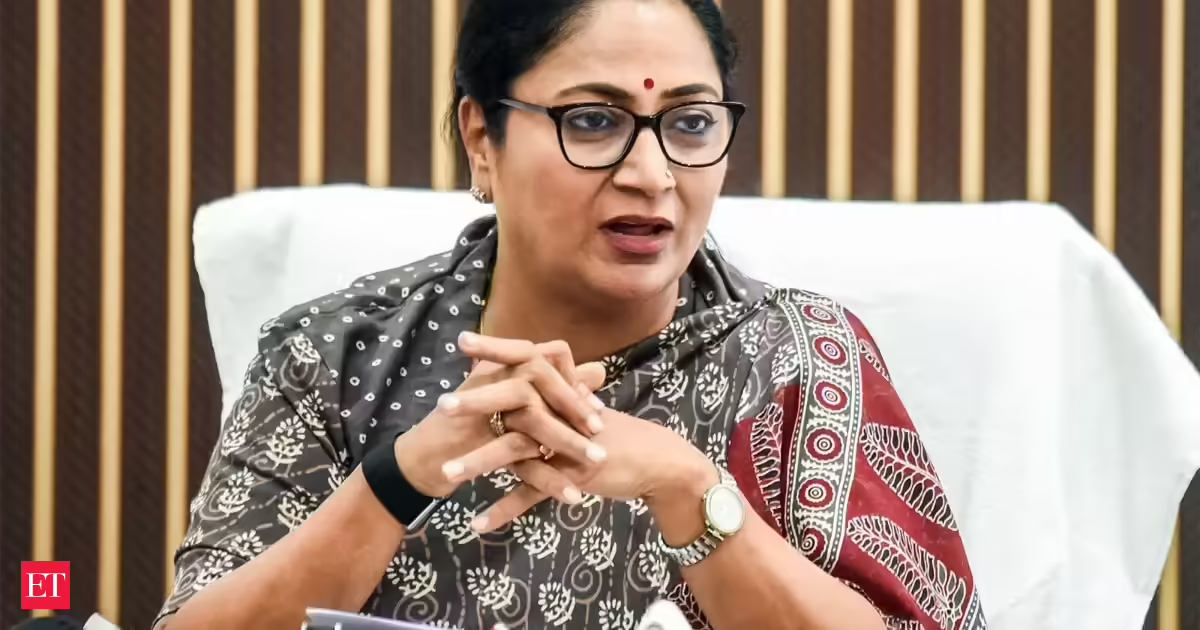
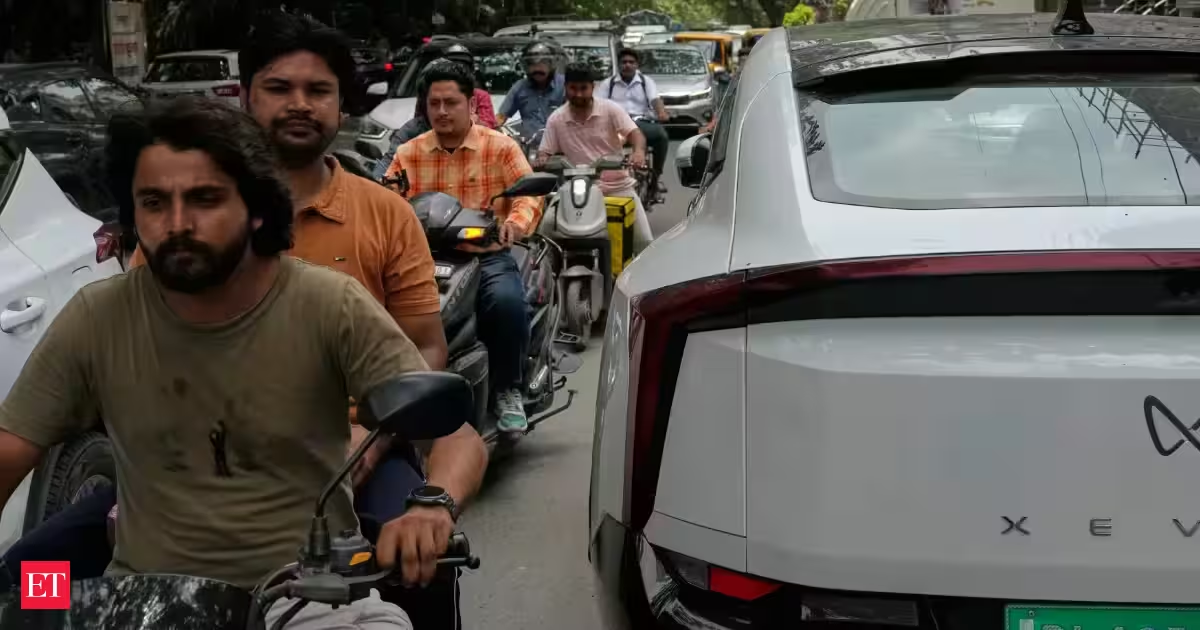
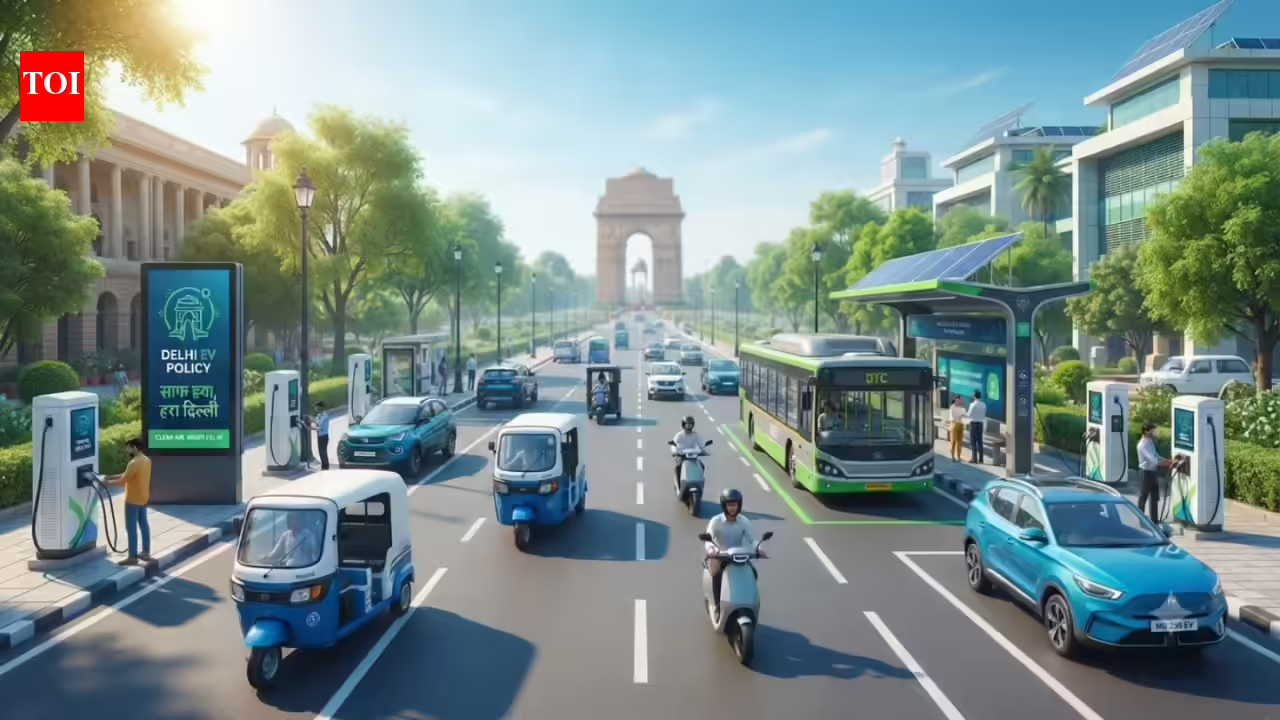
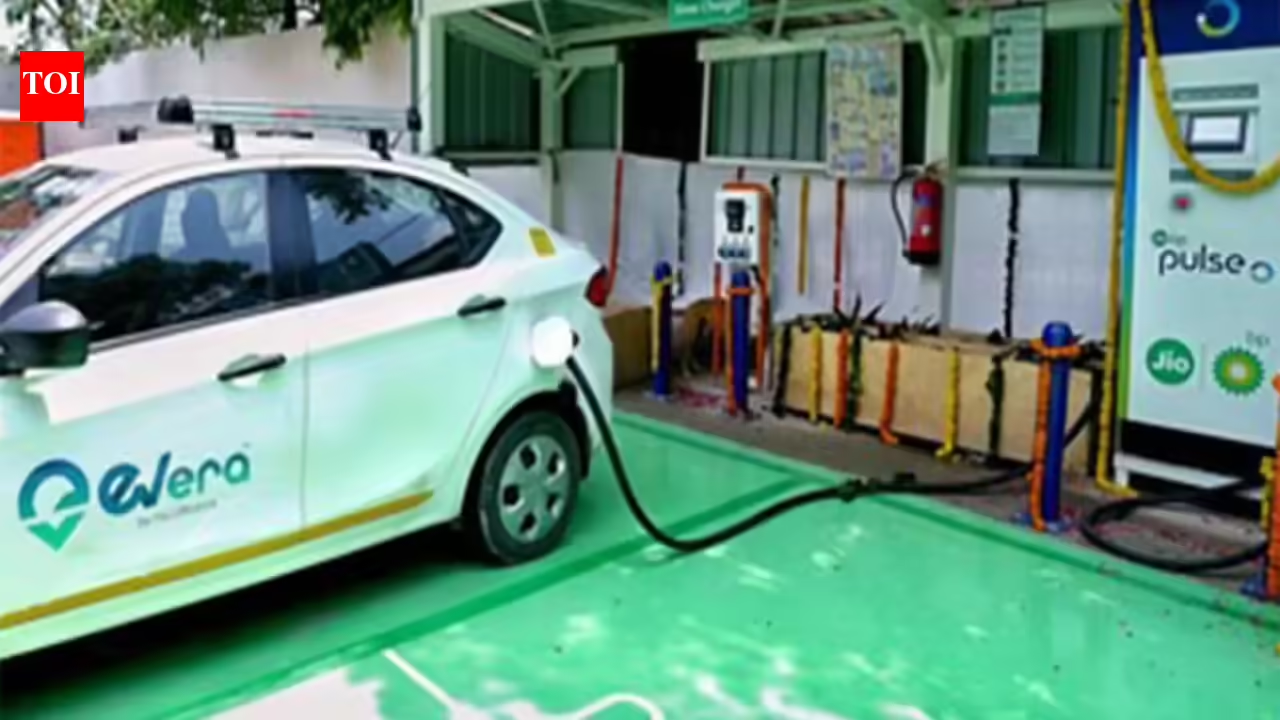
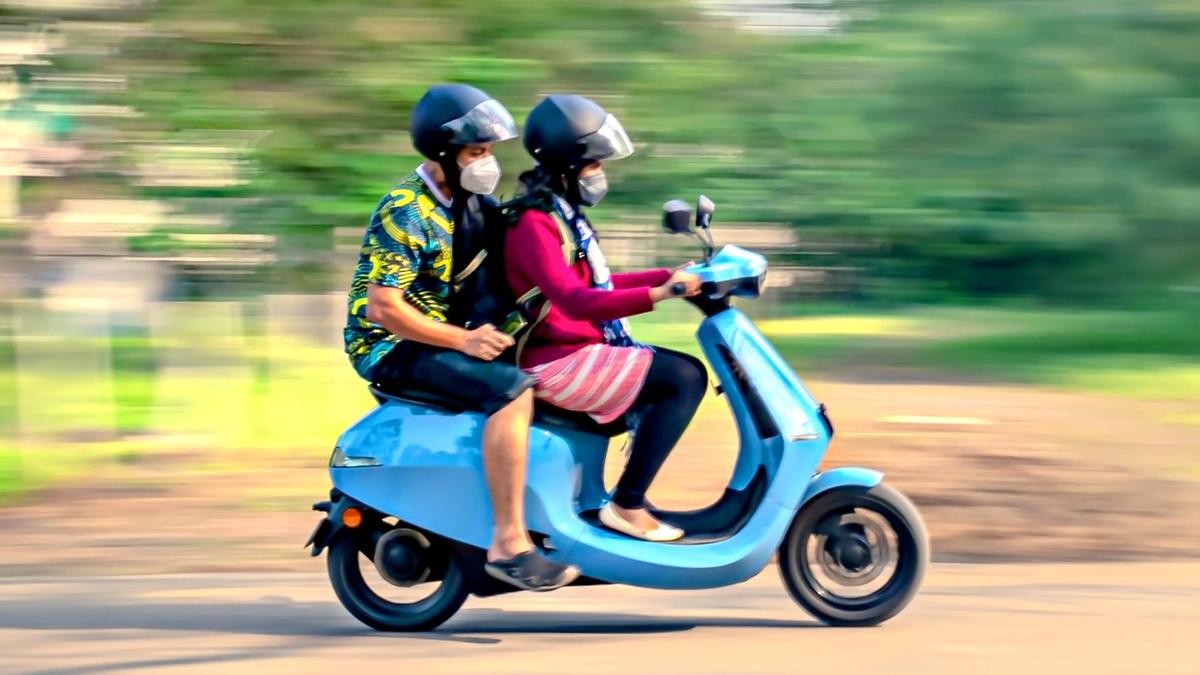
The Delhi Electric Vehicle (EV) policy can significantly accelerate the shift towards electric mobility, but the real success of adoption will depend when the products are financially accessible to a much wider consumer base, said some of the industry officials.“Delhi-NCR is one of India’s biggest two-wheeler markets, and the new EV policy can significantly accelerate the shift towards electric mobility. However, the real success of EV adoption will depend not only on product availability, but also on making EVs financially accessible...affordable financing, low down payments, easy EMIs and competitive lending rates will be critical to converting consumer interest into actual purchases,” Anjali Rattan, Chairperson, RattanIndia Enterprises, the manufacturer of Revolt electric motorcycles, told businessline.She said with the right support from the government, manufacturers, dealers and lenders, Delhi can become a benchmark market for EV adoption in India.“It gives the industry and financing partners the confidence to build a stronger EV ecosystem and make electric two-wheelers more accessible for everyday commuters,” she added.Similarly, Ayush Lohia, CEO at Youdha, a manufacturer of electric three-wheelers (e3Ws) said that as the industry moves towards the next phase of growth, ensuring easier access to EV financing and creating a supportive ecosystem for consumers and fleet operators will be crucial to achieving the policy’s ambitious targets.Industry readinessOn the readiness of the industry to meet the demand in one of the largest two-wheeler markets in India, Sulajja Firodia Motwani, Founder and CEO, Kinetic Green, said that the industry is ready with e3Ws already seen as a large transition and movement towards electric format.“Customers across the country are moving both for L3 (passenger auto) with all electric and L5 (commercial three-wheeler) also to EVs. In two-wheelers, there are many good models from leading manufacturers now, especially in the space of scooters and cross-over vehicles like the e-Luna, and I think this will definitely ease the pollution and make sure that enough models are available in the electric format. So, yes people are geared up,” she said.In the area of motorcycles, Motwani said though there are not many models, several announcements have been made by different manufacturers. “We still have two years, so many new electric motorcycles will also be available and there is enough time to meet the deadline,” she added.Madhumita Agrawal, Founder and CEO at Oben Electric, said that as cities like Delhi advance their clean mobility ambitions, expanding the adoption of electric motorcycles will be critical to delivering meaningful environmental impact and making electric mobility accessible to a much larger base of riders.“This also places greater responsibility on manufacturers to build electric motorcycles that can truly replace conventional motorcycles on performance, reliability, safety and ownership experience,” Agrawal added.Meanwhile, Vimal Singh SV, Founder and CEO, ReadyAssist, said the policy should not be viewed as a setback for internal combustion engine (ICE) vehicle manufacturers, as India’s vehicle penetration still has significant headroom, and the policy is expected to expand the overall mobility market rather than simply shift demand from one segment to another.“Consumers need confidence that help is always within reach, whether it is roadside assistance, charging support, specialised EV servicing, or access to trained technicians. As the EV ecosystem matures, building a robust service and support network will be just as important as expanding vehicle adoption. A strong after-sales ecosystem will be the foundation for sustainable EV growth in the country,” he added.Published on June 30, 2026