June 30th, 2026
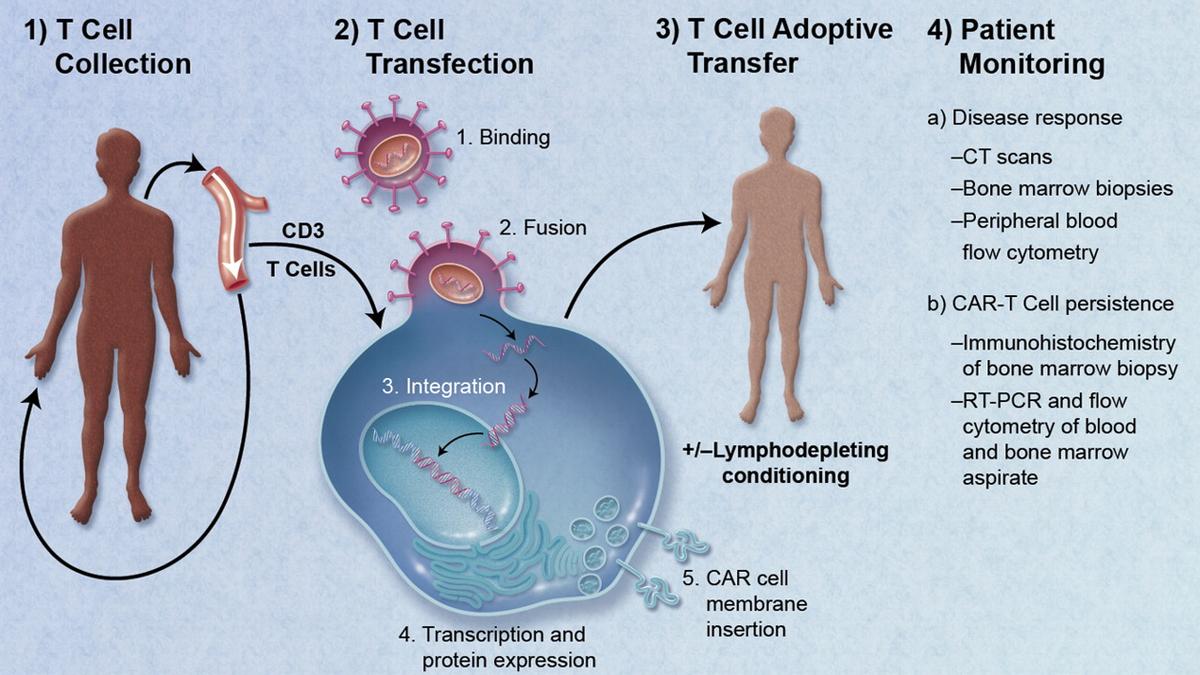
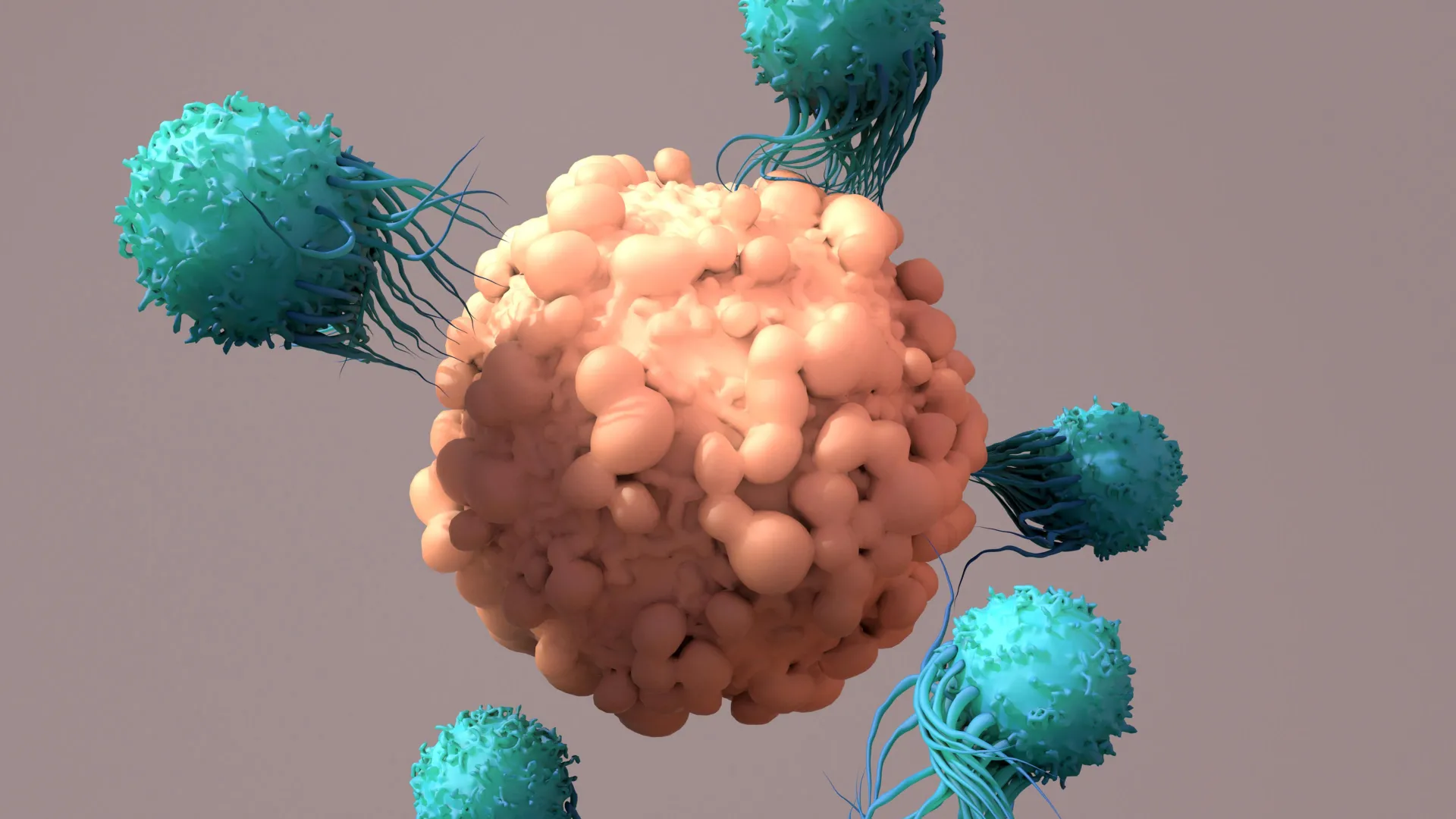
The challenge inherent in present approaches to reduce unwanted inflammation and immune activation, such as by targeting circulating tumor necrosis factor (TNF) with monoclonal antibodies in the context of autoimmune conditions, is that this signaling is also used in the normal, desirable immune response. Suppression thus has side-effects on immune competence. Nonetheless, researchers continue to try to improve the approaches to this class of therapy, as it is certainly better than prior alternatives. Here, researchers turn chimeric antigen receptor technology to the clearance of TNF: engineered T cells equipped with suitable engineered receptors casn live in the body for years while continually clearing excessive TNF in circulation.
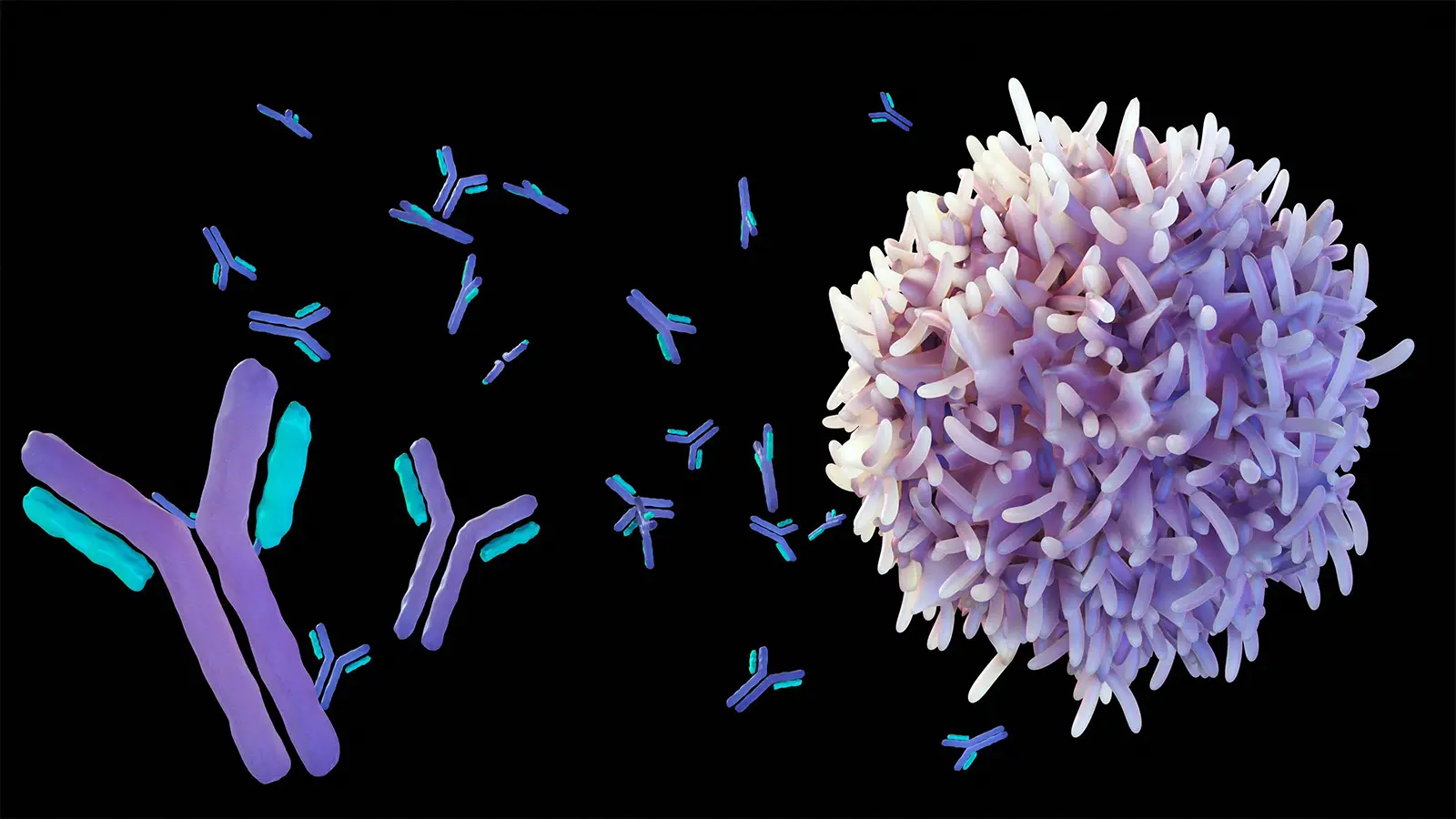
Extracellular factors, such as cytokines, are implicated in various diseases. Utilizing biologics to functionally neutralize these extracellular factors is a valid therapeutic approach in the clinic. While biologics have shown effectiveness in disease treatment, they have inherent limitations that require further improvement. Due to their short half-lives, biologics must be administered repeatedly to maintain therapeutic efficacy, leading to increased costs, reduced patient compliance, and decreased quality of life. For example, the widely used anti-tumor necrosis factor (TNF) antibody (adalimumab, Humira) requires bimonthly injections for indications like rheumatoid arthritis.