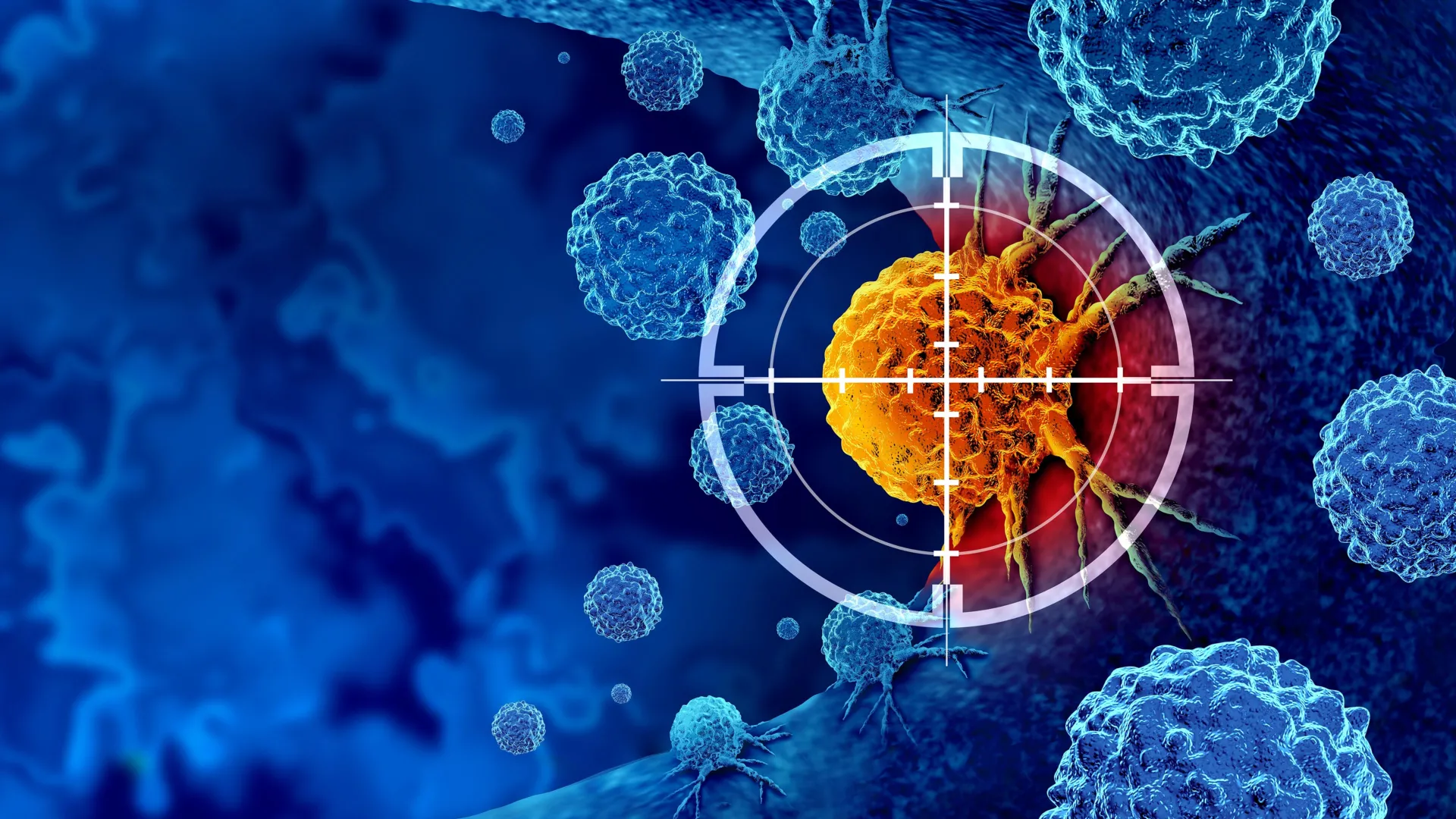
Prostate cancer is notoriously difficult to treat with immunotherapy, a type of cancer treatment that helps the immune system identify and destroy tumors. Now, researchers have developed an experimental RNA targeting technology that may make prostate tumors far more vulnerable to an immune attack.
Most prostate tumors are considered "immune cold" because they attract very few T cells (a type of immune cell). Without enough T cells entering the tumor, immunotherapy has little chance of working. In laboratory studies, scientists used a CRISPR-based tool to change RNA inside prostate cancer cells, effectively making the tumors more visible and attractive to cancer-fighting immune cells.
The findings, published in Nature Biomedical Engineering, showed that the technology improved the response of prostate tumors to immune checkpoint therapy in mice. More immune cells entered the tumors, where they attacked and destroyed cancer cells.
"Immune therapy is a monumentally different way to treat cancer, and a great way because you don't have to give patients terrible drugs that kill the cancer but harm healthy cells in the process," said Eric J. Wagner, PhD, co-author of the study from the University of Rochester Medicine. "The problem is that some cancers respond well to immune therapy, but others develop resistance or don't respond at all. Our tool strengthens the immune system's ability to make the cancer go away and could be used in conjunction with existing immunotherapies in prostate and potentially other immune-cold tumor types."